 EN
How to Reduce Film Waste with a Premade Pouch Packaging Machine?
2026/09/20
Premade Pouch Machines: Reduce Film Waste, Cut TCO & Achieve Faster ROI

2026/10/03
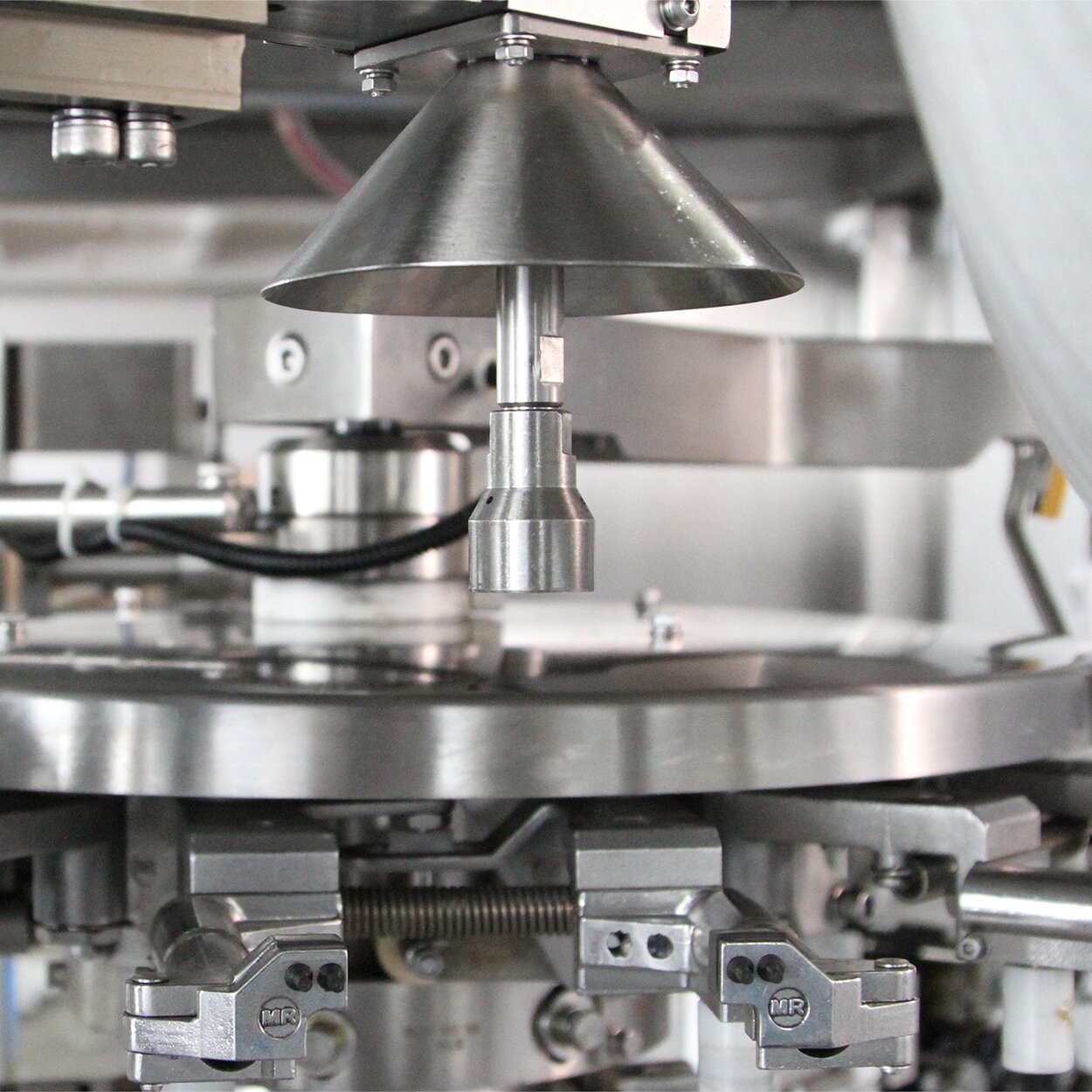
Leaks in a rotary vacuum packaging machine can compromise product quality, waste materials, and disrupt production schedules. When your rotary vacuum packaging machine fails to maintain proper seal integrity, identifying the root cause quickly becomes critical for maintaining operational efficiency and protecting your bottom line. Understanding common leak sources and diagnostic procedures helps you restore performance without extensive downtime or expensive service calls.
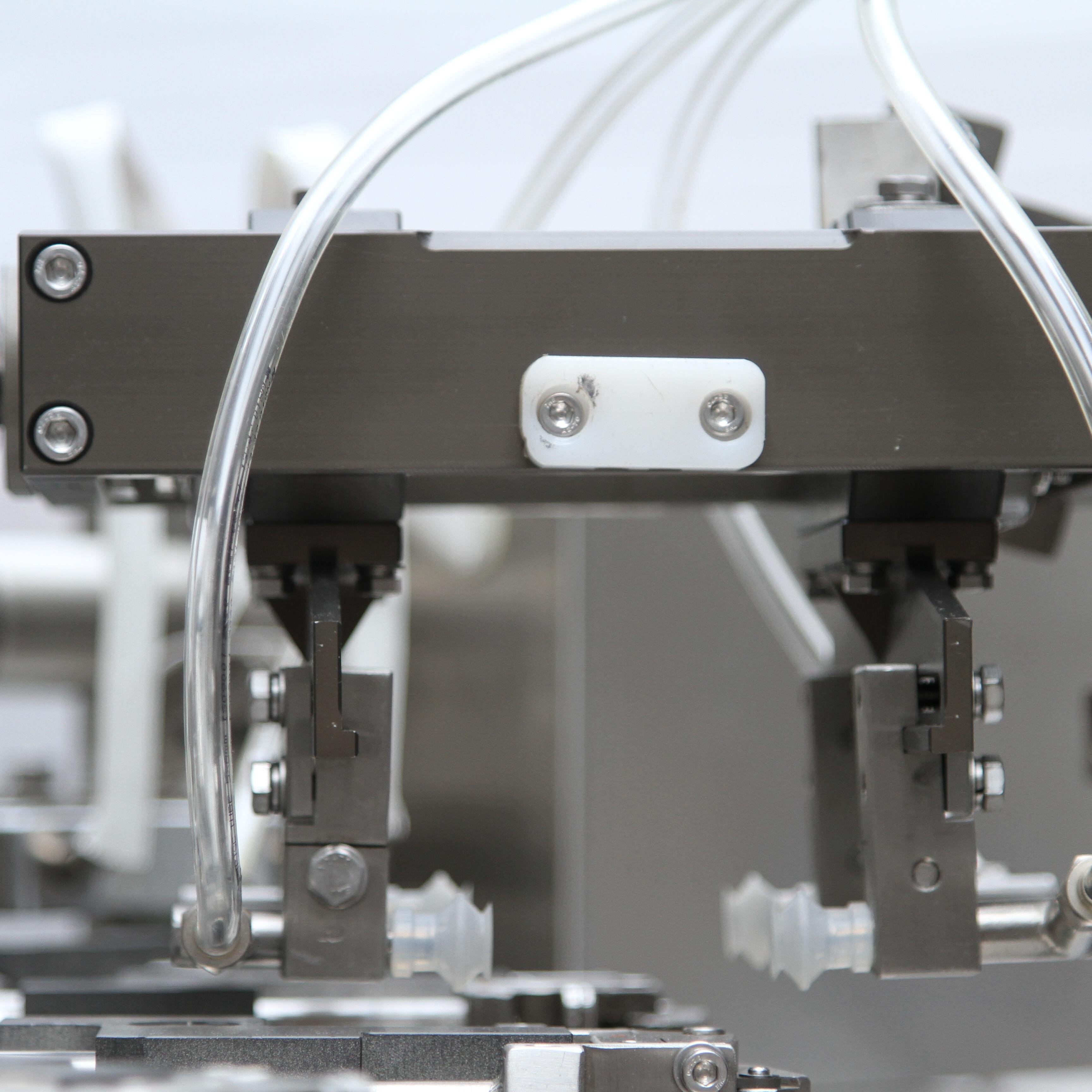
The vacuum chamber is where your rotary vacuum packaging machine creates the oxygen-free environment essential for effective preservation. Leaks often originate from degraded gaskets, cracks in the chamber walls, or misaligned lid assemblies. Inspect the rubber gasket around the chamber perimeter for visible cracks, hardening, or uneven compression marks. If the gasket shows signs of wear, replace it immediately; even small tears allow air infiltration that compromises vacuum strength. Check that the chamber lid closes completely and evenly, as warped or bent lids prevent proper gasket contact.
For a rotary vacuum packaging machine with a hinged or removable chamber, ensure all fastening bolts are tightened uniformly. Uneven pressure distribution can create microscopic gaps where air escapes during operation. Use a straightedge to verify the chamber surfaces are flat; temperature fluctuations or mechanical stress can warp aluminum or plastic components over time. If warping is detected, contact the manufacturer for replacement parts rather than attempting field straightening, which may cause permanent damage.
The heat sealing strip of your rotary vacuum packaging machine fuses the package opening after vacuum is applied. Leaks manifest when the seal strip fails to achieve adequate temperature or makes incomplete contact with the pouch material. Check the heating element's surface for carbon buildup, material residue, or mineral deposits that reduce thermal conductivity. Clean the sealing strip with a soft brush or cloth dampened with distilled water; excessive buildup prevents uniform heat distribution and creates weak seal points. For stubborn deposits on your rotary vacuum packaging machine, use a non-abrasive commercial heating element cleaner suitable for food equipment.
Temperature calibration is equally important for preventing leaks in a rotary vacuum packaging machine. Use a non-contact infrared thermometer to verify the actual sealing temperature matches the machine's display setting. If readings diverge by more than 10 degrees Celsius, the heating element may be failing or the temperature sensor may be calibrated incorrectly. Most rotary vacuum packaging machine models allow temperature adjustment through control panels; consult your operator manual for calibration procedures specific to your equipment.
The vacuum pump is the heart of your rotary vacuum packaging machine, responsible for drawing air from the chamber. Reduced pump efficiency manifests as slower vacuum cycles, incomplete air removal, or inability to achieve target pressure levels. Test pump performance by running an empty cycle and listening for unusual sounds such as grinding, whistling, or intermittent operation. Vacuum leaks in external lines or connections can also degrade pump performance; inspect all hoses and fittings for cracks or loose connections. Tighten any loose fittings by hand first, then use an appropriate wrench if additional pressure is needed, being careful not to overtighten.
For a rotary vacuum packaging machine, the vacuum pump oil level directly affects seal performance and longevity. Check the oil sight glass on the pump housing; oil should be between the minimum and maximum marks. If oil is below the minimum line, add the manufacturer-recommended pump oil until the sight glass shows proper level. Low oil reduces lubricant film strength, causing increased friction and heat generation within the pump, eventually leading to seal failure and air leakage into your rotary vacuum packaging machine cycle.
Your rotary vacuum packaging machine includes check valves that prevent air from flowing backward into the vacuum chamber and release valves that restore atmospheric pressure after the vacuum cycle completes. Malfunctioning valves allow air to re-enter packages or prevent proper pressure relief. Listen carefully during operation: if the rotary vacuum packaging machine continues to hiss after the cycle ends, the release valve may be stuck partially open. If vacuum pressure never reaches target levels despite pump operation, the check valve may be blocked or damaged. Both conditions indicate that internal valve components require inspection or replacement.
To test check valve function on your rotary vacuum packaging machine, disconnect the vacuum line from the chamber and place your hand over the opening. Activate the vacuum cycle; you should feel strong suction at the disconnected line. If suction is weak or absent, the check valve is likely the source of your leak. Remove the check valve assembly according to your machine's service manual, inspect the internal flapper or ball mechanism for debris or wear, and replace the valve assembly if damage is visible. For release valve testing, activate the vacuum cycle and listen; you should hear a distinct hiss when the cycle ends and pressure equalizes, indicating proper atmospheric venting.
Leaks in sealed packages sometimes originate not from machine failure but from incompatibility between the rotary vacuum packaging machine's temperature settings and the pouch material being used. Multi-layer films have different melting points; if your rotary vacuum packaging machine heats above the film's melting temperature, the seal layer may become brittle and prone to cracking. Conversely, insufficient temperature leaves the seal partially fused, creating weak points vulnerable to bursting during handling or storage. Verify that pouches are specifically rated for vacuum packaging and match your rotary vacuum packaging machine's sealing temperature range, typically 120 to 180 degrees Celsius depending on film composition.
Material quality also affects leak prevention in your rotary vacuum packaging machine. Pouches with thin spots, microscopic holes, or uneven coating thickness will leak regardless of proper machine operation. Purchase pouches from reliable suppliers and conduct incoming inspection on sample batches. Check film thickness consistency, inspect for pinholes by holding pouches up to bright light, and verify the sealing layer is uniformly applied. Storing pouches in controlled temperature and humidity conditions prevents moisture absorption and static electricity accumulation that can compromise film integrity before your rotary vacuum packaging machine seals them.
Improper pouch positioning within your rotary vacuum packaging machine creates sealing misalignment where the heat strip contacts only partial seal area. The entire seal line must make direct contact with the heating element; gaps or offset positioning allow unsealed portions where air gradually infiltrates the package. Ensure pouches are loaded straight and centered within the sealing zone. Most rotary vacuum packaging machine models include guide rails or positioning marks to ensure correct placement. Train operators on proper loading technique and periodically verify that guide systems are clean and functioning correctly.
A failing vacuum pump shows several warning signs in your rotary vacuum packaging machine: vacuum cycles take longer than normal, target pressure levels cannot be reached, unusual grinding or rattling sounds occur, or the pump generates excessive heat. Check pump oil level first, as low oil often causes these symptoms. If oil level is correct, test pump suction by disconnecting the vacuum line and placing your hand over the opening; weak or no suction indicates pump wear requiring replacement or professional servicing.
Different products may require different pouch materials and your rotary vacuum packaging machine operates within specific temperature ranges. Delicate foods like fresh seafood may need lower-temperature films to prevent damage, while dense products like meat may require higher temperatures for strong seals. Always verify that pouch materials are rated for your rotary vacuum packaging machine's operating temperature and designed specifically for vacuum packaging applications. Using incompatible films results in weak seals, leaks, and product quality degradation.
Establish a preventive maintenance routine for your rotary vacuum packaging machine that includes weekly inspection of gaskets and vacuum chamber condition, monthly cleaning of heating elements and check valves, and quarterly vacuum pump oil changes or additions as needed. Check all hose connections monthly for loosening or visible damage. Temperature calibration should be verified quarterly using a non-contact thermometer. These scheduled maintenance tasks extend equipment life and prevent many common leak issues that interrupt production in your rotary vacuum packaging machine.

2026/09/20
Premade Pouch Machines: Reduce Film Waste, Cut TCO & Achieve Faster ROI

2026/09/20
Cut Premade Pouch Machine Changeover Time by 40% with Proven Best Practices

2026/09/20
Premade Pouch Machines: Boost Throughput, Cut Waste & Improve ROI

2026/09/20
Rotary vs Inline Premade Pouch Machines: Speed, ROI & Scalability Compared

2026/09/20
Premade Pouch Machine: Boost Throughput, Cut Labor Costs & Improve Seal Integrity

2026/09/21
Premade Pouch Machine: Pouch Types, Materials & Filling Guide

