 EN
How to Reduce Film Waste with a Premade Pouch Packaging Machine?
2026/09/20
Premade Pouch Machines: Reduce Film Waste, Cut TCO & Achieve Faster ROI

2026/10/02
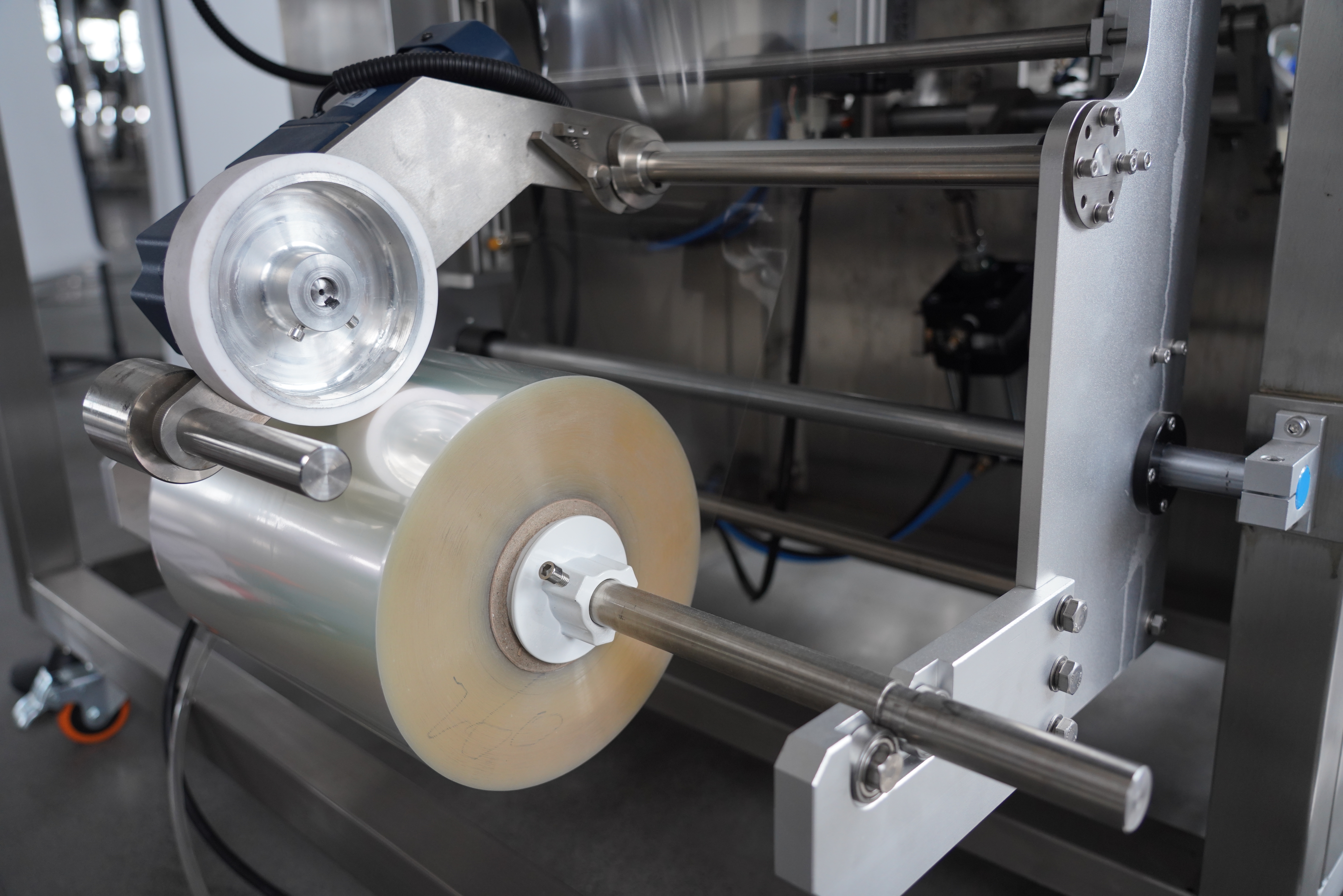
Seal failures in a vertical bagger represent one of the most frustrating operational challenges in modern packaging facilities. When a vertical bagger experiences seal problems, production halts, product contamination becomes possible, and revenue loss accumulates rapidly. Understanding how to troubleshoot a vertical bagger seal issue is essential for maintenance teams, operators, and production managers who depend on continuous packaging operations. The ability to diagnose and resolve vertical bagger seal defects quickly transforms downtime into minimal disruption and keeps your packaging line running efficiently.
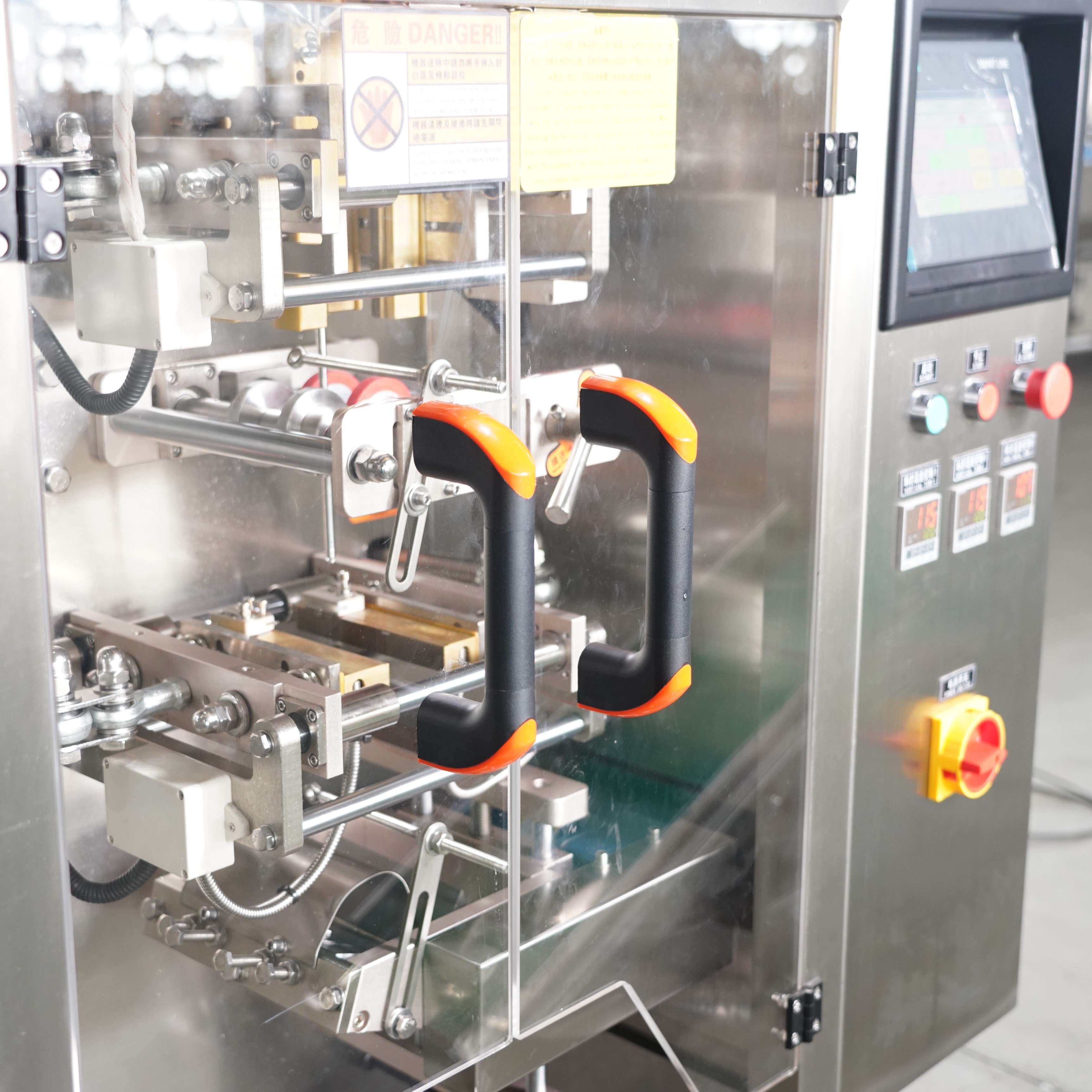
Every vertical bagger machine relies on precision heat sealing to create secure, airtight packaging that protects product integrity and maintains shelf appeal. When seal quality degrades, the root cause is typically mechanical wear, thermal inconsistency, material incompatibility, or improper machine calibration. This guide walks you through systematic troubleshooting techniques, helping you identify whether your vertical bagger seal failure stems from temperature calibration, pressure settings, contamination, or component degradation. By following these diagnostic protocols, you can restore sealing performance and prevent future vertical bagger problems from disrupting your production schedule.
Seal defects in a vertical bagger manifest in predictable visual patterns that guide your troubleshooting approach. Incomplete seals that leave gaps along the bag edges indicate insufficient heat or inadequate pressure application during the sealing cycle. Weak seals that separate under minimal pulling force suggest the vertical bagger heating elements are not reaching optimal temperature or dwell time is too brief. Burned or scorched seal lines reveal excessive heat exposure, which degrades film integrity and creates brittleness that leads to seal failure. Uneven sealing across the bag width often points to misaligned vertical bagger jaws or contaminated sealing surfaces that prevent uniform contact.
The vertical bagger seal quality depends critically on coordinating two variables: heating temperature and applied pressure. If your vertical bagger displays weak seals but the heating elements appear functional, pressure may be insufficient to force film layers into molecular bonding. Conversely, if the vertical bagger produces burned edges or thin, brittle seals, excessive temperature is degrading the film material itself. Many operators overlook that a vertical bagger's thermal performance varies with ambient room temperature and incoming material humidity. Cold production environments require higher heating power to compensate, while humid conditions may require pressure adjustments to prevent moisture from interfering with seal formation.
Begin troubleshooting a vertical bagger seal issue by verifying actual heating element temperature against the machine's display settings. Many vertical bagger operators assume the control panel temperature reading is accurate, but heating elements degrade over time, and calibration drift is common. Use an infrared thermometer to measure the actual jaw temperature at multiple points across the sealing width. If your vertical bagger shows significant temperature variance (more than 10–15 degrees Celsius) across the seal area, heating element replacement or realignment is likely necessary. Document these measurements before and after any adjustments to validate that your vertical bagger temperature correction resolves the seal defect.
Pressure inconsistency is a leading cause of intermittent vertical bagger seal failure that confuses troubleshooting efforts. Check pneumatic or hydraulic pressure gauges on your vertical bagger to confirm the system is maintaining specified bar or PSI levels throughout the sealing cycle. Air leaks in pneumatic lines, worn seals within pressure actuators, or degraded pressure regulators cause pressure loss that compromises seal quality. Run your vertical bagger through 10 consecutive sealing cycles while monitoring pressure readings; any fluctuation indicates a system fault requiring immediate attention. If your vertical bagger pressure system is functioning correctly, move to evaluating the sealing jaw alignment and surface condition.
A vertical bagger seal failure sometimes originates not from the machine but from incompatible or degraded packaging film. Different film materials require different sealing temperatures; if your vertical bagger settings were calibrated for one film type and you switch materials without adjustment, seal failure follows immediately. Polyethylene (PE) films seal at lower temperatures than polypropylene (PP) or laminated structures, and a vertical bagger calibrated for one film class will fail with another. Inspect incoming film for brittleness, age deterioration, or moisture absorption that compromises sealability. Old or improperly stored film becomes less responsive to heat and pressure, even when your vertical bagger settings are correct. Always verify film specifications and thermal properties match your vertical bagger machine parameters before processing.
Ambient facility conditions significantly influence vertical bagger seal performance, yet this factor is frequently overlooked during troubleshooting. Humidity above 65 percent relative humidity can cause film surfaces to absorb moisture, preventing proper molecular bonding during sealing. Cold production environments below 15 degrees Celsius reduce thermal efficiency, requiring your vertical bagger to work harder to achieve adequate sealing temperatures. Conversely, excessively hot environments may cause the vertical bagger's heating elements to overshoot target temperatures, producing burned seals. Stabilize your facility temperature and humidity within manufacturer-recommended ranges, typically 18–25 degrees Celsius and 40–60 percent relative humidity. When environmental conditions cannot be controlled, adjust your vertical bagger sealing parameters accordingly.
Establishing systematic maintenance routines prevents many vertical bagger seal failures before they disrupt production. Schedule monthly inspections of heating elements, pressure systems, and sealing jaw alignment as part of your preventive maintenance protocol. Document all measurements and adjustments in a maintenance log tied to your vertical bagger's serial number and model specifications. Replace heating elements proactively when they show aging signs, rather than waiting for complete failure and emergency downtime. Many experienced operators establish quarterly deep-cleaning sessions for their vertical bagger equipment, removing accumulated film residue and contaminants that degrade seal quality over time. This proactive approach to your vertical bagger maintenance reduces surprise failures and extends equipment lifespan significantly.
When troubleshooting identifies worn components, timely replacement prevents recurring vertical bagger seal problems. Heating element degradation is predictable based on duty cycle hours; replacing elements before failure ensures consistent seal quality. Sealing jaw replacement kits are commonly available and straightforward to install on most vertical bagger models. Pressure system components, including actuators, regulators, and pneumatic seals, have defined service lives and should be replaced per manufacturer guidelines. Newer heating technologies and pressure systems offer improved precision compared to older vertical bagger models, so component upgrades may enhance seal reliability beyond original specifications. Consult your vertical bagger documentation or manufacturer support to determine which components are due for preventive replacement based on your equipment's operating hours and production volume.
Weak seals typically result from insufficient heating temperature, inadequate pressure, contaminated sealing jaws, or misaligned jaw surfaces on your vertical bagger equipment. Start by verifying actual heating element temperature using an infrared thermometer rather than relying solely on the control panel display. Check pneumatic or hydraulic pressure gauges to confirm pressure consistency throughout the sealing cycle. If pressure and temperature readings are normal, inspect and clean the sealing jaws, then verify jaw alignment using a straight edge. If all these checks pass, the vertical bagger may need heating element replacement due to thermal degradation over time.
Clean your vertical bagger sealing jaws monthly during normal production schedules, or weekly if processing sticky or contaminating materials that deposit residue. Contamination buildup on the vertical bagger jaw surfaces is a primary seal failure cause that becomes worse with each production run. Use soft brushes and solvents appropriate for your jaw material, avoiding abrasive tools that scratch the sealing surfaces. Perform a complete jaw alignment check during each cleaning cycle to catch misalignment issues early. Implement a preventive maintenance calendar tied to your vertical bagger's production volume; high-throughput operations may require more frequent jaw maintenance than lower-volume packaging lines.
Yes, switching film materials without adjusting your vertical bagger settings is a common source of seal failure that many operators encounter unexpectedly. Different film types—polyethylene, polypropylene, laminated structures—require different sealing temperatures and pressure profiles to achieve reliable seals. When you change the vertical bagger's incoming film material, consult the film supplier's technical data sheet to identify the correct sealing parameters. Test the new film on your vertical bagger with small sample batches while monitoring seal quality before committing to full production runs. Some vertical bagger operators maintain preset temperature and pressure profiles for different film materials, allowing quick switching without guesswork.

2026/09/20
Premade Pouch Machines: Reduce Film Waste, Cut TCO & Achieve Faster ROI

2026/09/20
Cut Premade Pouch Machine Changeover Time by 40% with Proven Best Practices

2026/09/20
Premade Pouch Machines: Boost Throughput, Cut Waste & Improve ROI

2026/09/20
Rotary vs Inline Premade Pouch Machines: Speed, ROI & Scalability Compared

2026/09/20
Premade Pouch Machine: Boost Throughput, Cut Labor Costs & Improve Seal Integrity

2026/09/21
Premade Pouch Machine: Pouch Types, Materials & Filling Guide

