 EN
How to Reduce Film Waste with a Premade Pouch Packaging Machine?
2026/09/20
Premade Pouch Machines: Reduce Film Waste, Cut TCO & Achieve Faster ROI

2026/10/24
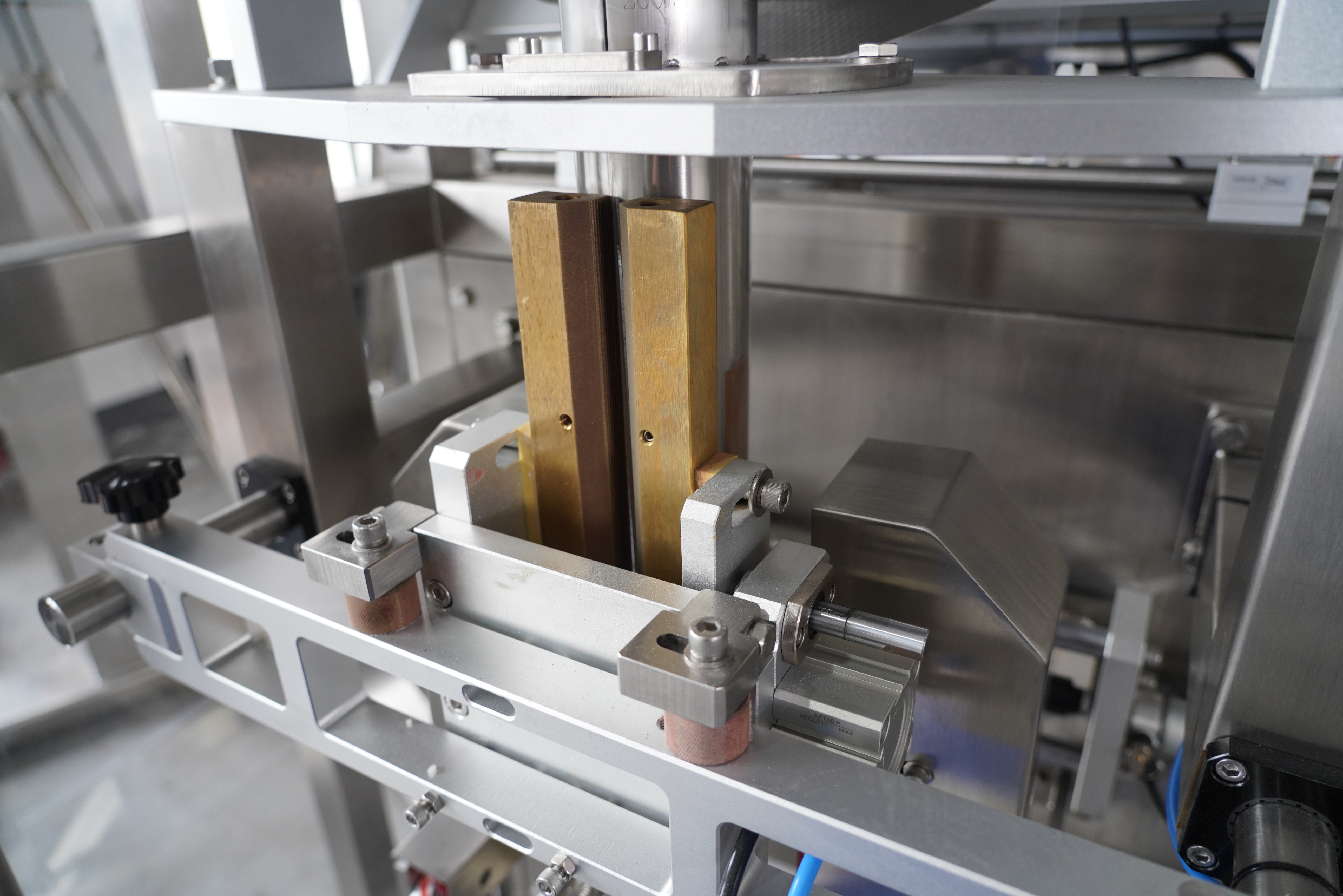
Film tracking problems represent one of the most common operational challenges faced by packaging facilities using a vffs machine. When the film strays from its intended path during the packaging process, it creates costly production interruptions, material waste, and reduced efficiency. Understanding how to diagnose and resolve these film tracking issues is essential for maintaining consistent output quality and minimizing downtime. A vffs machine relies on precise film alignment to seal, cut, and fill packages correctly, making film tracking accuracy a critical operational parameter that directly impacts profitability and customer satisfaction.
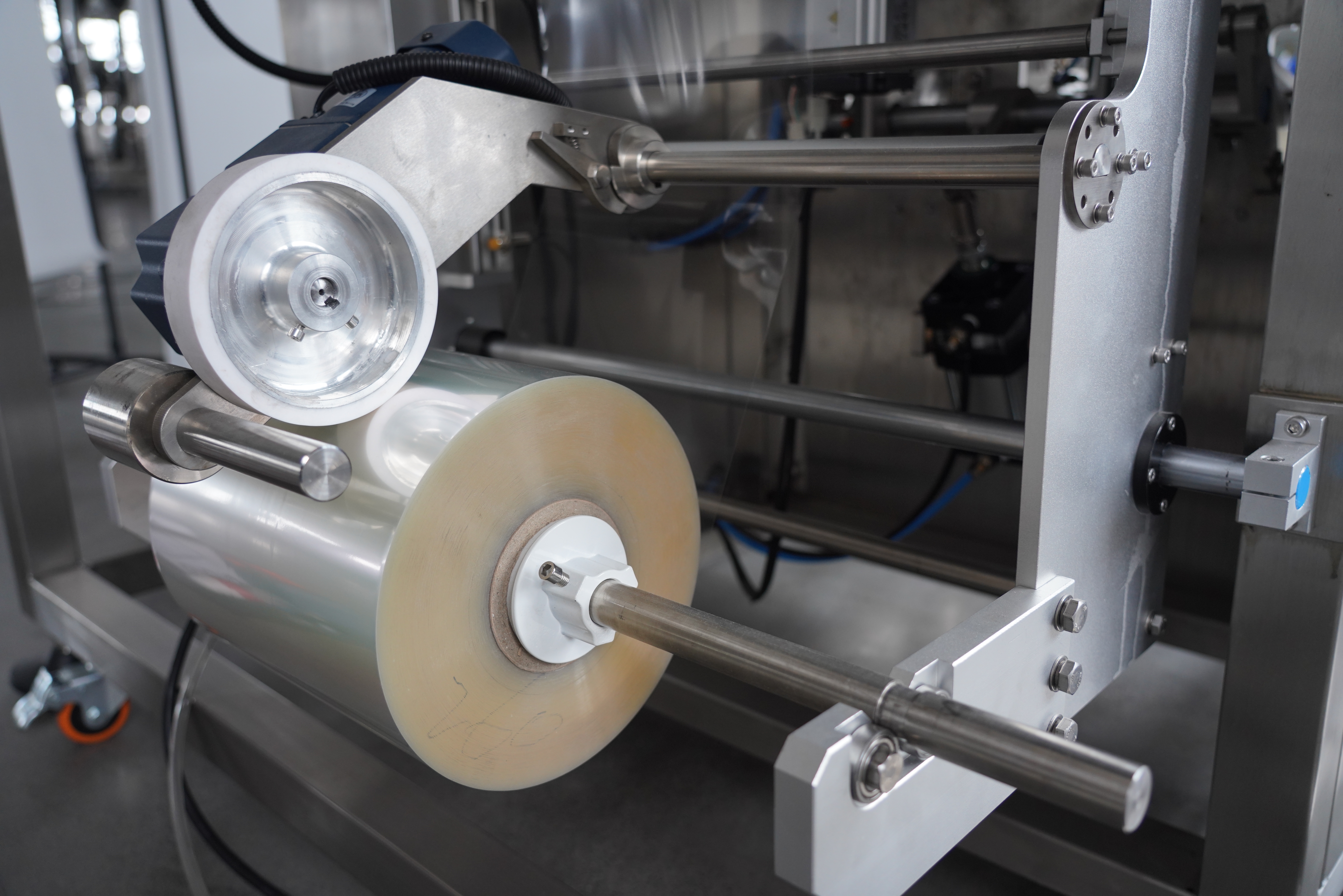
Troubleshooting a vffs machine's film tracking requires a systematic approach that combines visual inspection, mechanical verification, and operational adjustment. Most film tracking deviations stem from mechanical misalignment, tension inconsistencies, or environmental factors that can be identified and corrected through methodical troubleshooting steps. By learning to recognize the early warning signs of film tracking problems and understanding the underlying mechanical principles of how a vffs machine guides film through its system, operators can quickly restore optimal performance and prevent recurring issues.
A vffs machine controls film movement through a combination of driven rollers, guides, and tension management systems that work together to maintain precise alignment. The film path within a vffs machine includes an input section where the film is threaded, a forming section where the film is shaped into a tube, and a sealing section where the package is completed. Each vffs machine uses guide rails and edge sensors to monitor film position relative to the machine centerline. When a vffs machine operates correctly, the film moves smoothly through all sections without deviation, ensuring that seal lines, fill lines, and cut lines align perfectly with the film's intended path.
Begin diagnosing a vffs machine's film tracking problems by observing the film path during operation and examining produced packages for alignment defects. Look for asymmetrical seal lines, off-center fill patterns, or packages that appear twisted or deformed, as these visible defects indicate film tracking failure within your vffs machine. Stop the vffs machine and manually advance the film slowly through the system while watching for binding, resistance, or visible deviation from the guide rails. Check that the film edges maintain consistent distance from the machine guide rails throughout the entire film path on your vffs machine. Photograph the film path and any packaging defects to document the vffs machine's current state before making adjustments.
Verify that all guide rails and rollers on your vffs machine are parallel to each other and perpendicular to the film's direction of travel. Use a straightedge and precision level to check that the main forming tube of the vffs machine sits at the correct vertical and horizontal alignment. Inspect all mounting bolts on the vffs machine to ensure they remain tight and that no structural shifting has occurred. A vffs machine's film tracking problems often originate from loosened fasteners or mechanical play that develops through normal operation and vibration. Check the condition of all guide rail surfaces on the vffs machine for scratches, dents, or buildup that could interfere with film movement.
Examine the tension applied to the film by the vffs machine's input rollers and verify that both rollers apply equal pressure across the entire film width. Inconsistent tension between left and right rollers causes the film to drift toward the higher-tension side within your vffs machine. Inspect the rubber or urethane surfaces of the driven rollers on the vffs machine for wear, hardening, or uneven contact that could prevent proper film control. A vffs machine with worn roller surfaces will exhibit sporadic film tracking problems that worsen as the rollers continue to degrade. Measure the film entry angle into the vffs machine to confirm the film approaches the first set of guide rails at the design specification.
Start correction of your vffs machine's film tracking problems with the most accessible and impactful adjustments first. Begin by verifying that the film is threaded correctly through every guide, roller, and sensor on the vffs machine according to the machine's operational manual. Adjust the input tension on your vffs machine by modifying the air pressure to the pneumatic pressure rollers in small increments, typically two to three pounds of pressure at a time. For each vffs machine adjustment, run a short test cycle and observe film behavior before making additional corrections. If the film drifts toward the left side of your vffs machine, slightly increase the tension on the right roller; conversely, increase left roller tension if rightward drift occurs.
When tension adjustments alone do not resolve the vffs machine's film tracking problems, proceed to mechanical realignment of the guide rails. Loosen the mounting bolts that secure the problematic guide rail section of your vffs machine, then use adjustment screws to shift the rail perpendicular to the film path in small increments. A vffs machine typically requires only minute adjustments, often measured in fractions of a millimeter, to restore proper film tracking. After making adjustments to your vffs machine, tighten all fasteners firmly and verify that the rails remain in their adjusted position before resuming production. Test the vffs machine with the production film at operating speeds for at least ten cycles to confirm the film tracking improvement persists.
Many vffs machine film tracking problems result from misaligned or dirty edge sensors that fail to provide accurate feedback to the machine's control system. Clean all optical sensors on your vffs machine with appropriate lens cleaning solution and soft cloths, as dust and film residue can block the sensor signal. Verify that the sensors on your vffs machine are mounted at the correct distance from the film edge according to the equipment specifications. Recalibrate the vffs machine's tracking control system by running the auto-calibration routine if available, or manually set the sensor sensitivity following the manufacturer's procedure. A vffs machine with properly functioning sensors typically auto-corrects minor film tracking drift automatically without operator intervention.
Establish a preventive maintenance schedule for your vffs machine that includes weekly film path inspections and monthly detailed alignment verifications. Document all observations of your vffs machine's film tracking performance and any adjustments made, creating a record that helps identify developing patterns or recurring problems. Schedule annual professional inspection of your vffs machine by qualified technicians who can perform precision alignment checks and assess component wear that may not be immediately visible during routine operation. This proactive approach prevents unexpected vffs machine film tracking problems from disrupting production and extends equipment service life significantly.
Control the facility environment around your vffs machine, as temperature fluctuations and humidity changes can cause film expansion or contraction that leads to film tracking problems. Maintain stable room temperature and humidity levels suitable for your specific film material, as different plastics respond differently to environmental conditions that affect vffs machine performance. Protect your vffs machine from direct sunlight and external vibrations from nearby equipment that can disrupt the delicate alignment required for accurate film tracking. Quality film storage conditions upstream of your vffs machine also prevent film static buildup and dimensional variations that cause tracking issues.
Sudden film tracking problems on a vffs machine typically result from loosened mechanical components, roller wear developing rapidly, or incorrect film threading following a roll change. Always verify the film is properly threaded through all guides and check that no fasteners have worked loose before assuming the vffs machine requires major repairs. Changes in film thickness, width, or material properties can also cause immediate vffs machine film tracking problems even if the equipment was working perfectly with the previous film type.
Check your vffs machine's film tracking accuracy at minimum weekly during routine production operations, and more frequently if you notice any degradation in package quality or film behavior. Perform detailed alignment checks on your vffs machine monthly using precision tools, and schedule professional annual inspections to catch wear that develops gradually. The frequency of vffs machine checks should increase proportionally with production volume and the criticality of packaging precision to your business operations.
Yes, persistent film tracking problems on a vffs machine can cause cascading damage to sealing dies, cutting mechanisms, and drive components as the misaligned film creates uneven stress loads. Correcting vffs machine film tracking problems promptly prevents secondary damage that would require expensive repairs and extended downtime. Addressing film tracking issues immediately when first detected protects the overall integrity of your vffs machine and ensures years of reliable operation.

2026/09/20
Premade Pouch Machines: Reduce Film Waste, Cut TCO & Achieve Faster ROI

2026/09/20
Cut Premade Pouch Machine Changeover Time by 40% with Proven Best Practices

2026/09/20
Premade Pouch Machines: Boost Throughput, Cut Waste & Improve ROI

2026/09/20
Rotary vs Inline Premade Pouch Machines: Speed, ROI & Scalability Compared

2026/09/20
Premade Pouch Machine: Boost Throughput, Cut Labor Costs & Improve Seal Integrity

2026/09/21
Premade Pouch Machine: Pouch Types, Materials & Filling Guide

