 EN
How to Reduce Film Waste with a Premade Pouch Packaging Machine?
2026/09/20
Premade Pouch Machines: Reduce Film Waste, Cut TCO & Achieve Faster ROI

2026/09/24
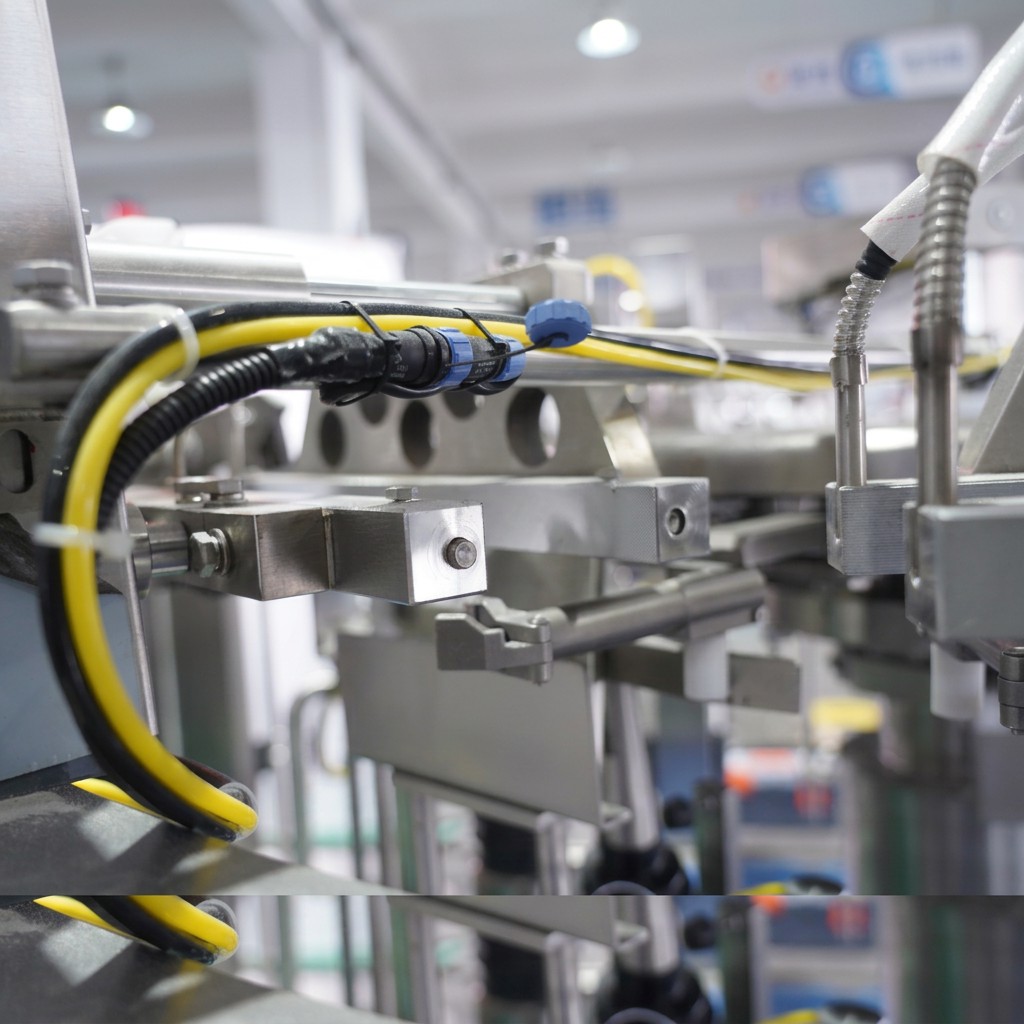
A rotary pouch packing machine represents a significant investment in packaging operations, and understanding how to validate its performance is essential for protecting that investment and ensuring consistent product quality. Whether you're commissioning a new rotary pouch packing machine or evaluating an existing system, systematic validation protocols help you identify bottlenecks, verify specifications, and optimize overall equipment effectiveness. Validation goes beyond initial startup checks—it involves comprehensive testing across speed, accuracy, material compatibility, and seal integrity to confirm the rotary pouch packing machine operates at expected specifications under real-world production conditions.
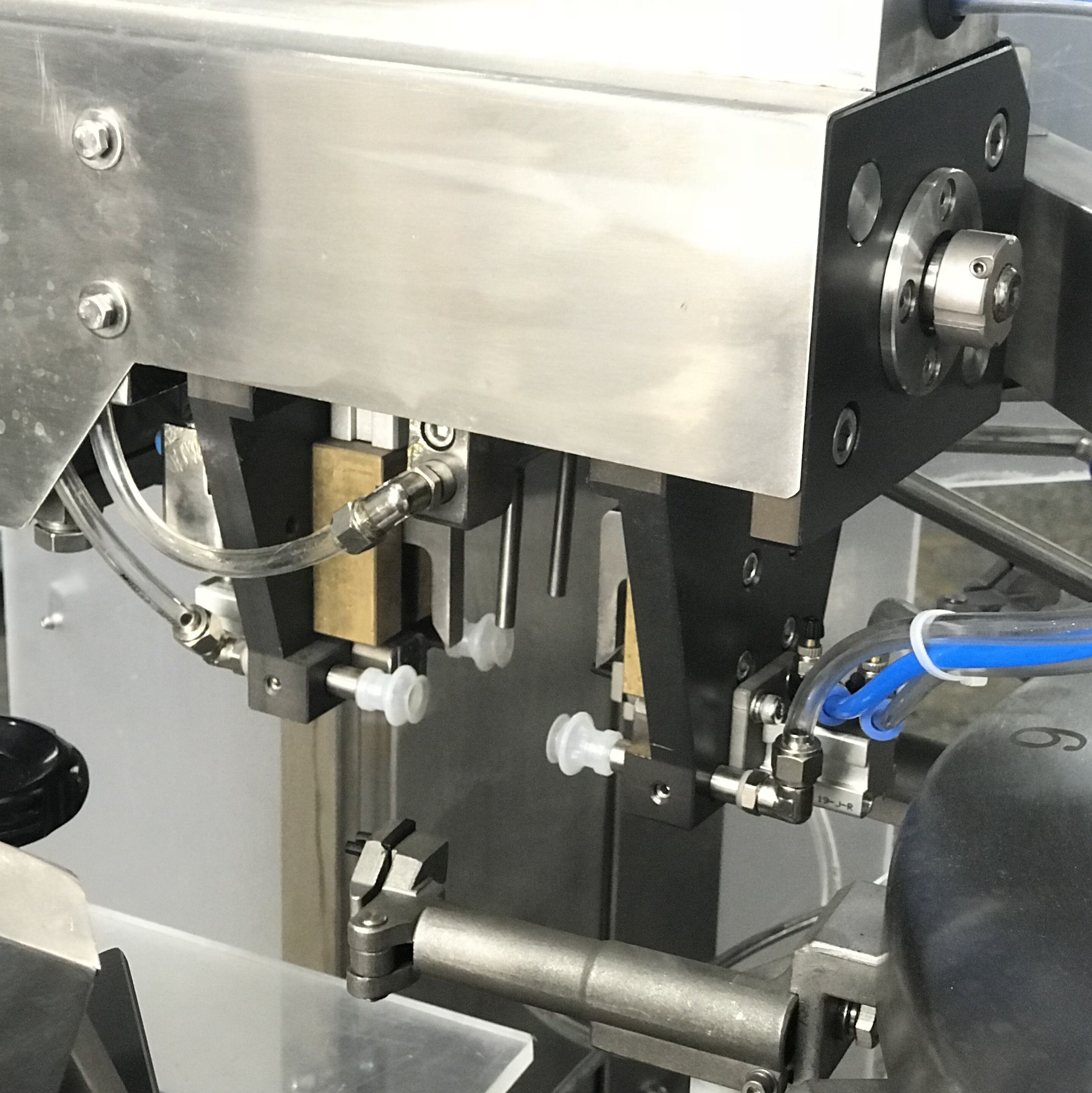
Validating a rotary pouch packing machine performance involves measuring throughput rates, evaluating seal strength consistency, assessing material feed accuracy, and confirming that the machine meets your production targets and quality standards. This process protects your packaging operations from unexpected downtime, product waste, and customer complaints related to packaging defects. By following structured validation procedures, manufacturers can confidently deploy their rotary pouch packing machine and maintain reliable output over extended operating periods.
Every rotary pouch packing machine comes with manufacturer specifications that define expected performance under standard conditions. The critical metrics for validating a rotary pouch packing machine include pieces per minute (PPM), bag dimension accuracy, fill weight tolerance, and seal strength. These specifications form the baseline against which actual performance is measured. Understanding these metrics helps you establish acceptance criteria before validation testing begins. A rotary pouch packing machine should consistently achieve stated PPM rates while maintaining fill accuracy within specified tolerances, typically ±1 to ±3 percent depending on the product and application.
The design capacity of a rotary pouch packing machine reflects ideal operating conditions in a controlled environment, whereas actual production capacity depends on factors like product characteristics, pouch film quality, and operator proficiency. When validating your rotary pouch packing machine, you should recognize that actual throughput typically runs 5 to 15 percent below the rated design speed during normal production. Testing your rotary pouch packing machine under representative material conditions—using actual product, your standard film, and typical environmental conditions—provides realistic performance data. This comparison between design specifications and measured output helps identify whether gaps stem from machine configuration, material factors, or operational procedures.
Before conducting formal validation tests on your rotary pouch packing machine, prepare the equipment by performing recommended maintenance, verifying all calibration settings, and ensuring utilities—air supply, electrical power, and water if applicable—meet machine specifications. Environmental conditions affect how a rotary pouch packing machine performs, so document ambient temperature, humidity, and atmospheric pressure during testing. The rotary pouch packing machine should stabilize for at least 30 minutes at operating speed before collecting validation data, as thermal expansion and bearing settling influence initial performance. Proper environmental control and documentation ensure your validation data accurately reflects machine capability rather than environmental artifacts.
Validation testing of your rotary pouch packing machine should use actual production materials—the real product, your standard pouch film, and packaging accessories you'll use regularly. Run the rotary pouch packing machine through multiple test batches covering at least 100 to 500 consecutive pouches, depending on complexity, to capture representative performance data that accounts for normal variation. Measure fill weight accuracy across the batch using a calibrated scale, checking multiple pouches from the beginning, middle, and end of production. For a rotary pouch packing machine, consistent performance across the entire batch indicates stable operation, while drift in fill weight or increasing reject rates signals calibration drift or mechanical wear requiring adjustment.
Document throughput by timing how long the rotary pouch packing machine takes to complete each test batch, then calculate achieved PPM by dividing the number of pouches produced by elapsed time. Compare your measured PPM against the rotary pouch packing machine's rated speed, accounting for brief stops for material transitions or minor adjustments. If actual performance falls significantly below rated speed, investigate whether the rotary pouch packing machine requires adjustment, whether your material composition affects processing speed, or whether operator technique impacts results. Testing your rotary pouch packing machine under these realistic conditions provides actionable data for performance optimization.
Seal integrity represents one of the most critical quality attributes of any rotary pouch packing machine output, directly affecting product shelf life and customer satisfaction. After your rotary pouch packing machine completes test batches, randomly select pouches throughout the production run and visually inspect seals for inconsistency, partial sealing, burn marks, or underfilled areas. A properly functioning rotary pouch packing machine produces uniform seals with no gaps, consistent heat marks, and no product leakage. Perform both visual inspection and tactile testing by attempting to separate sealed edges—they should resist separation without tearing the film.
While visual inspection provides valuable feedback, validating your rotary pouch packing machine requires quantitative seal strength measurements using a seal strength tester. This equipment measures the force required to separate sealed edges, providing objective data on whether your rotary pouch packing machine creates seals meeting industry standards, typically 5 to 10 pounds of force depending on film type and application. Test at least five pouches from each test batch, measuring seals from multiple locations on each pouch since a rotary pouch packing machine may show variation between top, bottom, and side seals. Consistent seal strength across all tested pouches confirms your rotary pouch packing machine maintains stable thermal settings and consistent pressure throughout operation.
When validation testing reveals that your rotary pouch packing machine underperforms specifications, systematic troubleshooting helps pinpoint root causes. Common issues affecting a rotary pouch packing machine include improper heat seal temperature, worn or misaligned forming dies, inadequate material feed pressure, or film advancement timing problems. If your rotary pouch packing machine shows poor fill accuracy, check that the weighing system is calibrated correctly and that product flows smoothly into the forming tube without bridging. When a rotary pouch packing machine experiences seal failures, verify that heat seal bars are clean, that seal pressure is uniform across the sealing width, and that film is advancing smoothly without slipping.
Most performance gaps can be resolved through systematic adjustment of your rotary pouch packing machine parameters. Start by verifying that your rotary pouch packing machine's speed setting matches your target PPM, then make incremental speed increases while monitoring output quality. If fill weight drifts, recalibrate the weighing system and check that product flow is consistent. When adjusting your rotary pouch packing machine, change one parameter at a time and allow sufficient time for stabilization before evaluating results. After each adjustment, run a validation test batch to confirm that your rotary pouch packing machine performance improved and that quality metrics remain acceptable. This methodical approach prevents unintended consequences and ensures your rotary pouch packing machine achieves target performance reliably.
Validate your rotary pouch packing machine performance initially during commissioning, then conduct quarterly validation checks under standard production conditions. Additionally, perform validation testing after any significant maintenance, when changing product types, or if you observe quality issues in routine production. This schedule ensures your rotary pouch packing machine continues meeting performance standards and allows you to detect degradation early before it impacts customer product quality.
Most regulatory standards and customer specifications require that a rotary pouch packing machine maintain fill weight within ±1 to ±3 percent of the target weight, depending on product category and customer contracts. During validation of your rotary pouch packing machine, aim for tight distribution around the target weight rather than simply meeting minimum tolerance. The tighter your rotary pouch packing machine's accuracy, the more confidence you have in meeting regulatory minimums while avoiding costly overfill waste.
While preliminary validation can use substitute materials for safety testing, your final rotary pouch packing machine validation should always use actual production materials—your real product, standard film, and typical packaging accessories. Different products have different flow characteristics, and varying film thickness or composition affects how your rotary pouch packing machine performs, so validation with production materials provides the only reliable performance forecast for actual manufacturing conditions.

2026/09/20
Premade Pouch Machines: Reduce Film Waste, Cut TCO & Achieve Faster ROI

2026/09/20
Cut Premade Pouch Machine Changeover Time by 40% with Proven Best Practices

2026/09/20
Premade Pouch Machines: Boost Throughput, Cut Waste & Improve ROI

2026/09/20
Rotary vs Inline Premade Pouch Machines: Speed, ROI & Scalability Compared

2026/09/20
Premade Pouch Machine: Boost Throughput, Cut Labor Costs & Improve Seal Integrity

2026/09/21
Premade Pouch Machine: Pouch Types, Materials & Filling Guide

