 EN
How to Reduce Film Waste with a Premade Pouch Packaging Machine?
2026/09/20
Premade Pouch Machines: Reduce Film Waste, Cut TCO & Achieve Faster ROI

2026/10/25
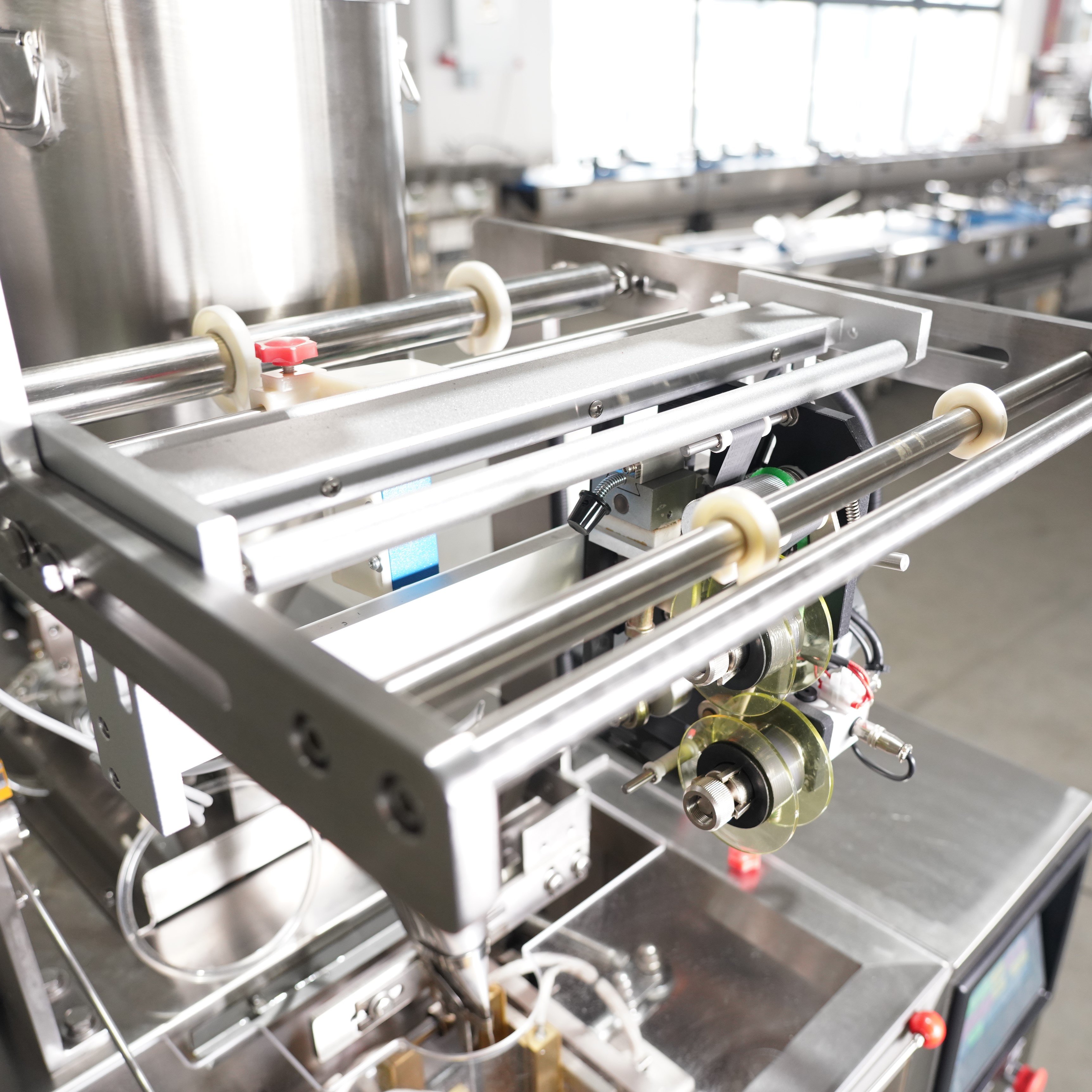
Exporting a vffs machine requires rigorous performance validation to ensure compliance with international standards, customer specifications, and regulatory requirements. A vffs machine destined for global markets must demonstrate consistent reliability, accurate packaging quality, and adherence to export documentation requirements before shipment. Validation is not merely a final checklist item but a critical process that protects your reputation, reduces costly returns, and establishes confidence with international buyers who depend on your vffs machine to operate flawlessly in their production environments.
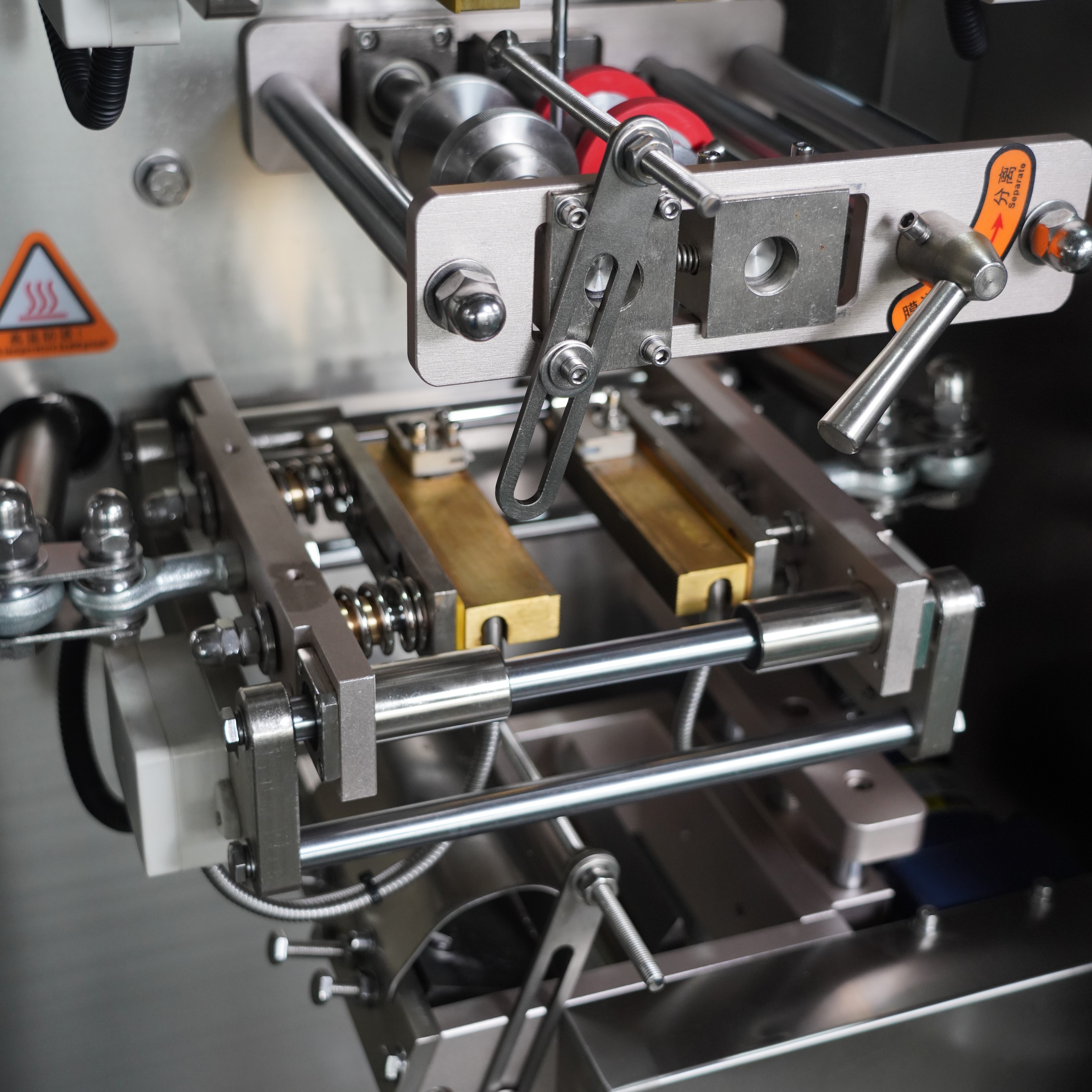
The validation process for a vffs machine encompasses mechanical integrity testing, sealing performance verification, speed calibration, and output quality inspection. Each component of your vffs machine must operate within specified tolerances to meet export market expectations. Understanding how to systematically validate a vffs machine before export helps manufacturers avoid compliance violations, customer disputes, and damaged brand reputation while ensuring the equipment performs as promised in demanding international production settings.
Before exporting a vffs machine, verify that all structural components are properly aligned, welded, and secured. The frame, conveyor system, and drive mechanisms of your vffs machine must be inspected for cracks, corrosion, and wear. A vffs machine that has been tested under load should show no visible deformation or loosening of bolts. Use precision measurement tools to confirm that critical dimensions match design specifications. This foundational inspection ensures that your vffs machine will withstand the rigors of international shipping and the demands of continuous operation in foreign facilities.
Sealing performance is the most critical quality indicator for any vffs machine heading to export markets. Test your vffs machine by running multiple production cycles with the intended packaging materials to verify seal strength, consistency, and appearance. Measure seal width, uniformity, and pressure application across various positions on the bag. Perform tear tests on sealed bags to confirm they meet minimum strength standards. A vffs machine that produces weak or inconsistent seals will fail customer acceptance tests and damage your market credibility. Document all sealing test results as part of your vffs machine export validation package.
Your vffs machine must be tested across its entire operating speed range to confirm it meets promised throughput specifications. Run the vffs machine at minimum, nominal, and maximum speeds while monitoring fill accuracy, seal quality, and reject rates. Verify that the vffs machine automatically adjusts fill volume, sealing temperature, and dwell time as speed increases or decreases. Document cycle times and bag count data for each speed setting. Export buyers expect a vffs machine to deliver consistent performance across all declared operating conditions, so comprehensive speed testing protects both parties from future disputes.
Test your vffs machine with the specific film materials, pouch styles, and product types your customer will use. Different packaging materials have different thermal requirements, and a vffs machine optimized for one material may perform poorly with another. Run extended trials to verify that the vffs machine maintains consistent performance after 8, 16, and 24 hours of continuous operation. Check for thermal drift, film feed reliability, and electronic calibration stability. Include humidity and temperature variation testing if the vffs machine will operate in climates different from your facility. This validation confirms that your vffs machine adapts reliably to real-world customer conditions.
Compile comprehensive test reports documenting all vffs machine validation activities, results, and conformance to specifications. Create a vffs machine performance certificate that summarizes mechanical integrity, sealing quality, speed calibration, and environmental testing outcomes. Include photographs, measurement data, and comparative charts showing how your vffs machine performed against stated specifications. Many export markets require certified test documentation before acceptance, and a well-organized vffs machine validation package accelerates customs clearance and customer confidence. Ensure all test data is traceable, timestamped, and signed by qualified personnel.
Verify that your vffs machine meets applicable international safety standards such as CE marking requirements, electrical safety certifications, or industry-specific packaging equipment standards. Research the regulations in your target export market to confirm that your vffs machine documentation aligns with local requirements. Many countries require electrical certificates, material safety data sheets, and machine manuals in local languages before a vffs machine can be legally imported. Build regulatory compliance into your validation timeline rather than discovering gaps after the vffs machine ships. A vffs machine that fails export country regulations will be rejected at customs, creating costly delays and damaging customer relationships.
After validating your vffs machine, protect it during export shipment through proper crating, bracing, and climate control. The vffs machine must be secured to prevent movement that could loosen connections or damage precision components during transport. Use shock sensors to monitor vibration and impact throughout shipment. A vffs machine that arrives damaged or misaligned will fail initial customer testing and trigger warranty claims or contract disputes. Include a pre-delivery inspection checklist so that when the vffs machine arrives at the customer facility, both parties can confirm that no transit damage occurred. This final validation step ensures your vffs machine reaches its destination in perfect working condition.
The most common vffs machine failures occur due to inconsistent sealing performance, inadequate fill accuracy, electronic calibration drift, and non-compliance with target market safety standards. Many vffs machine export rejections also stem from incomplete or missing documentation, poor sealing test data, and failure to verify material compatibility with customer-supplied packaging. Address these issues through systematic testing, detailed performance documentation, and regulatory pre-screening before your vffs machine leaves your facility.
A vffs machine should run continuously for at least 8 to 16 hours during validation to confirm stable performance and detect thermal drift or component wear. Extended runtime testing on your vffs machine reveals whether electronic controls maintain calibration over time and whether mechanical components show stress or fatigue. Many international customers expect documentation showing that your vffs machine passed minimum endurance testing, so comprehensive runtime validation strengthens your export credibility and reduces post-sale failure risks.
An exported vffs machine requires a test and performance report, machine manual in the customer's language, electrical safety certification, material declarations, spare parts list, and warranty documentation. Include a vffs machine operator training guide and troubleshooting manual tailored to the customer's specific model configuration. Add certificates of conformity proving your vffs machine meets applicable international standards. These documents demonstrate that your vffs machine has been validated, is safe to operate, and meets contractual performance promises, accelerating customs clearance and customer acceptance.

2026/09/20
Premade Pouch Machines: Reduce Film Waste, Cut TCO & Achieve Faster ROI

2026/09/20
Cut Premade Pouch Machine Changeover Time by 40% with Proven Best Practices

2026/09/20
Premade Pouch Machines: Boost Throughput, Cut Waste & Improve ROI

2026/09/20
Rotary vs Inline Premade Pouch Machines: Speed, ROI & Scalability Compared

2026/09/20
Premade Pouch Machine: Boost Throughput, Cut Labor Costs & Improve Seal Integrity

2026/09/21
Premade Pouch Machine: Pouch Types, Materials & Filling Guide

