 EN
How to Reduce Film Waste with a Premade Pouch Packaging Machine?
2026/09/20
Premade Pouch Machines: Reduce Film Waste, Cut TCO & Achieve Faster ROI

2026/09/29
In modern manufacturing environments, the tension between speed and accuracy represents one of the most critical operational challenges for production facilities. A successful pack machine strategy requires understanding how speed and accuracy interact, what trade-offs genuinely exist, and how to configure your pack machine system to meet your specific business objectives.
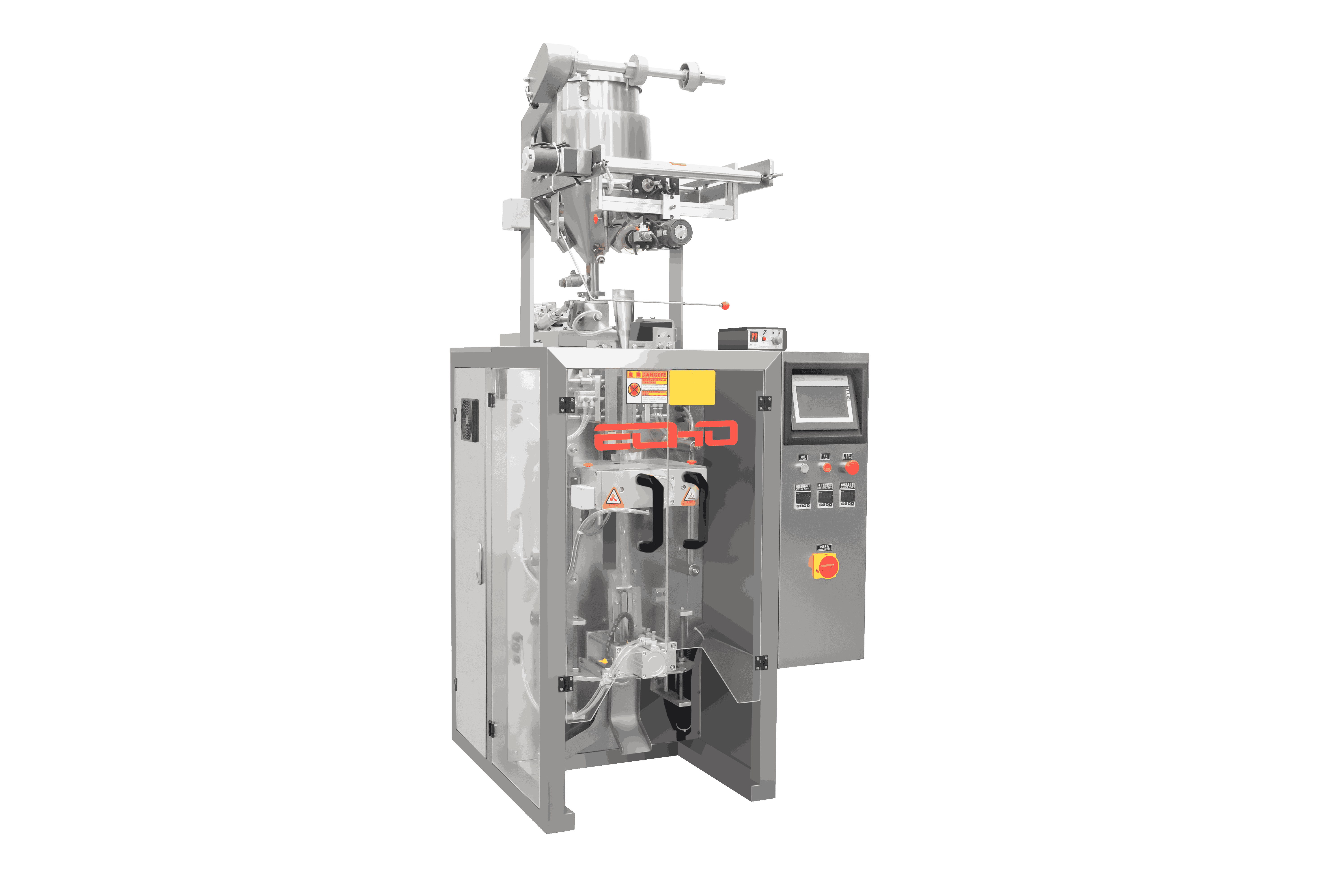
The pack machine landscape has evolved dramatically over the past decade. Modern equipment no longer forces manufacturers to sacrifice one dimension for another. Instead, today's pack machine technology enables operators to configure systems that deliver both high throughput and exceptional accuracy simultaneously. Understanding this capability difference is essential for any organization evaluating pack machine investments or optimizing existing production lines.
Speed in pack machine terminology refers to the number of units processed per minute or hour. Traditional pack machine systems might achieve 30 to 60 cycles per minute, while advanced models reach 150 cycles per minute or higher. Accuracy, conversely, measures how consistently a pack machine delivers products that meet specified weight, dimension, and seal quality standards. A high-accuracy pack machine maintains tolerances within one to two percent, ensuring that regulatory compliance and customer satisfaction remain consistent.
The relationship between these metrics is not strictly inverse. Older pack machine technology required operators to choose: increase pack machine speed and accept wider error margins, or reduce pack machine throughput to maintain tighter quality control. Modern pack machine systems, however, use servo motors, advanced sensors, and real-time feedback mechanisms that allow a pack machine to operate at high speeds while maintaining exceptional accuracy. This fundamental shift has transformed how manufacturers approach pack machine deployment and optimization.
Different industries place different emphasis on pack machine speed versus accuracy. In the pharmaceutical sector, a pack machine must prioritize accuracy and traceability above raw speed, as regulatory bodies require precise dosing and detailed documentation. In contrast, consumer packaged goods manufacturers may emphasize pack machine speed to meet volume demands while maintaining acceptable quality thresholds. Food and beverage companies often require their pack machine to balance both dimensions simultaneously—rapid output is essential for competitiveness, but accuracy directly impacts waste reduction and profitability.
Customer expectations drive pack machine selection criteria. When consumers receive products, they expect consistent quality and proper functionality. A pack machine that sacrifices accuracy to maximize speed creates returns, complaints, and brand damage that far outweigh any marginal throughput gains. Conversely, a pack machine that runs so slowly that it cannot meet market demand loses business to competitors. The optimal pack machine configuration depends entirely on your specific market, product type, and competitive environment.
The critical technical advancement enabling modern pack machine performance is servo motor technology. A pack machine equipped with servo motors can adjust speed and pressure in real-time, responding to environmental variables and product variations instantly. This technology allows a pack machine to maintain accuracy even when operating at maximum speed. Traditional stepper motors, by contrast, cannot provide this level of dynamic control, which is why older pack machine models faced more severe speed-accuracy trade-offs.
Control systems integrated into a pack machine platform process data from multiple sensors simultaneously. These systems enable a pack machine to detect weight variations, detect misaligned pouches, and adjust sealing parameters within milliseconds. When a pack machine encounters a pouch that is slightly off-center, the control system compensates automatically rather than rejecting the unit. This intelligence-driven approach allows a pack machine to achieve higher speeds while simultaneously improving accuracy metrics.
A pack machine's ability to handle diverse materials and environmental conditions significantly impacts the speed-accuracy equation. Different film types, thicknesses, and product viscosities require different pack machine settings. A modern pack machine uses adaptive algorithms that detect material properties and adjust parameters automatically. This capability allows a pack machine to switch between different pouch sizes or film types with minimal manual intervention and zero loss of accuracy.
Environmental factors like humidity, temperature, and static electricity affect how materials behave during the packing process. A sophisticated pack machine monitors these conditions and compensates accordingly. For instance, if ambient humidity increases, a pack machine might adjust seal temperature or dwell time to maintain seal strength. This environmental awareness is what separates high-performance pack machine systems from basic equipment that simply runs at a fixed speed regardless of circumstances.
The first strategic decision involves matching your pack machine capacity to realistic production requirements. Many manufacturers overestimate their need for maximum pack machine speed and underestimate their need for flexibility and accuracy. A pack machine that runs at 70 percent of maximum capacity while maintaining tight accuracy often outperforms a pack machine operating at maximum speed with frequent quality issues. Calculate your actual production volume, factor in seasonal variations, and add a reasonable buffer when selecting your pack machine specifications.
A well-selected pack machine becomes a strategic asset rather than a bottleneck. When your pack machine capacity slightly exceeds your actual requirements, operators can reduce run speed and optimize pack machine accuracy without compromising schedule compliance. This strategy also provides room for product mix variation and unexpected demand spikes. The financial benefit of a properly chosen pack machine often exceeds the savings from purchasing less capable equipment, as the high-accuracy pack machine reduces waste and minimizes rework.
Even the most advanced pack machine requires disciplined maintenance to sustain both speed and accuracy performance. Regular calibration of sensors, verification of servo motor alignment, and inspection of mechanical components are essential. A pack machine that has drifted out of calibration may appear to operate normally while slowly degrading in accuracy. Implementing a preventive maintenance schedule specifically designed for your pack machine model prevents this deterioration and extends equipment lifespan.
Documentation and trend analysis enhance pack machine management. Track pack machine error rates over time, correlate errors with maintenance intervals, and use this data to refine your maintenance approach. When a pack machine begins showing subtle accuracy changes before catastrophic failure, early intervention prevents downtime and waste. Many manufacturers neglect this data-driven approach and only perform maintenance after problems become obvious, at which point pack machine performance has already suffered significantly.
The human element profoundly affects how well a pack machine performs in practice. Operators who understand pack machine capabilities and limitations make better configuration decisions. Training should cover not just how to run the pack machine, but why certain settings affect accuracy, how environmental factors influence results, and when to adjust parameters versus when to stop and investigate problems. A well-trained team extracts maximum value from your pack machine investment.
A pack machine operator facing a choice between increasing speed and maintaining accuracy should know how to use the equipment's diagnostic features to identify the actual constraint. Is accuracy suffering because the pack machine is physically operating beyond its reliable range, or because setup is incorrect? Is speed limited by the pack machine hardware or by upstream feeding systems? These distinctions matter enormously because they determine whether the solution involves equipment upgrades, process redesign, or simply better configuration.
Yes, modern pack machine technology using servo motors and advanced control systems can deliver both high throughput and exceptional accuracy at the same time. The key is selecting equipment designed with this capability and configuring it appropriately for your specific application. Older pack machine technology forced more significant trade-offs, but contemporary systems have largely eliminated this constraint through intelligent automation and real-time feedback.
Prioritize factors aligned with your business objectives: required accuracy tolerances for regulatory or customer satisfaction reasons, actual production volume requirements, material variety your pack machine must handle, and long-term scalability needs. Secondary considerations include maintenance complexity, spare parts availability, operator training requirements, and integration with existing systems. A pack machine that excels in areas you don't actually need wastes resources, so ensure your selection criteria reflect genuine operational constraints rather than marketing specifications.
Most pack machine manufacturers recommend calibration checks every month or after every 500,000 cycles, whichever comes first. However, specific requirements depend on your pack machine model, operational intensity, and environmental conditions. Consult your equipment documentation and establish a maintenance protocol with your pack machine supplier. Monitor pack machine error rates and adjust maintenance frequency if trends indicate performance drift. Proactive maintenance prevents costly downtime and ensures your pack machine maintains both speed and accuracy throughout its operational life.

2026/09/20
Premade Pouch Machines: Reduce Film Waste, Cut TCO & Achieve Faster ROI

2026/09/20
Cut Premade Pouch Machine Changeover Time by 40% with Proven Best Practices

2026/09/20
Premade Pouch Machines: Boost Throughput, Cut Waste & Improve ROI

2026/09/20
Rotary vs Inline Premade Pouch Machines: Speed, ROI & Scalability Compared

2026/09/20
Premade Pouch Machine: Boost Throughput, Cut Labor Costs & Improve Seal Integrity

2026/09/21
Premade Pouch Machine: Pouch Types, Materials & Filling Guide

