 EN
How to Reduce Film Waste with a Premade Pouch Packaging Machine?
2026/09/20
Premade Pouch Machines: Reduce Film Waste, Cut TCO & Achieve Faster ROI

2026/10/07
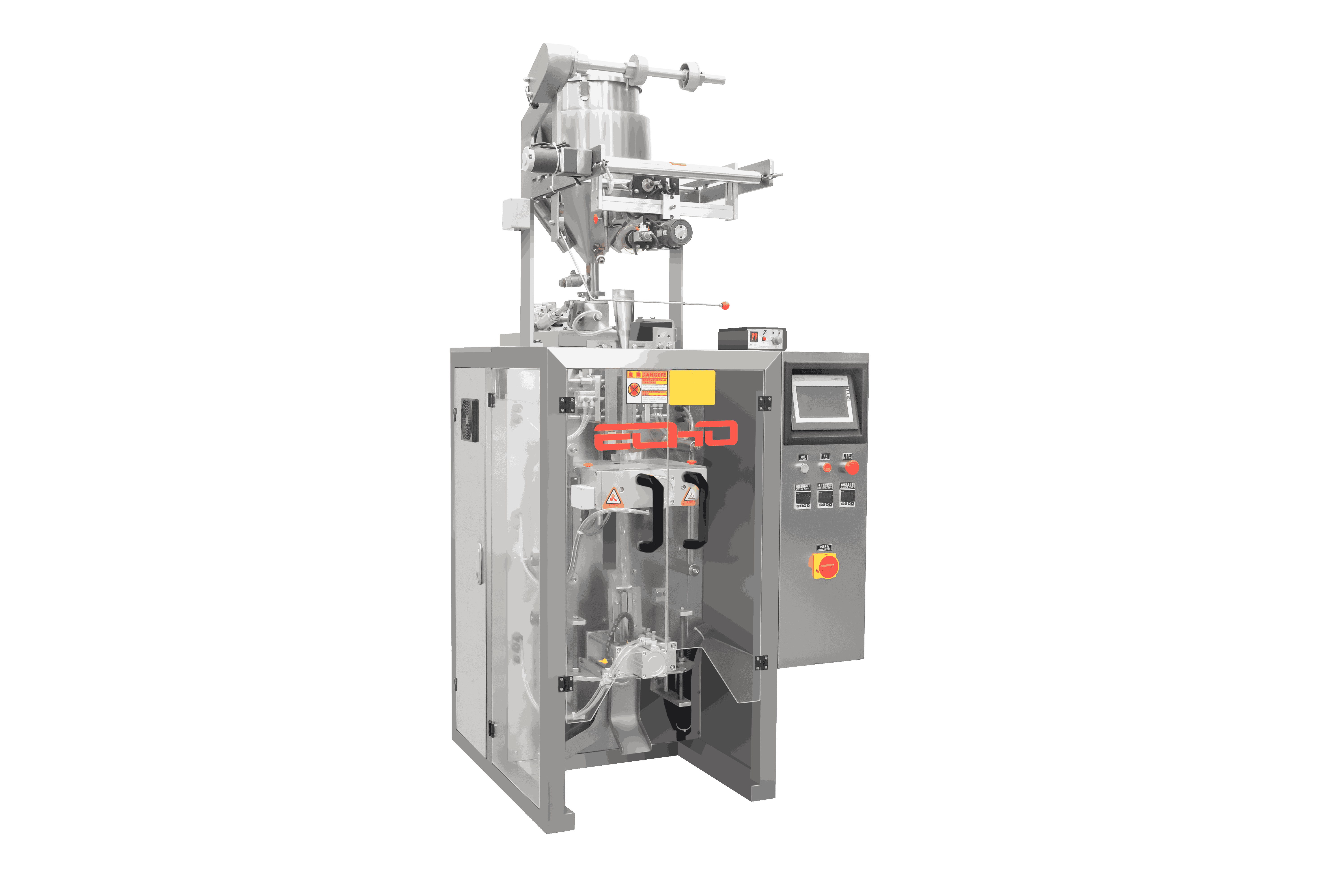
The choice between a packing machine designed for granules and one engineered for powders represents one of the most critical decisions in packaging operations. While both types serve the fundamental purpose of automating the packaging process, the underlying mechanisms, material handling characteristics, and technical specifications differ significantly. Understanding these differences ensures that your manufacturing facility operates efficiently, maintains product quality, and meets production targets without costly equipment mismatches or operational delays.
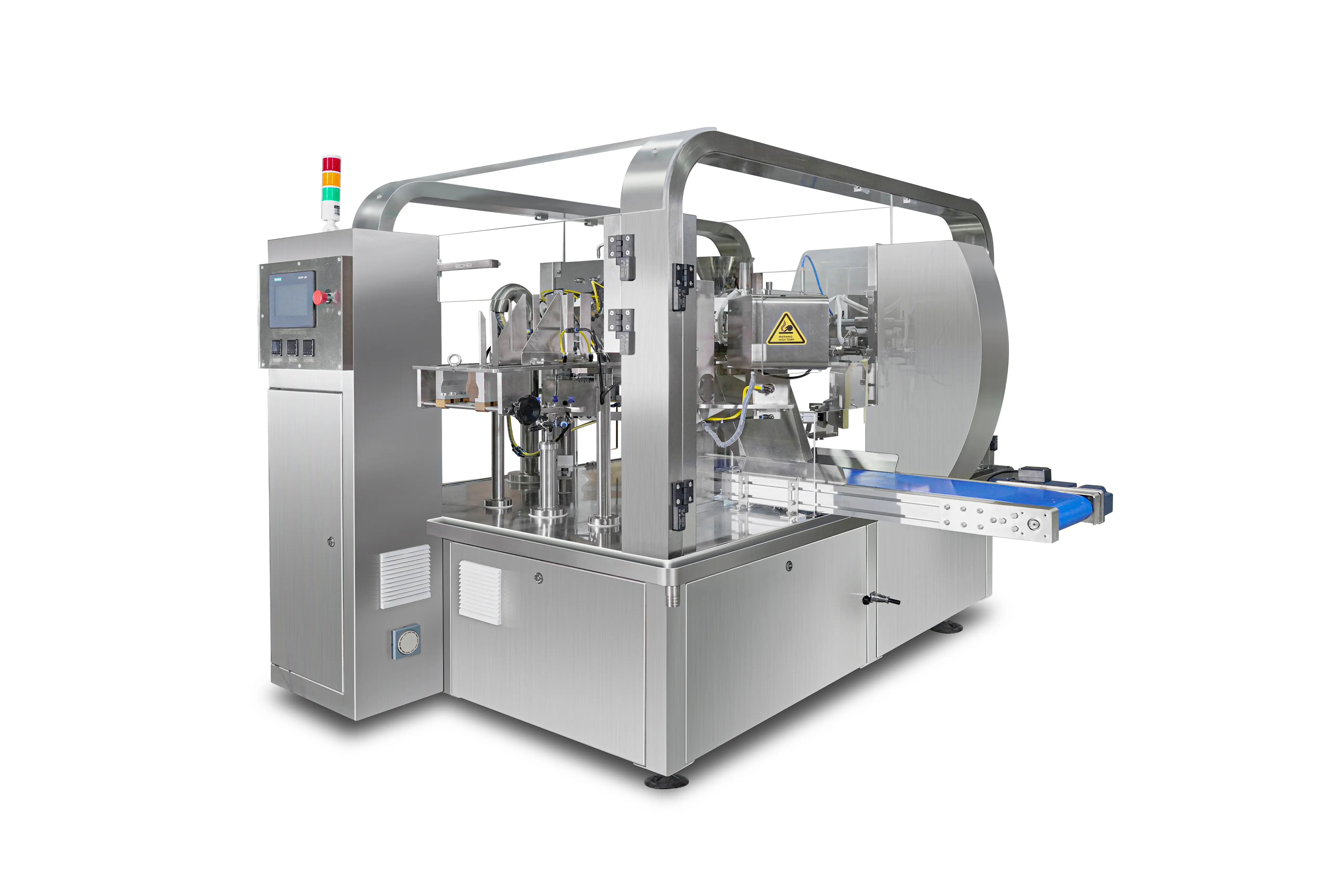
A packing machine optimized for one material category may perform poorly with another, leading to inaccurate fills, product spillage, equipment jams, or extended downtime. The granule packing machine architecture emphasizes gravity flow and volumetric measurement, while the powder packing machine requires advanced dust control, electrostatic considerations, and precision weight-based systems. This comprehensive guide explores the fundamental distinctions, helping you select the optimal packing machine configuration for your specific material and production requirements.
Granules represent discrete, individual particles with measurable size, typically ranging from a few millimeters to larger dimensions depending on the material. A packing machine built for granules leverages gravitational flow and particle rolling dynamics. The packing machine design incorporates wider openings in hoppers and feed systems because granules move freely through these pathways without cohesion. The flowability of granules allows the packing machine to use simpler mechanical components, such as rotating cups or volumetric screws, to achieve consistent fill weights without sophisticated sensors or real-time adjustments.
Powders consist of fine particles with significantly higher surface-area-to-volume ratios, creating complex intermolecular forces that affect flow behavior. A packing machine designed for powders must address cohesion, bridging, and aeration challenges that granule packing machine equipment does not encounter. The powder packing machine typically incorporates vibration systems, air injection mechanisms, and electrostatic dissipation features to maintain consistent material flow. Many powder packing machine models use weight-based measurement systems rather than volumetric approaches, ensuring accuracy despite material density fluctuations caused by moisture or settling.
A granule packing machine commonly employs volumetric filling methods where a fixed volume of material corresponds to a consistent weight for granular products. This approach works effectively because granules maintain relatively uniform density and flow patterns. The packing machine operator can program specific cup sizes or rotations to dispense predetermined quantities without weight verification for each cycle. This design simplification reduces the complexity and cost of granule packing machine systems while maintaining acceptable accuracy for many industrial applications, including seeds, grains, fertilizers, and similar bulk materials.
A powder packing machine relies on gravimetric or weight-based systems to ensure fill accuracy, incorporating load cells and real-time feedback mechanisms. Because powder density varies with moisture content, temperature, and settling time, the powder packing machine cannot depend solely on volumetric measurement. The packing machine continuously monitors the actual weight of material dispensed and adjusts feed rates to maintain target fill specifications. This precision-oriented approach requires more sophisticated electronics, calibration protocols, and maintenance routines, but it provides superior accuracy for high-value powder products such as pharmaceuticals, specialty chemicals, and food additives where regulatory compliance and batch consistency are essential.
Powder materials generate substantially more airborne dust during handling, measurement, and packaging compared to granular materials. A powder packing machine must incorporate integrated dust collection systems, sealed hoppers, and controlled atmosphere features to protect operator safety and meet occupational exposure limits. The packing machine design often includes recovery systems that capture escaped powder and return it to the hopper or collection vessel, minimizing product loss and environmental emissions. Advanced powder packing machine models integrate electrostatic dissipation pathways because fine particles can accumulate static charge, creating explosion hazards in certain environments such as food processing or chemical manufacturing facilities.
A granule packing machine generates minimal airborne dust because particles are larger and heavier, settling rapidly without becoming suspended in air. This characteristic simplifies granule packing machine design and reduces the need for extensive dust collection infrastructure. Operators working with granule packing machine equipment face lower inhalation exposure, and facility ambient air quality remains stable during extended packaging runs. The simplified environmental management associated with granule packing machine systems reduces both capital investment and ongoing operational costs, making these packing machine configurations suitable for facilities with limited environmental control infrastructure.
In theory, dual-capability packing machine designs exist, but practical limitations make this approach problematic. A packing machine optimized for powder operation includes weight sensors, dust collection, and fine-flow controls that remain overkill for simple granule applications. Conversely, a granule packing machine typically lacks the measurement precision required for powder accuracy. Most facilities find that dedicated packing machine equipment for each material category delivers better reliability, easier maintenance, faster changeovers, and superior fill consistency than attempting to manage multi-material packing machine flexibility on a single system.
The primary factor is your material type and its physical properties. Evaluate whether your product exhibits free-flowing characteristics typical of granules or whether cohesion and density variation suggest a powder packing machine investment. Secondary considerations include production volume, required fill accuracy, regulatory requirements, available facility space for dust control systems, and budget allocation. For high-volume applications with strict accuracy demands, a powder packing machine investment justifies the added cost and complexity. For cost-sensitive bulk operations with moderate accuracy tolerances, a granule packing machine delivers appropriate performance without unnecessary infrastructure.
Moisture content significantly influences material flowability and density, making it a critical selection parameter for packing machine choice. Granules with low moisture typically flow freely and work well with standard granule packing machine configurations. However, if your granule material absorbs atmospheric moisture or tends toward clumping, upgrading to a packing machine with vibration assistance or aeration features becomes prudent. Powder materials with elevated moisture require specialized packing machine equipment with humidity sensors and dynamic density compensation. Always conduct material flow testing with your specific product before finalizing a packing machine purchase to ensure optimal performance and long-term reliability.

2026/09/20
Premade Pouch Machines: Reduce Film Waste, Cut TCO & Achieve Faster ROI

2026/09/20
Cut Premade Pouch Machine Changeover Time by 40% with Proven Best Practices

2026/09/20
Premade Pouch Machines: Boost Throughput, Cut Waste & Improve ROI

2026/09/20
Rotary vs Inline Premade Pouch Machines: Speed, ROI & Scalability Compared

2026/09/20
Premade Pouch Machine: Boost Throughput, Cut Labor Costs & Improve Seal Integrity

2026/09/21
Premade Pouch Machine: Pouch Types, Materials & Filling Guide

