 EN
How to Reduce Film Waste with a Premade Pouch Packaging Machine?
2026/09/20
Premade Pouch Machines: Reduce Film Waste, Cut TCO & Achieve Faster ROI

2026/10/16
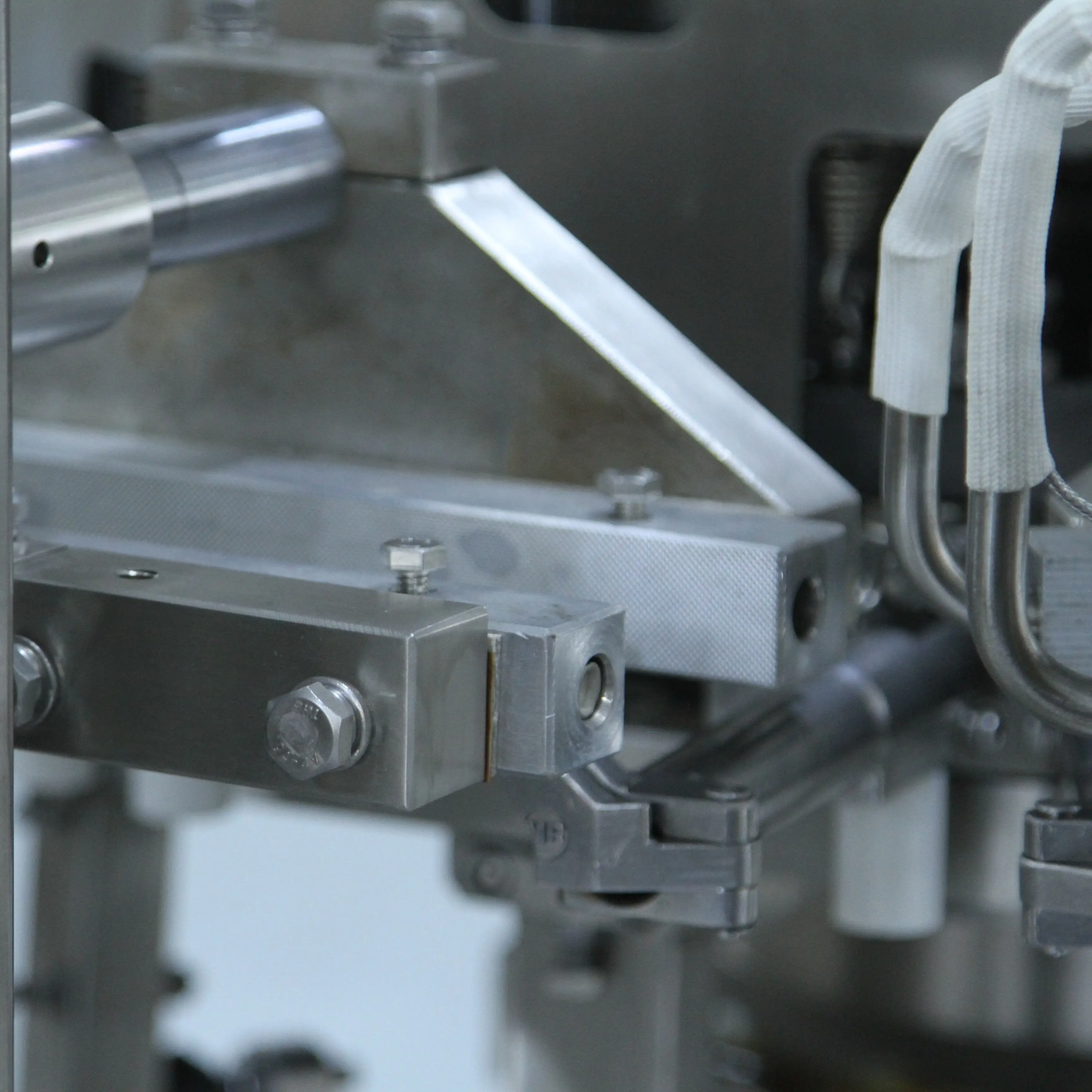
Selecting the right pillow packing machine for soap production requires careful evaluation of multiple factors that directly impact your manufacturing efficiency, product quality, and operational costs. A pillow packing machine is not simply a piece of equipment—it is a critical investment that shapes your entire packaging workflow, from product handling through final sealed output. Understanding what makes one pillow packing machine suitable for your operation versus another will help you avoid costly mistakes and optimize your soap packaging process.
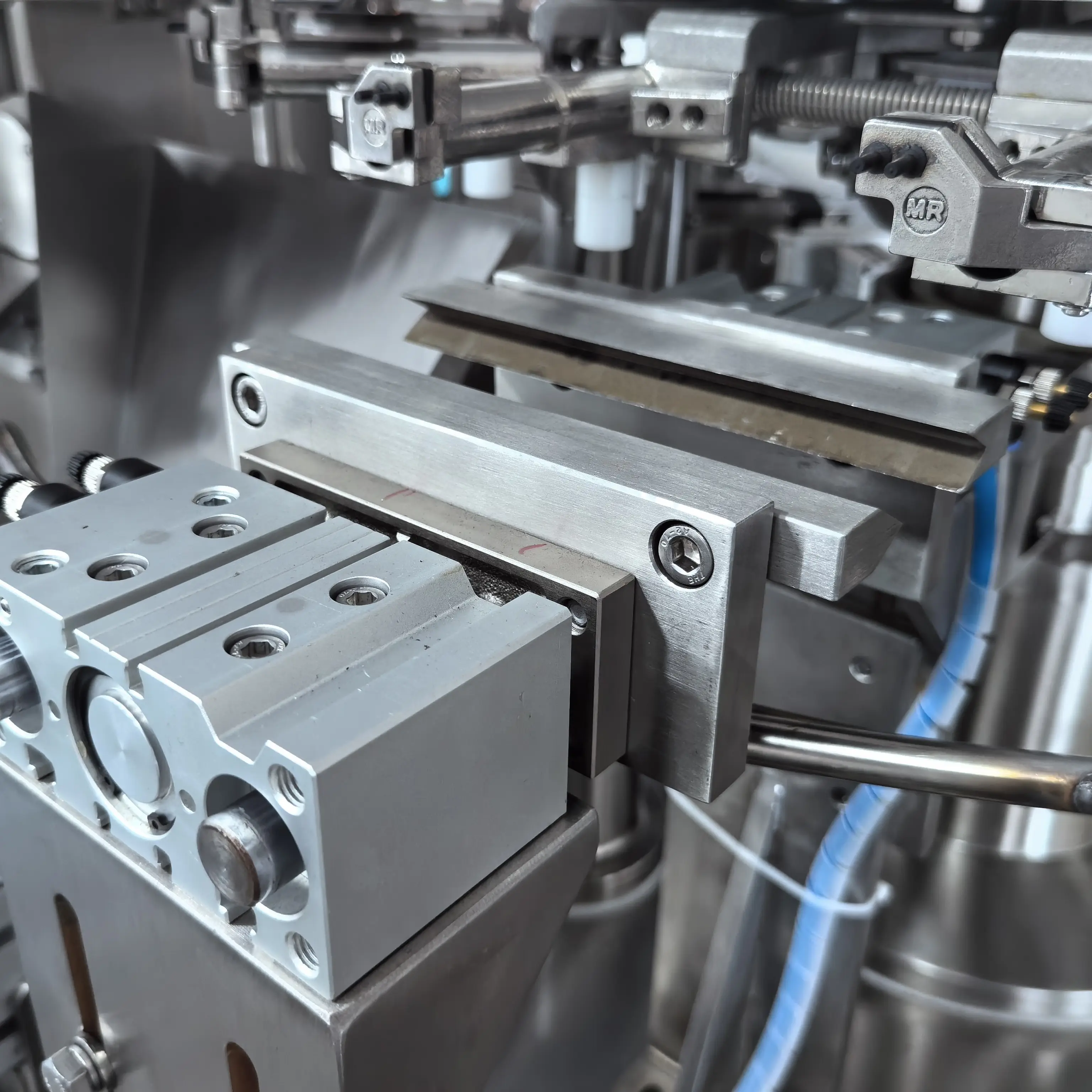
The soap industry has evolved significantly, and modern pillow packing machine technology now offers automation levels, speed capabilities, and customization options that were unavailable just a few years ago. Whether you operate a small artisanal soap business or a large-scale manufacturing facility, the choice of pillow packing machine will influence your throughput, waste rates, product presentation, and competitive positioning. This guide walks you through the essential considerations that should guide your selection process.
Production capacity is perhaps the most foundational consideration when evaluating a pillow packing machine for your soap business. The speed of a pillow packing machine is typically measured in packages per minute, and this metric must align closely with your current production volume and anticipated growth over the next three to five years. If you select a pillow packing machine that operates significantly below your actual speed requirements, you will create bottlenecks that slow overall output and waste floor space with underutilized equipment.
Conversely, purchasing a pillow packing machine with excessive capacity relative to your needs results in unnecessary capital expenditure and higher operational costs than your business truly requires. A properly sized pillow packing machine should operate in its optimal efficiency zone, typically around 70 to 85 percent of maximum rated speed, allowing room for minor fluctuations and maintenance windows without compromising daily production targets. Consider your current soap production volume, seasonal demand patterns, and realistic expansion plans before committing to a specific pillow packing machine model or speed rating.
Modern pillow packing machine designs increasingly offer modular architectures and adjustable parameters that allow manufacturers to modify speed, film width, and seal patterns without requiring complete equipment replacement. This flexibility is particularly valuable in the soap industry, where product sizes, film types, and branding requirements may evolve or vary across different product lines. Investing in a pillow packing machine with built-in scalability means you can adapt to market changes, introduce new soap varieties, or increase production without abandoning your existing equipment investment.
The type of film your pillow packing machine can process directly affects the appearance, protection, and shelf appeal of your finished soap products. A pillow packing machine must be compatible with the specific film materials you intend to use, whether that means polypropylene, polyethylene, specialty coated films, or biodegradable alternatives. Different film materials have varying thickness ranges, heat-sealing characteristics, and handling properties, and your pillow packing machine must be calibrated and equipped to process these materials reliably without frequent jams, seal failures, or quality defects.
The quality of seals produced by your pillow packing machine is non-negotiable, as weak seals lead to moisture ingress, product deterioration, and customer dissatisfaction. When evaluating potential equipment, request sample packaging runs on your intended film materials and inspect seal strength, dimensional consistency, and overall aesthetic quality. A pillow packing machine that delivers clean, strong seals at production speed demonstrates the precision engineering necessary for consistent, professional results across your entire soap product line.
If your soap packaging includes printed graphics, logos, or text, your pillow packing machine must offer reliable print registration that maintains consistent alignment as it feeds and seals film continuously. Some pillow packing machine models include integrated print registration sensors and adjustment mechanisms that automatically correct minor variations, while others require manual setup and are more suitable for simpler packaging designs. Assess your branding complexity and printing requirements, then select a pillow packing machine with adequate registration precision to support your product positioning and brand standards.
A pillow packing machine with an intuitive control system reduces training time, minimizes operator errors, and allows faster adjustments when changing between different soap products or packaging formats. Modern pillow packing machine interfaces typically feature touchscreen displays, preset program storage, and diagnostic capabilities that help operators troubleshoot issues without requiring specialist technicians. Consider your staff's technical comfort level and the complexity of your product variety when evaluating the control interface of any pillow packing machine under consideration.
The ability to store multiple job setups in your pillow packing machine's memory means switching between different soap sizes or film widths requires only recalling a saved program rather than manually re-entering all parameters. This functionality streamlines changeovers, reduces downtime, and increases overall production flexibility. An accessible, logical interface on your pillow packing machine also contributes to operator confidence and reduces the risk of costly mistakes during equipment operation.
Maintenance requirements for your pillow packing machine should be clearly documented, with readily available replacement parts and accessible service points for routine tasks like blade replacement, seal bar cleaning, and film guide adjustment. Equipment downtime directly reduces your packaging output and can disrupt your entire production schedule, so selecting a pillow packing machine from a manufacturer with strong technical support and reliable parts availability is essential for long-term operational stability.
Before finalizing your pillow packing machine purchase, confirm that the manufacturer or distributor offers comprehensive training, accessible documentation, responsive technical support, and genuine parts availability in your region. A pillow packing machine is only as valuable as your ability to keep it operating efficiently, and poor support infrastructure can transform an otherwise suitable machine into a costly liability. Establish clear expectations regarding response times, support channels, and spare parts inventory before signing any equipment contract.
The total cost of ownership for a pillow packing machine extends far beyond the initial purchase price and includes installation, training, maintenance, consumables like film and sealing components, and electricity consumption. When comparing pillow packing machine options, evaluate the complete financial picture rather than focusing solely on equipment cost. A more expensive pillow packing machine with superior reliability, lower film waste, faster cycle times, and longer service intervals may deliver significantly better long-term value than a cheaper alternative with higher operating costs and frequent maintenance interruptions.
Calculate your projected return on investment timeline by comparing labor savings, waste reduction, and increased throughput against total equipment and installation costs. Most well-selected pillow packing machine investments should demonstrate clear ROI within 18 to 36 months, depending on your production volume and existing labor costs. If a pillow packing machine requires a longer payback period, reassess whether the speed, reliability, and quality improvements actually justify the capital expenditure for your specific business circumstances.
The ideal speed for a pillow packing machine depends on your production volume, but most soap manufacturers benefit from equipment rated between 30 and 150 packages per minute. Select a pillow packing machine capable of exceeding your required output by approximately 20 to 30 percent, allowing room for setup time, maintenance, and minor operational adjustments without bottlenecking your overall production schedule.
Modern pillow packing machine designs typically accommodate various soap dimensions through adjustable film width guides, modifiable seal parameters, and programmable cycle settings. However, extremely different product sizes may require new tooling or product guides, so confirm compatibility with all your soap product sizes before purchasing. A flexible pillow packing machine should transition between your standard product variants with only quick parameter adjustments rather than requiring complete mechanical reconfiguration.
Film waste significantly impacts your long-term operating costs, so a pillow packing machine with precise film feeding, minimal startup waste, and reliable seal consistency is genuinely important to your profitability. High-quality pillow packing machine engineering typically reduces film waste by 5 to 15 percent compared to older or less sophisticated equipment. Over time, waste reduction from a superior pillow packing machine often justifies the higher initial investment through measurable savings on consumable film costs.

2026/09/20
Premade Pouch Machines: Reduce Film Waste, Cut TCO & Achieve Faster ROI

2026/09/20
Cut Premade Pouch Machine Changeover Time by 40% with Proven Best Practices

2026/09/20
Premade Pouch Machines: Boost Throughput, Cut Waste & Improve ROI

2026/09/20
Rotary vs Inline Premade Pouch Machines: Speed, ROI & Scalability Compared

2026/09/20
Premade Pouch Machine: Boost Throughput, Cut Labor Costs & Improve Seal Integrity

2026/09/21
Premade Pouch Machine: Pouch Types, Materials & Filling Guide

