 EN
How to Reduce Film Waste with a Premade Pouch Packaging Machine?
2026/09/20
Premade Pouch Machines: Reduce Film Waste, Cut TCO & Achieve Faster ROI

2026/10/15
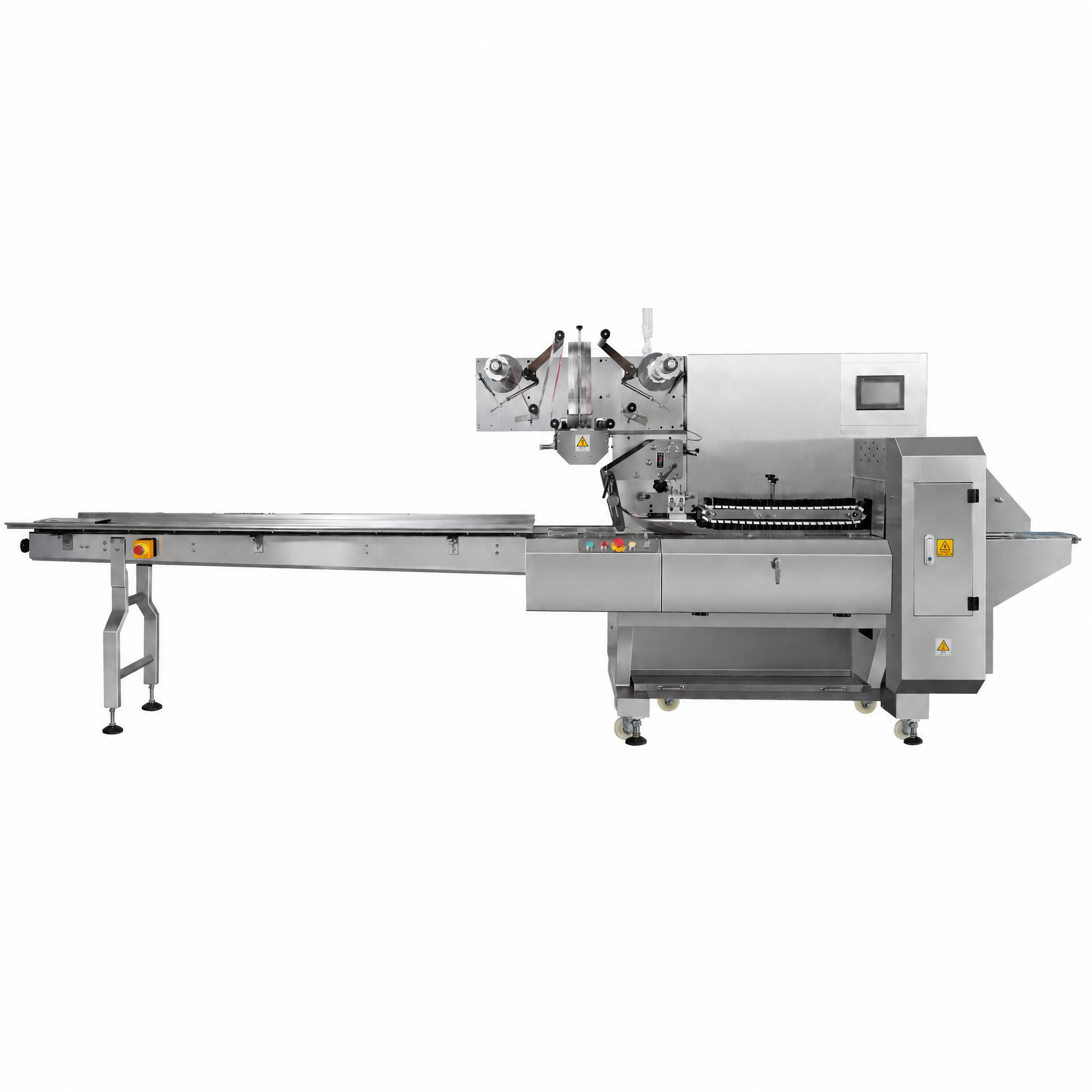
A pillow packing machine and a flow wrap machine represent two distinct approaches to modern packaging automation, yet their differences often confuse manufacturers and packaging professionals. Understanding how a pillow packing machine operates versus flow wrap technology is essential when selecting the right equipment for your production line. While both technologies automate the packaging process and improve efficiency, they function through fundamentally different mechanisms, serve different product categories, and offer distinct advantages depending on your specific operational requirements.
The choice between a pillow packing machine and flow wrap equipment directly impacts your packaging speed, product quality, material costs, and overall production efficiency. Both technologies are widely used across food, pharmaceutical, and industrial sectors, but each excels in specific applications. This guide examines the core operational differences, technical specifications, material handling capabilities, and practical business implications of each packaging method to help you make an informed equipment decision.
A pillow packing machine creates a distinctive 'pillow' shape by wrapping flexible film around a product from both sides simultaneously, then sealing the longitudinal edges. The film is pulled from two separate supply rolls positioned above and below the product conveyor, creating a wrapping pattern that resembles a pillow or envelope. The pillow packing machine feeds the product continuously onto the film, wraps it completely, and performs cross-web seals at both ends using heat or ultrasonic technology. This sealing method is highly efficient for smaller to medium-sized products and ensures complete film coverage around the entire product circumference.
A flow wrap machine, also called horizontal form-fill-seal (HFFS) equipment, operates by pulling a single continuous film strip from a primary roll, forming it into a tube shape around the moving product, and then sealing the longitudinal edge where the film overlaps. The film is fed horizontally along a forming collar that guides the film into a tube configuration, with the product moving through the center of this tube. The pillow packing machine approach differs because it uses dual-film technology, whereas flow wrap uses a single film source that self-forms around the product. Cross-web seals are applied at predetermined intervals to create individual packages, making flow wrap ideal for high-speed production environments requiring rapid packaging cycles.
A pillow packing machine requires two coordinated film supplies running simultaneously, one positioned above and one below the product path. This dual-film approach can increase material costs compared to single-film technologies because you must manage two separate film rolls, accounting, and waste management processes. The pillow packing machine's dual-film design allows for greater flexibility in material composition, as each film layer can be different materials, gauges, or even printed designs. Conversely, flow wrap equipment uses a single continuous film roll that wraps around the product in one motion, reducing material inventory complexity and tracking overhead.
A pillow packing machine creates symmetrical longitudinal seals on both sides of the wrapped package, offering balanced structural integrity and aesthetic appeal. Products packaged by a pillow packing machine display centered seals that create a visually uniform appearance, which many consumers prefer for shelf presentation. Flow wrap machines create a single overlapping seal line along one side of the package, which is equally structurally sound but creates an asymmetrical visual appearance. The pillow packing machine's dual-seal approach can provide enhanced barrier protection because two separate seal lines reduce the likelihood of a single-point seal failure, whereas flow wrap relies on one primary longitudinal seal and cross-web seals for package integrity.
Flow wrap machines generally achieve higher packaging speeds than pillow packing equipment, often reaching 200 to 400 packages per minute depending on product size and film type. A pillow packing machine typically operates at 100 to 250 packages per minute due to the complexity of coordinating dual-film feeds and multiple simultaneous seal operations. For high-volume production environments requiring maximum throughput, flow wrap technology delivers superior speed performance. However, a pillow packing machine excels when consistent seal quality and product presentation are prioritized over absolute speed, making it ideal for premium packaged goods where aesthetic appeal directly influences consumer purchasing decisions.
A pillow packing machine performs exceptionally well for packaging smaller items such as baked goods, cookies, crackers, snacks, confectionery, pharmaceutical tablets, and small industrial components. The pillow packing machine's wrapping capability creates a protective envelope around products, providing excellent barrier properties and product visibility through the transparent film. Food manufacturers favor a pillow packing machine for products requiring extended shelf visibility and premium presentation. Flow wrap technology better suits elongated products like chocolate bars, soap bars, bottles, and larger items where the product naturally feeds through a horizontal tunnel configuration. Understanding whether your products match the pillow packing machine profile or flow wrap profile is crucial for equipment selection, as choosing the wrong technology can result in poor package quality, excessive downtime, or inefficient production.
A pillow packing machine typically requires more lateral space on the production line because of dual-film supply rolls positioned on both sides of the product conveyor path. The overhead space must accommodate two separate film tensioning systems, creating a wider machine footprint than flow wrap equipment. Flow wrap machines are often more compact horizontally because they consolidate film management into a single supply position. When planning production line layout and factory space allocation, a pillow packing machine's spatial requirements should be evaluated against available facility dimensions and potential product throughput gains that justify the larger equipment footprint.
Maintaining a pillow packing machine requires technicians to understand dual-film tension control, synchronization between top and bottom film paths, and coordinated seal timing across multiple zones. A pillow packing machine's complexity demands more intensive staff training and preventive maintenance scheduling. Flow wrap equipment generally requires less complex operational oversight because single-film management eliminates synchronization challenges. For facilities with limited technical expertise or maintenance staffing, flow wrap equipment may present lower operational risk. Conversely, if your team possesses advanced packaging equipment expertise, a pillow packing machine's sophisticated capabilities can be leveraged for superior package quality and product differentiation.
A pillow packing machine excels at packaging smaller, lightweight items including snack foods, baked goods, confectionery, pharmaceutical tablets, and small consumer goods. The pillow packing machine creates an attractive, symmetrical package presentation that enhances shelf appeal. Products that benefit from complete 360-degree film wrapping and premium visual presentation are ideal candidates for a pillow packing machine. Manufacturers seeking to differentiate their products through elegant packaging often select a pillow packing machine over flow wrap equipment.
A pillow packing machine can accommodate modest size variations through adjustable film feeding systems and product positioning mechanisms, but significant size changes require manual adjustments or mechanical reconfiguration. A pillow packing machine performs optimally when packaging products of consistent dimensions. Flow wrap equipment typically offers superior flexibility for handling diverse product sizes because the forming collar can adapt to different product widths more readily. If your production requires frequent product line changes or packaging multiple sizes simultaneously, flow wrap technology may provide better operational flexibility than a pillow packing machine.
Both a pillow packing machine and flow wrap equipment can provide excellent barrier protection when using appropriate film materials such as metallized films or multi-layer structures. A pillow packing machine's dual-seal configuration may offer marginal advantages for extremely sensitive products requiring maximum moisture and oxygen barrier protection. The pillow packing machine creates two independent longitudinal seals, while flow wrap creates one, potentially providing redundancy. For pharmaceutical products, high-value goods, or items sensitive to environmental degradation, either technology can be specified with advanced barrier films to ensure product integrity throughout shelf life.

2026/09/20
Premade Pouch Machines: Reduce Film Waste, Cut TCO & Achieve Faster ROI

2026/09/20
Cut Premade Pouch Machine Changeover Time by 40% with Proven Best Practices

2026/09/20
Premade Pouch Machines: Boost Throughput, Cut Waste & Improve ROI

2026/09/20
Rotary vs Inline Premade Pouch Machines: Speed, ROI & Scalability Compared

2026/09/20
Premade Pouch Machine: Boost Throughput, Cut Labor Costs & Improve Seal Integrity

2026/09/21
Premade Pouch Machine: Pouch Types, Materials & Filling Guide

