 EN
How to Reduce Film Waste with a Premade Pouch Packaging Machine?
2026/09/20
Premade Pouch Machines: Reduce Film Waste, Cut TCO & Achieve Faster ROI

2026/10/15
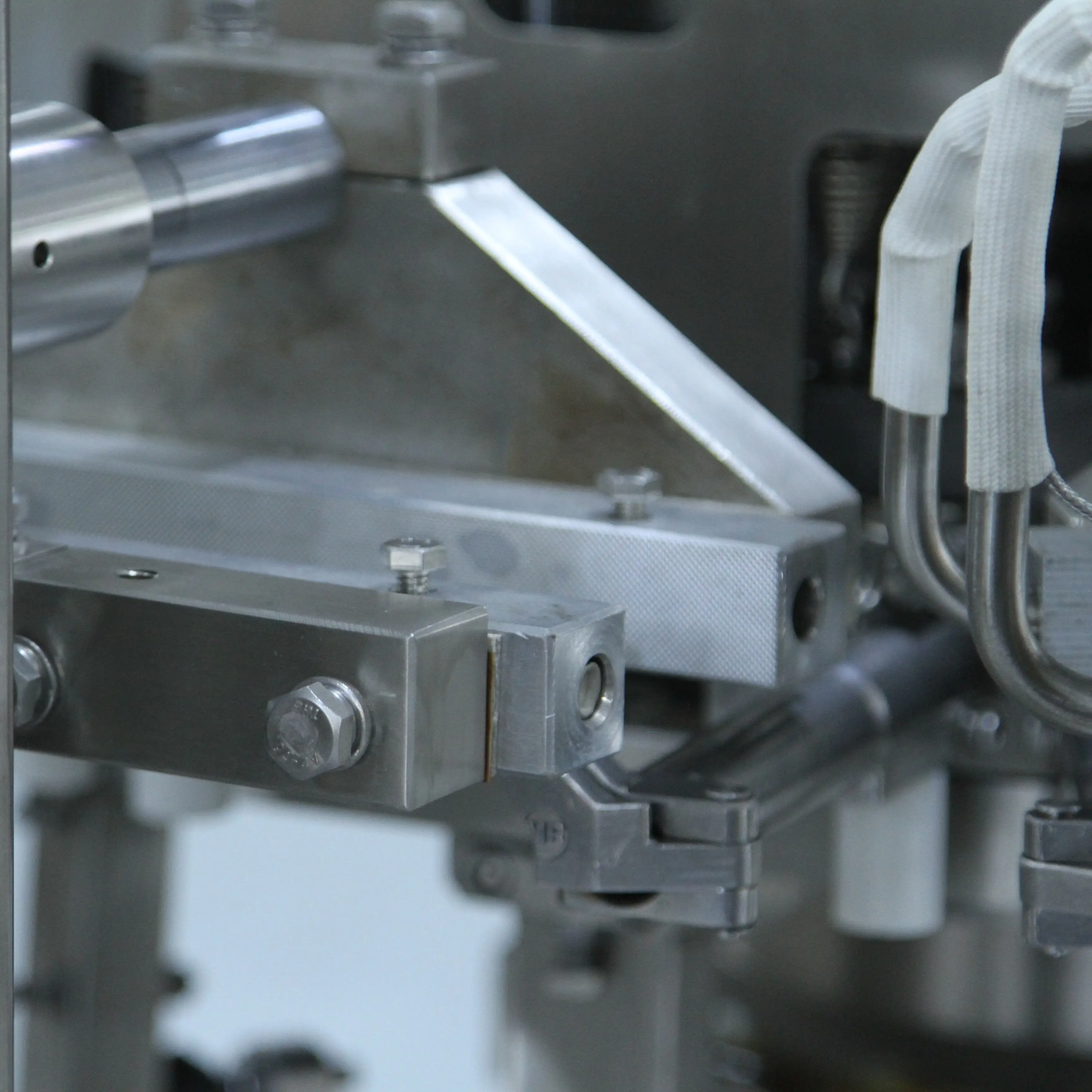
Selecting the right packaging equipment is one of the most critical decisions a manufacturing operation can make. Whether you're packaging snacks, beverages, powders, or other products, the choice between a pillow packing machine and a vertical form fill seal (VFFS) system directly impacts production efficiency, product quality, and operational costs. Both technologies dominate the packaging industry, yet they serve distinctly different purposes and excel in different scenarios. Understanding the strengths and limitations of each approach is essential for making an informed investment that aligns with your product specifications, production volume, and long-term business goals.
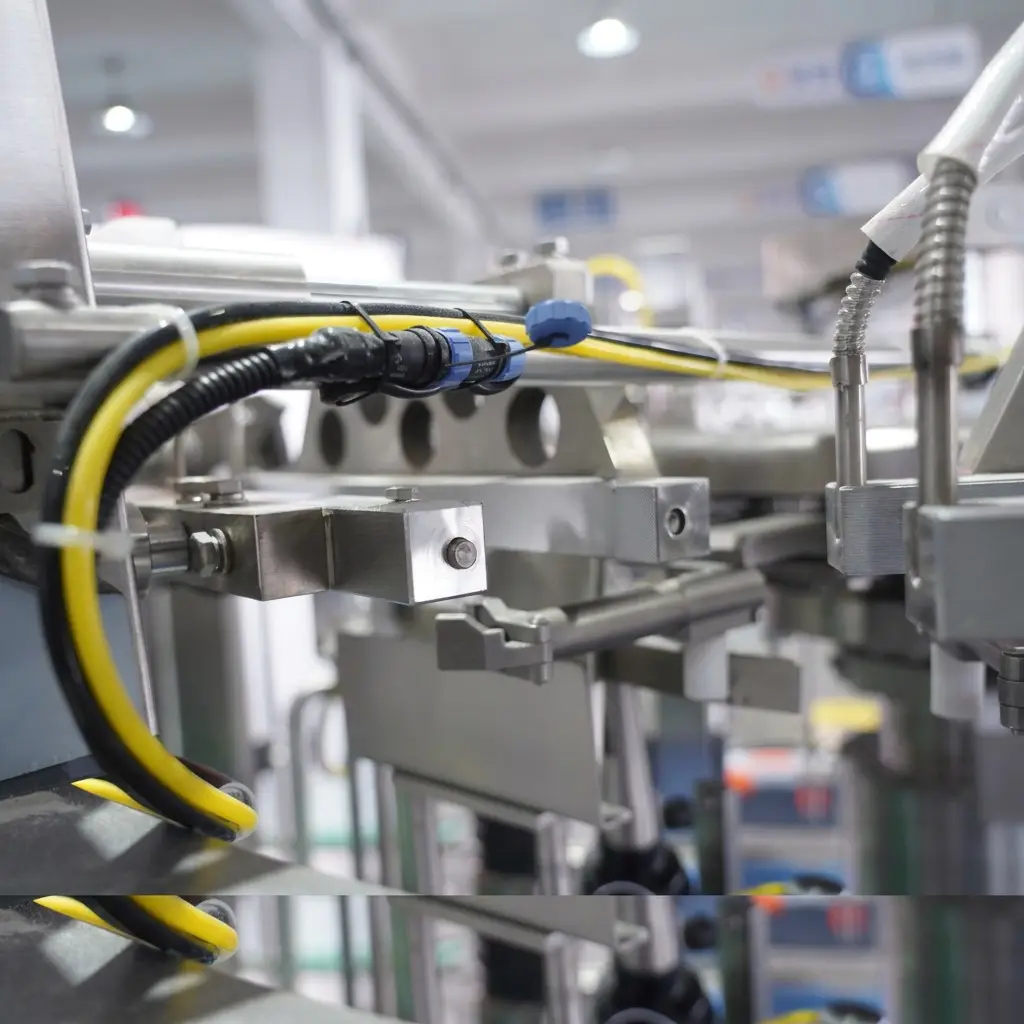
A pillow packing machine creates flexible, self-contained pouches by folding and sealing film around your product, resulting in the familiar pillow-shaped packages seen on grocery shelves worldwide. In contrast, VFFS technology forms, fills, and seals packages vertically from a single continuous roll of film, offering automation capabilities and precise control over package dimensions. This guide explores both technologies in depth, helping you understand when a pillow packing machine is the optimal choice and when VFFS machinery becomes the better investment.
A pillow packing machine works by taking a pre-made pouch or forming one from a flat film roll, inserting your product, and then sealing the edges to create the characteristic pillow shape. The process is straightforward: the pillow packing machine positions the product, applies film around it, and uses heat and pressure to bond the edges together. This simplicity makes a pillow packing machine accessible for businesses of various sizes, from small operations to large manufacturers. The horizontal orientation of most pillow packing machine models means products feed naturally through the system, requiring minimal complex mechanical adjustments between product changes.
The primary strength of a pillow packing machine lies in its versatility and flexibility. A pillow packing machine handles irregular shapes, varying product sizes, and delicate items that might be damaged by vertical conveyor systems. Setup time for a new product is typically shorter with a pillow packing machine compared to VFFS, since the pillow packing machine doesn't require precise film tension calibration or complex dimensional programming. The material waste associated with a pillow packing machine is often lower because the film wraps tightly around the actual product without excess. For businesses needing to package diverse products with frequent changeovers, a pillow packing machine offers operational flexibility that supports mixed-SKU production runs efficiently.
VFFS technology represents the automated backbone of high-volume packaging operations worldwide. A VFFS system continuously forms packets from a single film roll, filling each package precisely, and sealing it before the next cycle begins. Unlike a pillow packing machine that wraps around an existing product, a VFFS works by creating the pouch shape first, then inserting the product with metered accuracy. This fundamental difference means VFFS excels at consistent portion control and high-speed repeatability. Modern VFFS equipment, such as advanced pillow packing machine alternatives that employ vertical form fill seal methodology, combines the efficiency of VFFS with enhanced flexibility for diverse packaging formats.
VFFS becomes the preferred choice when production volumes exceed several hundred packages per hour and product consistency is paramount. A pillow packing machine may struggle to match the speed and precision that VFFS delivers during high-volume runs. VFFS systems integrate multiple functionalities including nitrogen flushing, multi-lane capability, and integrated weighing systems that a traditional pillow packing machine cannot replicate. For powders, granules, and liquids requiring precise portion control, VFFS offers measurement accuracy that surpasses what a pillow packing machine can achieve. The advanced automation inherent in VFFS means labor requirements drop significantly compared to semi-automatic pillow packing machine operation, reducing per-unit packaging costs at scale.
Speed is often the first metric considered when comparing a pillow packing machine against VFFS. A typical pillow packing machine operates at 20 to 60 cycles per minute, while VFFS systems frequently exceed 100 cycles per minute, sometimes reaching 300 or more depending on product type and package complexity. However, a pillow packing machine excels when you need rapid format changeovers without extensive recalibration. Capital investment differs significantly: a pillow packing machine typically costs less upfront than a VFFS system of equivalent output, making a pillow packing machine the practical entry point for emerging businesses. Operational costs tell a more nuanced story. A pillow packing machine may require more labor for loading products and managing film, while VFFS requires higher energy consumption and more sophisticated maintenance protocols. For low-to-medium volume operations, a pillow packing machine often delivers better return on investment; for volumes exceeding 500,000 units annually, VFFS typically becomes economically advantageous.
Product characteristics fundamentally determine whether a pillow packing machine or VFFS is appropriate. A pillow packing machine handles fragile items, products with irregular shapes, and items that cannot tolerate the downward pressure or motion present in some VFFS configurations. Specialty products like cookies, confections, or pre-fabricated items package exceptionally well on a pillow packing machine. Conversely, VFFS excels with powders, granules, liquids, and items requiring exact portion weights. A pillow packing machine offers single-lane simplicity, while VFFS provides multi-lane options for families of similar products. Material choice also differs: a pillow packing machine typically uses pre-formed pouches or film, while VFFS demands continuous roll film with precise specifications. Understanding your product's physical and chemical properties is essential before deciding between a pillow packing machine and VFFS technology.
A pillow packing machine is best suited for medium-volume operations rather than ultra-high-speed lines. While modern pillow packing machine designs achieve speeds up to 60 cycles per minute, VFFS systems consistently outpace them at 100+ cycles per minute. A pillow packing machine remains excellent for operations producing 50,000 to 500,000 units monthly, but VFFS becomes more cost-effective beyond that threshold. If your production exceeds several million units annually, a pillow packing machine alone may not meet throughput demands without adding multiple machines, which complicates operations compared to scaling a single VFFS line.
A pillow packing machine excels with delicate, pre-shaped, or irregular products including baked goods, confections, small electronics, and specialty items. A pillow packing machine minimizes product damage and reduces waste. VFFS performs optimally with granular, powdered, or liquid products that benefit from portion-controlled metering and precise weight management. A pillow packing machine and VFFS can complement each other in diversified operations; a pillow packing machine handles specialty SKUs while VFFS manages high-volume standard products. Ultimately, product consistency, fragility, shape uniformity, and required portion accuracy guide your technology selection.
A pillow packing machine generally requires less frequent and less complex maintenance than VFFS equipment. A pillow packing machine maintenance focuses on heat seal elements, film guides, and basic lubrication, making downtime minimal and repairs straightforward. VFFS systems involve sophisticated sensors, servo motors, and precision components that demand specialized technician knowledge and preventive maintenance schedules. A pillow packing machine is more accessible for operators without extensive mechanical training. However, VFFS offers advantages through integrated diagnostics and remote monitoring on newer models. For facilities with limited maintenance expertise, a pillow packing machine provides operational simplicity, while VFFS justifies higher maintenance investment through superior uptime when properly serviced.

2026/09/20
Premade Pouch Machines: Reduce Film Waste, Cut TCO & Achieve Faster ROI

2026/09/20
Cut Premade Pouch Machine Changeover Time by 40% with Proven Best Practices

2026/09/20
Premade Pouch Machines: Boost Throughput, Cut Waste & Improve ROI

2026/09/20
Rotary vs Inline Premade Pouch Machines: Speed, ROI & Scalability Compared

2026/09/20
Premade Pouch Machine: Boost Throughput, Cut Labor Costs & Improve Seal Integrity

2026/09/21
Premade Pouch Machine: Pouch Types, Materials & Filling Guide

