 EN
How to Reduce Film Waste with a Premade Pouch Packaging Machine?
2026/09/20
Premade Pouch Machines: Reduce Film Waste, Cut TCO & Achieve Faster ROI

2026/09/25
When selecting packaging equipment for food, beverages, or industrial products, the choice between a premade pouch packaging machine and doypack format significantly impacts production speed, material costs, and operational flexibility. A premade pouch packaging machine handles pre-formed pouches that arrive at the facility ready for filling, while doypack systems work with flat roll materials that form and fill simultaneously. Understanding which approach suits your operation requires analyzing capital investment, production volume, product characteristics, and long-term scalability. This guide explores the critical differences between a premade pouch packaging machine and traditional doypack machinery to help you make an informed decision.
The decision between these two technologies depends heavily on your specific operational context, production requirements, and strategic priorities. Both a premade pouch packaging machine and doypack systems have distinct advantages that serve different market segments and manufacturing scales. By examining the core mechanics, economics, and performance characteristics, operators can identify which pouch technology delivers superior value for their unique application landscape.
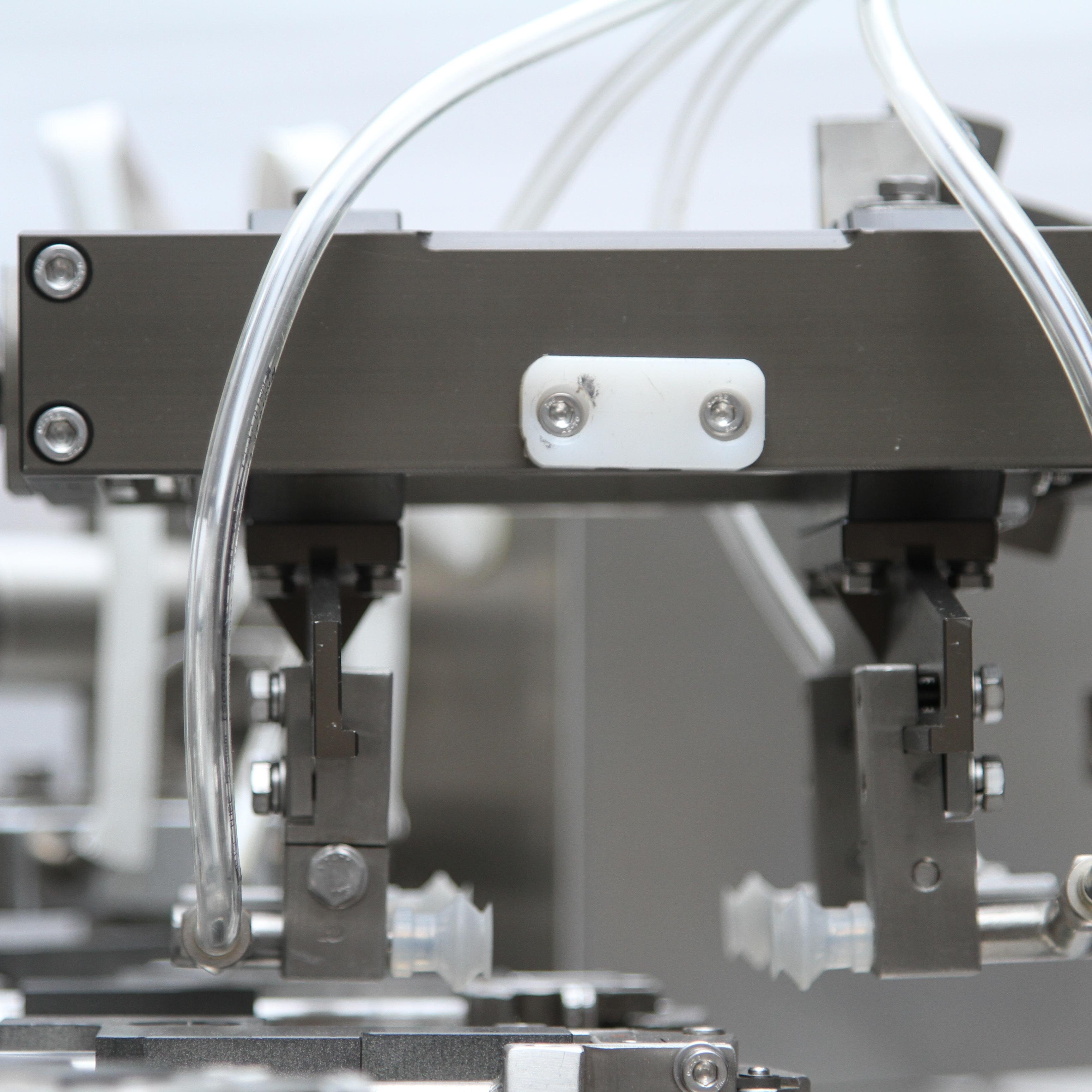
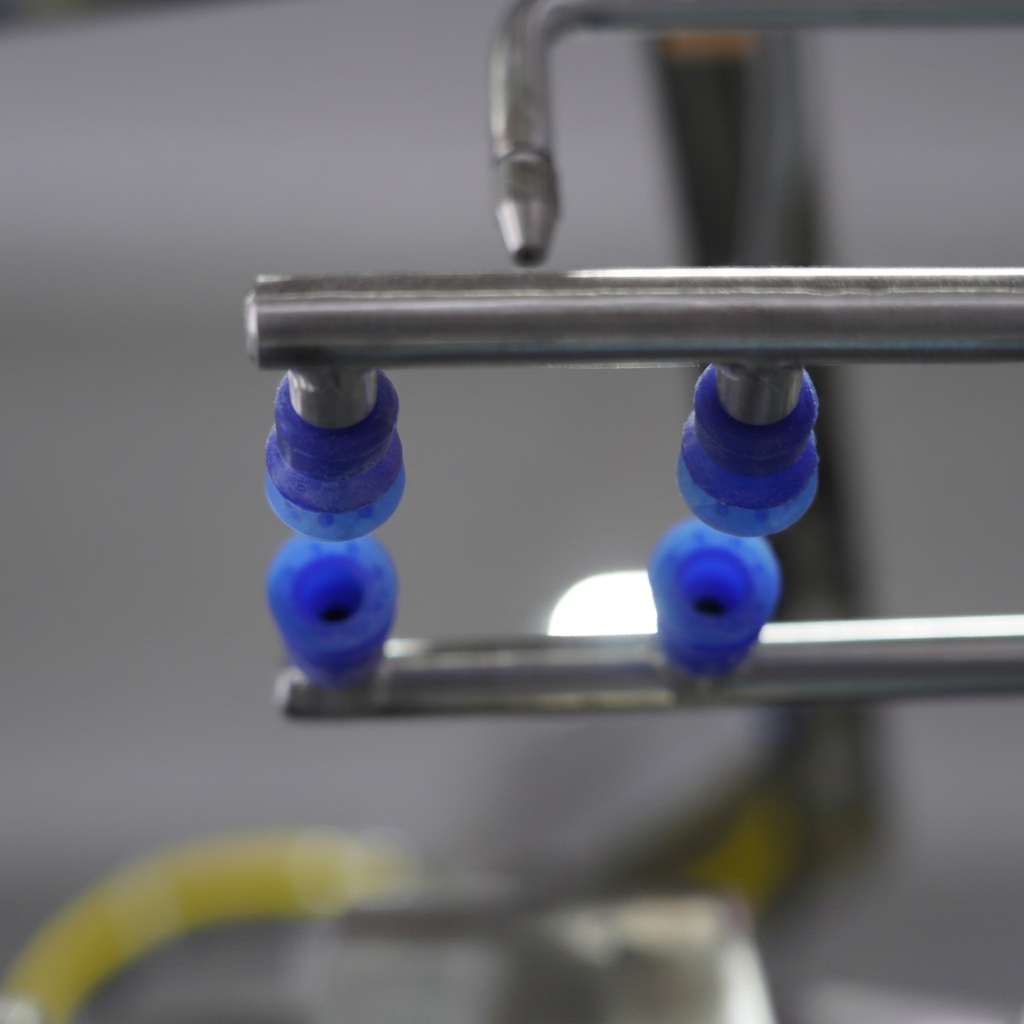
A premade pouch packaging machine receives completed pouches from suppliers and automatically feeds them through a pick-and-place system, where they are opened, filled, and sealed. The premade pouch packaging machine indexes each pouch into position, engages opening fingers or air nozzles to separate the seams, and directs the filling mechanism into the pouch opening. This design eliminates the need for on-site pouch formation, reducing mechanical complexity and enabling faster cycle times per individual unit. The premade pouch packaging machine operators simply load the incoming pouches, adjust fill volume and seal settings, and monitor output quality.
Once filled, a premade pouch packaging machine executes a precise sealing operation that fuses the pouch opening through heat, ultrasonic, or mechanical pressure, depending on the material composition and application requirements. The premade pouch packaging machine typically includes integrated quality checkpoints that verify pouch integrity, detect partial fills, and reject defective containers before they leave the production line. Since the pouch structure is already formed, a premade pouch packaging machine can achieve extremely reliable seals with minimal material waste, as the sealing surface area remains consistent across every cycle.
A premade pouch packaging machine typically achieves cycle speeds between 200 and 500 pouches per minute for standard applications, depending on equipment grade and fill type. In contrast, doypack machines operate at slightly lower cycles per minute because they must perform concurrent forming, filling, and sealing operations simultaneously. A premade pouch packaging machine eliminates the time required for pouch formation, allowing dedicated focus on rapid pick-and-place indexing and precision filling. For operations targeting 400 to 500 units per minute, a premade pouch packaging machine delivers measurable speed advantages over traditional doypack systems operating at similar tonnage ranges.
Changeover efficiency favors the premade pouch packaging machine when switching between different pouch sizes or styles, since operators simply load new pouch inventory without reconfiguring die tooling or roll-feeding mechanisms. Doypack equipment requires tooling adjustments, roll tension calibration, and test cycles before resuming full-speed production, extending downtime by 30 to 60 minutes per format change. A premade pouch packaging machine reduces changeover friction significantly, enabling flexible production runs and rapid response to demand fluctuations across multiple pouch formats and styles.
A premade pouch packaging machine commands a lower initial equipment investment than comparable doypack machinery, typically ranging from $80,000 to $250,000 depending on speed and automation level. Doypack systems require additional engineering for roll-feed mechanisms, forming tools, and integrated sealing components, pushing capital costs to $150,000 to $400,000 for equivalent output capacity. The premade pouch packaging machine also simplifies maintenance, as operators do not manage complex roll tension systems, web tracking sensors, or forming dies that demand routine calibration. Long-term maintenance costs for a premade pouch packaging machine typically run 15 to 25 percent lower than doypack alternatives, reducing total cost of ownership over five-year operating horizons.
When using a premade pouch packaging machine, organizations bear the cost of finished pouches purchased from suppliers, typically 3 to 8 cents per unit depending on size, barrier properties, and order volume. Doypack systems consume raw film roll material at lower per-unit costs, approximately 2 to 5 cents per formed pouch, but require substantial supplier relationships and inventory management for rolled materials. A premade pouch packaging machine offers supply predictability since premade pouches arrive inspection-ready, while doypack material rolls introduce variable risk for film defects, gauge inconsistencies, and storage degradation. For organizations running predictable product formulas over extended campaigns, a premade pouch packaging machine minimizes material waste and reduces quality variability inherent in roll-based systems.
A premade pouch packaging machine excels for dry products, powders, granules, and moderate-viscosity liquids that fit within standard pouch dimensions and do not demand specialized sealing profiles. Doypack systems maintain advantages for extremely wide-format applications, extremely thick films, or products requiring unconventional sealing geometries that exceed standard premade pouch specifications. A premade pouch packaging machine suits snack foods, nutritional supplements, spices, coffee, confectionery, and detergent applications where pouch formats remain relatively standardized. For producers running consistent product lines with stable packaging specifications, a premade pouch packaging machine delivers operational simplicity without sacrificing market competitiveness.
Organizations scaling production volume favor a premade pouch packaging machine because adding a second or third unit requires minimal capital reinvestment compared to doypack system duplication. A premade pouch packaging machine enables linear scaling—simply acquire additional machines and assign dedicated operators—without reworking facility layout or re-engineering material handling infrastructure. Conversely, doypack environments require substantial facility modifications, compressed-air supply upgrades, and electrical capacity planning when adding second lines, increasing expansion costs and project timelines. A premade pouch packaging machine strategy positions growing companies for rapid market response while preserving capital reserves for marketing, distribution, and product development initiatives.
Yes, a premade pouch packaging machine can accommodate multiple pouch dimensions by adjusting indexing distance, guide width, and positioning sensors between runs. This flexibility allows a single premade pouch packaging machine to process standing pouches, flat pouches, and shaped containers from different suppliers. The changeover process typically requires 15 to 30 minutes for a premade pouch packaging machine, making it practical for batch production environments serving diverse customer specifications.
A premade pouch packaging machine performs optimally with free-flowing dry products, powder formulations, granules, and pourable liquids with moderate viscosity. For thick pastes, adhesive products, or extremely viscous materials, doypack systems or specialized filling heads may deliver superior accuracy. However, modern premade pouch packaging machine designs now integrate auger fillers, volumetric pumps, and even multi-lane configurations that expand compatibility with challenging product types, making a premade pouch packaging machine viable for broader applications than historically possible.
A premade pouch packaging machine typically delivers 20 to 35 percent lower total cost of ownership over ten years compared to doypack equipment operating at equivalent speeds. The advantage compounds when accounting for lower maintenance, reduced tooling replacement, simpler spare parts inventory, and faster changeover cycles. However, if your operation demands extremely high volumes with minimal format variation, doypack material costs may offset the premade pouch packaging machine's efficiency gains at maximum scale. Conduct detailed operational modeling using your specific production mix and volume profile to determine the optimal equipment investment for your facility.

2026/09/20
Premade Pouch Machines: Reduce Film Waste, Cut TCO & Achieve Faster ROI

2026/09/20
Cut Premade Pouch Machine Changeover Time by 40% with Proven Best Practices

2026/09/20
Premade Pouch Machines: Boost Throughput, Cut Waste & Improve ROI

2026/09/20
Rotary vs Inline Premade Pouch Machines: Speed, ROI & Scalability Compared

2026/09/20
Premade Pouch Machine: Boost Throughput, Cut Labor Costs & Improve Seal Integrity

2026/09/21
Premade Pouch Machine: Pouch Types, Materials & Filling Guide

