 EN
How to Reduce Film Waste with a Premade Pouch Packaging Machine?
2026/09/20
Premade Pouch Machines: Reduce Film Waste, Cut TCO & Achieve Faster ROI

2026/09/26
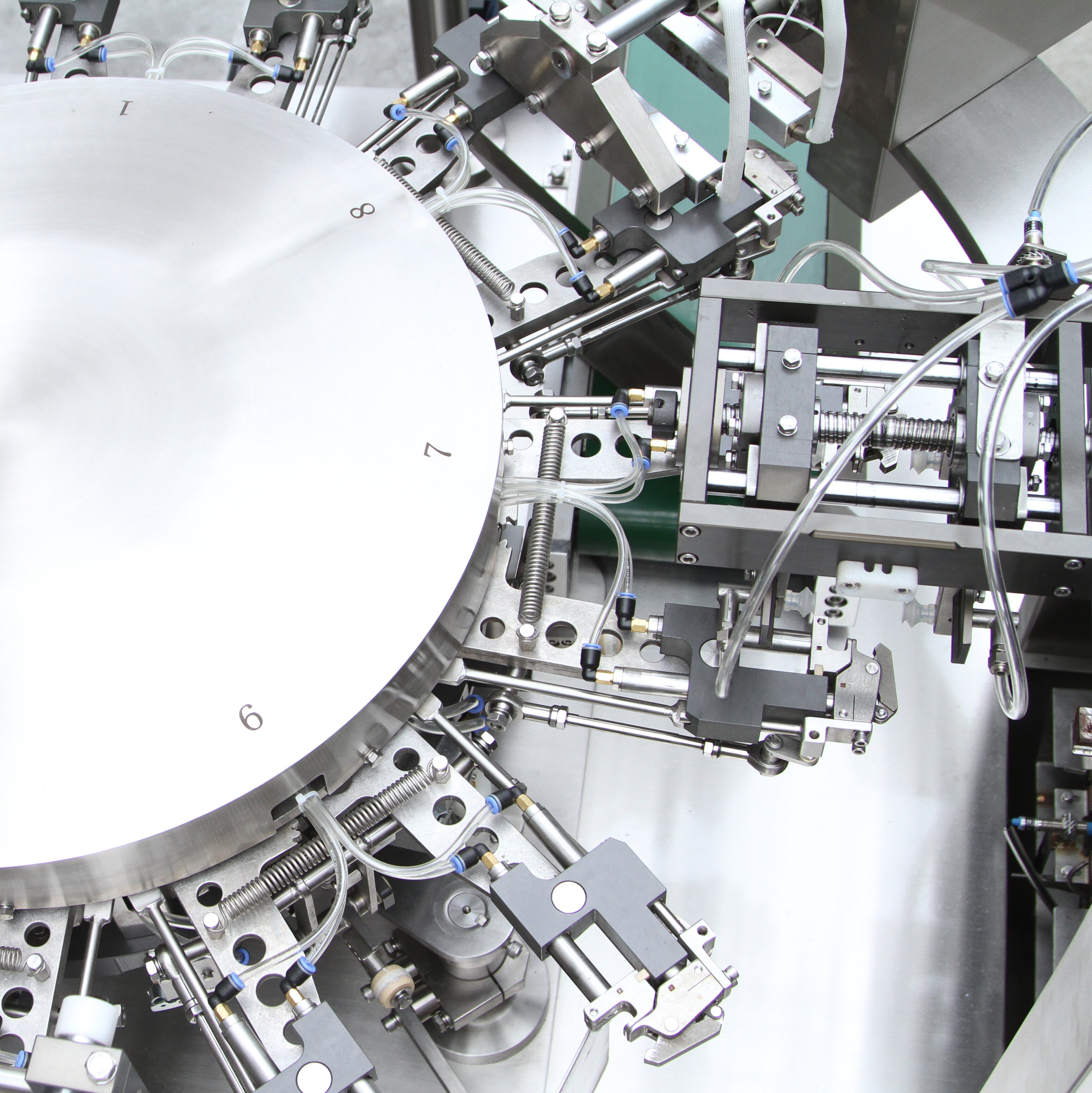
Selecting the right rotary pouch packing machine for coffee production is a critical business decision that impacts your operational efficiency, product quality, and bottom-line profitability. Coffee producers face unique packaging challenges because coffee beans and grounds require precise moisture control, protection from oxygen exposure, and consistent portioning across high-volume production runs. A rotary pouch packing machine designed specifically for coffee applications can address these demands while scaling your output without compromising quality or safety standards.
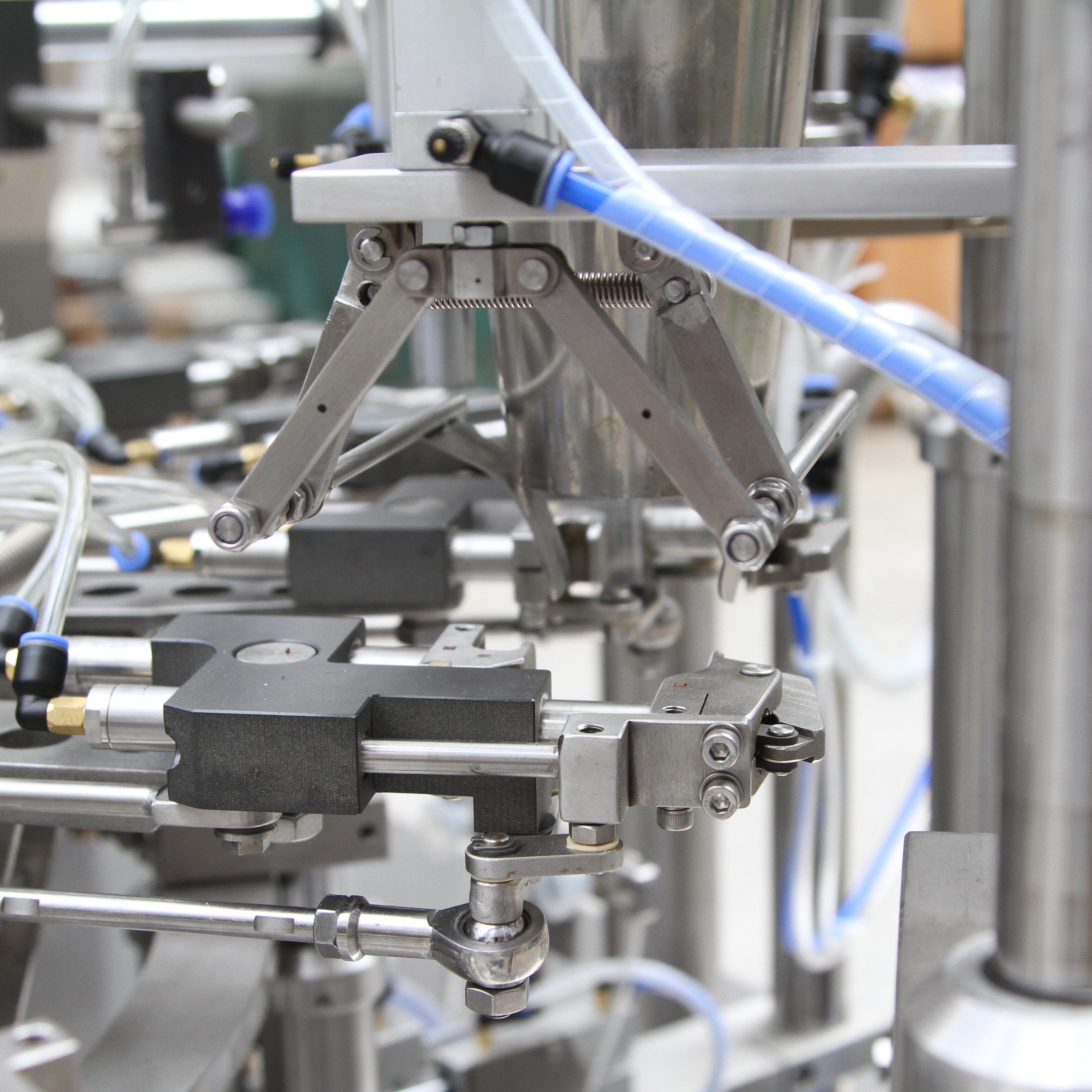
Before committing to a rotary pouch packing machine investment, coffee producers must evaluate multiple technical, operational, and financial factors. The wrong equipment choice can lead to production bottlenecks, product contamination, excessive material waste, and costly downtime. This guide walks you through the essential considerations for selecting a rotary pouch packing machine that aligns with your coffee packaging goals and delivers measurable return on investment.
The throughput capacity of a rotary pouch packing machine directly determines whether your equipment can meet current demand and scale with future growth. Coffee producers must first calculate their target production volume in pouches per hour or per day, then verify that the rotary pouch packing machine specifications exceed that requirement by at least 20 percent. This safety margin prevents the machine from running continuously at maximum capacity, which degrades performance, increases wear on critical components, and reduces the lifespan of the equipment.
Rotary pouch packing machine models vary widely in speed capabilities, ranging from 40 pouches per minute for smaller operations to over 200 pouches per minute for industrial-scale coffee producers. When evaluating a rotary pouch packing machine, consider not just the advertised speed under ideal conditions, but also the realistic throughput when processing your specific coffee product—whether that is whole beans, ground coffee, or flavored blends. Some coffee types flow differently through the filling mechanism, which can impact the effective speed of your rotary pouch packing machine.
A rotary pouch packing machine that sacrifices accuracy for speed creates long-term quality problems. Coffee packets must maintain consistent weight across every pouch to meet regulatory standards and customer expectations. When selecting a rotary pouch packing machine, verify that its servo-driven weighing and cutting systems can maintain accuracy tolerances within plus-or-minus 2 percent across extended production runs, even at maximum operating speed.
Advanced rotary pouch packing machine models include real-time weight monitoring, automated adjustment algorithms, and quality control integration that flags deviations before they result in out-of-specification product. A rotary pouch packing machine with these features reduces scrap material, minimizes customer complaints, and protects your brand reputation in competitive coffee markets.
Coffee producers use a range of pouch materials—including kraft paper, laminated film, metallized barrier films, and stand-up pouches with bottom zippers—to differentiate their products and extend shelf life. A rotary pouch packing machine must accommodate multiple pouch dimensions, thicknesses, and material compositions without requiring extensive retooling or manual adjustments between product runs. Verify that the rotary pouch packing machine includes modular forming and sealing components that can quickly adapt to different pouch types.
The sealing capability of your rotary pouch packing machine is especially important for coffee, because improper seals allow oxygen and moisture ingress that degrade flavor, aroma, and shelf stability. When evaluating a rotary pouch packing machine, confirm that its heat-sealing jaws maintain consistent temperature, pressure, and dwell time across all pouch edges. Some rotary pouch packing machine models include ultrasonic or impulse sealing options, which offer different advantages depending on your film composition and barrier requirements.
Whole bean coffee releases carbon dioxide naturally after roasting, and packaging pressurized coffee without degassing creates pouch bursting, sealing failures, and product damage. A rotary pouch packing machine designed for coffee should include a one-way degassing valve integrated into the pouch, or the machine itself must feature a degassing mechanism that vents excess gas before final sealing. This degassing capability distinguishes a purpose-built rotary pouch packing machine for coffee from generic rotary machines adapted to coffee applications.
Some advanced rotary pouch packing machine models allow you to control the gas-flush process, using nitrogen or carbon dioxide to displace oxygen in the pouch, further extending shelf life and maintaining coffee freshness. Confirm that your rotary pouch packing machine supports this capability if oxygen-free packaging is part of your brand positioning or quality assurance standards.
A rotary pouch packing machine represents a significant capital investment, with pricing ranging from approximately 50,000 USD for entry-level models to over 500,000 USD for high-speed, feature-rich systems. Beyond the initial purchase price of a rotary pouch packing machine, you must budget for installation, operator training, integration with upstream and downstream equipment, spare parts inventory, and maintenance service contracts. The true cost of ownership for a rotary pouch packing machine extends over 5 to 10 years of operation, so calculate your break-even point by dividing total expected costs by the annual profit generated from increased production efficiency.
When comparing rotary pouch packing machine models, request detailed cost breakdowns from vendors, including consumable costs for sealing elements, wear parts, and cleaning supplies. Some rotary pouch packing machine manufacturers offer lease or rent-to-own arrangements that reduce upfront capital requirements and allow you to upgrade equipment as your production needs evolve.
The reliability of your rotary pouch packing machine depends not just on equipment quality, but also on the availability of responsive technical support and replacement parts. Before purchasing a rotary pouch packing machine, verify that the vendor maintains a local or regional service center with skilled technicians who understand your specific equipment model. Ask about typical response times for service calls, average downtime, and availability of emergency parts shipments.
A reputable rotary pouch packing machine vendor should provide comprehensive operator training, detailed maintenance documentation, video tutorials, and ongoing technical support to minimize production disruptions. Some rotary pouch packing machine manufacturers include remote monitoring capabilities that allow technicians to diagnose problems and recommend adjustments without visiting your facility, reducing service costs and downtime.
A rotary pouch packing machine for coffee typically operates at speeds between 40 and 200 pouches per minute, depending on the machine model, pouch size, and coffee product type. Entry-level rotary pouch packing machine systems handle 40 to 80 pouches per minute and suit smaller coffee roasters or specialty producers. Mid-range rotary pouch packing machine equipment achieves 100 to 150 pouches per minute for established coffee brands with significant production volumes. High-speed rotary pouch packing machine systems exceed 150 pouches per minute and support large-scale industrial coffee packaging operations. Your choice of rotary pouch packing machine should align with your production targets and allow the equipment to operate at 70 to 80 percent of maximum capacity for optimal performance and longevity.
Yes, most modern rotary pouch packing machine systems can accommodate both whole bean and ground coffee with minimal adjustments to the filling mechanism and sealing parameters. Whole bean coffee flows more uniformly through the rotary pouch packing machine hopper due to larger particle size, while ground coffee may require auger or vibratory feeders to ensure consistent fill accuracy. A versatile rotary pouch packing machine includes adjustable volumetric or gravimetric filling modes that automatically compensate for product density differences. However, switching between whole bean and ground coffee on the same rotary pouch packing machine may require cleaning the hopper and recalibrating the weight sensors to maintain accuracy and prevent cross-contamination of flavor profiles.
To calculate ROI for a rotary pouch packing machine, begin by determining the total project cost, including equipment purchase, installation, training, and working capital reserves. Next, estimate the annual revenue increase from higher production capacity and potential cost savings from reduced labor and material waste. Subtract annual operating costs—including maintenance, energy, spare parts, and operator wages—from the gross profit improvement to calculate net annual benefit. Divide total project cost by net annual benefit to determine the payback period, typically ranging from 18 to 36 months for a rotary pouch packing machine in coffee production. A rotary pouch packing machine with a payback period under 24 months usually represents a sound investment, assuming your sales volume can support the increased production capacity.

2026/09/20
Premade Pouch Machines: Reduce Film Waste, Cut TCO & Achieve Faster ROI

2026/09/20
Cut Premade Pouch Machine Changeover Time by 40% with Proven Best Practices

2026/09/20
Premade Pouch Machines: Boost Throughput, Cut Waste & Improve ROI

2026/09/20
Rotary vs Inline Premade Pouch Machines: Speed, ROI & Scalability Compared

2026/09/20
Premade Pouch Machine: Boost Throughput, Cut Labor Costs & Improve Seal Integrity

2026/09/21
Premade Pouch Machine: Pouch Types, Materials & Filling Guide

