 EN
How to Reduce Film Waste with a Premade Pouch Packaging Machine?
2026/09/20
Premade Pouch Machines: Reduce Film Waste, Cut TCO & Achieve Faster ROI

2026/09/29
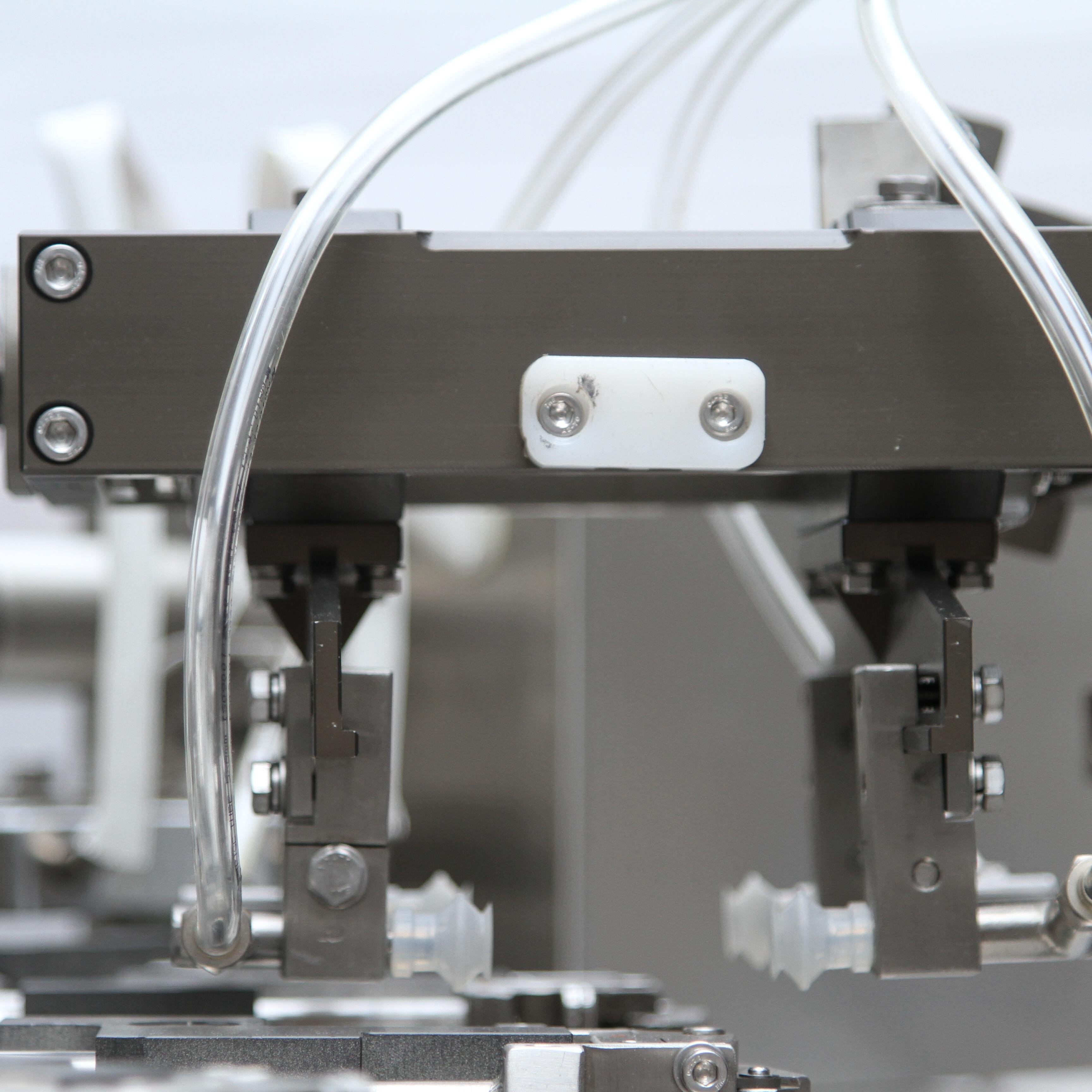
Choosing between a rotary pouch packing machine and horizontal form-fill-seal (HFFS) technology is one of the most critical decisions a packaging line manager can face. Both technologies have earned their place in modern production facilities, yet they serve distinctly different operational profiles, cost structures, and product categories. A rotary pouch packing machine excels in high-speed operations with pre-made pouches, while HFFS machines create and fill pouches in a single continuous motion. Understanding which approach aligns with your production volume, product type, and capital budget requires a clear-eyed comparison of their core strengths, limitations, and real-world performance metrics.
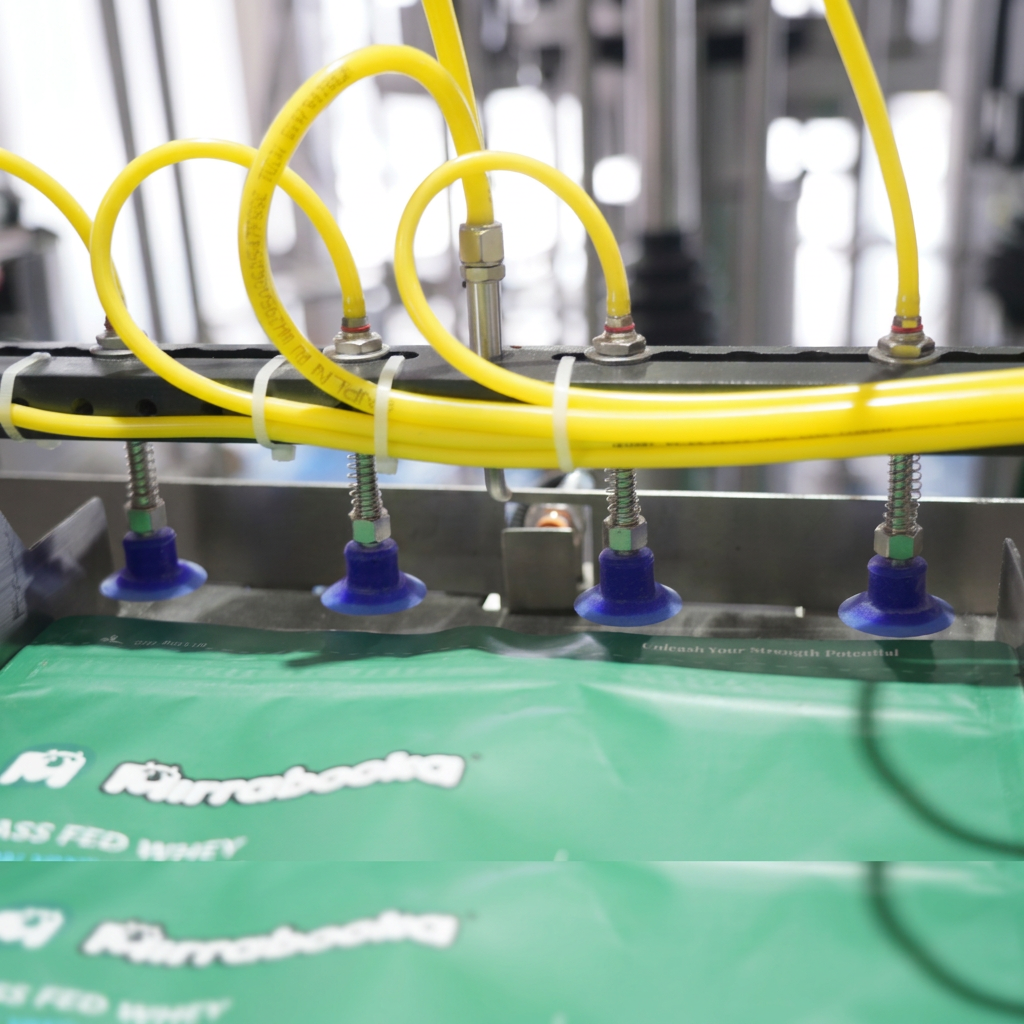
A rotary pouch packing machine uses a rotating carousel or dial with multiple filling stations arranged in a circle. Pre-made pouches are loaded into pockets or grippers on the rotating platform, then moved sequentially through filling, sealing, and discharge stations. Each rotary pouch packing machine station performs its function as pouches rotate past it, allowing parallel processing of multiple pouches simultaneously. The rotary architecture eliminates the start-stop cycles inherent in linear machines, resulting in continuous, predictable motion and minimal product spillage. The key advantage of this rotary pouch packing machine design is that throughput scales directly with dial speed and the number of active stations, making speed optimization straightforward and reliable.
Inside a rotary pouch packing machine, depositors or volumetric fillers place measured amounts of product into each pouch as it passes the filling station. Sealing mechanisms—whether thermal, ultrasonic, or combination systems—then engage to close the pouch permanently. The rotary pouch packing machine keeps products cool during sealing cycles by using carefully timed dwell times, reducing thermal stress on sensitive formulations. Detection systems on modern rotary pouch packing machine equipment verify pouch presence, filling accuracy, and seal integrity before pouches exit the machine, ensuring only qualified products reach packaging.
Horizontal form-fill-seal machines function through a linear, web-based process where flat material rolls through the machine in a continuous strip. The HFFS system forms pouches from raw film material, fills them with product, and seals them—all in one integrated workflow. Unlike a rotary pouch packing machine, HFFS equipment does not require pre-made pouches; instead, it creates pouch geometry on-the-fly by forming the web into the desired size and configuration. This capability grants HFFS machines exceptional flexibility in pouch dimensions and allows rapid changeovers between different pouch formats without sourcing new pre-formed inventory.
The tradeoff is that HFFS systems are mechanically more complex than a rotary pouch packing machine. Film handling, tension control, and synchronized forming-filling-sealing timings demand expert setup and tuning. HFFS machines typically run at lower speeds than comparable rotary pouch packing machine equipment, especially when handling delicate, fragile, or particulate products that require gentler handling. HFFS technology becomes especially valuable when pouch variety is high or when production volumes of any single format are too low to justify dedicated pouches.
A rotary pouch packing machine is ideal for high-volume, single-format product lines: snack foods, coffee, tea, dry pet food, spices, powders, and granular products. These categories benefit from the rotary pouch packing machine's speed, consistency, and low per-unit cost. A rotary pouch packing machine also excels when pouch materials are specialty films—metalized barrier films, stand-up pouches with gussets, or pre-formed rigid containers—that are expensive to customize on an ad-hoc basis. The rotary pouch packing machine's gentle handling of delicate snacks and fragile items reduces breakage and waste compared to rougher HFFS formation cycles.
Pharmaceutical and nutraceutical companies often prefer a rotary pouch packing machine for unit-dose or blister-style pouch filling because the controlled, parallel processing minimizes product exposure to heat and air. A rotary pouch packing machine is also preferred in cleanroom environments where contamination control is critical; the rotary pouch packing machine's sealed design and minimal film handling reduce particle generation. For food and beverage companies producing millions of units annually of consistent formats, a rotary pouch packing machine is virtually always the most cost-effective solution.
HFFS machines make sense for companies with multiple pouch formats, seasonal product variations, or custom customer requests. A rotary pouch packing machine cannot adapt quickly to size changes, but an HFFS machine handles varied geometry within minutes. Companies serving retail customers with private-label requirements or direct-to-consumer channels often need HFFS flexibility to manage pouch customization without high fixed costs. HFFS machines also suit markets where pouch format is a competitive differentiator—unique shapes, premium finishes, or aesthetic innovation that justifies lower speed and higher mechanical complexity.
Medium-volume producers (500,000 to 3 million units annually) often find HFFS machines cost-effective because the rotary pouch packing machine's pouch inventory carrying costs and sourcing complexity become burdensome at lower volumes. HFFS machines also make economic sense when product variety is high but individual SKU volumes are moderate. If you operate 15 different pouch formats, each at 200,000 units per year, managing 15 separate pre-made pouch inventories for a rotary pouch packing machine becomes operationally messy; a single HFFS machine handles all formats without inventory complexity.
If annual production exceeds 3 million units of one or two consistent pouch formats, a rotary pouch packing machine is almost certainly the right choice. The speed and cost-per-unit advantage becomes overwhelming. If production is below 1 million units annually and formats are varied, an HFFS machine often makes better sense economically and operationally. Between 1 and 3 million units, the decision hinges on format variety and available capital. A rotary pouch packing machine wins when all volume is concentrated in one to three formats; HFFS wins when you need flexibility across five or more format variations.
If capital availability is limited and you have stable, single-format production needs, a rotary pouch packing machine delivers faster ROI due to lower upfront cost. If budget permits and you value format flexibility, the HFFS machine justifies its higher cost through reduced working capital tied up in pouch inventory and faster time-to-market for new pouch designs. Consider lease or equipment-as-a-service options for HFFS equipment if capital is constrained but flexibility is essential.
A rotary pouch packing machine suits facilities with limited technical expertise; it is forgiving to operate and straightforward to troubleshoot. An HFFS machine requires skilled technicians comfortable with servo systems, film handling, and precision mechanics. If your facility has strong technical depth, an rotary pouch packing machine may still be preferable for its lower maintenance burden, but the staffing argument no longer favors either technology decisively.
A rotary pouch packing machine typically runs at 60 to 120 pouches per minute, with high-speed models reaching 200 pouches per minute. HFFS machines typically run at 15 to 60 pouches per minute. The rotary pouch packing machine's parallel processing of multiple pouches simultaneously enables higher throughput. HFFS machines compensate for lower speed with superior format flexibility and no need for pre-made pouch inventory.
For high-volume, single-format production, a rotary pouch packing machine has lower total cost of ownership because upfront capital is lower and per-unit operating costs are minimal. For diverse, lower-volume production, HFFS may offer lower total cost because it eliminates expensive pre-made pouch inventory management. The breakeven point depends on production volume, format variety, and your facility's technical capabilities and labor costs.
A rotary pouch packing machine is designed for one or two pouch sizes at a time. Changeover to a different size requires replacing pre-made pouches and recalibrating filling and sealing stations, a process that takes 30 minutes to several hours depending on complexity. HFFS machines handle multiple sizes much more easily through simple adjustment of forming length, making them superior for applications requiring frequent format changes.

2026/09/20
Premade Pouch Machines: Reduce Film Waste, Cut TCO & Achieve Faster ROI

2026/09/20
Cut Premade Pouch Machine Changeover Time by 40% with Proven Best Practices

2026/09/20
Premade Pouch Machines: Boost Throughput, Cut Waste & Improve ROI

2026/09/20
Rotary vs Inline Premade Pouch Machines: Speed, ROI & Scalability Compared

2026/09/20
Premade Pouch Machine: Boost Throughput, Cut Labor Costs & Improve Seal Integrity

2026/09/21
Premade Pouch Machine: Pouch Types, Materials & Filling Guide

