 EN
How to Reduce Film Waste with a Premade Pouch Packaging Machine?
2026/09/20
Premade Pouch Machines: Reduce Film Waste, Cut TCO & Achieve Faster ROI

2026/09/26
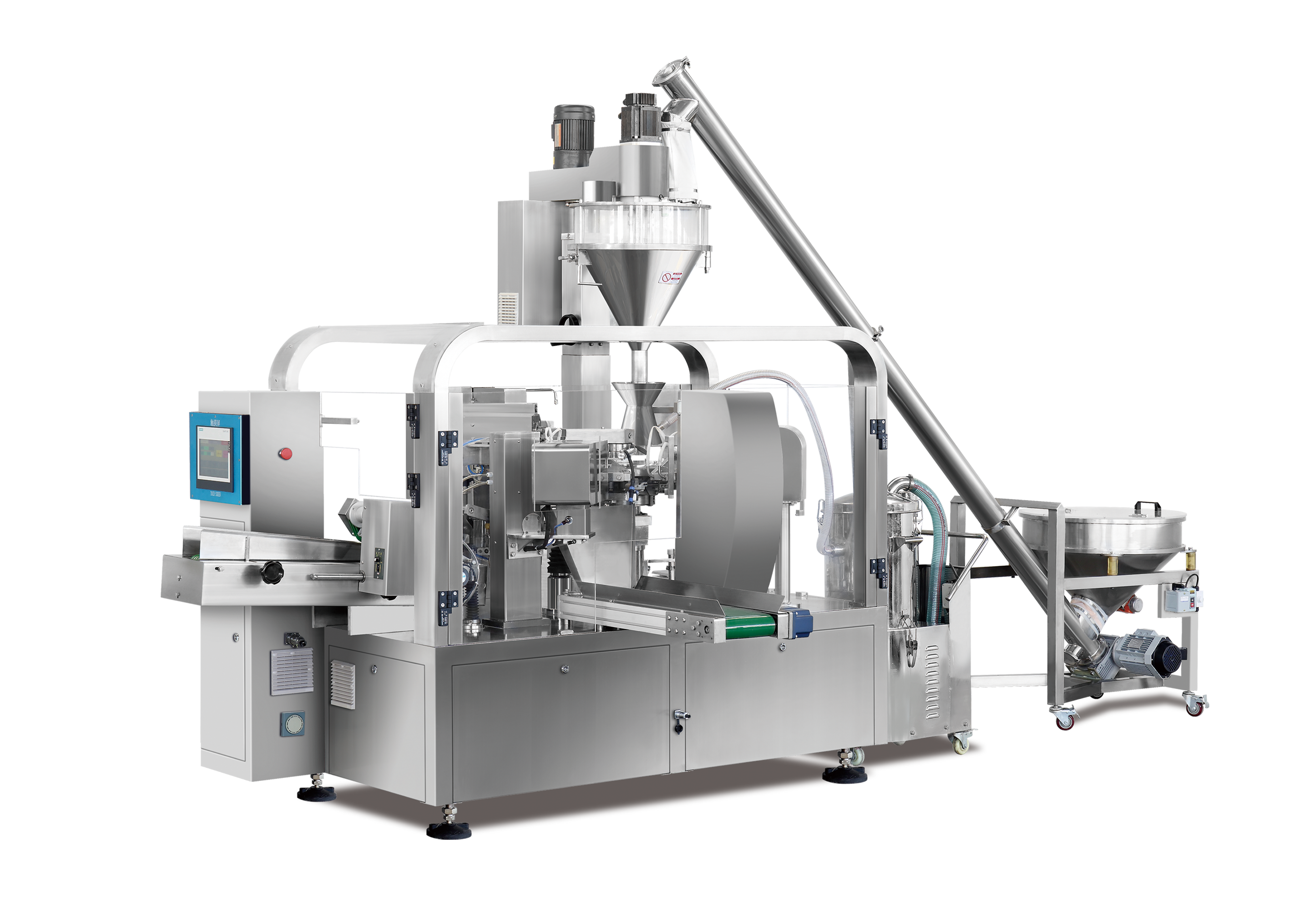
Selecting between a rotary pouch packing machine and an inline system is one of the most critical decisions in modern packaging operations. Both technologies serve the same fundamental purpose—filling and sealing flexible pouches with precision and speed—yet they operate on fundamentally different mechanical principles. Understanding the distinct advantages, limitations, and practical suitability of each system ensures your facility gains the efficiency, product quality, and return on investment you need. A rotary pouch packing machine uses a rotating carousel platform to position multiple pouches simultaneously, while inline systems process pouches sequentially along a horizontal conveyor path. This structural difference creates cascading implications for throughput, space requirements, product versatility, and capital expenditure.
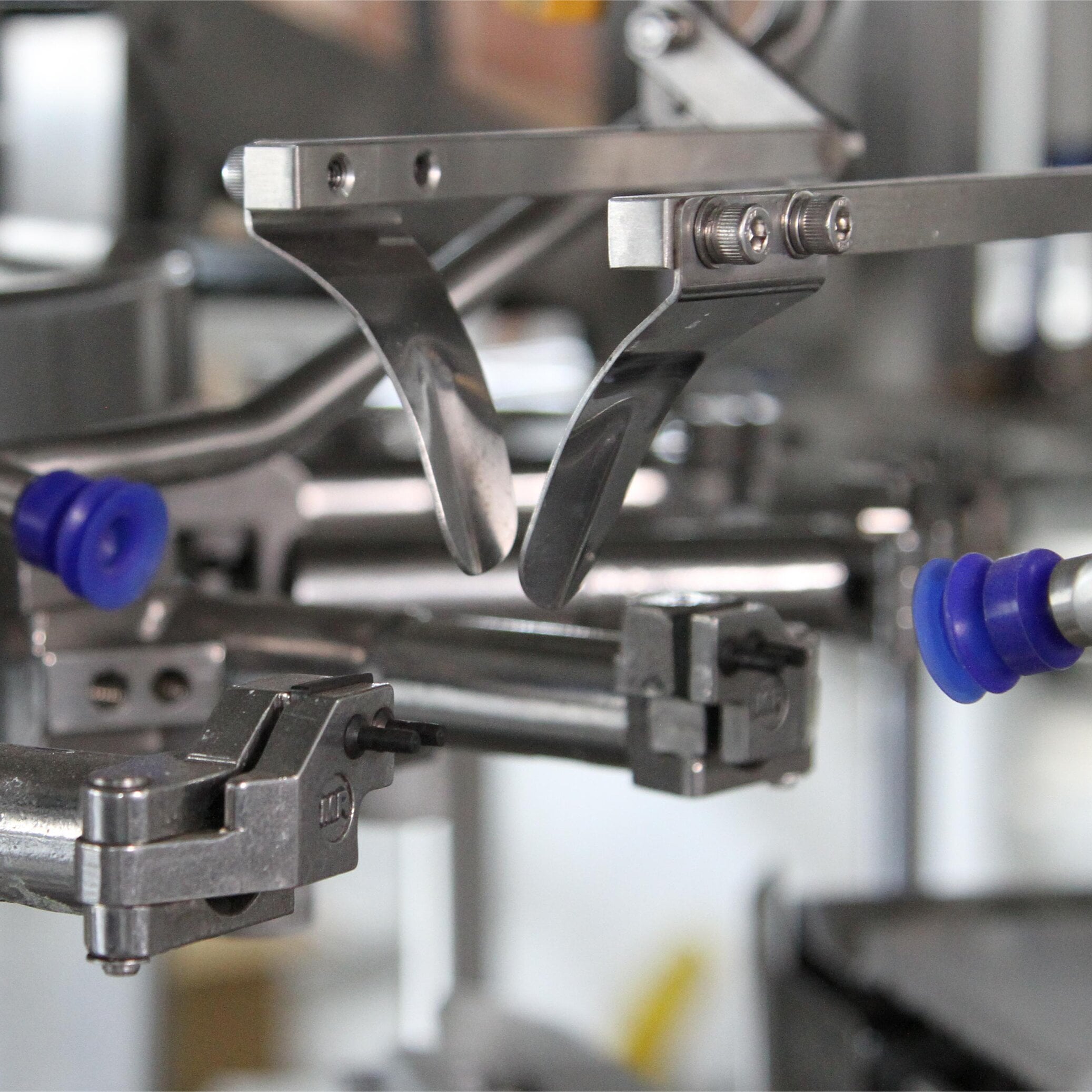
A rotary pouch packing machine employs a rotating carousel or turret that holds multiple filling stations arranged in a circular pattern. As the carousel rotates, each pouch position moves through dedicated stations—opening, filling, and sealing—in a synchronized, continuous workflow. The rotary pouch packing machine's circular motion allows filling and sealing to occur simultaneously across multiple pouches at once, multiplying throughput without requiring longer machinery footprints. This design also enables operators to perform changeovers and adjustments without stopping the entire line, since some stations remain idle during transition periods. The mechanical elegance of a rotary pouch packing machine lies in its ability to compress multiple production cycles into a single rotating platform.
Inline packing systems arrange filling and sealing stations in a linear sequence along a single conveyor path. Each pouch advances sequentially through opening, filling, sealing, and discharge operations, with each station performing its designated task before passing the product to the next stage. Inline systems sacrifice the simultaneous processing advantage of a rotary pouch packing machine but gain modularity and flexibility. Operators can easily add or remove stations, adjust conveyor speeds, or reconfigure workflows to accommodate different pouch sizes and formats without extensive re-engineering. The linear architecture of inline equipment also simplifies troubleshooting and maintenance, as each station remains independently accessible.
A rotary pouch packing machine typically achieves 60 to 200 pouches per minute, depending on pouch size, fill weight, and technology generation. Because a rotary pouch packing machine performs multiple filling and sealing operations simultaneously across its carousel stations, it reaches these high speeds without requiring extremely fast individual mechanisms. Modern high-speed rotary pouch packing machine models can exceed 300 pouches per minute for small, lightweight formats. For operations producing large volumes of standardized products—such as snack foods, powdered supplements, or commodity chemicals—a rotary pouch packing machine delivers unmatched per-unit throughput. The cost per pouch decreases dramatically at these volumes, making a rotary pouch packing machine economically attractive for long production runs of identical SKUs.
Inline packing systems typically operate at 20 to 100 pouches per minute, though advanced models can reach higher speeds. Because inline systems process pouches individually through each station sequentially, they cannot match the simultaneous processing capability of a rotary pouch packing machine. However, inline systems excel when production involves frequent format changes, varying fill weights, or multiple product types running on the same line. The trade-off is clear: inline systems prioritize flexibility and changeover speed over maximum throughput per minute. For facilities producing smaller batches of multiple SKUs, an inline system prevents the extended downtime and complexity that would accompany retooling a rotary pouch packing machine for each product change.
A rotary pouch packing machine occupies a compact, circular footprint relative to its output capacity, making it ideal for facilities with limited floor space but high-volume demands. The self-contained carousel design means that a rotary pouch packing machine requires minimal upstream or downstream equipment modification. However, integrating a rotary pouch packing machine into an existing line demands careful spatial planning around its carousel, and repositioning becomes time-consuming once installed. Inline systems stretch across longer distances but can adapt more easily to existing facility layouts. Inline equipment can be positioned at odd angles, extended incrementally, or integrated modularly into tight spaces, offering facility planners substantially greater configuration freedom. For brownfield operations retrofitting new automation, inline systems often prove logistically simpler.
A rotary pouch packing machine typically requires 30 minutes to 2 hours for major format changes, depending on pouch dimensions and fill mechanism complexity. Because a rotary pouch packing machine centralizes all adjustments around its carousel, format changes necessitate recalibrating multiple stations in coordinated sequence. This makes a rotary pouch packing machine best suited for production environments running long, uninterrupted campaigns of identical products. Inline systems can often achieve format changes within 10 to 30 minutes, as each station can be adjusted independently, and operators can selectively activate or bypass stations as needed. For operations requiring daily or weekly changes across multiple product lines, inline equipment provides operational agility that a rotary pouch packing machine cannot match.
A rotary pouch packing machine typically commands a higher upfront capital investment—ranging from $100,000 to $500,000 or more for high-speed models—compared to basic inline systems starting around $50,000. However, the per-unit cost advantage of a rotary pouch packing machine at volume often justifies the premium within 12 to 24 months of operation at high capacity utilization. A rotary pouch packing machine demands consistent throughput to recoup its investment efficiently; underutilized rotary equipment becomes a capital cost burden. Conversely, inline systems spread acquisition cost across lower throughput, making them financially attractive for variable-demand scenarios where production volume fluctuates seasonally or based on market conditions. Financial analysis must factor not only machine cost but also expected capacity utilization, product mix stability, and production horizon before selecting a rotary pouch packing machine or inline platform.
A rotary pouch packing machine's concentrated, carousel-based design means that spare parts and maintenance expertise may be less widely available than for modular inline equipment. Servicing a rotary pouch packing machine often requires specialized technician knowledge and longer lead times for imported parts. However, because a rotary pouch packing machine operates with fewer individual stations than a fully populated inline line, the total maintenance burden per unit of output can be lower. Inline systems comprise multiple independent stations, multiplying potential failure points and maintenance requirements across the entire line. For facilities operating in regions with limited service infrastructure, a rotary pouch packing machine may create dependency on original equipment manufacturer support, whereas inline components are often sourced from multiple suppliers. Maintenance strategy should influence the rotary pouch packing machine versus inline decision, particularly in remote or developing markets.
Choose a rotary pouch packing machine when your operation runs consistently high volumes of identical products, your facility has limited floor space, and your production schedule remains stable over extended periods. A rotary pouch packing machine delivers maximum cost-per-unit efficiency and throughput density. Select a rotary pouch packing machine if you can commit to sustained annual volumes of 10 million or more pouches of the same format and can achieve predictable, high-capacity utilization rates.
Inline systems offer superior flexibility for multi-product environments, shorter changeover times between formats, better facility integration, and lower upfront capital requirements. Unlike a rotary pouch packing machine, inline equipment allows you to run different pouch sizes, weights, and product types on the same line without extensive mechanical reconfiguration. Inline systems suit businesses with variable demand, seasonal production swings, or diverse product portfolios where a rotary pouch packing machine would spend idle time between product runs.
A rotary pouch packing machine can accommodate multiple formats, but only through scheduled changeovers requiring significant downtime and manual adjustment. Modern rotary pouch packing machine models with servo-driven systems allow faster format switching than older designs, but they still demand coordinated calibration across carousel stations. If your operation requires simultaneous or frequent-turnaround production of multiple pouch sizes, an inline system or hybrid approach remains more practical than attempting to maximize flexibility on a rotary pouch packing machine platform.

2026/09/20
Premade Pouch Machines: Reduce Film Waste, Cut TCO & Achieve Faster ROI

2026/09/20
Cut Premade Pouch Machine Changeover Time by 40% with Proven Best Practices

2026/09/20
Premade Pouch Machines: Boost Throughput, Cut Waste & Improve ROI

2026/09/20
Rotary vs Inline Premade Pouch Machines: Speed, ROI & Scalability Compared

2026/09/20
Premade Pouch Machine: Boost Throughput, Cut Labor Costs & Improve Seal Integrity

2026/09/21
Premade Pouch Machine: Pouch Types, Materials & Filling Guide

