 EN
How to Reduce Film Waste with a Premade Pouch Packaging Machine?
2026/09/20
Premade Pouch Machines: Reduce Film Waste, Cut TCO & Achieve Faster ROI

2026/10/01
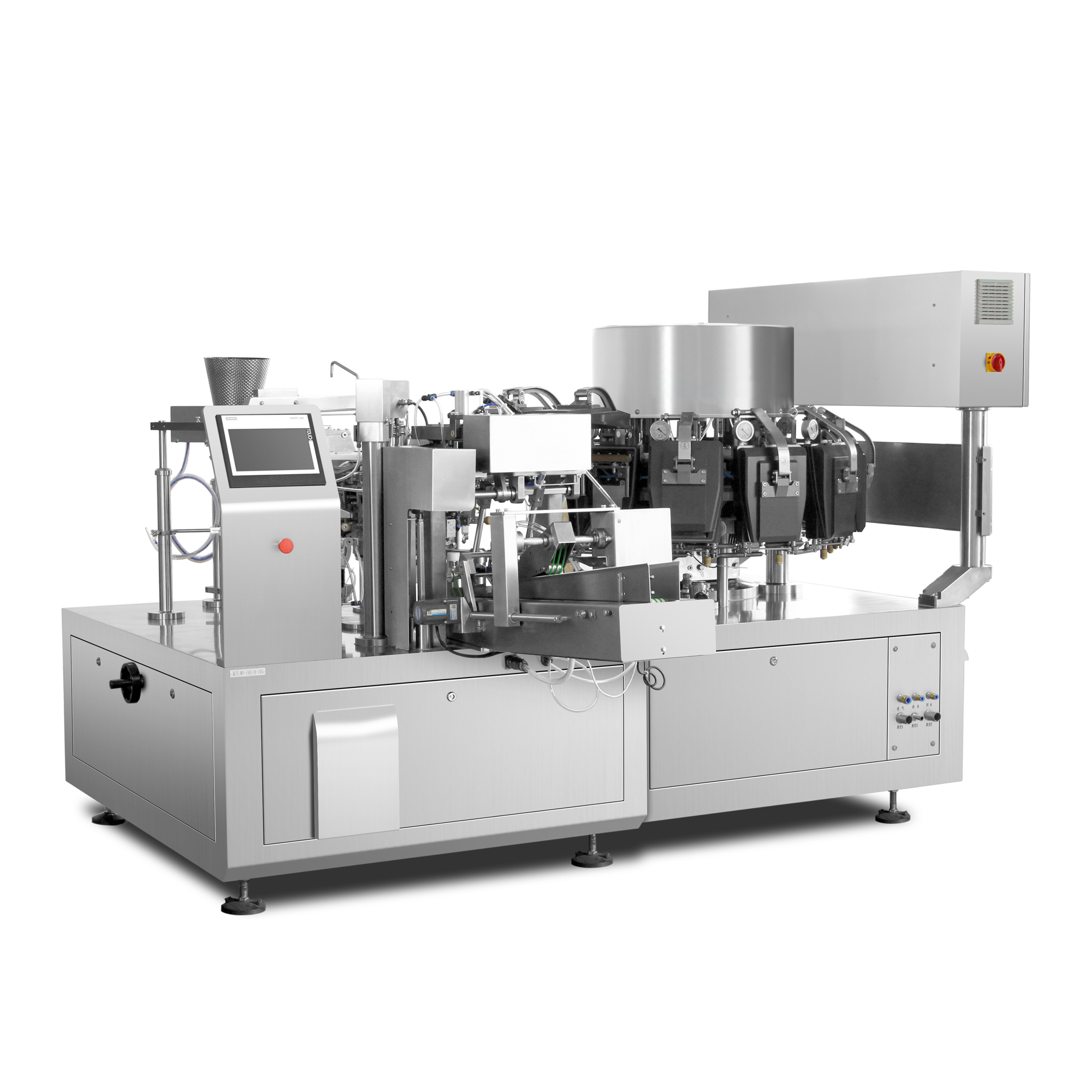
Speed is one of the most critical performance metrics for any rotary vacuum packaging machine operating in modern food processing and industrial packaging environments. As production demands increase and margins compress, operators and facility managers constantly seek ways to accelerate their rotary vacuum packaging machine output without compromising quality or safety. Understanding the factors that influence rotary vacuum packaging machine speed and implementing targeted optimization strategies can deliver significant competitive advantages, reduce per-unit packaging costs, and improve overall facility throughput.
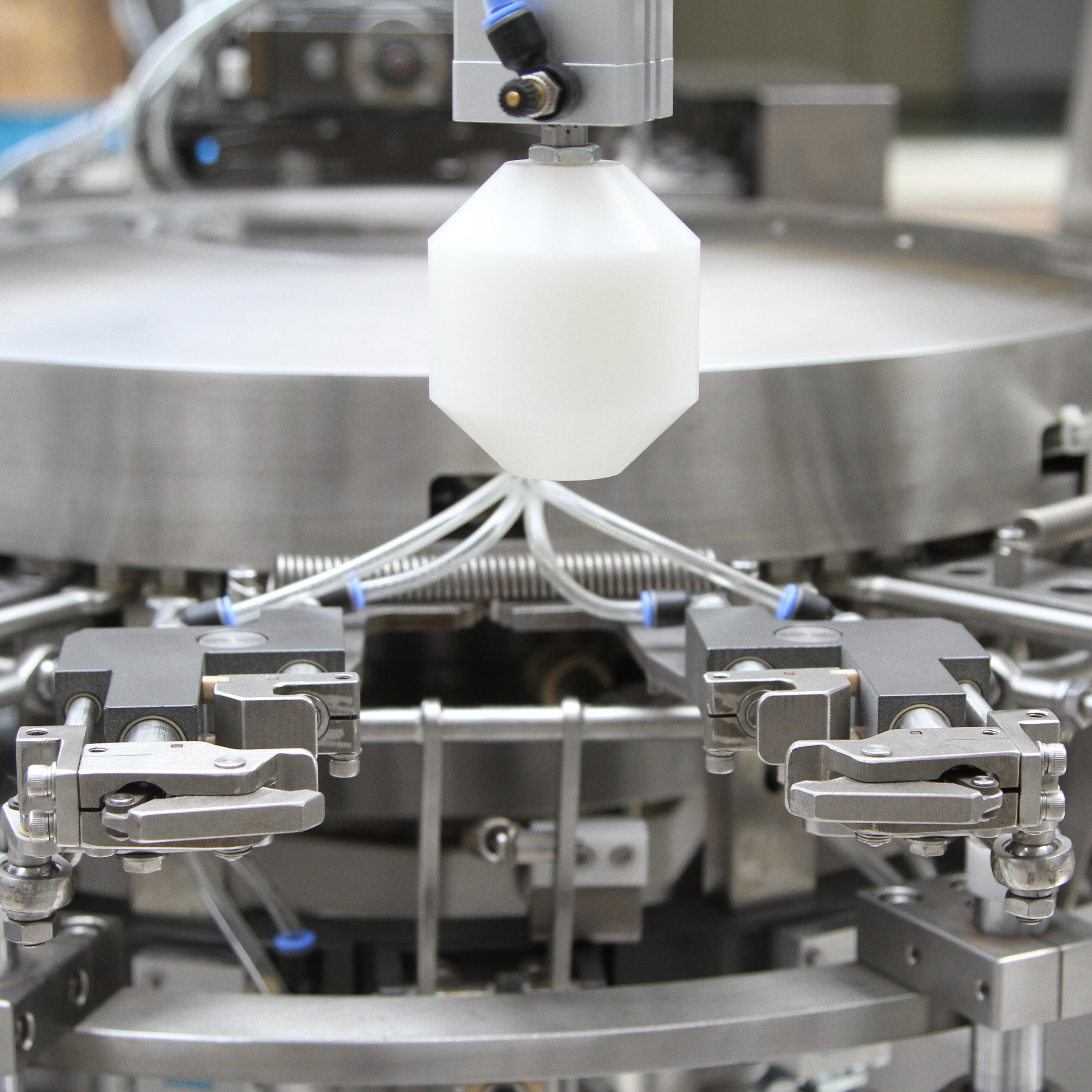
Maximizing the speed of a rotary vacuum packaging machine involves a multifaceted approach that combines proper equipment selection, maintenance discipline, operator training, and process optimization. The inherent design of a rotary vacuum packaging machine enables continuous, high-volume operation when configured and managed correctly. This guide explores actionable methods to push your rotary vacuum packaging machine to peak performance levels while maintaining the seal integrity and safety standards your customers and regulations demand.
The baseline speed capability of any rotary vacuum packaging machine depends on its mechanical architecture, motor power, and vacuum system capacity. A rotary vacuum packaging machine with a larger chamber, faster motor rotation speed, and higher vacuum pump capacity can inherently process more bags per minute. The rotary vacuum packaging machine design determines how quickly the sealing, vacuuming, and bag ejection cycles can occur. Modern rotary vacuum packaging machine models feature optimized rotor designs that reduce cycle time by improving the efficiency of each operational phase. When selecting equipment, the rotary vacuum packaging machine specifications should align with your target throughput requirements to avoid purchasing undersized or unnecessarily oversized equipment.
The vacuum pump is the heart of any rotary vacuum packaging machine, directly influencing how rapidly the air evacuation phase completes. A rotary vacuum packaging machine equipped with a high-capacity vacuum pump reaches target vacuum levels faster, allowing faster progression through the sealing stage. Poor vacuum system performance creates bottlenecks that slow down the overall rotary vacuum packaging machine cycle time. Regular monitoring and maintenance of your rotary vacuum packaging machine vacuum pump ensure consistent speed performance over months and years of operation.
Mechanical wear is the silent speed killer of any rotary vacuum packaging machine. Worn bearings, degraded sealing strips, and loose components cause friction and resistance that increase cycle times. A rotary vacuum packaging machine that receives consistent preventive maintenance maintains its original speed specifications far longer than one that operates on a reactive maintenance model. Establishing a detailed maintenance schedule for your rotary vacuum packaging machine, including bearing lubrication, strip replacement, and mechanical inspections, prevents gradual speed degradation. Many operators discover that their rotary vacuum packaging machine has slowed by 15–25% simply due to accumulated wear, which can be recovered through thorough servicing.
Worn heating strips and damaged vacuum chamber seals force the rotary vacuum packaging machine to compensate with longer sealing times or higher vacuum settings, both of which reduce speed. Inspecting and replacing heating elements and gaskets on your rotary vacuum packaging machine at recommended intervals restores seal quality and cycle speed. When a rotary vacuum packaging machine seal strip shows uneven heating or gaps, the machine extends the dwell time to compensate, effectively reducing throughput. High-quality replacement parts ensure your rotary vacuum packaging machine maintains factory-specified cycle times and performance benchmarks.
Operators often over-specify vacuum levels and dwell times on a rotary vacuum packaging machine, believing higher vacuum and longer contact times guarantee better results. In reality, excessive vacuum settings force the pump to work harder and longer than necessary, slowing your rotary vacuum packaging machine cycle. For most food applications, the rotary vacuum packaging machine achieves adequate preservation and seal quality at 85–90% vacuum rather than 95–100%. Conducting application-specific trials on your rotary vacuum packaging machine allows you to dial in the minimum vacuum and dwell time required for your product, directly accelerating the rotary vacuum packaging machine speed without sacrificing quality.
Poorly prepared bags and suboptimal film selection create delays in the rotary vacuum packaging machine cycle. Bags must be consistently positioned and free of wrinkles or obstructions before entering the rotary vacuum packaging machine chamber. Some films evacuate air more slowly than others due to porosity or layer structure, which directly impacts your rotary vacuum packaging machine speed. Using pre-made bags optimized for vacuum applications and training operators on correct positioning ensures your rotary vacuum packaging machine operates at design speed. Material sticking or binding during the rotary vacuum packaging machine cycle forces manual intervention, creating bottlenecks that destroy throughput gains.
Excessive heating during the sealing phase extends cooling time between rotary vacuum packaging machine cycles, reducing overall speed. Modern rotary vacuum packaging machine models incorporate precise temperature control to reach sealing temperatures quickly without thermal overshoot. Allowing your rotary vacuum packaging machine to reach and stabilize at optimal operating temperature before running production ensures faster cycle times. Some operators reduce speed by loading cold products into a rotary vacuum packaging machine, which absorbs heat and extends dwell requirements. Pre-warming products to room temperature accelerates your rotary vacuum packaging machine throughput, particularly in cold storage environments.
Skilled operators maximize rotary vacuum packaging machine speed through intuitive adjustment and rapid response to quality feedback. Operators who understand the rotary vacuum packaging machine control interface, know how to interpret cycle indicators, and troubleshoot common issues operate the machine faster and with fewer errors than untrained staff. Comprehensive training on your specific rotary vacuum packaging machine model, including parameter adjustment procedures and real-time monitoring techniques, builds operator confidence and speed. Many facilities see 10–20% speed improvements simply by transferring best-practice knowledge from experienced operators to newer team members on the rotary vacuum packaging machine.
Modern rotary vacuum packaging machine systems include built-in monitoring and data logging capabilities that track cycle time, vacuum levels, and temperature trends. Regular review of this rotary vacuum packaging machine performance data reveals gradual speed degradation patterns before they become obvious or problematic. Establishing baseline performance metrics for your rotary vacuum packaging machine allows you to detect when cycles begin to lengthen and trigger maintenance investigations. Some advanced rotary vacuum packaging machine platforms provide predictive alerts that recommend maintenance timing based on performance trends, preventing unexpected downtime.
A standard rotary vacuum packaging machine typically completes one cycle in 8–15 seconds, depending on the application, vacuum level, dwell time, and product type. Premium models optimized for high-speed operation can achieve 5–8 second cycles, while specialized rotary vacuum packaging machine configurations for heavy-duty applications may require 20–30 seconds per cycle. Your rotary vacuum packaging machine cycle time directly determines maximum theoretical throughput and should align with your production volume targets.
No, increasing vacuum levels actually slows down your rotary vacuum packaging machine because the pump must work harder and longer to extract more air. The rotary vacuum packaging machine achieves optimal speed by using the minimum vacuum level sufficient for your application, typically 80–90% of maximum vacuum. Higher vacuum settings may improve seal aesthetics or shelf-life slightly, but the speed cost usually outweighs the benefit unless your specific application genuinely requires maximum vacuum levels on your rotary vacuum packaging machine.
A rotary vacuum packaging machine should receive preventive maintenance every 500–1,000 operating hours, depending on usage intensity and product type. High-volume facilities may need to service their rotary vacuum packaging machine monthly or quarterly, while lower-volume operations can extend intervals. Regular inspection of heating strips, vacuum seals, and bearings prevents gradual speed degradation in your rotary vacuum packaging machine and extends equipment lifespan significantly.

2026/09/20
Premade Pouch Machines: Reduce Film Waste, Cut TCO & Achieve Faster ROI

2026/09/20
Cut Premade Pouch Machine Changeover Time by 40% with Proven Best Practices

2026/09/20
Premade Pouch Machines: Boost Throughput, Cut Waste & Improve ROI

2026/09/20
Rotary vs Inline Premade Pouch Machines: Speed, ROI & Scalability Compared

2026/09/20
Premade Pouch Machine: Boost Throughput, Cut Labor Costs & Improve Seal Integrity

2026/09/21
Premade Pouch Machine: Pouch Types, Materials & Filling Guide

