 EN
How to Reduce Film Waste with a Premade Pouch Packaging Machine?
2026/09/20
Premade Pouch Machines: Reduce Film Waste, Cut TCO & Achieve Faster ROI

2026/10/01
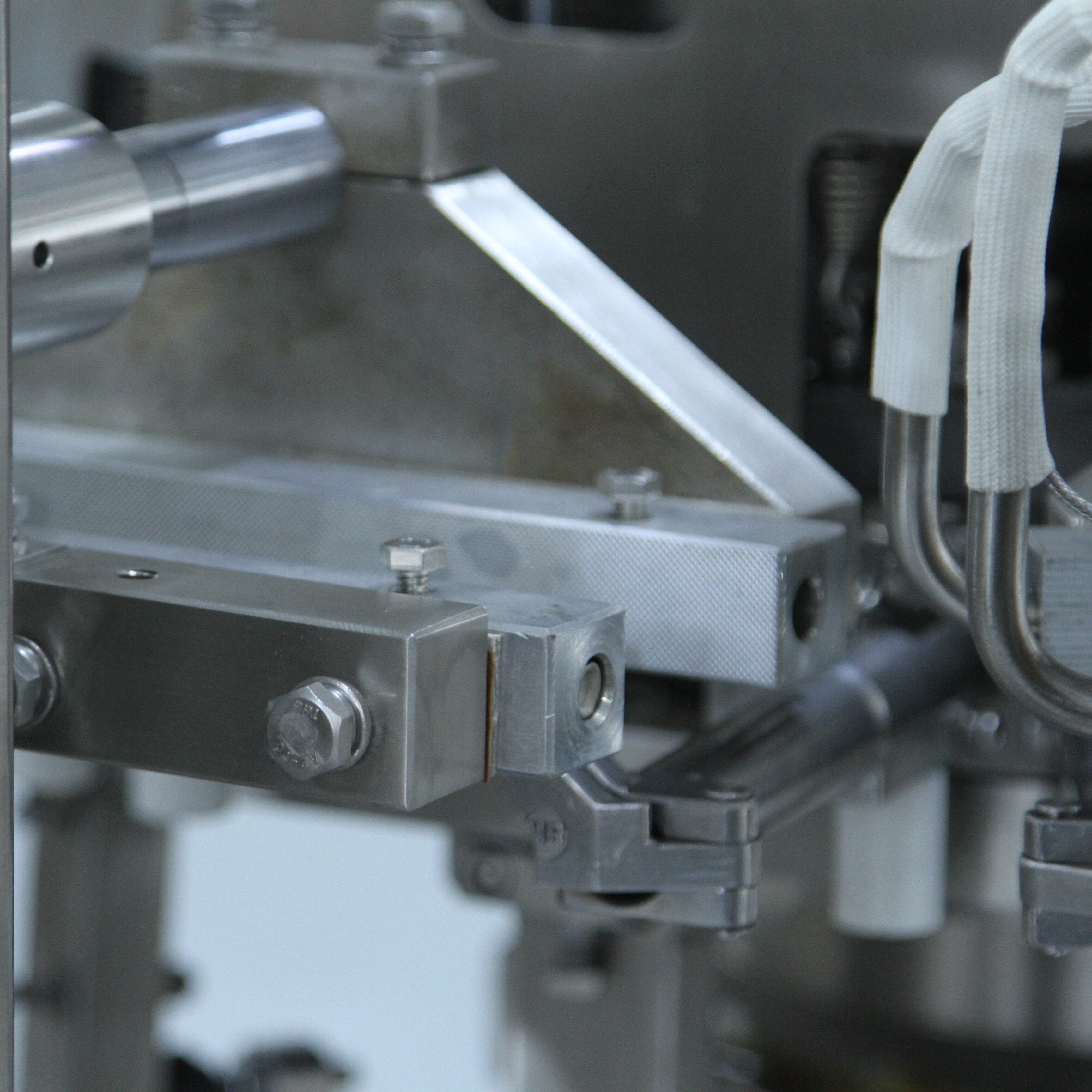
Choosing between a rotary vacuum packaging machine and a chamber vacuum system represents one of the most significant equipment decisions in food and industrial packaging operations. Both technologies deliver vacuum sealing capabilities, yet they differ fundamentally in design, speed, versatility, and total cost of ownership. Understanding these differences is essential for selecting the right rotary vacuum packaging machine or alternative technology that aligns with your production volume, product types, and budget constraints. This guide walks you through the critical decision factors that separate these two packaging approaches.
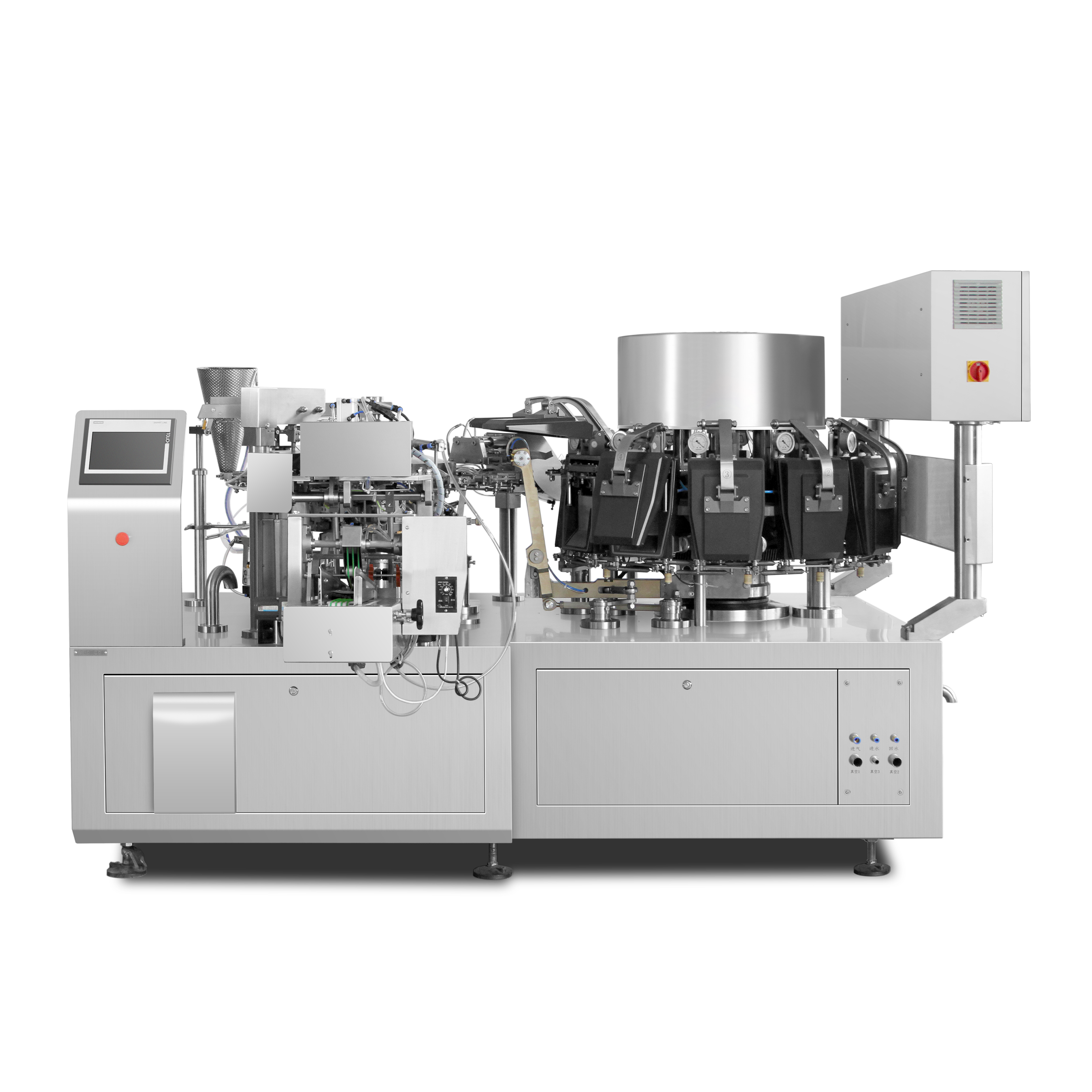
A rotary vacuum packaging machine operates on a continuous motion principle, where pre-made bags move along a rotating belt through multiple vacuum and sealing stations. Chamber systems, by contrast, work in batch mode, drawing the entire chamber down to vacuum pressure before sealing. Each approach addresses different market segments, production rhythms, and product characteristics. By evaluating throughput requirements, product specifications, space constraints, and initial investment, you can determine whether a rotary vacuum packaging machine delivers superior performance for your operation.
The fundamental distinction between a rotary vacuum packaging machine and a chamber vacuum sealer lies in their operational rhythm. A rotary vacuum packaging machine processes products continuously as pre-made bags advance through the machine on a rotating conveyor belt. Each bag undergoes vacuum extraction and heat sealing as it passes through dedicated stations, then exits automatically. This continuous workflow means operators load bags steadily without waiting for cycle completion. Chamber systems require operators to place products inside a sealed chamber, close the lid, initiate the vacuum cycle, wait for pressure equalization, seal the bag, and then open the chamber to remove the sealed package. This stop-and-start cycle repeats for each batch, introducing downtime between packages.
Production throughput represents a critical performance metric that strongly favors the rotary vacuum packaging machine in high-volume environments. A modern rotary vacuum packaging machine can process 30 to 80 packages per minute depending on bag size and configuration, making it ideal for facilities shipping hundreds or thousands of units daily. Chamber systems typically handle 2 to 6 packages per minute because each cycle requires atmospheric re-entry, chamber opening, and manual product loading. For small-batch artisanal producers or facilities packaging fewer than 500 units daily, chamber speed proves adequate. However, serious commercial operations packaging meat, cheese, vegetables, or prepared meals benefit significantly from rotary vacuum packaging machine speed advantages. The choice between continuous rotary vacuum packaging machine operation and batch chamber processing directly impacts labor requirements, energy consumption, and fulfillment timelines.
A rotary vacuum packaging machine requires pre-made bags with sealed edges on at least three sides, leaving one side open for product filling and vacuum sealing. This format requirement means operators fill bags before placing them on the rotary vacuum packaging machine conveyor system. Chamber systems accept both pre-made bags and flat pouches that operators place inside the chamber with product before sealing. This flexibility makes chamber systems superior for businesses that use multiple pouch formats, including irregular shapes, custom prints requiring variable dimensions, or situations requiring temporary sealing and reopening. Conversely, the rotary vacuum packaging machine excels when your operation relies on standardized pre-made bag inventory, as the consistent format enables maximum speed and minimal jam-ups. Understanding whether your packaging workflow involves standardized formats or frequent format changes influences whether a rotary vacuum packaging machine or chamber system suits your operation better.
Chamber vacuum sealers provide superior sealing performance for wet products, marinades, and delicate items because the chamber environment creates uniform pressure around the entire bag. This gentle, even pressure prevents product crushing and allows marinated foods to maintain texture integrity. A rotary vacuum packaging machine draws vacuum through a single point or narrow strip, creating stronger localized suction that can compress soft items, burst delicate produce, or pull liquid into vacuum pump seals. For applications like fresh fish, wet pastries, or marinated prepared meals, chamber systems offer product protection advantages that justify slower processing speeds. Dry goods, pre-portioned meats, and rigid items tolerate rotary vacuum packaging machine vacuum intensity without quality loss, making the high-speed rotary vacuum packaging machine ideal for these categories.
Entry-level chamber vacuum sealers start around $2,000 to $5,000, making them accessible for emerging food businesses and small-scale operations. A rotary vacuum packaging machine typically requires $15,000 to $50,000 depending on speed rating, control sophistication, and bag width capacity, reflecting the complexity of continuous conveyor systems and multi-station architecture. This substantial investment difference means chamber systems dominate startup and hobby producer segments, while commercial facilities with high throughput justify rotary vacuum packaging machine expenditure through labor savings and volume processing capability. Physical space also differs significantly, as full-line rotary vacuum packaging machine installations demand 8 to 15 linear feet of floor space plus product feeding and output collection areas, while chamber systems fit into compact 2x3 foot footprints suitable for small kitchens and production areas. A business packaging 100 units weekly suits chamber equipment, but packaging 1,000+ weekly justifies rotary vacuum packaging machine space and investment requirements.
Chamber vacuum sealers require minimal training, as operators simply load product, close the lid, and activate the cycle using basic controls. Maintenance involves occasional vacuum pump oil changes and rubber gasket inspection, with repairs typically affordable and parts readily available. A rotary vacuum packaging machine demands more technical expertise because operators must understand conveyor tension, vacuum strip positioning, heat seal bar temperature calibration, and variable bag thickness adjustments. Trained technicians become necessary for resolving vacuum leaks, conveyor slippage, or seal bar alignment problems, increasing downtime costs during repairs. For facilities with maintenance expertise or access to technical support, rotary vacuum packaging machine operational demands prove manageable and worthwhile. Small teams without mechanical knowledge may find chamber system simplicity more practical, avoiding complex troubleshooting and extended production interruptions.
Most facilities operating at 500 to 800 packages daily begin recovering rotary vacuum packaging machine investment within 18 to 24 months through labor cost reduction and faster order fulfillment. Below 300 daily packages, chamber system efficiency remains adequate and capital preservation favors the lower-cost technology. Facilities approaching 1,000+ daily packages experience significant competitive advantage by implementing rotary vacuum packaging machine systems, as speed improvements translate directly to same-day shipment capability and reduced overtime labor.
Modern rotary vacuum packaging machine designs include low-suction vacuum heads and moisture-resistant pump specifications that accommodate marinated foods and light wet products better than older models. However, heavily wet or crushed delicate items still benefit from chamber vacuum processing because uniform chamber pressure provides gentler sealing. Premium rotary vacuum packaging machine models with adjustable vacuum curves allow operators to reduce suction intensity for sensitive products, expanding product compatibility beyond traditional high-suction applications.
A rotary vacuum packaging machine typically operates at 3 to 5 kilowatts during production, consuming 35 to 60 kilowatt-hours daily at medium-speed settings. Chamber systems use 1 to 2 kilowatts and consume 5 to 10 kilowatt-hours daily because they operate discontinuously and include smaller pump motors. However, rotary vacuum packaging machine continuous-duty vacuum pumps achieve 8,000 to 12,000 operational hours before replacement, while chamber pump life reaches 3,000 to 5,000 hours because they operate under repeated pressure cycling. Per-package sealing cost including electricity and pump maintenance often favors rotary vacuum packaging machine operations at volume, despite higher hourly electricity consumption.

2026/09/20
Premade Pouch Machines: Reduce Film Waste, Cut TCO & Achieve Faster ROI

2026/09/20
Cut Premade Pouch Machine Changeover Time by 40% with Proven Best Practices

2026/09/20
Premade Pouch Machines: Boost Throughput, Cut Waste & Improve ROI

2026/09/20
Rotary vs Inline Premade Pouch Machines: Speed, ROI & Scalability Compared

2026/09/20
Premade Pouch Machine: Boost Throughput, Cut Labor Costs & Improve Seal Integrity

2026/09/21
Premade Pouch Machine: Pouch Types, Materials & Filling Guide

