 EN
How to Reduce Film Waste with a Premade Pouch Packaging Machine?
2026/09/20
Premade Pouch Machines: Reduce Film Waste, Cut TCO & Achieve Faster ROI

2026/10/07
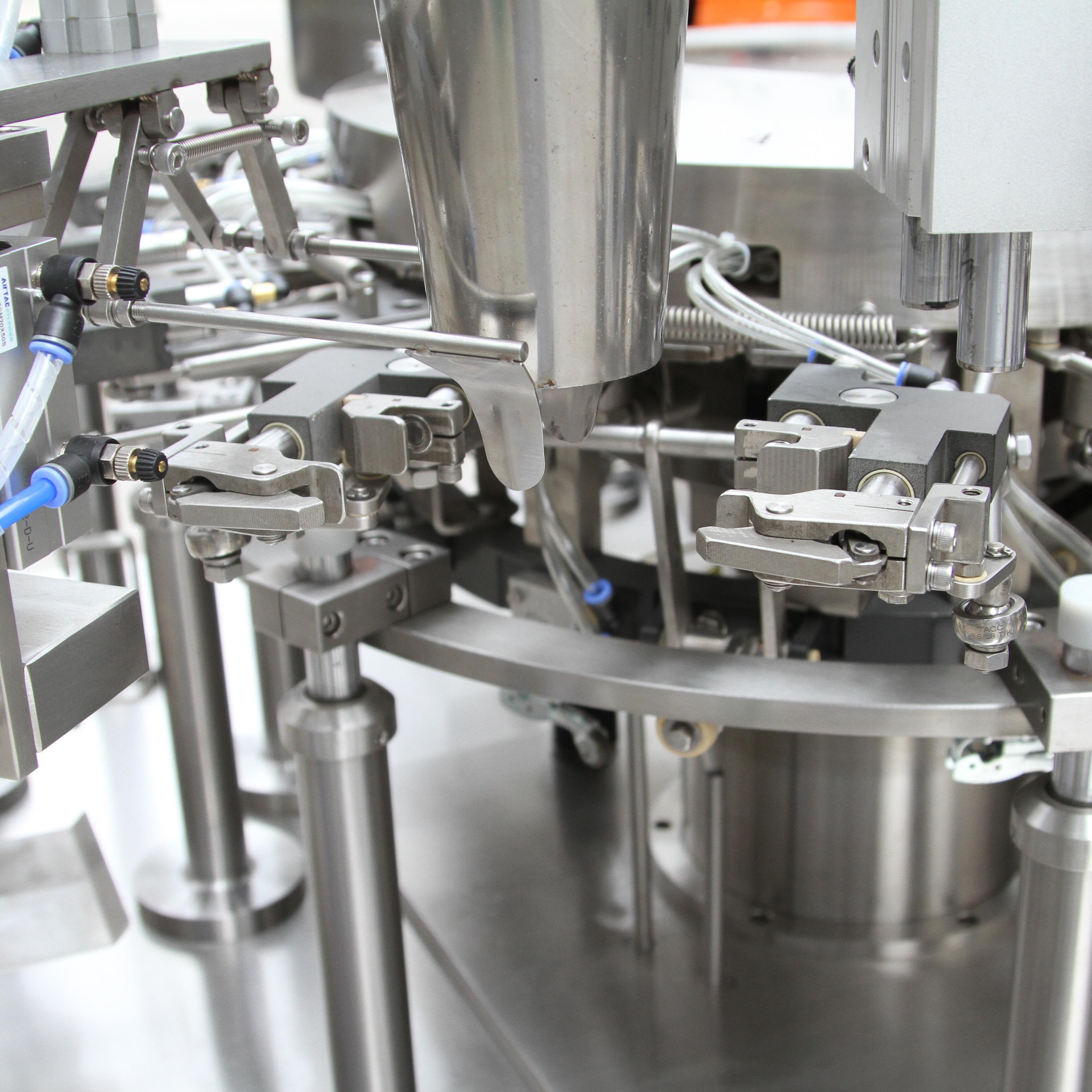
Coffee businesses face a persistent challenge: maintaining bean freshness while scaling production efficiently. A rotary vacuum packing machine addresses this directly by removing air and sealing bags in one continuous motion, preserving flavor and aroma far longer than manual methods. But the real question isn't whether these machines work—it's whether the investment delivers measurable value for your specific operation. This guide examines the economics, operational reality, and decision factors that determine whether a rotary vacuum packing machine truly justifies its cost.
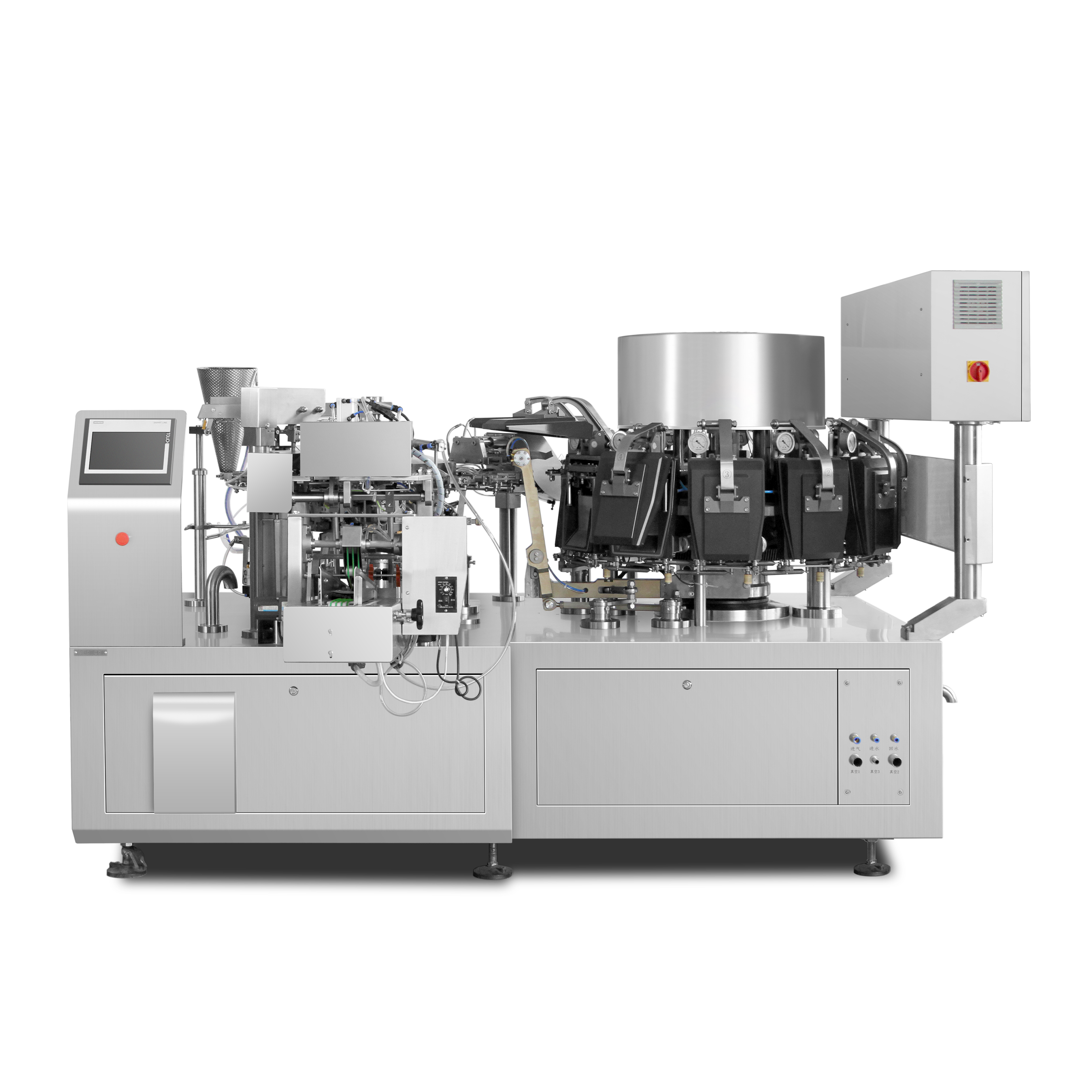
The decision to invest in a rotary vacuum packing machine hinges on throughput volume, product margin, packaging consistency requirements, and competitive positioning. Small artisan roasters with handcrafted batches face different economics than commercial operations packaging 500+ bags daily. Understanding these variables upfront prevents costly mistakes and ensures the machine aligns with your business model and growth trajectory.
A modern rotary vacuum packing machine typically costs between $8,000 and $35,000, depending on speed, features, and build quality. While this represents a significant capital expenditure, the payback analysis must account for labor cost elimination, packaging waste reduction, and shelf-life extension benefits. A business packaging 300 bags daily can recover the investment within 12 to 24 months when comparing labor hours saved against machine depreciation. The rotary vacuum packing machine operates at 10 to 30 bags per minute, depending on model specifications, effectively replacing 2 to 4 full-time manual workers dedicated to sealing and packaging.
Labor displacement represents the largest financial benefit. If each manual packing position costs $45,000 annually (including overhead), and the rotary vacuum packing machine replaces two positions, the annual labor savings exceed $90,000. Subtracting maintenance, electricity, and consumable costs (vacuum pouches, oxygen absorbers), net annual savings typically reach $60,000 to $75,000 for mid-sized operations. This calculation favors investment for any business moving 200+ bags per day.
Manual vacuum sealing generates significantly higher scrap rates than a rotary vacuum packing machine, which maintains consistent seal pressure and temperature across every cycle. Operators manually sealing bags often produce imperfect seals on 3% to 8% of packages, creating waste and potential product loss. A rotary vacuum packing machine reduces seal failures below 0.5%, meaning nearly all packaged coffee reaches customers intact. For a 500-bag weekly operation, this difference translates to avoiding 20 to 40 damaged units per week, or approximately 1,040 to 2,080 wasted bags annually.
Additionally, a rotary vacuum packing machine optimizes bag utilization by removing consistent air volume, allowing smaller bag sizes without compromising product presentation. This standardization reduces inventory complexity and per-unit packaging costs by 5% to 12%, depending on current material consumption patterns.
Oxygen exposure degrads coffee quality through oxidation, which begins immediately after roasting. A properly functioning rotary vacuum packing machine removes 95% to 99% of oxygen from sealed bags, extending viable shelf-life from 3 to 4 weeks (manual sealing) to 12 to 18 weeks (vacuum-sealed). This extended window dramatically improves distribution capability and retail placement value. Coffee businesses can ship to distant markets without rushed delivery timelines, opening geographical revenue opportunities previously impossible with fast-degrading product.
Customer satisfaction directly correlates with freshness. A rotary vacuum packing machine ensures every bag leaving your facility contains optimal oxygen levels, eliminating the variability inherent in manual sealing. Retail partners and direct consumers notice the difference immediately upon opening—superior aroma and flavor retention translate to repeat purchases and brand loyalty. This intangible benefit often exceeds quantifiable labor savings in building market positioning.
Automated rotary vacuum packing machine operation creates documented, repeatable processes that satisfy food safety audits and certification requirements. Every seal cycles at identical pressure and temperature, generating verifiable consistency that manual methods cannot match. Distributors and retailers increasingly demand this uniformity as insurance against product degradation claims. A rotary vacuum packing machine provides the documentation trail necessary for compliance with food handling standards and wholesale contract specifications.
For specialty coffee brands commanding premium pricing, this consistency reinforces brand reputation. Customers expecting premium quality receive uniform packages with reliable freshness, justifying higher per-pound pricing and strengthening lifetime customer value.
A critical worthiness factor is whether your operation actually needs continuous-cycle automation. If annual volume is below 100,000 bags, a smaller rotary vacuum packing machine or semi-automated equipment may prove more cost-effective. The calculation changes when average daily volume falls below 150 bags—manual methods become economically competitive, and capital investment may not justify the fixed cost overhead. Conversely, operations exceeding 500 bags daily almost always benefit from a rotary vacuum packing machine investment, as labor constraints alone create bottlenecks.
Seasonal business patterns also matter. Coffee roasters with 40% of annual volume concentrated in Q4 should model the rotary vacuum packing machine payback across peak season utilization, not average daily throughput. Unused equipment sitting idle during slow months represents wasted capital, while peak-season labor urgency justifies the investment if it prevents production ceiling constraints.
A rotary vacuum packing machine demands regular maintenance: vacuum pump oil changes every 500 operating hours, heating element inspection, seal bar cleaning, and occasional component replacement. Annual maintenance costs typically run $1,500 to $3,000 for commercial models, representing 2% to 5% of the machine's initial cost. Proper maintenance directly impacts seal quality and machine lifespan, making this a non-negotiable expense. Under-investment in maintenance leads to increasing seal failure rates and product loss far exceeding the maintenance budget.
Electricity consumption adds another operational variable. A rotary vacuum packing machine draws 3 to 8 kilowatts during operation, costing $400 to $1,200 annually depending on local electricity rates and utilization frequency. This cost remains negligible compared to labor savings but matters when calculating true operating margins on tightly budgeted operations.
Generally, operations packaging 150 to 200 bags daily or 500+ bags weekly benefit from a rotary vacuum packing machine investment. Below this threshold, manual or semi-automated methods prove more cost-effective. The payback period typically ranges from 12 to 24 months for mid-volume operations, assuming consistent utilization and realistic labor replacement assumptions. Conduct a detailed analysis of your current manual labor costs, packaging waste rates, and growth projections before deciding.
Most modern rotary vacuum packing machine models accommodate various premade bag styles, sizes, and materials—from flat-bottom pouches to gusseted bags with zip locks. However, setup changes and format-specific adjustments add operator time. If your business uses five or more distinct bag formats regularly, the rotary vacuum packing machine changeover complexity increases, potentially offsetting some efficiency gains. Standardizing bag formats simplifies operation and maximizes rotary vacuum packing machine productivity.
A rotary vacuum packing machine offers superior speed and consistency compared to impulse sealers or manual vacuum bags. Impulse sealers work for lower volumes but generate heat unevenly, risking seal failures on delicate bags. Manual vacuum sealing offers maximum flexibility but demands skilled labor and inconsistent results. A rotary vacuum packing machine strikes the balance between speed, consistency, and capability, making it the preferred choice for growing coffee businesses targeting retail distribution and premium brand positioning.

2026/09/20
Premade Pouch Machines: Reduce Film Waste, Cut TCO & Achieve Faster ROI

2026/09/20
Cut Premade Pouch Machine Changeover Time by 40% with Proven Best Practices

2026/09/20
Premade Pouch Machines: Boost Throughput, Cut Waste & Improve ROI

2026/09/20
Rotary vs Inline Premade Pouch Machines: Speed, ROI & Scalability Compared

2026/09/20
Premade Pouch Machine: Boost Throughput, Cut Labor Costs & Improve Seal Integrity

2026/09/21
Premade Pouch Machine: Pouch Types, Materials & Filling Guide

