 EN
How to Reduce Film Waste with a Premade Pouch Packaging Machine?
2026/09/20
Premade Pouch Machines: Reduce Film Waste, Cut TCO & Achieve Faster ROI

2026/10/06
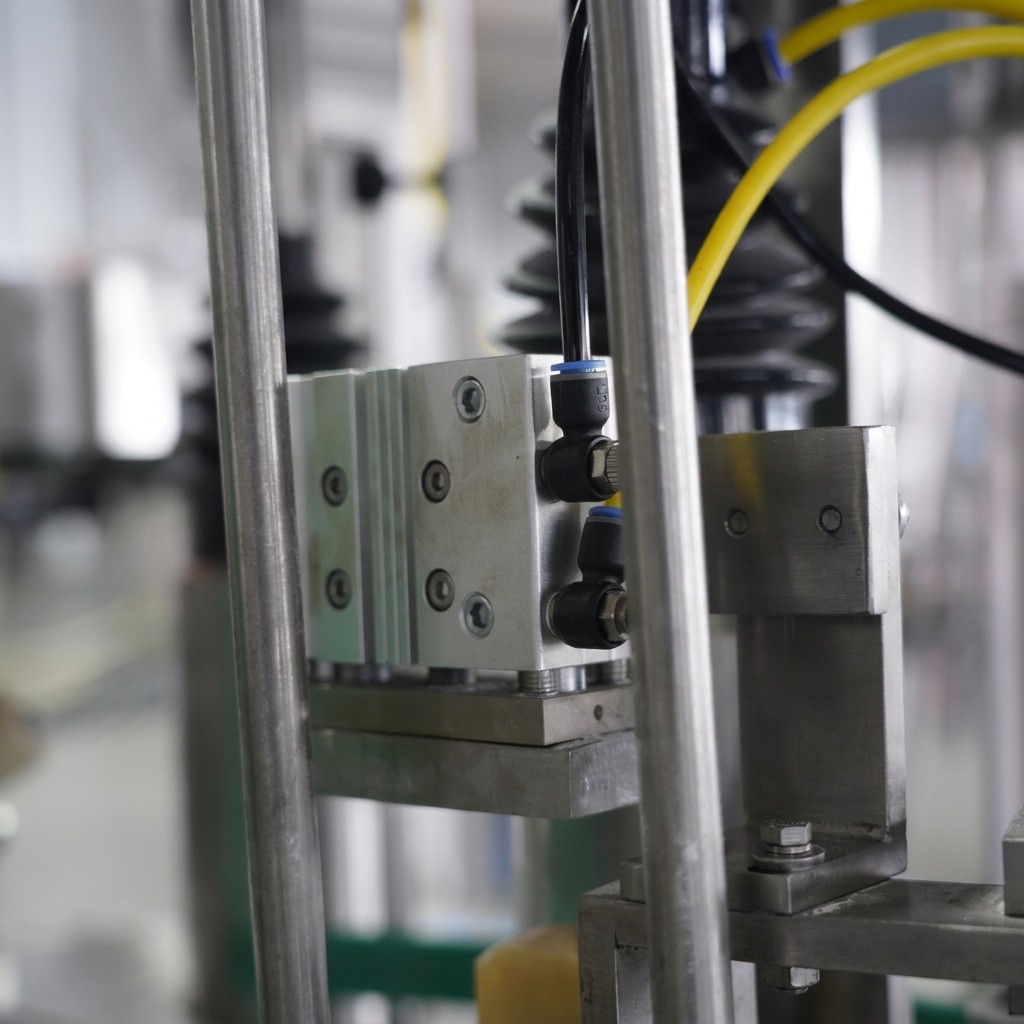
The question of whether a rotary vacuum packing machine is truly effective for nut packaging deserves a direct answer: yes, when selected and operated correctly for your production needs. A rotary vacuum packing machine represents a significant investment in food processing technology, and understanding its actual effectiveness requires moving beyond marketing claims to examine real-world performance metrics, operational efficiency, and practical business outcomes. For nut producers and processors facing competition, shelf-life pressures, and consumer quality expectations, a rotary vacuum packing machine has become increasingly central to production strategy. However, effectiveness is not universal; it depends on machine configuration, product characteristics, operator training, and alignment with your production volume and target market.
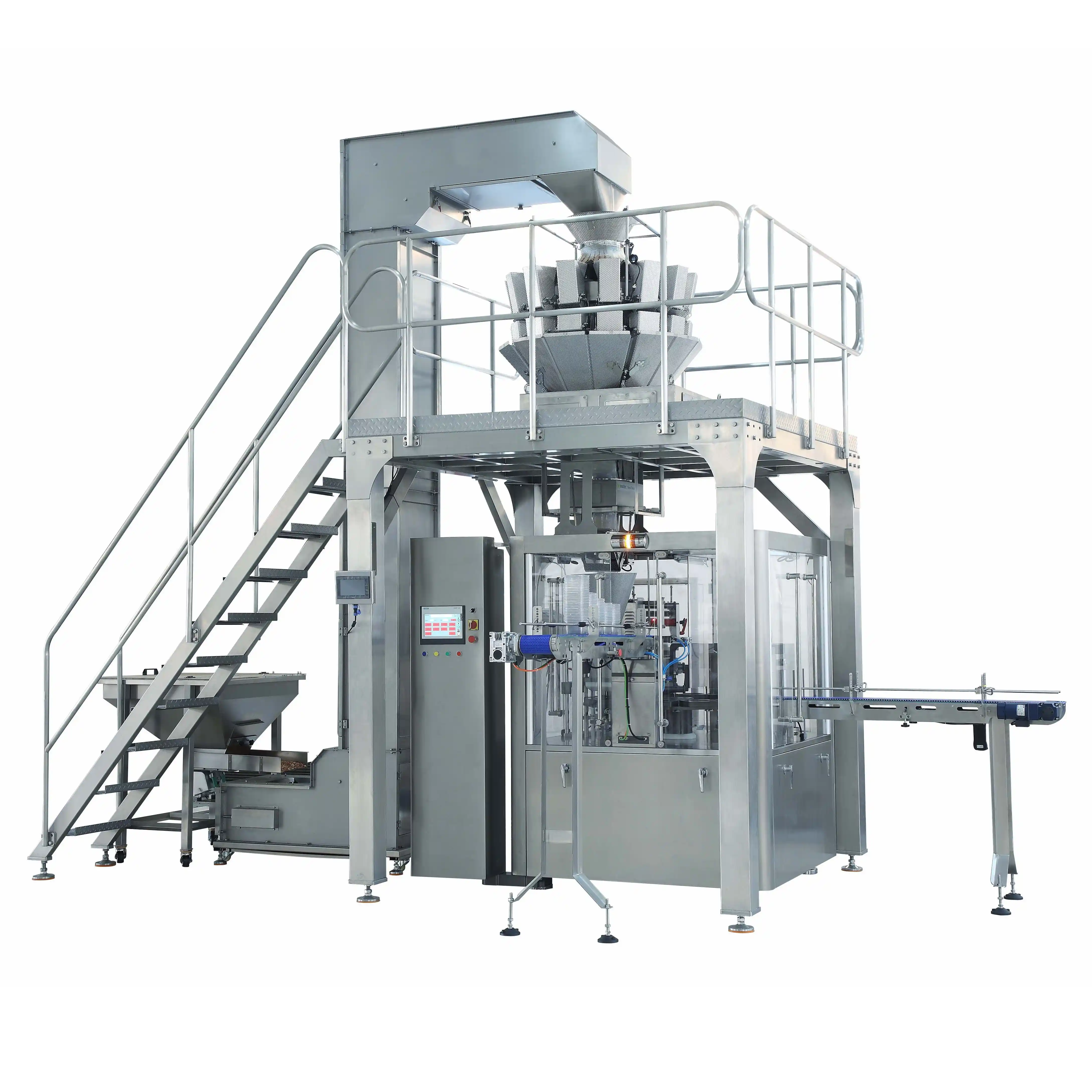
The core value proposition of a rotary vacuum packing machine lies in its ability to remove oxygen, seal containers with precision, and extend shelf life while maintaining product integrity. For nut products specifically—whether roasted, raw, seasoned, or mixed—a rotary vacuum packing machine addresses critical industry challenges: preventing oxidative rancidity, maintaining crispness, reducing moisture uptake, and preserving flavor profiles over extended storage and transport. Unlike manual or intermittent vacuum systems, a rotary vacuum packing machine operates continuously or in rapid cycles, making it suitable for medium to high-volume operations where consistency and throughput directly impact profitability. The machine's rotary chamber design allows simultaneous evacuation and sealing of multiple packages, dramatically improving output per labor hour and reducing per-unit packaging cost.
The primary effectiveness measure of a rotary vacuum packing machine is its ability to reduce oxygen levels inside sealed packages to below 2 percent, compared to 21 percent in normal air. For nut products, this oxygen reduction directly slows oxidative degradation of oils and fats, which is the leading cause of rancidity and off-flavor development. A rotary vacuum packing machine equipped with quality sealing strips and proper vacuum depth settings can achieve residual oxygen levels that extend shelf life from 6 to 12 months or longer, depending on storage conditions and product water activity. This extension is not theoretical; it translates to reduced product waste, fewer customer returns due to quality complaints, and lower markdown costs on aged inventory. Many nut producers report that a rotary vacuum packing machine's vacuum effectiveness directly correlates with measurable improvements in their retail shelf presence and customer satisfaction scores.
A rotary vacuum packing machine eliminates human variability from the vacuum and sealing process. Each package cycle follows the same vacuum curve, dwell time, and sealing temperature profile, ensuring that every nut package meets identical specifications. This consistency is critical for food safety compliance, regulatory audits, and customer quality agreements. With a rotary vacuum packing machine, operators cannot accidentally under-vacuum or over-seal; the machine enforces process parameters consistently, reducing the risk of seal failures, package leaks, or premature spoilage. For nut producers supplying retail chains or food service distributors, this reproducibility becomes a competitive advantage and a risk mitigation tool. A rotary vacuum packing machine's repeatable performance also simplifies troubleshooting; when quality issues arise, they are usually traceable to specific machine settings rather than operator inconsistency.
A rotary vacuum packing machine's rotary chamber design enables multi-station operation, meaning multiple packages are filled, vacuumed, and sealed simultaneously within a single machine cycle. Depending on package size and cycle time, a rotary vacuum packing machine can process 20 to 60 packages per minute, translating to 1,200 to 3,600 units per hour. For comparison, manual or semi-automatic systems achieve 5 to 15 packages per minute. This throughput gain means that a rotary vacuum packing machine can reduce labor per unit by 60 to 75 percent, allowing one operator to manage output that previously required two to three workers. For mid-sized nut processors, this labor efficiency often justifies the capital cost of a rotary vacuum packing machine within 12 to 18 months of operation. Beyond labor, a rotary vacuum packing machine improves floor space utilization; the compact rotary design occupies less footprint than multiple semi-automatic units.
A rotary vacuum packing machine minimizes packaging defects by applying precise heat and pressure to seal areas, reducing micro-leaks and failed seals that waste product and packaging materials. Industry data indicates that a rotary vacuum packing machine typically achieves 98 to 99 percent seal success rates on first cycle, compared to 90 to 95 percent for manual systems. Over a year of high-volume production, this improvement in seal reliability translates to hundreds or thousands of packages saved from waste. Additionally, a rotary vacuum packing machine's vacuum uniformity ensures that nuts maintain their sensory quality and structural integrity throughout the sealed package; products do not collapse, discolor, or lose crispness due to uneven vacuum pressure. This preservation of product quality reduces customer complaints and return rates, effectively multiplying the return on investment for a rotary vacuum packing machine.
Not all nut types respond equally to a rotary vacuum packing machine processing. Whole nuts with intact shells respond exceptionally well to vacuum packing; a rotary vacuum packing machine preserves their shelf life, moisture, and flavor for extended periods. Shelled nuts, pieces, or powders present more complexity; if nuts are too fine or dusty, they can be drawn into the vacuum chamber during evacuation, requiring filtration and potentially affecting a rotary vacuum packing machine's vacuum pump efficiency. Pre-roasted nuts may have slightly higher oil exposure on the surface, making vacuum sealing from a rotary vacuum packing machine even more critical to prevent oxidation. Seasoned or flavored nuts require careful consideration of moisture and salt content, as these factors interact with a rotary vacuum packing machine's vacuum depth to determine final shelf life. Understanding your specific nut product's moisture activity and oil profile is essential to realizing the full effectiveness potential of a rotary vacuum packing machine.
The realized effectiveness of a rotary vacuum packing machine is heavily dependent on machine configuration choices and preventive maintenance discipline. Selecting the correct sealing strip material, calibrating vacuum depth appropriately for your product, and maintaining clean vacuum pump filters are non-negotiable for consistent performance. A poorly maintained rotary vacuum packing machine may achieve only 85 to 90 percent vacuum efficiency, negating much of its theoretical benefit. Conversely, a well-maintained rotary vacuum packing machine operated with proper settings can exceed 98 percent vacuum effectiveness. Many producers underestimate the importance of ongoing maintenance schedules for a rotary vacuum packing machine; treating it as a set-and-forget system often leads to disappointment. Investing in operator training and establishing documented maintenance protocols ensures that your rotary vacuum packing machine delivers the effectiveness you expect over its entire operational lifespan.
A rotary vacuum packing machine is available in configurations supporting package sizes from small 50-gram portions to large 2-kilogram bags, depending on the machine model and chamber capacity. Most commercial rotary vacuum packing machine units are designed with interchangeable sealing dies and adjustable chamber dimensions, allowing a single machine to accommodate multiple package formats without major reconfiguration. For nut producers with diverse product lines, this flexibility makes a rotary vacuum packing machine a particularly cost-effective choice compared to operating multiple dedicated machines.
A rotary vacuum packing machine and continuous-band vacuum systems serve different production volumes and package types. A rotary vacuum packing machine excels at rigid or semi-rigid container sealing, such as cup fill operations, offering superior seal quality and vacuum uniformity. Continuous-band systems are optimized for flexible film pouch sealing and higher throughput at lower cost per unit for compatible formats. For nut packaging in pre-formed containers or portion cups, a rotary vacuum packing machine typically delivers superior results.
For medium to high-volume nut producers, a rotary vacuum packing machine typically achieves full cost recovery and positive ROI within 12 to 24 months through labor savings, reduced product waste, decreased seal failures, and improved shelf-life extension. The exact timeline depends on current production volume, wage rates in your region, existing packaging labor costs, and the specific machine model selected. Producers operating at lower volumes may experience longer ROI timelines, making leasing or shared equipment models viable alternatives to outright purchase.

2026/09/20
Premade Pouch Machines: Reduce Film Waste, Cut TCO & Achieve Faster ROI

2026/09/20
Cut Premade Pouch Machine Changeover Time by 40% with Proven Best Practices

2026/09/20
Premade Pouch Machines: Boost Throughput, Cut Waste & Improve ROI

2026/09/20
Rotary vs Inline Premade Pouch Machines: Speed, ROI & Scalability Compared

2026/09/20
Premade Pouch Machine: Boost Throughput, Cut Labor Costs & Improve Seal Integrity

2026/09/21
Premade Pouch Machine: Pouch Types, Materials & Filling Guide

