 EN
How to Reduce Film Waste with a Premade Pouch Packaging Machine?
2026/09/20
Premade Pouch Machines: Reduce Film Waste, Cut TCO & Achieve Faster ROI

2026/10/03
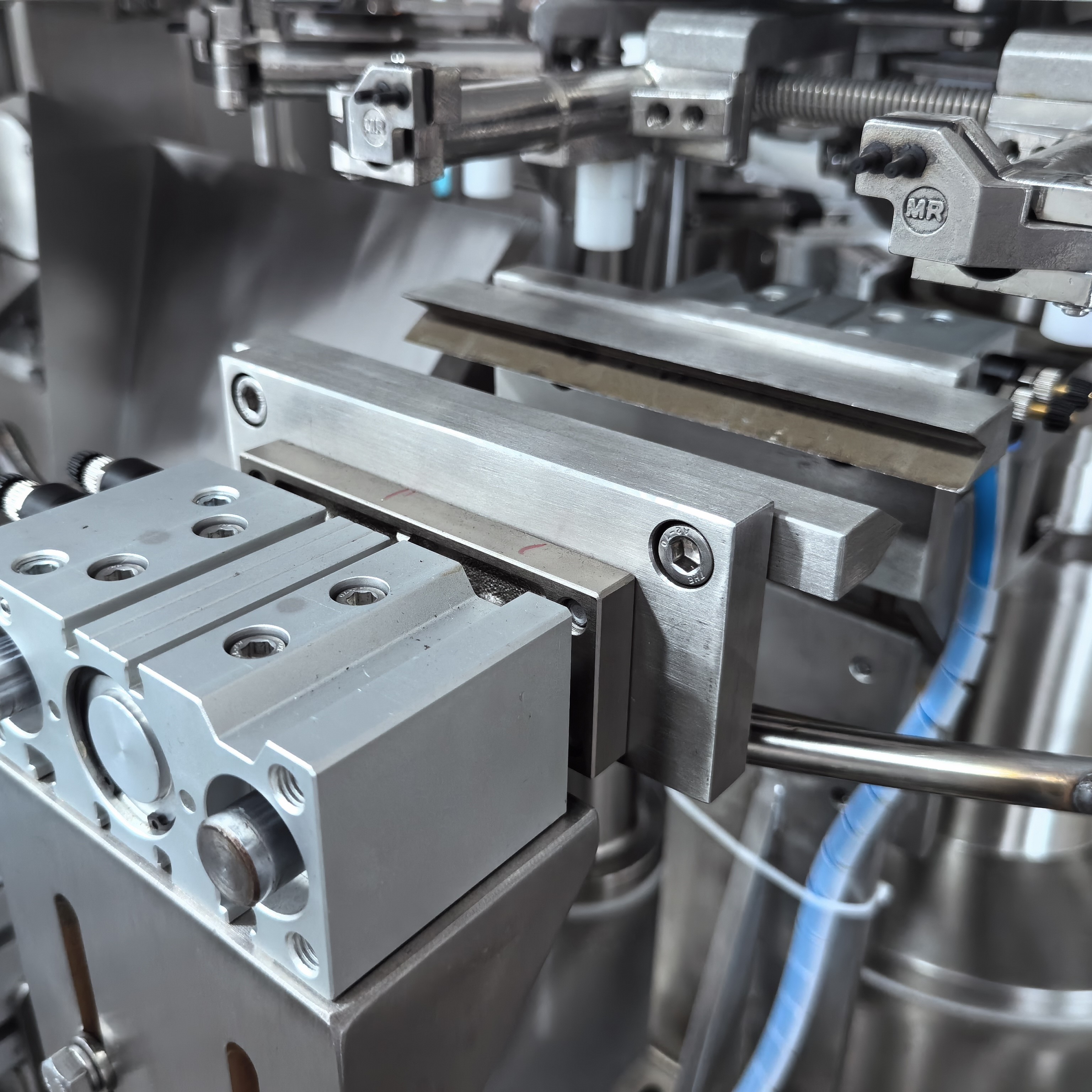
Choosing the right vacuum packaging equipment is a critical decision for food manufacturers, processors, and packaging facilities. Two of the most common technologies in modern packaging operations are the rotary vacuum packing machine and belt vacuum systems. While both serve the fundamental purpose of removing air and sealing products, they operate on distinctly different principles and deliver very different performance characteristics. Understanding these differences helps facility managers, procurement teams, and production directors make informed investment decisions that align with their production volume, product type, and operational requirements.
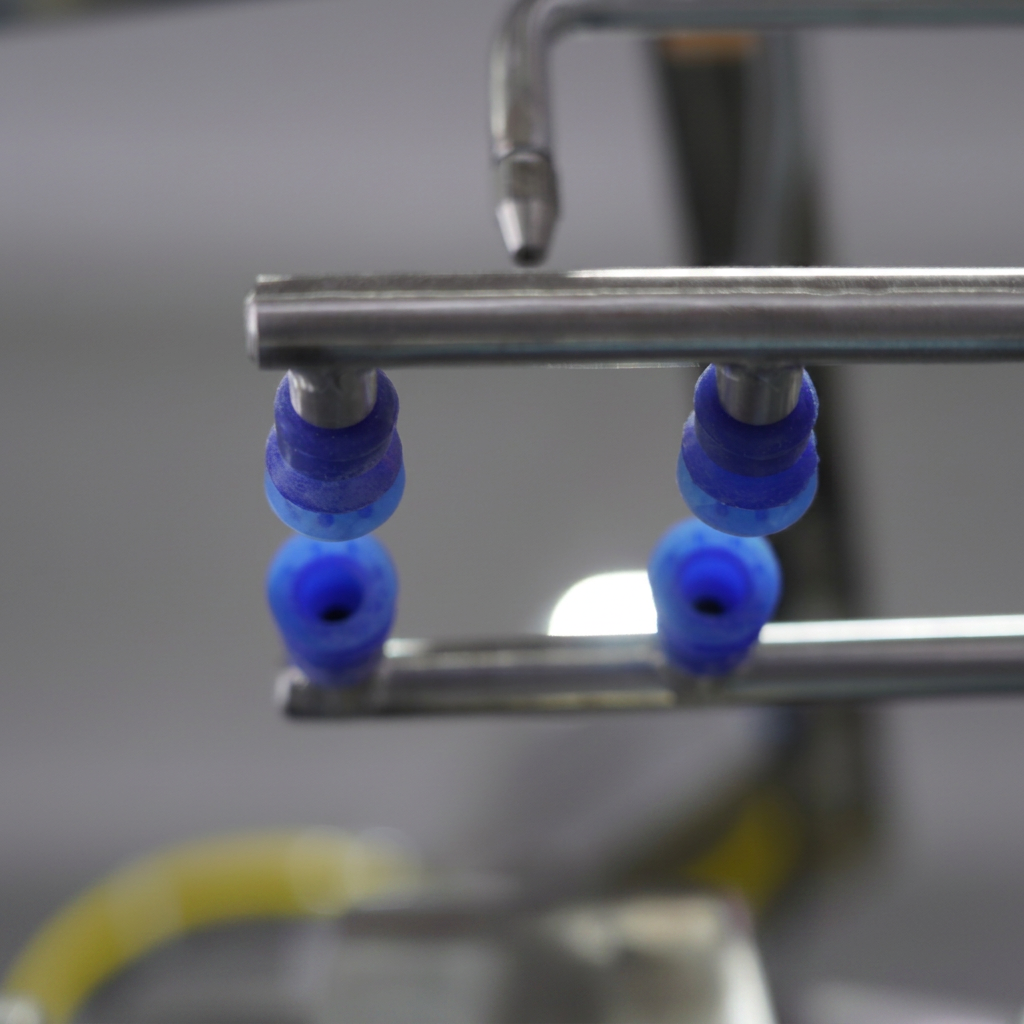
The rotary vacuum packing machine represents a continuous, high-speed packaging solution designed for facilities requiring consistent throughput and automated operation. In contrast, belt vacuum systems offer a different operational model that serves distinct market segments and production scenarios. This guide explores the mechanical design, operational workflow, performance metrics, and real-world suitability factors that distinguish these two vacuum sealing technologies.
A rotary vacuum packing machine operates on a rotating carousel or turret principle where multiple vacuum chambers are positioned around a central spindle. As the carousel rotates, each chamber moves through distinct operational phases: product loading, vacuum application, gas flushing (if applicable), and sealing. This rotary vacuum packing machine design enables simultaneous processing of multiple bags or containers at different stages, creating a continuous production flow even though individual chambers work intermittently. The rotary vacuum packing machine integrates servo motors, PLC controls, and precision timing mechanisms to coordinate chamber movement with vacuum generation and thermal sealing elements.
The rotary vacuum packing machine completes multiple packaging cycles per minute depending on chamber count and product type. Facilities using a rotary vacuum packing machine typically achieve 40 to 120 packages per minute, though high-capacity models exceed this range. Each product spends approximately 8 to 15 seconds in the rotary vacuum packing machine cycle, during which vacuum is progressively applied, optional gas injection occurs, and thermal sealing strips activate. The rotary vacuum packing machine's continuous indexing motion means production never truly stops—as one chamber finishes sealing, the next chamber enters the loading position, and the previous chamber ejects the finished product.
Belt vacuum systems operate using a different fundamental approach where product bags travel continuously along a conveyor belt beneath a vacuum hood or sealing head. Unlike the rotary vacuum packing machine's chamber-based design, belt systems apply vacuum and seal products while they remain on the moving belt surface. The vacuum is typically created using a vacuum pump connected to a chamber or hood that descends over the product section. After vacuum extraction, the sealing element heats and fuses the bag closure. Belt systems are often used for flexible film packaging and work well with pre-formed bags or roll-stock materials that the rotary vacuum packing machine would handle differently.
Belt vacuum systems typically operate at speeds ranging from 20 to 80 packages per minute, though this varies significantly based on bag size and product characteristics. The belt system allows operators to adjust conveyor speed more easily than the rotary vacuum packing machine, making belt systems popular for facilities that frequently change product sizes or package types. However, belt systems generally offer less repeatability in vacuum levels compared to a rotary vacuum packing machine because the vacuum is applied during the belt's forward motion rather than in a stationary chamber. This makes belt systems better suited for product types tolerant of minor vacuum variation or for operations prioritizing flexibility over consistency.
The rotary vacuum packing machine excels in high-volume, consistent-demand scenarios where facilities package the same product continuously throughout the day. Because the rotary vacuum packing machine processes multiple chambers simultaneously on a rotating platform, it achieves higher absolute throughput per machine footprint. Facilities packaging 200 to 500 units per hour typically find the rotary vacuum packing machine delivers superior value and efficiency. Belt vacuum systems serve better in environments with moderate volumes (100 to 300 units per hour) or operations requiring frequent format changes where the rotary vacuum packing machine's fixed chamber setup would necessitate costly retooling.
The rotary vacuum packing machine works optimally with rigid or semi-rigid containers, modified atmosphere packaging (MAP) applications, and pre-sealed bag formats where the rotary vacuum packing machine chamber creates a complete vacuum environment. This sealed chamber approach means the rotary vacuum packing machine applies uniform pressure and vacuum levels, resulting in consistent seal quality and gas retention. Belt systems work effectively with flexible film bags and materials where product shape varies. The rotary vacuum packing machine's chamber-based operation sometimes limits compatibility with very soft or delicate products that might shift excessively during the vacuum phase, whereas belt systems' gentle surface conveyance better accommodates such materials.
The rotary vacuum packing machine requires more floor space due to its carousel structure but consolidates multiple sealing stations into one machine. A typical rotary vacuum packing machine footprint spans 2 to 3 meters in length and width. Belt systems demand longer linear space if operated as standalone units but offer modularity—multiple belt sections can be added or reconfigured. The rotary vacuum packing machine's complexity (servo motors, carousel bearings, synchronized timing) means higher initial capital investment and more specialized maintenance expertise required. Belt systems are mechanically simpler and often cheaper upfront, though they may require more frequent seal failures if vacuum consistency degrades. The rotary vacuum packing machine typically delivers lower cost-per-unit over extended production runs due to throughput advantages, while belt systems often provide better ROI for diverse, lower-volume operations.
A rotary vacuum packing machine is most cost-effective for facilities packaging over 15,000 units weekly. For smaller operations, a belt vacuum system or entry-level rotary vacuum packing machine with fewer chambers may be more practical. The rotary vacuum packing machine's higher capital cost justifies itself through volume efficiency, so facilities with lower throughput demands often find belt systems or manual vacuum sealers more economical.
The rotary vacuum packing machine's primary advantage is consistent, high-speed production with superior seal quality and vacuum retention. Because the rotary vacuum packing machine chambers create isolated vacuum environments, product quality and seal uniformity remain predictable across thousands of cycles. This reliability makes the rotary vacuum packing machine ideal for premium products, modified atmosphere packaging, and high-volume operations where quality consistency is non-negotiable.
Yes, specialized models of rotary vacuum packing machine can accommodate flexible film bags through chambered sealing designs. However, traditional rotary vacuum packing machine models excel with pre-formed rigid or semi-rigid containers where the rotary vacuum packing machine chamber fully seals around the package. Belt vacuum systems remain the preferred choice for standalone flexible film operations because belt systems naturally work with loose materials.

2026/09/20
Premade Pouch Machines: Reduce Film Waste, Cut TCO & Achieve Faster ROI

2026/09/20
Cut Premade Pouch Machine Changeover Time by 40% with Proven Best Practices

2026/09/20
Premade Pouch Machines: Boost Throughput, Cut Waste & Improve ROI

2026/09/20
Rotary vs Inline Premade Pouch Machines: Speed, ROI & Scalability Compared

2026/09/20
Premade Pouch Machine: Boost Throughput, Cut Labor Costs & Improve Seal Integrity

2026/09/21
Premade Pouch Machine: Pouch Types, Materials & Filling Guide

