 EN
How to Reduce Film Waste with a Premade Pouch Packaging Machine?
2026/09/20
Premade Pouch Machines: Reduce Film Waste, Cut TCO & Achieve Faster ROI

2026/10/07
The choice between a rotary vacuum packing machine and skin pack technology represents one of the most critical decisions in modern food and industrial packaging. Both methods deliver superior product protection, extended shelf life, and professional presentation, yet they operate on fundamentally different principles and serve distinct market needs. Understanding the technical differences, cost implications, and application scenarios will help you select the packaging solution that truly aligns with your production requirements and business objectives.
A rotary vacuum packing machine excels at creating airtight seals by drawing air from flexible film bags before heat-sealing them closed. Skin pack technology, conversely, uses rigid or semi-rigid backing material with a flexible film layer that shrinks tightly around the product during heating. Both approaches preserve food quality, prevent oxidation, and maintain hygiene standards, but the operational mechanics, equipment investment, material costs, and suitability for different product categories differ significantly. This guide explores the practical distinctions that matter most to packaging professionals and production managers.
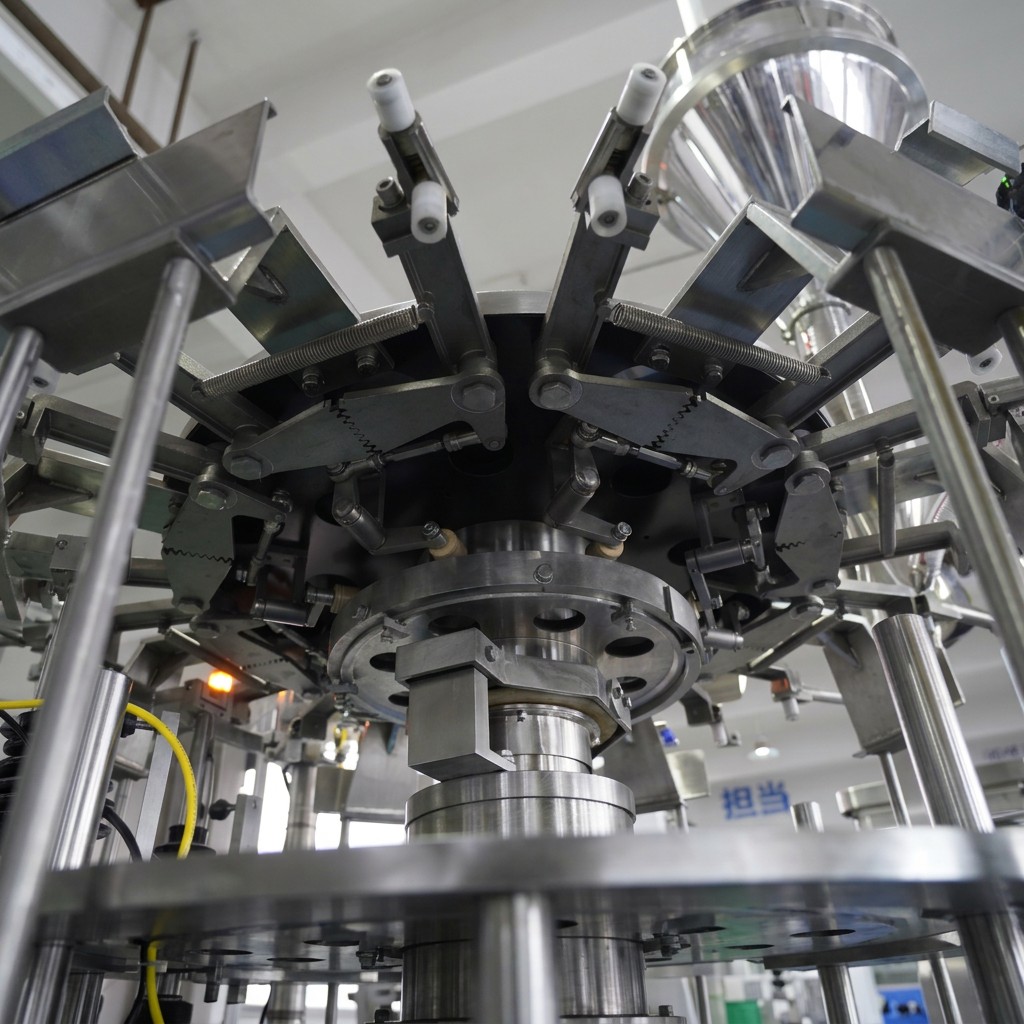
A rotary vacuum packing machine operates through a synchronized rotary carousel system that positions pre-formed bags beneath vacuum and sealing chambers. The machine draws bags from a hopper, precisely fills them with product using integrated weighing or volumetric dosing systems, then rotates them into vacuum stations where air is extracted to create a tight seal around the contents. The rotary vacuum packing machine system then applies controlled heat to fuse the film layers, locking in freshness and extending shelf life by weeks or even months depending on product type. This continuous rotary motion enables consistent high-speed production, typically handling 30 to 150 bags per minute depending on the machine model and product characteristics.
The rotary vacuum packing machine delivers exceptional versatility across diverse product categories including meats, seafood, cheeses, coffee, nuts, dehydrated foods, and specialty items. Because it works with flexible film bags, your rotary vacuum packing machine requires lower initial capital investment compared to rigid tray-based systems, making it accessible for small and medium enterprises entering the vacuum-sealed market. The film bags are widely available, cost-effective, and customizable with branding, nutritional information, and visual design elements that enhance shelf appeal. Speed and efficiency make the rotary vacuum packing machine ideal for high-volume production environments where consistent output and minimal downtime are priorities.
Skin pack technology combines rigid or semi-rigid trays with a flexible film layer that adheres directly to the product surface through heat and controlled pressure. Unlike a rotary vacuum packing machine, skin pack systems do not require pre-formed bags; instead, the backing tray is filled with product, then a film web is drawn across the top and heated until it shrinks tightly, creating a protective seal that conforms to product contours. The skin pack process maintains rigidity around the base, providing superior structural support during transportation and storage while the flexible film layer creates an oxygen barrier that preserves product quality. Skin pack technology excels particularly with delicate, fragile, or irregularly shaped items that require cushioning support alongside vacuum protection.
Skin pack solutions outperform a rotary vacuum packing machine in scenarios involving premium, presentation-critical products where visual appeal and shelf impact drive purchasing decisions. The rigid tray base protects expensive items such as specialty meats, premium seafood, gourmet cheeses, or pharmaceutical products from crushing, shifting, or damage during the entire supply chain journey. Consumers perceive skin pack packaging as more upscale and professional compared to flexible bags, justifying premium pricing strategies in retail environments. However, skin pack typically requires higher equipment investment and ongoing tray costs, making it less economical for high-volume commodity products where a rotary vacuum packing machine delivers better return on investment.
A rotary vacuum packing machine typically demands lower initial equipment investment, ranging from moderately priced entry-level models to premium high-speed systems serving major processors. Operating a rotary vacuum packing machine incurs flexible film costs per bag, which scale with production volume and customization complexity. Skin pack systems require significant upfront capital expenditure for equipment, but ongoing material costs depend on tray specifications and film gauge rather than per-unit bag pricing. For businesses projecting annual volumes exceeding 500,000 units, a rotary vacuum packing machine often delivers lower total cost of ownership; for lower volumes or premium-positioning strategies, skin pack may justify its expense through margin enhancement and reduced waste.
A rotary vacuum packing machine suits flexible products including sliced meats, ground meats, seafood fillets, cheese blocks, coffee beans, nuts, dried fruits, and powder-based items where product shape is relatively uniform or compressible. Skin pack technology better serves rigid, fragile, or premium items such as whole steaks, thick fish portions, specialty seafood, luxury cheeses, pharmaceuticals, automotive components, and electronics requiring cushioned display protection. Your product category ultimately determines whether a rotary vacuum packing machine or skin pack provides superior protection, presentation, and economic efficiency within your specific production environment.
A rotary vacuum packing machine achieves faster throughput due to its continuous rotary carousel design, with modern machines reaching 100 to 150 bags per minute on full automation. Skin pack systems typically operate at 15 to 60 packages per minute depending on tray complexity, film web configuration, and heating cycle duration. If your operation demands ultra-high-speed output with minimal labor intervention, a rotary vacuum packing machine provides superior efficiency; if production volumes are moderate and presentation quality commands priority, skin pack offers acceptable speed while delivering premium appearance and protection.
Begin by analyzing your product category, target market positioning, production volume projections, and shelf-life requirements to determine whether a rotary vacuum packing machine or skin pack aligns with your business strategy. If your primary objective is maximizing production speed while minimizing equipment costs, a rotary vacuum packing machine provides superior value; if protecting premium products, enhancing visual appeal, and commanding price premiums matter most, skin pack justifies its investment. Consider your supply chain logistics, retail display format, consumer expectations, and competitive positioning within your industry segment before finalizing your technology investment.
Transitioning to a rotary vacuum packing machine or skin pack system requires staff training, process optimization, and potential supply chain adjustments for film or tray sourcing. A rotary vacuum packing machine typically integrates more smoothly into existing production lines due to standardized film bag compatibility; skin pack implementation demands more comprehensive facility modifications and backing tray inventory management. Evaluate your technical support requirements, equipment maintenance complexity, and vendor responsiveness before committing to either technology, as reliable after-sales service directly impacts your operational continuity and production efficiency.
A rotary vacuum packing machine removes air from pre-formed flexible film bags containing products like meats, seafood, coffee, nuts, and cheese, then heat-seals them to extend shelf life by weeks or months. The machine preserves product freshness, prevents oxidation, maintains hygiene, and creates professional retail-ready packaging at high speeds suitable for commercial food production and specialty item packaging.
Skin pack technology generally outperforms a rotary vacuum packing machine for expensive, delicate, or premium products because the rigid tray base provides superior structural protection during shipping and storage while the flexible film creates an oxygen barrier. Skin pack also enhances shelf appeal and justifies premium retail pricing through professional, upscale presentation that consumers associate with quality and care. However, a rotary vacuum packing machine remains suitable for many high-value items when product protection and cost efficiency are balanced against premium positioning objectives.
A rotary vacuum packing machine typically costs 30 to 50 percent less than equivalent skin pack systems, with entry-level models starting around USD 15,000 to 30,000 and high-speed models reaching 100,000 to 200,000 depending on speed, automation features, and customization. Skin pack equipment generally ranges from 40,000 to 250,000 USD plus ongoing tray inventory costs; however, the higher investment may yield better returns for premium products commanding significant price premiums in retail channels where presentation drives consumer purchasing decisions.

2026/09/20
Premade Pouch Machines: Reduce Film Waste, Cut TCO & Achieve Faster ROI

2026/09/20
Cut Premade Pouch Machine Changeover Time by 40% with Proven Best Practices

2026/09/20
Premade Pouch Machines: Boost Throughput, Cut Waste & Improve ROI

2026/09/20
Rotary vs Inline Premade Pouch Machines: Speed, ROI & Scalability Compared

2026/09/20
Premade Pouch Machine: Boost Throughput, Cut Labor Costs & Improve Seal Integrity

2026/09/21
Premade Pouch Machine: Pouch Types, Materials & Filling Guide

