 EN
How to Reduce Film Waste with a Premade Pouch Packaging Machine?
2026/09/20
Premade Pouch Machines: Reduce Film Waste, Cut TCO & Achieve Faster ROI

2026/09/22
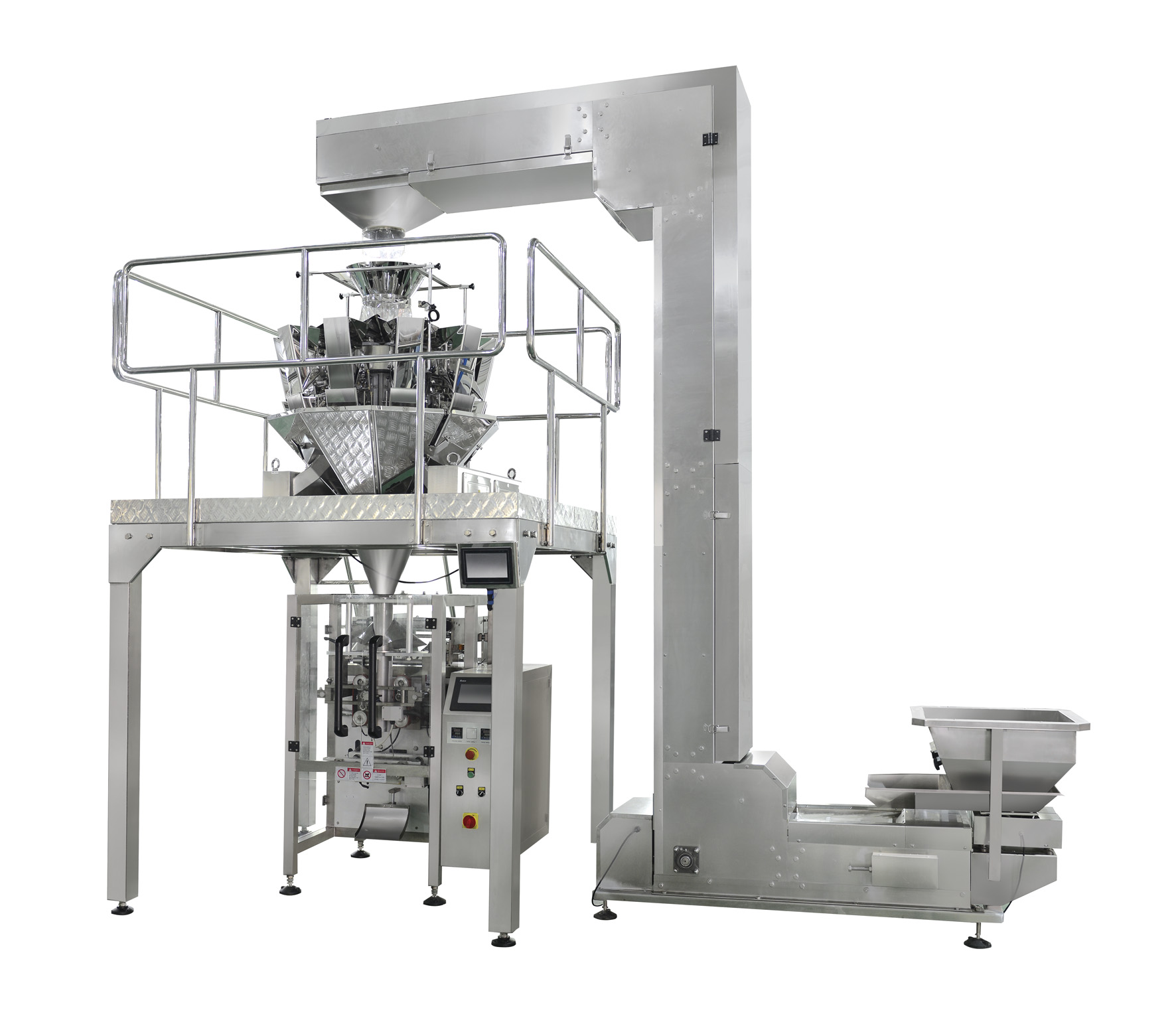
In the competitive world of packaging machinery, choosing between a vertical bagger and a VFFS machine represents one of the most critical decisions for manufacturers and producers. Both systems excel at automating the packaging process, but they operate on fundamentally different principles and serve distinct production scenarios. Understanding the core differences between these technologies is essential for optimizing your packaging line, reducing operational costs, and meeting market demands effectively. A vertical bagger and VFFS machine may seem interchangeable at first glance, but their design, functionality, and application requirements differ significantly. This comprehensive guide explores what sets a vertical bagger apart from a VFFS machine, helping you make an informed decision tailored to your specific business needs.
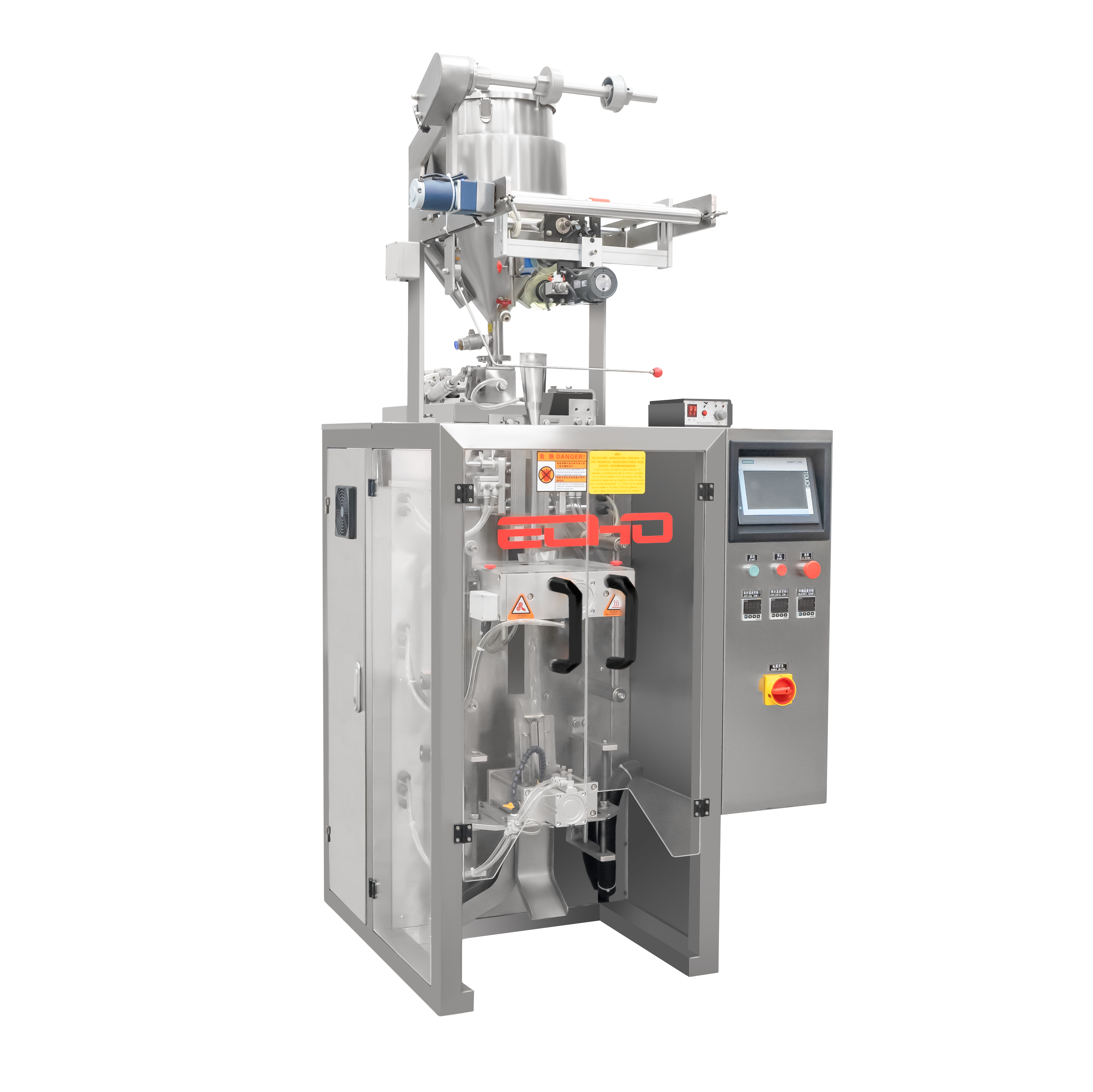
The packaging machinery landscape has evolved dramatically over the past two decades, with innovations in automation, precision, and speed. Many producers struggle to differentiate between a vertical bagger and traditional VFFS technology because marketing materials often blur these distinctions. However, the mechanical architecture, film handling, sealing mechanisms, and throughput capabilities of a vertical bagger versus a VFFS machine create meaningful performance and cost implications that directly impact your bottom line.
A vertical bagger operates by forming a continuous tube of packaging film around a central mandrel or tube former. The product material flows downward through this formed film tube, while the vertical bagger simultaneously applies heat-seal closure at the bottom of each package. This architecture defines the vertical bagger as a machine that creates packages in a vertical orientation, with sealing happening at the lower edge. The vertical bagger's design allows the film to wrap completely around the product, creating a fully enclosed package with seals on both ends. This mechanism makes a vertical bagger particularly efficient for granular, powdered, and free-flowing products that benefit from complete film enclosure. The simplicity of the vertical bagger's core operation—film formation followed by bottom seal—contributes to its reliability and ease of maintenance compared to more complex packaging systems.
The vertical bagger incorporates several critical mechanical components that work in coordinated sequence. The film supply and unwinding mechanism feeds continuous film stock into the vertical bagger's forming tube. Inside the vertical bagger, the forming tube shapes this film into the required diameter, with the product feeding through the center. The vertical bagger's heat sealing jaw then creates the longitudinal seal (running along the package length) and applies the bottom cross seal. Below the vertical bagger's sealing station, a cutting mechanism separates individual packages from the continuous tube. This straightforward component arrangement means a vertical bagger requires less complexity than comparable packaging equipment, translating to lower maintenance costs and higher uptime percentages. The vertical bagger's mechanical simplicity also enables faster changeovers when switching between product sizes or film types.
VFFS stands for Vertical Form-Fill-Seal, which technically describes what a vertical bagger does as well. However, in industry terminology, a VFFS machine typically refers to a system using pre-formed film rolls or web stock that the machine forms, fills, and seals in rapid succession. A VFFS machine pulls film from the supply roll and forms it around a vertical mandrel, but the mechanism differs from a traditional vertical bagger in several important ways. A VFFS machine often incorporates more sophisticated film tensioning and guiding systems to handle thinner gauge films at higher speeds. The VFFS machine's design typically prioritizes speed and throughput over the versatility offered by a vertical bagger, making it ideal for high-volume, consistent-product environments. A VFFS machine excels when processing uniform products in large quantities, whereas a vertical bagger provides greater flexibility across different product types and film specifications.
VFFS machine manufacturers engineer their systems for maximum cycles-per-minute, targeting operations where speed directly impacts profitability. A modern VFFS machine can achieve 40 to 200 cycles per minute depending on package size and configuration, compared to a vertical bagger which typically ranges from 20 to 120 cycles per minute. The VFFS machine's streamlined design focuses on consistent, repetitive operations with minimal downtime between cycles. However, this speed advantage of a VFFS machine comes with trade-offs in flexibility and adaptability. A VFFS machine generally requires more precise setup and adjustment when transitioning between product lines compared to a vertical bagger. The VFFS machine's reliance on consistent film gauge and tension means that variations in raw materials can cause performance issues that a vertical bagger might handle more gracefully due to its mechanical tolerance ranges.
The vertical bagger represents an excellent choice when your operation requires flexibility across multiple product types, weights, or densities. A vertical bagger excels when packaging items like coffee, spices, dried herbs, flour, sugar, pet food, nuts, and similar free-flowing materials. The vertical bagger's adaptability makes it superior for producers managing several SKUs on the same production line, as changeovers between a vertical bagger's configurations can be completed in minutes rather than hours. A vertical bagger also proves more forgiving with variations in product characteristics, making it ideal for operations using multiple suppliers or experiencing seasonal variations in product properties. Additionally, a vertical bagger typically requires lower capital investment compared to equivalent-capacity VFFS equipment, making it attractive for mid-sized producers or those building new packaging facilities with budget constraints. The maintenance costs associated with a vertical bagger remain lower throughout its operational lifetime due to fewer complex components and easier troubleshooting procedures.
A VFFS machine becomes the optimal choice when your facility processes a single product or very limited product variations in massive quantities. Large-scale beverage producers, established snack manufacturers, and industrial-scale food processors favor VFFS machines because the speed and consistency advantages justify the precision required in setup and material specifications. A VFFS machine delivers superior cost-per-unit when running production at high volumes, as the reduced cycle time directly lowers packaging labor and energy costs. A VFFS machine also integrates more readily with sophisticated downstream automation systems, including advanced vision inspection, metal detection, and robotic case packing equipment. For operations where consistent package appearance and seal integrity are paramount compliance requirements, a VFFS machine provides tighter process control than a vertical bagger. The VFFS machine's precision also makes it preferable when packaging premium products where consumers expect uniform presentation and reliability.
A vertical bagger typically requires 20 to 40 percent less initial capital investment compared to a comparable-speed VFFS machine. This cost advantage of choosing a vertical bagger can be significant when capital budgets are constrained or when establishing multiple production lines. However, total cost of ownership extends beyond purchase price to include operating expenses, maintenance, and efficiency metrics over the machine's lifespan. A VFFS machine, despite higher upfront costs, can deliver lower per-unit packaging costs when operating at maximum capacity with consistent high-volume runs. A vertical bagger's lower operating complexity means fewer spare parts inventory requirements and simpler training needs for maintenance technicians, reducing hidden costs across the operation. The choice between a vertical bagger and VFFS machine ultimately depends on your production volume, product mix flexibility, capital availability, and long-term production roadmap.
Yes, both a vertical bagger and VFFS machine can package many of the same product types, particularly free-flowing materials like powders, granules, and small solid items. However, a vertical bagger handles product variations more gracefully, while a VFFS machine requires more consistent product properties for optimal performance. The choice depends on your specific production needs, volume requirements, and flexibility demands rather than product type alone.
A vertical bagger typically requires less frequent maintenance and simpler repair procedures due to its straightforward mechanical design. A VFFS machine involves more complex components and precision calibration, potentially requiring more specialized technical expertise. A vertical bagger's maintenance advantages translate to lower total cost of ownership for many operations, particularly those with limited in-house technical resources.
A vertical bagger can achieve respectable cycle rates from 40 to 120 packages per minute depending on configuration and product characteristics. While a VFFS machine typically runs faster, a vertical bagger provides adequate speed for many mid-volume operations. The vertical bagger's superior flexibility often outweighs its lower maximum speed for producers managing multiple products or requiring frequent changeovers.

2026/09/20
Premade Pouch Machines: Reduce Film Waste, Cut TCO & Achieve Faster ROI

2026/09/20
Cut Premade Pouch Machine Changeover Time by 40% with Proven Best Practices

2026/09/20
Premade Pouch Machines: Boost Throughput, Cut Waste & Improve ROI

2026/09/20
Rotary vs Inline Premade Pouch Machines: Speed, ROI & Scalability Compared

2026/09/20
Premade Pouch Machine: Boost Throughput, Cut Labor Costs & Improve Seal Integrity

2026/09/21
Premade Pouch Machine: Pouch Types, Materials & Filling Guide

