 EN
How to Reduce Film Waste with a Premade Pouch Packaging Machine?
2026/09/20
Premade Pouch Machines: Reduce Film Waste, Cut TCO & Achieve Faster ROI

2026/10/27
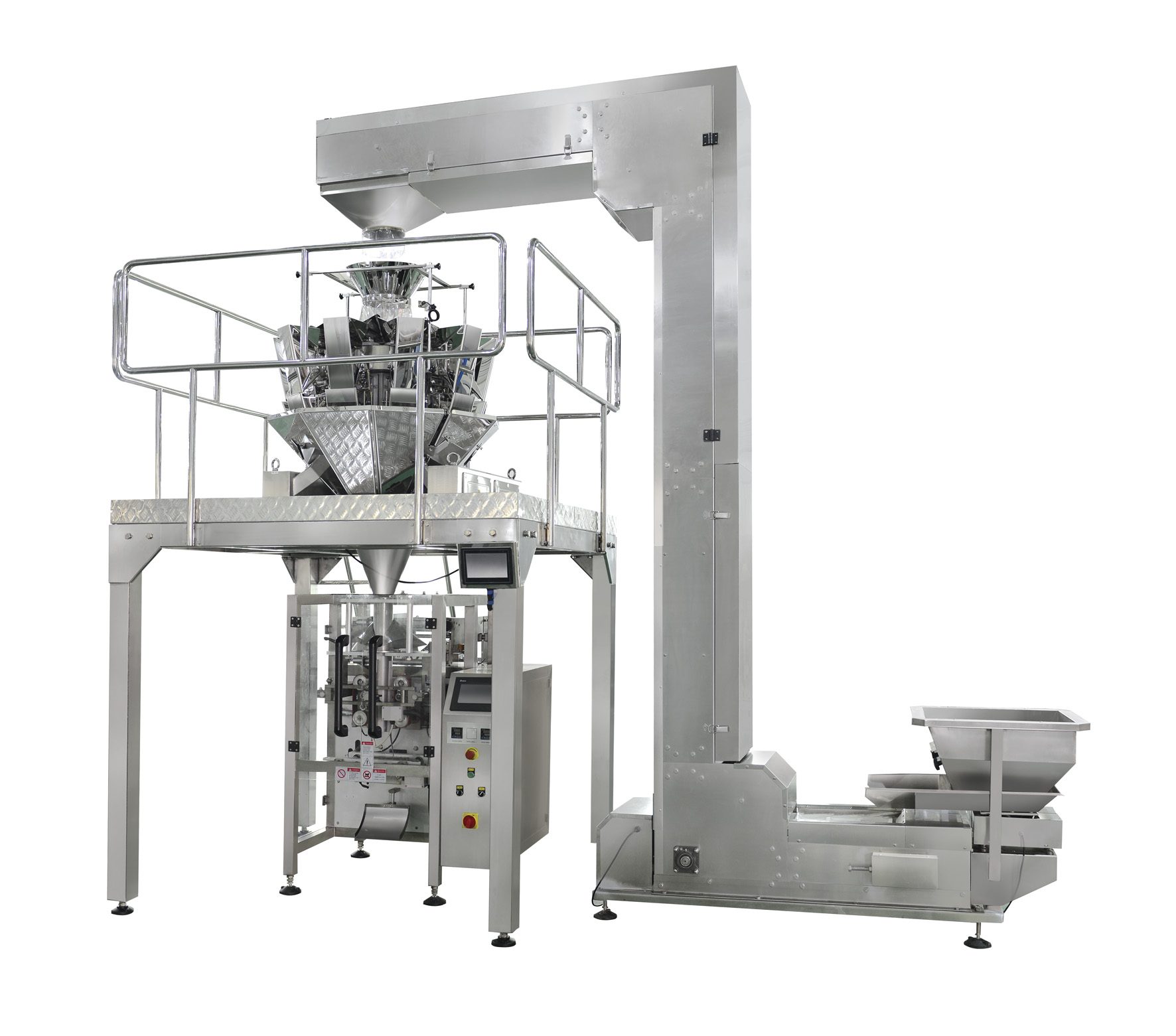
Flour production and distribution require reliable, efficient packaging solutions that maintain product quality while meeting high-speed operational demands. A vertical form fill seal machine has become the industry standard for automating the entire packaging process from film roll unwinding to sealed bag output. This technology combines forming, filling, and sealing into a single continuous operation, making it indispensable for flour manufacturers seeking to optimize production efficiency while maintaining consistent package quality and food safety standards.
Understanding how a vertical form fill seal machine operates, its core advantages, and the specific considerations for flour packaging can help production managers make informed purchasing and operational decisions. Whether you operate a small-batch artisanal flour mill or a large-scale commodity flour facility, selecting the right vertical form fill seal machine for flour requires knowledge of machine capabilities, film compatibility, filling accuracy, and long-term cost implications. This comprehensive guide walks you through everything you need to know about vertical form fill seal machines designed specifically for flour applications.
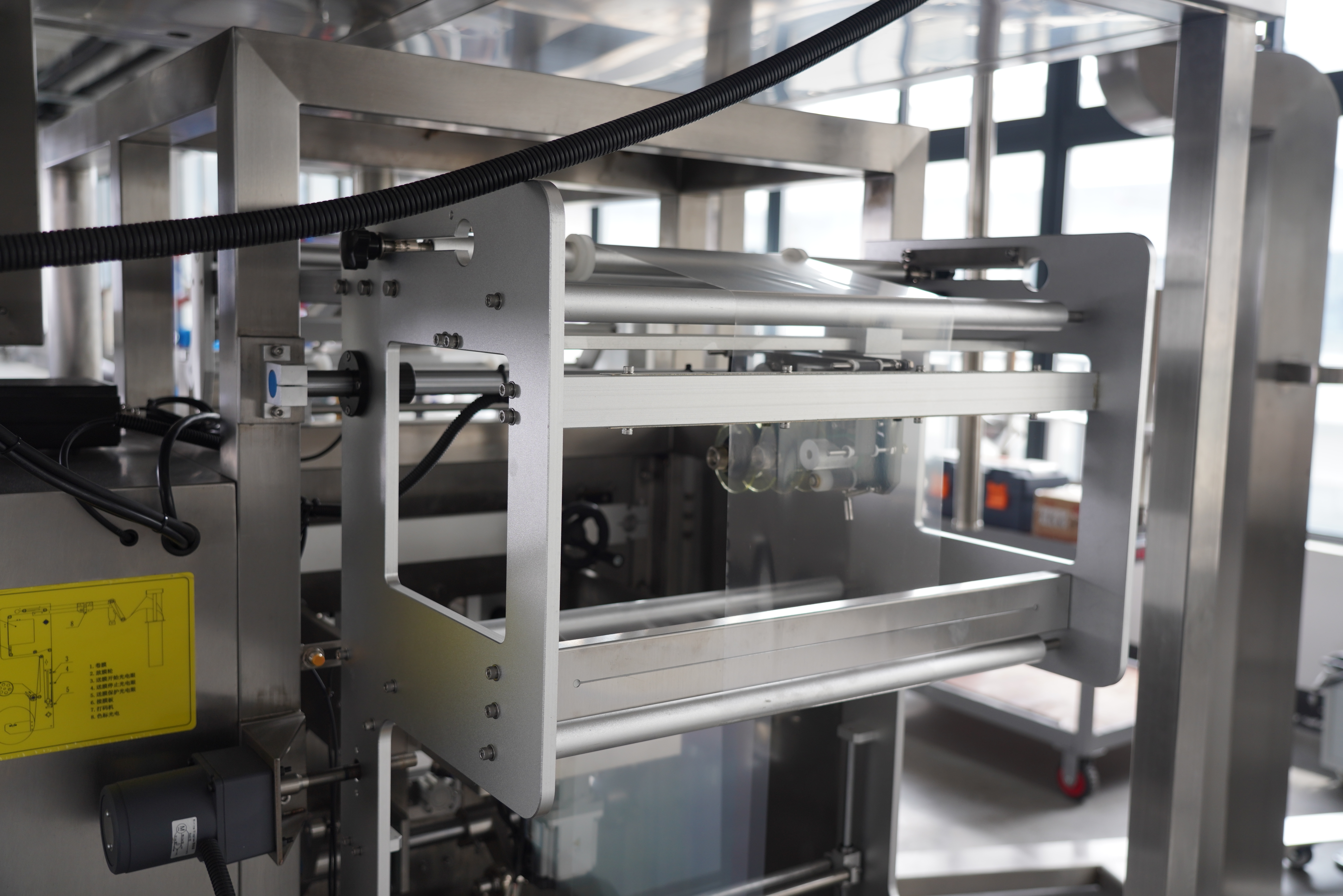
A vertical form fill seal machine works by drawing flat film from a roll and forming it into a tube shape as it moves downward. The vertical form fill seal machine uses heated rollers and mechanical guides to fold the film edges together and create a continuous vertical seal along one side of the package. Once the tube is formed, the vertical form fill seal machine introduces flour through a hopper positioned above the forming zone, dispensing precise portions into each bag as it progresses through the machine. After the flour fills the bag to the programmed weight, the vertical form fill seal machine activates top and bottom seal jaws that simultaneously close and seal the package using heat and pressure, creating durable, airtight seals.
Each cycle of the vertical form fill seal machine takes only seconds, with modern equipment capable of producing 30 to 120 bags per minute depending on bag size and machine model. The vertical form fill seal machine maintains precise timing through servo motors and programmable logic controllers that coordinate film movement, filling intervals, and seal activation. For flour packaging, this precision ensures consistent bag weights and minimizes product giveaway while preventing underfilled packages that could trigger regulatory compliance issues. The vertical form fill seal machine also incorporates automated start-stop functions and product sensing systems that detect when flour is available in the hopper, ensuring seamless operation throughout production shifts.
A vertical form fill seal machine accommodates various film types and thicknesses, from standard polyethylene to barrier films that extend flour shelf life. The vertical form fill seal machine can handle coextruded films, metallized films, and specialty materials that protect flour from moisture, oxygen, and light exposure. This flexibility means a single vertical form fill seal machine can process different product variants and package designs with minimal changeover time, helping flour producers respond quickly to market demands and customer preferences. The ability to switch between film types on the same vertical form fill seal machine enhances production versatility without requiring substantial capital investment in multiple machines.
Modern vertical form fill seal machine systems integrate multi-head weighing or volumetric filling technology that ensures each flour package meets specification within tight tolerances. The vertical form fill seal machine reduces product variation, waste, and customer complaints stemming from inconsistent fill weights. High-speed operation of a vertical form fill seal machine significantly reduces per-unit packaging costs while increasing production throughput, giving flour manufacturers a competitive advantage in price-sensitive markets. The vertical form fill seal machine also reduces labor requirements by automating tasks that would otherwise require manual packaging effort, lowering overall operating expenses.
A vertical form fill seal machine designed for food applications incorporates stainless steel construction, removable contact parts, and open design architecture that facilitate thorough cleaning and sanitation. The vertical form fill seal machine meets stringent FDA, FSMA, and ISO 22000 food safety requirements that modern flour producers must satisfy. Sealed bags produced by a vertical form fill seal machine provide tamper-evident packaging, protecting consumer safety and brand reputation. Emergency stop buttons, safety interlocks, and guarding on the vertical form fill seal machine prevent operator injury while ensuring compliance with occupational safety standards in production facilities.
Flour producers must align vertical form fill seal machine capacity with their target production volume, accounting for both current demand and anticipated growth. A vertical form fill seal machine rated for 60 bags per minute would be inadequate for operations needing 100 bags per minute, yet an oversized vertical form fill seal machine wastes capital on excess capacity. Consider production scheduling across shifts, downtime for maintenance and changeovers, and peak season demands when evaluating vertical form fill seal machine specifications. A right-sized vertical form fill seal machine operates efficiently near its rated capacity, delivering cost-effective per-unit packaging economics.
The vertical form fill seal machine must accommodate your target bag sizes and film widths while maintaining structural stability and seal quality. A vertical form fill seal machine with adjustable forming collars and modular components can process multiple bag sizes by changing mechanical settings rather than requiring format-specific machines. Review the vertical form fill seal machine specifications for maximum and minimum bag dimensions, seal width capabilities, and film roll diameter to ensure compatibility with your packaging materials and production plans. The vertical form fill seal machine should provide easy, tool-free adjustment mechanisms that minimize changeover time between different flour products or package formats.
Evaluate how the vertical form fill seal machine connects to upstream flour milling equipment, downstream case packing systems, and facility utilities. A vertical form fill seal machine requires reliable compressed air, electrical power, and temperature control, which your facility must supply consistently. Consider the physical footprint of the vertical form fill seal machine and whether your production space can accommodate it without disrupting workflow. The vertical form fill seal machine should integrate seamlessly with your quality assurance systems, allowing real-time monitoring of fill weights, seal integrity, and production metrics for complete traceability.
A well-maintained vertical form fill seal machine typically operates reliably for 10 to 15 years in continuous flour production environments. The actual lifespan depends on maintenance frequency, operating conditions, and the intensity of use. Regular cleaning, seal jaw replacement, and preventive maintenance extend the vertical form fill seal machine's operational life and performance reliability. Some facilities keep their vertical form fill seal machine in service even longer by investing in component upgrades and refurbishment programs that modernize control systems and mechanical assemblies.
Yes, a vertical form fill seal machine with modular design can switch between flour types and bag sizes through mechanical adjustments and software reconfiguration. Changing the vertical form fill seal machine from one bag format to another typically requires 15 to 30 minutes, depending on the magnitude of the change. The vertical form fill seal machine operator adjusts forming collars, film guides, fill parameters, and seal specifications to match the new product specification. Modern vertical form fill seal machines store multiple format profiles in their control systems, making format switches efficient and consistent with minimal operator intervention.
A vertical form fill seal machine requires daily cleaning of film contact surfaces and hopper components to prevent flour residue buildup and product cross-contamination. Weekly deep cleaning of the vertical form fill seal machine includes removal and inspection of seal jaws, forming collars, and filling tubes for wear or damage. Monthly maintenance of the vertical form fill seal machine involves lubrication of moving parts, inspection of electrical connections, and calibration of filling systems. Following the manufacturer's recommended maintenance schedule for your vertical form fill seal machine ensures consistent performance, extends equipment life, and maintains food safety compliance throughout flour production.

2026/09/20
Premade Pouch Machines: Reduce Film Waste, Cut TCO & Achieve Faster ROI

2026/09/20
Cut Premade Pouch Machine Changeover Time by 40% with Proven Best Practices

2026/09/20
Premade Pouch Machines: Boost Throughput, Cut Waste & Improve ROI

2026/09/20
Rotary vs Inline Premade Pouch Machines: Speed, ROI & Scalability Compared

2026/09/20
Premade Pouch Machine: Boost Throughput, Cut Labor Costs & Improve Seal Integrity

2026/09/21
Premade Pouch Machine: Pouch Types, Materials & Filling Guide

