 EN
How to Reduce Film Waste with a Premade Pouch Packaging Machine?
2026/09/20
Premade Pouch Machines: Reduce Film Waste, Cut TCO & Achieve Faster ROI

2026/09/22
Manufacturers and packaging professionals face a critical challenge when operating a vertical form fill seal machine: achieving optimal balance between production speed and package quality. The vertical form fill seal machine has revolutionized the packaging industry, yet many operators struggle to maximize throughput without sacrificing accuracy. This tension between speed and precision directly impacts profitability, customer satisfaction, and competitive positioning in the fast-moving consumer goods sector.
The modern vertical form fill seal machine operates at the intersection of mechanical precision and production velocity. Understanding how to calibrate your vertical form fill seal machine for peak performance requires knowledge of equipment capabilities, material properties, and operational variables. This comprehensive guide explores practical strategies to optimize your vertical form fill seal machine without creating bottlenecks or quality defects.
A vertical form fill seal machine fundamentally depends on synchronized mechanical movements: film unwinding, forming, filling, sealing, and cutting. When operators increase the speed of a vertical form fill seal machine beyond its calibrated parameters, synchronization degrades. The film may shift during the seal phase, creating weak or misaligned seams. The filling mechanism may deposit inconsistent product quantities because the dwell time decreases. Therefore, every vertical form fill seal machine has an optimal speed threshold where all subsystems remain synchronized without sacrificing package integrity.
Film type, product density, and environmental conditions directly influence how fast a vertical form fill seal machine can operate reliably. A vertical form fill seal machine handling flexible pouches with low-viscosity liquids faces different constraints than one processing rigid trays or granular materials. Faster speeds generate heat friction at seal zones, which can melt or weaken film on a vertical form fill seal machine if temperature control is inadequate. Conversely, a vertical form fill seal machine processing thick plastic films or dense products may require slower speeds to allow complete seal formation.
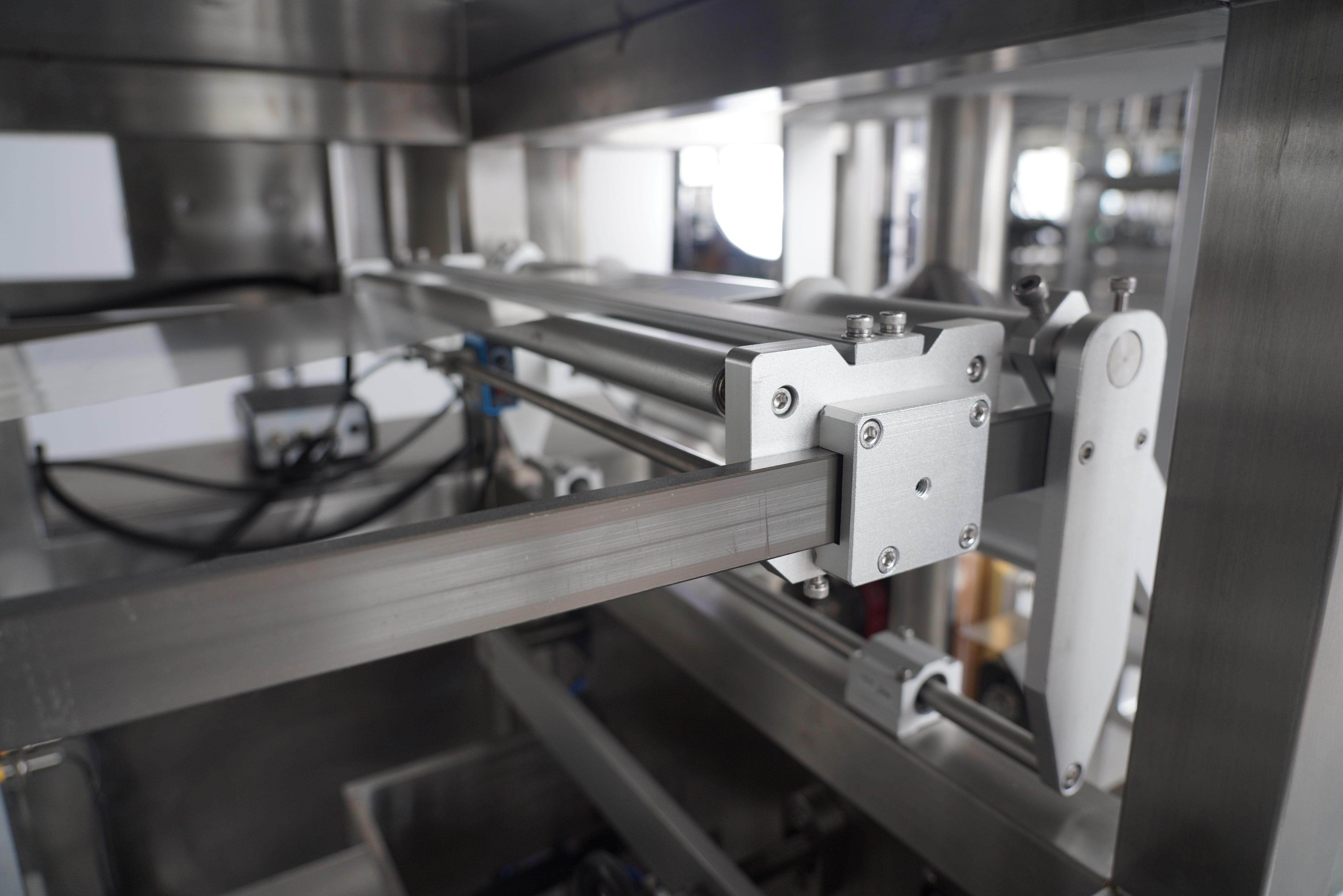
The physical condition of your vertical form fill seal machine directly determines safe speed limits. Worn guide rails, loose drive belts, or misaligned sealing bars force operators to run a vertical form fill seal machine below its design capacity to avoid defects. Regular preventive maintenance on a vertical form fill seal machine—including bearing lubrication, calibration checks, and thermal imaging of seal zones—preserves the ability to run at higher speeds safely. When a vertical form fill seal machine is properly maintained, operators can confidently increase speeds while maintaining accuracy within acceptable tolerances.
Advanced programmable logic controllers (PLCs) and variable frequency drives (VFDs) enable modern vertical form fill seal machine operators to adjust speed dynamically without manual intervention. An older vertical form fill seal machine with fixed-speed motors cannot respond to fill weight variations or film tension changes in real-time. A contemporary vertical form fill seal machine equipped with real-time feedback sensors can slow automatically when fill weight drifts, then resume normal speed once conditions stabilize. This intelligent response on a vertical form fill seal machine preserves accuracy across varying production batches while maximizing average throughput.
Sealing speed, temperature, and pressure form an interdependent triangle on any vertical form fill seal machine. Operators often assume a vertical form fill seal machine requires lower temperatures at higher speeds to prevent film degradation, but this assumption frequently produces weak seals instead. The optimal approach involves finding the precise temperature-pressure-dwell combination for your specific film on a vertical form fill seal machine. Once this baseline is established, a vertical form fill seal machine can maintain high speeds and strong seals simultaneously through proper thermal regulation and pressure consistency.
Rather than jumping directly to maximum rated speed on a vertical form fill seal machine, structured testing reveals the optimal operating zone. Start by running a vertical form fill seal machine at 80% of rated capacity and measure seal strength, fill accuracy, and reject rates every 100 packages. Increase speed incrementally by 10% and repeat measurements. This approach on a vertical form fill seal machine identifies the threshold where accuracy begins declining significantly. Most facilities find a vertical form fill seal machine can operate profitably at 85–95% of theoretical maximum speed while maintaining quality standards, offering a sweet spot between velocity and precision.
A sophisticated vertical form fill seal machine operator maintains separate parameter sets for each product line: different films, fill weights, and viscosities. When changeovers occur, operators load the pre-tested parameters into the vertical form fill seal machine control system rather than guessing. This systematic approach to a vertical form fill seal machine eliminates the trial-and-error phase that typically causes defects during transitions. Over time, your vertical form fill seal machine becomes faster and more reliable because operators avoid the costly learning curve on every batch.
Modern quality control systems work synergistically with vertical form fill seal machine operations. Weight checkers, vision systems, and seal-strength testers provide real-time feedback to the vertical form fill seal machine control system. When a vertical form fill seal machine detects marginal seal quality or fill weight drift, it can automatically reduce speed momentarily to restore accuracy, then resume normal operation. This closed-loop approach enables a vertical form fill seal machine to push speed limits safely because the equipment catches problems before they propagate.
Speed capacity depends on package size, film type, and product characteristics. A vertical form fill seal machine for small pouches might achieve 200–400 packages per minute, while a vertical form fill seal machine for larger formats typically operates at 60–150 packages per minute. Manufacturers design each vertical form fill seal machine with a rated maximum, but practical operating speeds are often 15–25% lower to maintain quality margins and equipment durability.
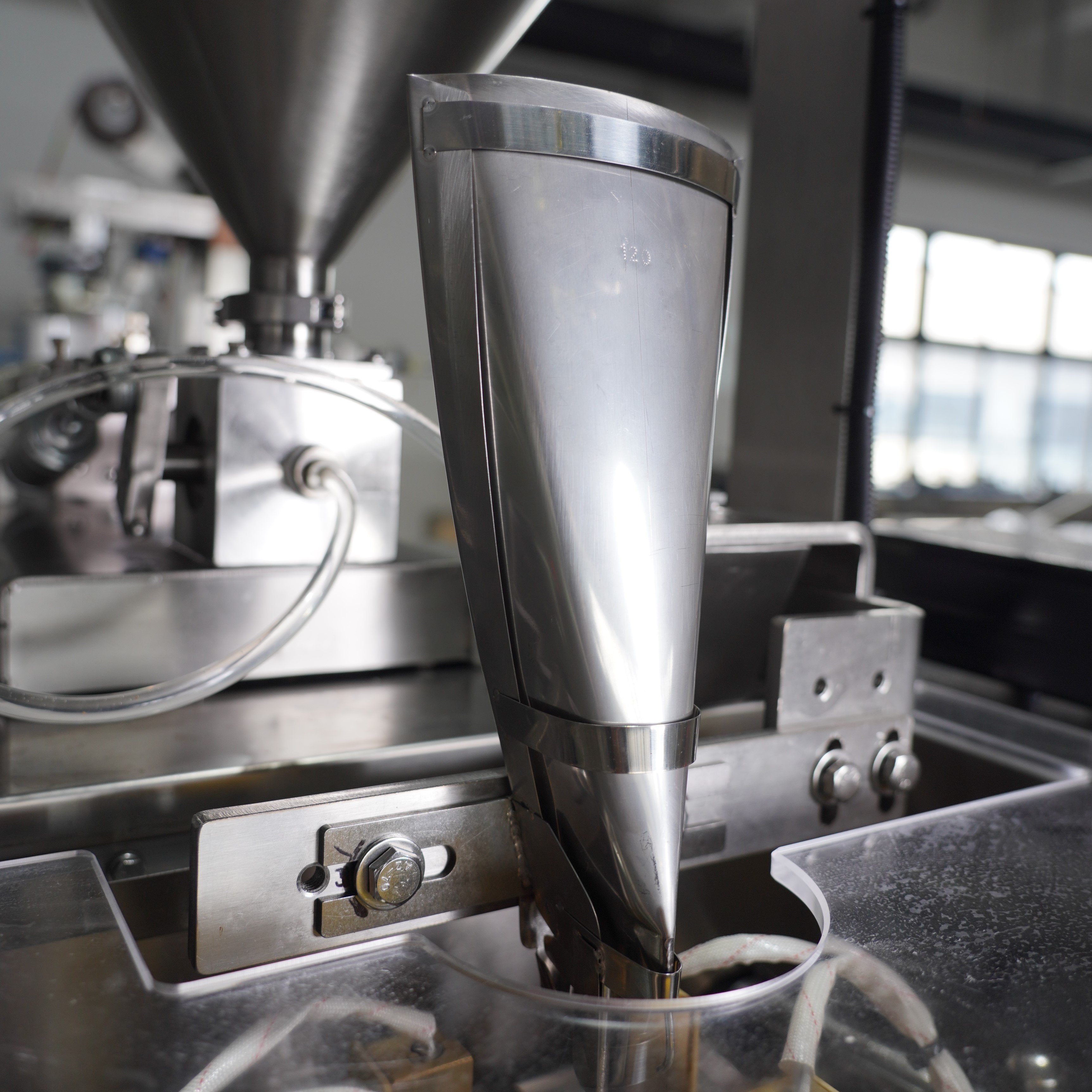
Seal temperature directly impacts both seal strength and production accuracy on a vertical form fill seal machine. Too low a temperature creates weak, leaking seals despite high speed. Too high a temperature causes film melting or distortion, leading to misalignment on a vertical form fill seal machine. The optimal temperature range is narrow for most films, typically within 20–30 degrees Celsius. A well-maintained vertical form fill seal machine with precise thermal control allows operators to run faster without sacrificing seal quality.
Limited upgrades are possible on existing vertical form fill seal machine equipment. Upgrading to a higher-torque motor or installing advanced servo drives can incrementally improve a vertical form fill seal machine's speed capability. However, fundamental mechanical constraints—guide rail capacity, bearing ratings, and seal bar design—are fixed in most vertical form fill seal machine models. Instead of retrofitting, operators often optimize existing vertical form fill seal machine performance through maintenance and parameter tuning, which deliver 10–20% throughput improvements at lower cost than equipment replacement.

2026/09/20
Premade Pouch Machines: Reduce Film Waste, Cut TCO & Achieve Faster ROI

2026/09/20
Cut Premade Pouch Machine Changeover Time by 40% with Proven Best Practices

2026/09/20
Premade Pouch Machines: Boost Throughput, Cut Waste & Improve ROI

2026/09/20
Rotary vs Inline Premade Pouch Machines: Speed, ROI & Scalability Compared

2026/09/20
Premade Pouch Machine: Boost Throughput, Cut Labor Costs & Improve Seal Integrity

2026/09/21
Premade Pouch Machine: Pouch Types, Materials & Filling Guide

