 EN
How to Reduce Film Waste with a Premade Pouch Packaging Machine?
2026/09/20
Premade Pouch Machines: Reduce Film Waste, Cut TCO & Achieve Faster ROI

2026/10/26
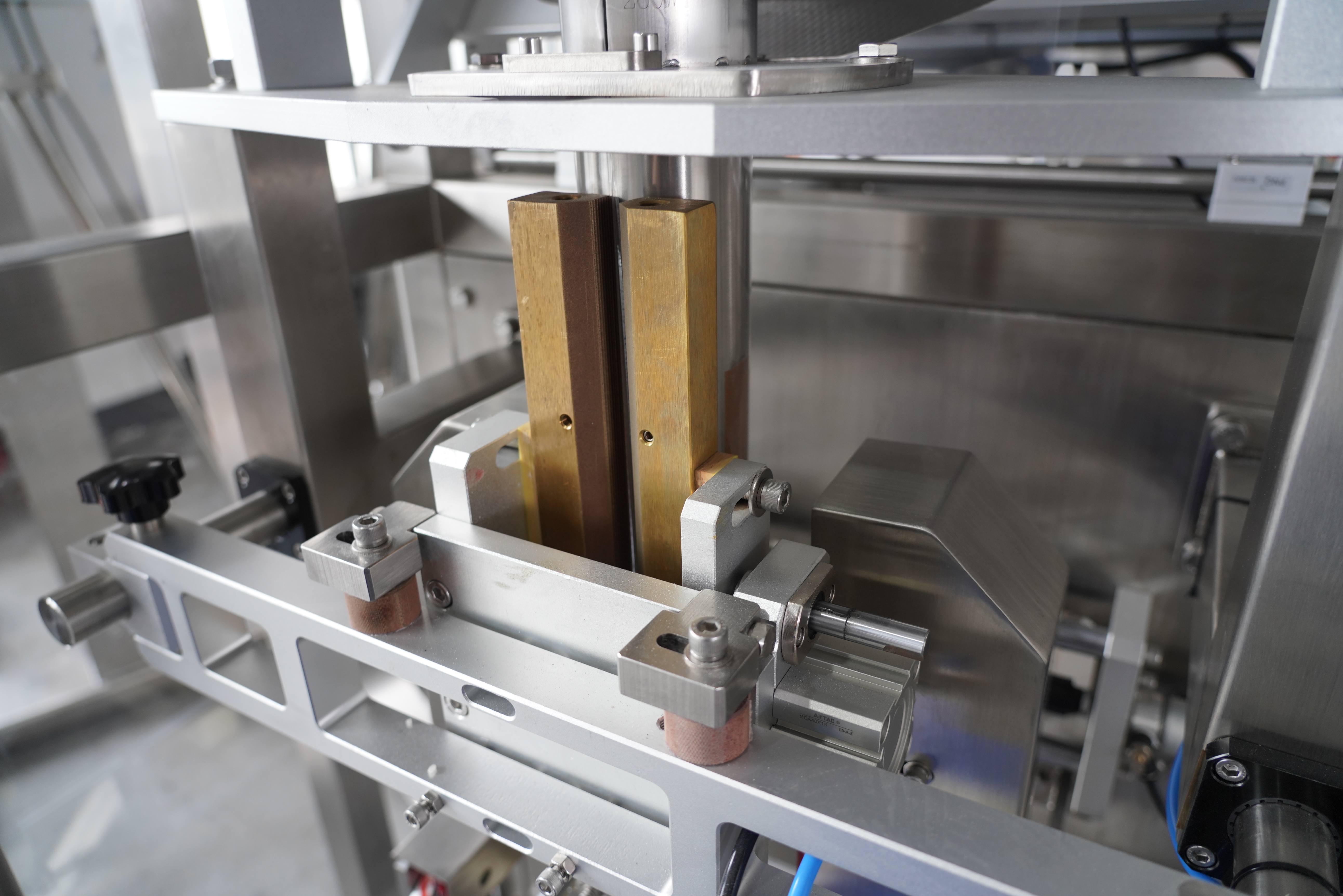
The packaging industry faces a critical decision point: invest in a vertical form fill seal machine or rely on premade pouches for production needs. This choice significantly impacts operational efficiency, material costs, production speed, and long-term profitability. Many manufacturers struggle to evaluate which approach truly aligns with their business objectives, production volume, product type, and market dynamics. Understanding the strengths and limitations of each method is essential for making an informed investment decision that maximizes your competitive advantage.
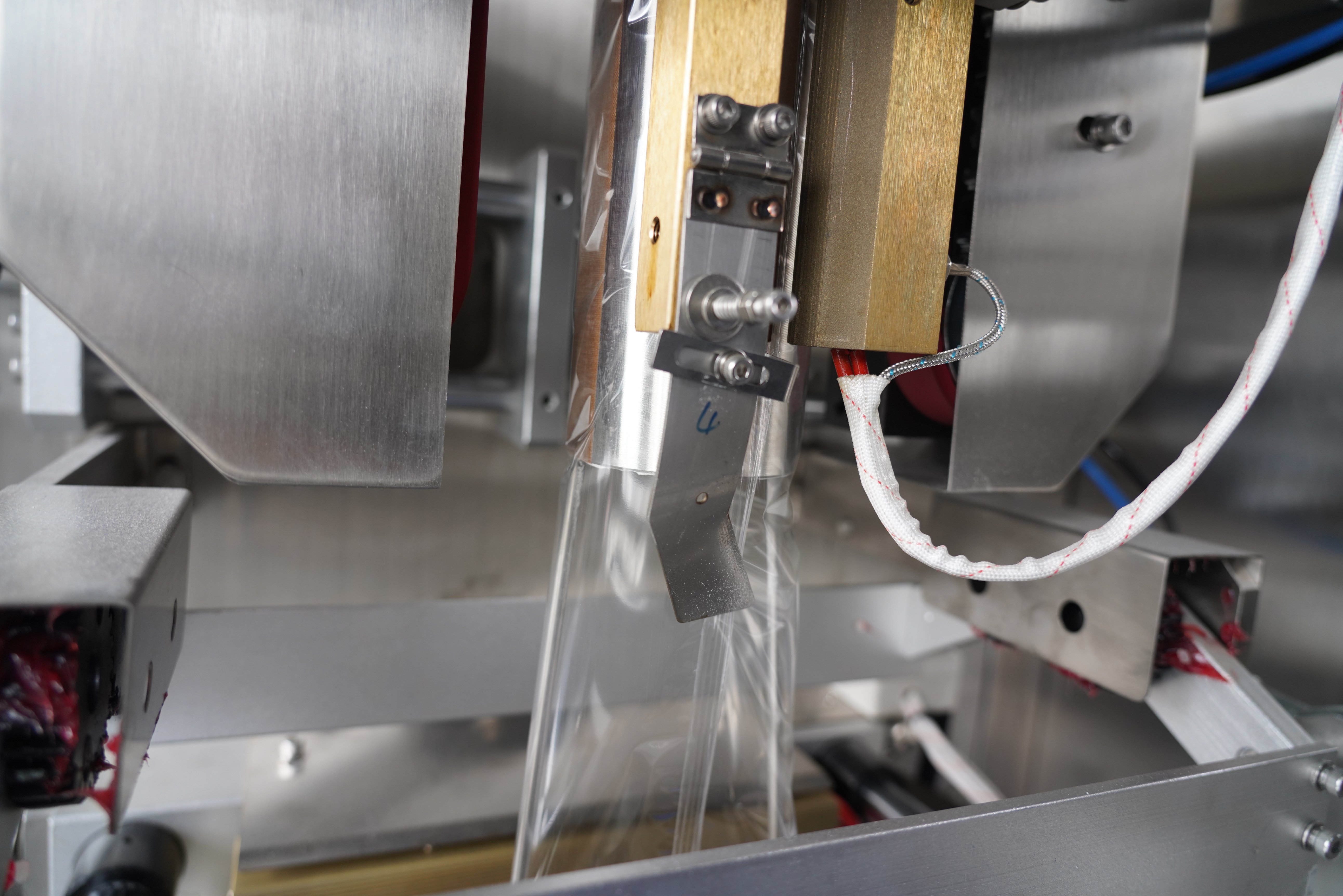
Each packaging method offers distinct advantages depending on your production requirements, budget constraints, and market positioning. A vertical form fill seal machine creates packaging from a continuous roll of film, sealing and filling in one automated process. Premade pouches, conversely, arrive pre-formed and require only filling and heat sealing. The optimal choice depends on production scale, product characteristics, supply chain flexibility, and capital investment capacity.
A vertical form fill seal machine operates through a continuous workflow: film unwinds from a roll, forms into a pouch shape, fills with product, and seals—all in one integrated operation. This streamlined process eliminates intermediate handling steps and reduces labor requirements. The machine can produce hundreds of pouches per minute, depending on specifications and product viscosity. Premade pouches require manual or semi-automatic loading into filling equipment, followed by sealing, which introduces additional workflow stages and potential bottlenecks.
Speed advantages favor the vertical form fill seal machine for high-volume production. When producing thousands of units daily, the continuous automation of a vertical form fill seal machine significantly outpaces premade pouch workflows. However, premade pouches offer faster changeovers for small batch orders or product variations, since no machine adjustment is required—simply load different pouches and adjust fill volume.
A vertical form fill seal machine accepts film from any supplier in standard widths, allowing manufacturers to experiment with material thickness, barrier properties, printing patterns, and sustainability features without equipment modification. This flexibility enables rapid prototyping and seasonal product variations. The machine creates pouches exactly to your specified dimensions and sealing patterns, supporting customized sizes for premium positioning or niche market segments.
Premade pouches lock you into predefined sizes and material specifications from pouch manufacturers. Changing pouch style requires purchasing from different suppliers or maintaining multiple pouch inventory across warehouses. A vertical form fill seal machine eliminates this inventory complexity by creating packaging on demand from continuous film stock. This reduces warehouse overhead and minimizes risk of obsolete pouch inventory.
Acquiring a vertical form fill seal machine represents significant upfront capital investment, typically ranging from tens of thousands to hundreds of thousands of dollars depending on automation level, production capacity, and special features. This investment must be justified through production volume and operational lifespan. Premade pouches require minimal equipment investment—primarily a filling machine and sealer, which costs substantially less than a fully equipped vertical form fill seal machine.
For startups or businesses with limited capital, premade pouches offer lower barriers to entry. Small manufacturers can launch packaging operations with modest equipment investment and focus capital on marketing or product development. However, the ongoing per-unit cost of premade pouches often exceeds film material costs used in a vertical form fill seal machine, creating a financial crossover point where automation becomes economically advantageous.
Film material for a vertical form fill seal machine typically costs 30–50% less per unit than equivalent premade pouches at comparable volumes. A vertical form fill seal machine uses film efficiently with minimal waste, while premade pouches include manufacturer markup and profit margins. At production volumes above 100,000 units annually, the material cost advantage of a vertical form fill seal machine usually justifies the equipment investment within 12–24 months.
Premade pouches make sense for low-volume producers or those with highly variable product specifications. If your annual volume falls below 50,000 units or you offer 20+ different pouch sizes, the flexibility and lower upfront cost of premade pouches may outweigh automation benefits. However, as volume scales, a vertical form fill seal machine delivers progressively better financial performance through reduced per-unit packaging costs.
Switching between products on a vertical form fill seal machine requires adjusting fill volume, pouch dimensions, and sealing parameters—a process that typically takes 15–30 minutes for experienced operators. Some advanced models offer quick-change components, reducing transition time to under 10 minutes. This downtime impacts overall productivity but remains faster than managing inventory transitions across multiple premade pouch styles.
Premade pouches enable nearly instant product transitions—operators simply switch pouches and adjust fill settings. This advantage becomes significant for manufacturers producing multiple small batches daily or responding to urgent customer orders. A vertical form fill seal machine shines in high-volume single-product environments, while premade pouches excel in batch-oriented, multi-SKU operations with lower unit volumes per variant.
A vertical form fill seal machine reduces dependency on external pouch suppliers, mitigating supply chain disruptions and price volatility. You maintain single-source film inventory rather than managing multiple pouch variants across warehouses. This consolidation simplifies inventory systems, reduces carrying costs, and eliminates obsolescence risk when product lines change.
Premade pouches expose your operation to supplier lead times, minimum order quantities, and inventory obsolescence. If a supplier discontinues a pouch style or increases prices, your options are limited. Conversely, if your production volume drops unexpectedly, you face excess premade pouch inventory. A vertical form fill seal machine offers superior supply chain stability and inventory flexibility for established product lines with consistent demand.
Film for a vertical form fill seal machine can be custom-printed with high-quality graphics, variable data, QR codes, and brand imagery before forming. Premium printing on film creates shelf appeal and professional brand positioning that standard premade pouches often cannot match. Manufacturers can incorporate security features, serialization, or batch tracking directly into pouch graphics through film printing.
Premade pouches offer limited printing options—typically pre-printed in bulk from pouch manufacturers at minimum order quantities. Customizing prints requires reordering entirely new pouch inventory, which introduces delay and cost. A vertical form fill seal machine paired with custom-printed film enables rapid brand refreshes, seasonal packaging variations, and localized marketing without equipment modification or excess inventory.
A properly configured vertical form fill seal machine produces consistent seals across every pouch, ensuring product freshness, shelf life, and quality standards are maintained. Automated sealing parameters eliminate human variation and reduce defect rates. This consistency is critical for food products, pharmaceuticals, and other categories where seal integrity directly impacts safety and compliance.
Premade pouches rely on separate sealing equipment and operator technique, introducing more variables that affect seal quality. If seal pressure or temperature fluctuates, pouch integrity can compromise. A vertical form fill seal machine integrates forming and sealing into one controlled process, typically delivering superior consistency and fewer seal-related defects.
A vertical form fill seal machine typically becomes economically advantageous at 75,000–150,000 units annually, depending on pouch size, material specifications, and equipment cost. Smaller operations benefit more from premade pouches, while high-volume producers see faster ROI and better long-term value. Conduct a financial analysis comparing your projected volume against material cost savings, equipment amortization, and labor efficiency gains over your investment timeline.
Yes, a vertical form fill seal machine accommodates diverse products—liquids, powders, granules, and semi-solids—with adjustable fill mechanisms and fill volumes. Switching between product types requires recalibrating fill settings and potentially adjusting film specifications, but the core machine handles multiple categories. Premade pouches limit product compatibility to designs chosen at purchase, requiring different pouch styles for category changes.
A vertical form fill seal machine requires regular cleaning, seal band replacement, calibration checks, and lubrication of moving components to maintain performance. Preventive maintenance schedules typically span daily, weekly, and monthly intervals. Compared to managing multiple premade pouch suppliers and maintaining separate filling equipment, a vertical form fill seal machine consolidates maintenance into a single automated system, often reducing overall technical complexity.

2026/09/20
Premade Pouch Machines: Reduce Film Waste, Cut TCO & Achieve Faster ROI

2026/09/20
Cut Premade Pouch Machine Changeover Time by 40% with Proven Best Practices

2026/09/20
Premade Pouch Machines: Boost Throughput, Cut Waste & Improve ROI

2026/09/20
Rotary vs Inline Premade Pouch Machines: Speed, ROI & Scalability Compared

2026/09/20
Premade Pouch Machine: Boost Throughput, Cut Labor Costs & Improve Seal Integrity

2026/09/21
Premade Pouch Machine: Pouch Types, Materials & Filling Guide

