 EN
How to Reduce Film Waste with a Premade Pouch Packaging Machine?
2026/09/20
Premade Pouch Machines: Reduce Film Waste, Cut TCO & Achieve Faster ROI

2026/09/29
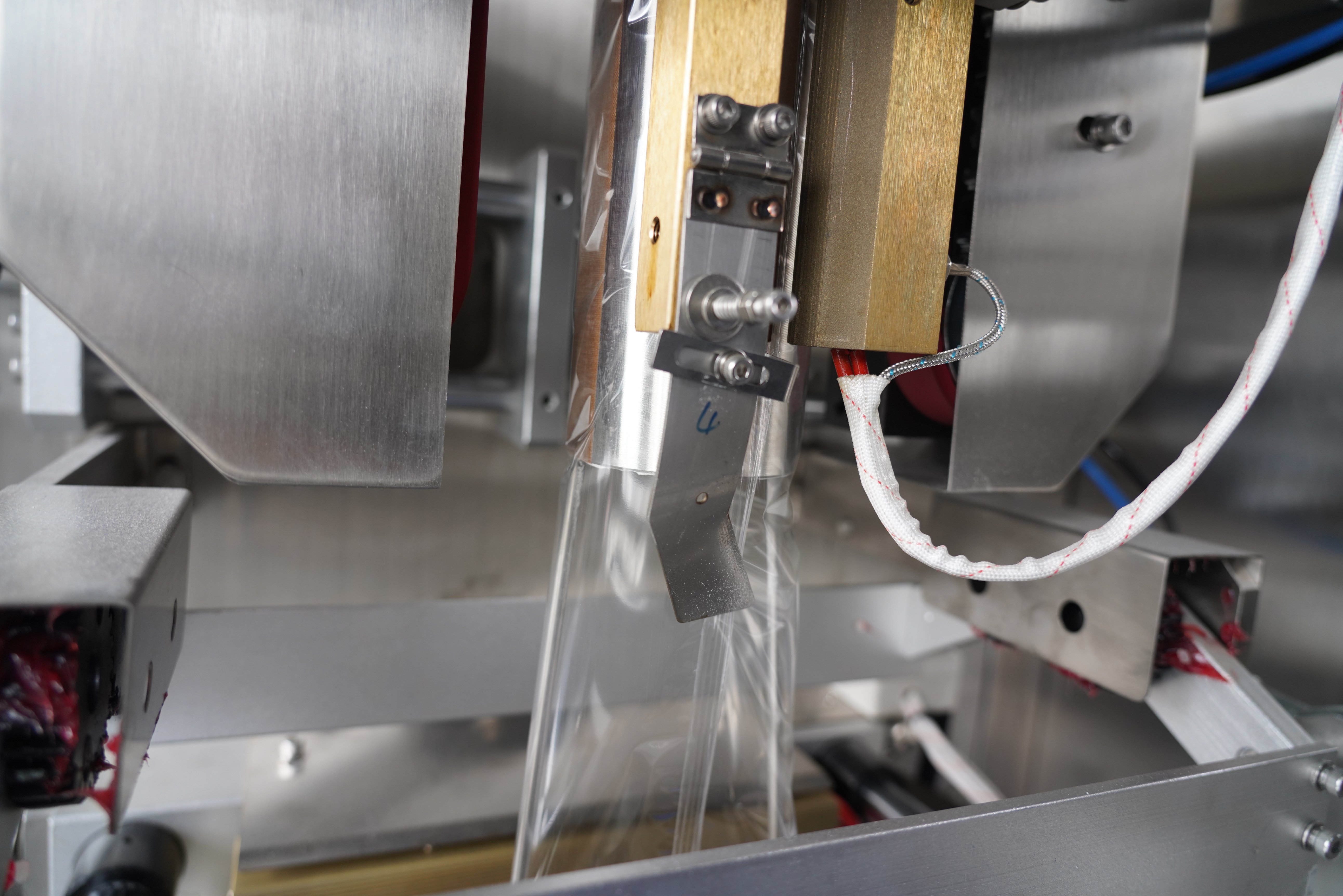
The choice between a vertical form fill seal machine and stick pack equipment represents one of the most critical decisions in modern packaging operations. Both technologies serve essential roles in the packaging industry, yet they operate on fundamentally different principles and deliver distinct advantages depending on your product type, production volume, and business objectives. Understanding the key differences between these two approaches will help you select the right solution for your specific packaging requirements and optimize your operational efficiency.
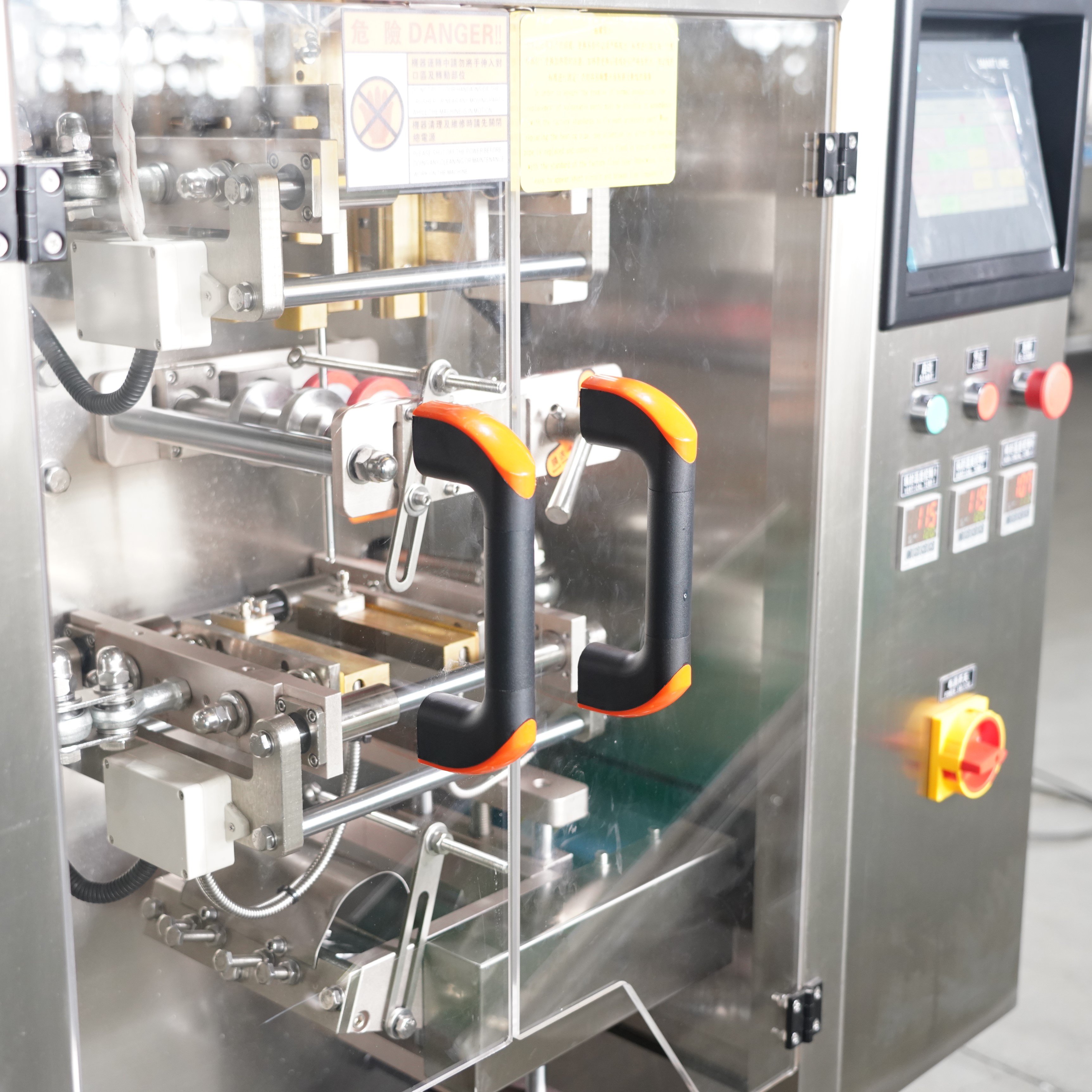
A vertical form fill seal machine operates by creating a package from a continuous roll of film, filling it with product, and sealing it in one integrated process. Stick pack equipment, by contrast, uses pre-formed pouches or flat film that the machine fills and seals individually. These structural differences cascade into variations in cost, speed, product compatibility, and operational complexity that significantly impact your bottom line and production timeline.
A vertical form fill seal machine begins with a large roll of flexible film material, typically polyester, polypropylene, or specialty laminates. The film unwinds continuously and moves through the forming station, where it wraps around a mandrel and creates the pouch shape. This wrapping action forms the back seal and side seals in a single motion, dramatically reducing the number of separate sealing steps. The vertical form fill seal machine then advances to the filling stage, where volumetric, weight-based, or count-based dispensers deposit the precise amount of product into the formed pouch.
After filling, the vertical form fill seal machine moves the pouch into the top seal station, where heat and pressure create an airtight seal across the top of the package. The complete pouch then drops into a collection bin or conveyor system. This entire sequence—forming, filling, sealing, and discharge—happens continuously and automatically, enabling a single vertical form fill seal machine to produce hundreds to thousands of packages per hour depending on the model and application.
The vertical form fill seal machine maximizes material efficiency because film is drawn directly from a roll and only minimal waste occurs at the edges or between pouches. This design makes the vertical form fill seal machine particularly economical for high-volume production runs where film cost represents a significant operational expense. For businesses processing large quantities of powders, granules, liquids, or solids, the vertical form fill seal machine delivers superior cost per unit when compared to manual or semi-automated packaging methods.
Stick pack equipment operates with pre-made pouches that arrive at the packaging facility already formed, folded, and ready to fill. The machine receives these flat pouches from a magazine or hopper, unfolds or opens them, positions them for filling, deposits the product, and then seals the top. Because the pouch is already formed before it reaches the stick pack equipment, the machine performs only filling and sealing operations rather than the complete form-fill-seal cycle that a vertical form fill seal machine handles.
This approach offers flexibility for smaller production runs or when you need to switch between different pouch styles, sizes, or materials quickly. Stick pack equipment typically changes over faster than a vertical form fill seal machine because you simply load a different pre-formed pouch magazine rather than threading new film and adjusting forming stations. For packaging specialty items like vitamins, instant coffee, seeds, or pharmaceuticals in small quantities, stick pack equipment provides a practical middle ground between completely manual bagging and full automation.
Stick pack equipment requires you to source, store, and manage inventory of pre-formed pouches in multiple sizes and material combinations. While individual stick packs offer branding flexibility and eliminate the need for a vertical form fill seal machine, this approach increases material costs per unit because pre-formed pouches carry premium pricing compared to film rolls. Additionally, maintaining backup inventory of multiple pouch specifications creates storage challenges and ties up working capital, whereas a vertical form fill seal machine requires only film roll inventory.
A high-speed vertical form fill seal machine can achieve 60 to 200 packages per minute or more, depending on the model, product type, and package size. This exceptional throughput makes the vertical form fill seal machine ideal for large beverage brands, snack manufacturers, pharmaceutical companies, and food processors handling millions of units annually. The continuous nature of the vertical form fill seal machine process means minimal downtime between cycles, and the machine maintains consistent speed throughout a long production shift.
Stick pack equipment typically runs at 20 to 60 packages per minute, significantly slower than a comparable vertical form fill seal machine. For many mid-size manufacturers, stick pack equipment delivers adequate speed while avoiding the capital investment and operational complexity of a vertical form fill seal machine. The slower throughput becomes a limitation only if your business volume demands high-speed production or tight delivery timelines that require continuous multi-shift operations.
A vertical form fill seal machine represents a substantial capital investment, typically ranging from $50,000 to $500,000 or higher depending on sophistication, capacity, and customization. The vertical form fill seal machine also demands skilled operators, regular maintenance protocols, and spare parts inventory to minimize downtime. Preventive maintenance for a vertical form fill seal machine includes periodic replacement of forming bars, sealing jaws, heat elements, and drive components, which can accumulate into significant annual expenses.
Stick pack equipment generally costs $15,000 to $100,000, making it accessible to smaller operations or companies exploring packaging automation. Maintenance requirements for stick pack equipment are typically simpler because fewer moving parts and sealing stations reduce complexity. This lower maintenance burden makes stick pack equipment attractive to businesses with limited technical staff or those without dedicated maintenance teams on site.
A vertical form fill seal machine excels at packaging free-flowing granular products, powders, liquids in pouches, and solid items of consistent size and shape. Many products require specific film materials for barrier protection, and a vertical form fill seal machine can switch film types relatively easily once you understand the threading and sealing parameters. However, a vertical form fill seal machine performs poorly with lumpy, irregular, or delicate products that require cushioning or that jam the filling tube.
Stick pack equipment offers greater flexibility for challenging product types because the large pre-formed pouch opening allows easier manual intervention when products jam or misalign. For sensitive items like baked goods, fresh herbs, or fragile hardware, stick pack equipment reduces damage because the gentle filling and sealing process suits product fragility. The trade-off is that each product variation may require different pouch procurement, whereas a vertical form fill seal machine can handle multiple product types with the same film by simply adjusting filling parameters and sealing times.
The primary advantage of a vertical form fill seal machine is its exceptional speed and material cost efficiency. A vertical form fill seal machine can package 60 to 200 items per minute while using significantly less film per package because the continuous rolling process minimizes waste. For high-volume operations, this speed advantage and material efficiency translate to lower cost per unit and faster order fulfillment. Additionally, a vertical form fill seal machine requires no pre-formed pouch inventory, simplifying supply chain management and reducing storage requirements.
Stick pack equipment becomes the better choice when packaging volume is moderate (50,000 to 200,000 units annually), when you need quick changeovers between different pouch sizes or styles, or when the product is sensitive, irregular, or requires special handling that a vertical form fill seal machine cannot accommodate. Stick pack equipment also makes economic sense when capital budget constraints limit your ability to purchase a vertical form fill seal machine, or when your facility lacks the electrical infrastructure and technical expertise required to operate and maintain a vertical form fill seal machine effectively.
A vertical form fill seal machine can package most of the same granular, powdered, and solid products that stick pack equipment handles, but with important exceptions. Delicate or irregular items that benefit from the gentler handling of a pre-formed pouch may suffer damage in a vertical form fill seal machine's forming and conveying process. Additionally, products requiring custom printed pouches with specific branding or those produced in very low volumes may not justify the setup and operational overhead of a vertical form fill seal machine, making stick pack equipment the more practical solution.

2026/09/20
Premade Pouch Machines: Reduce Film Waste, Cut TCO & Achieve Faster ROI

2026/09/20
Cut Premade Pouch Machine Changeover Time by 40% with Proven Best Practices

2026/09/20
Premade Pouch Machines: Boost Throughput, Cut Waste & Improve ROI

2026/09/20
Rotary vs Inline Premade Pouch Machines: Speed, ROI & Scalability Compared

2026/09/20
Premade Pouch Machine: Boost Throughput, Cut Labor Costs & Improve Seal Integrity

2026/09/21
Premade Pouch Machine: Pouch Types, Materials & Filling Guide

