 EN
How to Reduce Film Waste with a Premade Pouch Packaging Machine?
2026/09/20
Premade Pouch Machines: Reduce Film Waste, Cut TCO & Achieve Faster ROI

2026/10/27
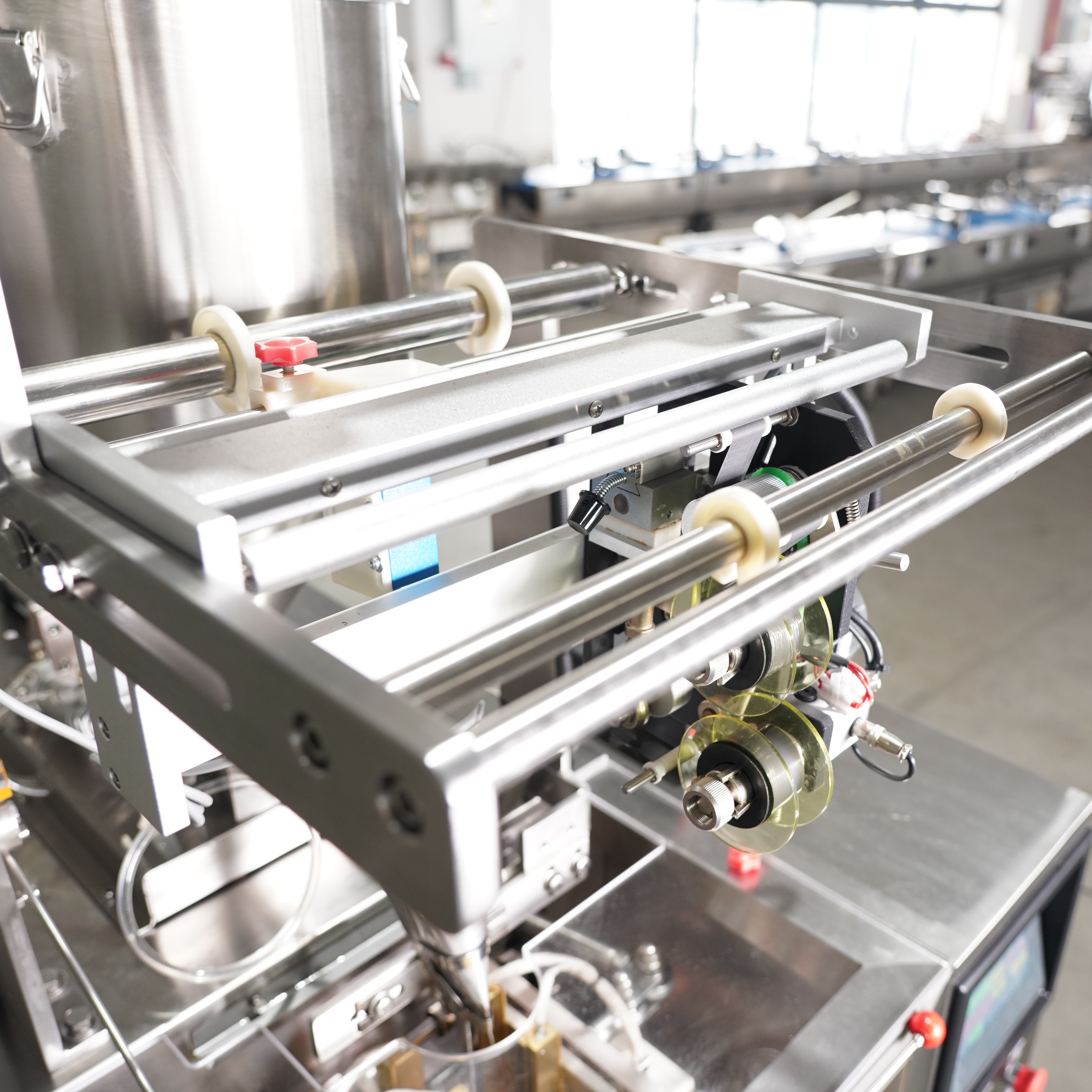
Choosing between a vertical packaging machine and a horizontal model is a critical decision that directly impacts production efficiency, product quality, and operational costs. Both technologies serve the packaging industry, but they operate on fundamentally different principles and suit distinct business scenarios. Understanding the key differences between these two approaches helps manufacturers, distributors, and packaging facilities make informed choices aligned with their specific product characteristics, production volume, and long-term strategy.
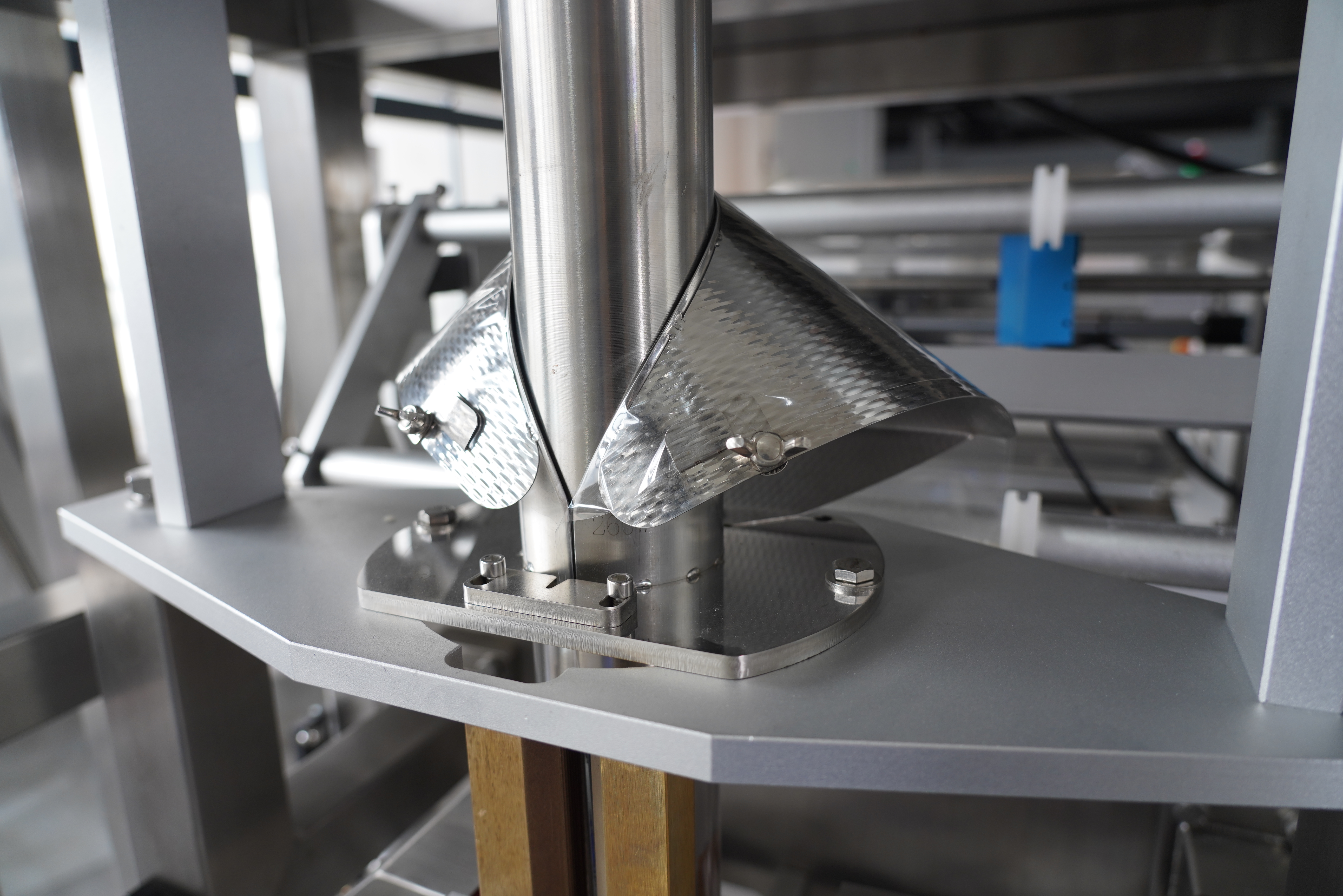
The vertical packaging machine represents a form-fill-seal design where products are fed vertically from above into a flexible film that is formed, filled, and sealed in a single continuous motion. Horizontal packaging machines, conversely, move products horizontally across the packaging line using different mechanisms for film formation and sealing. Each approach brings distinct advantages and constraints that must be carefully evaluated before investment. This guide explores the operational, financial, and practical dimensions of both technologies to help you select the optimal packaging solution for your operation.
A vertical packaging machine automates the packaging process by utilizing gravity and mechanical precision to move products through the packaging cycle. The vertical packaging machine design typically features a hopper at the top where loose products or pre-portioned items are loaded. From there, the vertical packaging machine guides each portion into a continuously moving film roll that is pulled downward through heating, sealing, and cutting stations. The vertical packaging machine's vertical orientation means that gravity naturally assists product placement, reducing the need for complex mechanical handling systems. This design efficiency translates to faster cycle times and lower energy consumption compared to horizontal alternatives, making the vertical packaging machine ideal for high-volume, lightweight, or granular product runs.
Manufacturers choosing a vertical packaging machine gain significant space advantages because the equipment's footprint is substantially smaller than a horizontal system handling equivalent volumes. The vertical packaging machine requires minimal floor space while delivering impressive throughput, which is particularly valuable in facilities with layout constraints or limited real estate. A vertical packaging machine also typically comes with lower capital investment compared to many horizontal models, especially when considering the full operational cost including maintenance, utilities, and material waste. The vertical packaging machine's simpler mechanical design means fewer components prone to wear, reducing spare parts inventory and maintenance labor. For operations sensitive to budget constraints but requiring reliable automation, the vertical packaging machine provides compelling value proposition and rapid return on investment.
Horizontal packaging machines move products along a horizontal axis through the packaging station, typically using conveyor systems or intermittent motion mechanisms to position each item precisely. Unlike a vertical packaging machine that relies on gravity-assisted feeding, horizontal models use active positioning systems to place products into pre-formed or simultaneously formed packages. This approach requires more mechanical complexity but offers superior control over product orientation and placement accuracy, which is critical when packaging irregular shapes, fragile items, or products requiring specific positioning for branding or safety labeling. Horizontal packaging systems excel in environments where individual product control, visible placement, and package integrity take priority over pure speed metrics. The horizontal design also better accommodates dual-lane operations, multi-product changeovers, and scenarios requiring visual inspection or secondary processing stations integrated into the line.
Horizontal packaging machines demonstrate superiority in several critical applications where a vertical packaging machine falls short. Products that cannot tolerate gravity-driven feeding, such as delicate pastries, pre-assembled items, or moisture-sensitive materials, require the gentle, controlled placement that horizontal equipment provides. Horizontal packaging machines excel with large, bulky, or awkwardly shaped items where a vertical packaging machine would struggle with feeding consistency. Additionally, horizontal models support longer dwell times within the package, enabling complex sealing, labeling, or secondary operations that a vertical packaging machine cannot perform within its compact cycle. For facilities producing multiple SKUs with frequent changeovers, horizontal packaging systems offer greater flexibility because they can accommodate different package formats and product sizes without major mechanical adjustments that a vertical packaging machine would require.
The most fundamental decision driver is product category and how naturally it flows through packaging automation. Choose a vertical packaging machine if your product is free-flowing, granular, or consistently shaped, such as snacks, powders, grains, or small hardware items. A vertical packaging machine works exceptionally well for products that gravity naturally carries downward through the feeding system. Conversely, select horizontal equipment for delicate, pre-assembled, oversized, or oddly shaped items that require precise positioning and controlled handling throughout the packaging cycle. This distinction alone often determines whether a vertical packaging machine or horizontal system becomes the right technology for your operation, regardless of other factors.
Production throughput and volume projections heavily influence whether a vertical packaging machine or horizontal system aligns with business goals. A vertical packaging machine typically achieves 60 to 250 packages per minute depending on package size and product characteristics, making it highly efficient for high-volume runs. Horizontal packaging machines generally operate at comparable speeds for certain applications but excel in scenarios requiring lower volumes with complex sealing, multiple colors, or integrated secondary operations. If your business anticipates consistent, high-volume orders for a single product, a vertical packaging machine delivers maximum cost-per-unit efficiency and minimal idle time. If production runs are shorter, more varied, or require frequent SKU transitions, horizontal equipment flexibility may justify the higher per-unit cost despite potentially lower speeds.
A vertical packaging machine occupies roughly 40 to 60 percent less floor space than comparable horizontal equipment, which becomes decisive when facility layout is already constrained or expansion is economically unfeasible. Vertical equipment fits efficiently into narrow production floors, retrofit installations, or operations where multiple parallel lines must fit within existing building dimensions. A vertical packaging machine's compact profile also simplifies integration with upstream storage systems, ingredient feeders, or weighing systems positioned directly above the machine. Horizontal systems require broader floor footprints and longer approach distances for product conveyance, ingredient staging, and finished goods removal. If space availability is a hard constraint, the vertical packaging machine's minimal footprint often becomes the deciding factor independent of other considerations.
A vertical packaging machine generally requires simpler, less frequent maintenance because it has fewer moving parts and operates with less mechanical stress than horizontal systems. The vertical packaging machine's gravity-assisted design reduces bearing loads, seal wear, and mechanical fatigue across critical components. Routine maintenance for a vertical packaging machine typically involves cleaning, film roll replacement, and periodic heat seal inspection. Horizontal equipment often requires more comprehensive maintenance schedules because more mechanical elements interact with products continuously, and precise calibration must be maintained for product positioning accuracy. Both systems benefit from preventive maintenance programs, but vertical packaging machine operators generally experience lower unplanned downtime and reduced maintenance costs over the equipment lifecycle.
A vertical packaging machine is specifically designed for form-fill-seal operations using flexible film, not for pre-formed rigid containers like boxes, trays, or clamshells. The vertical packaging machine creates package shapes during the production cycle, which is fundamentally different from horizontal systems that can insert products into pre-existing rigid containers. If your business requires rigid packaging, a vertical packaging machine is not suitable. However, if you are willing to transition to flexible film pouches, a vertical packaging machine offers significant advantages over your current rigid container approach. Many companies initially using rigid packaging discover that a vertical packaging machine with flexible film reduces material costs, increases brand shelf visibility, and provides superior barrier protection while simultaneously lowering labor costs during the transition.
A vertical packaging machine performs optimally with products ranging from very fine powders to granules approximately 10 to 15 millimeters in diameter, and with density between 0.3 and 1.2 grams per cubic centimeter. Very fine, static-prone powders may bridge or discharge inconsistently from the hopper, requiring anti-bridging devices or vibration assistance to maintain feed consistency. Very coarse products or items exceeding 20 millimeters diameter often jam in the feed tube of a vertical packaging machine, making horizontal equipment more suitable for oversized items. A vertical packaging machine includes adjustable feed gates, hopper designs, and vibratory assists specifically engineered to handle typical snack foods, powders, grains, and hardware components. Before selecting a vertical packaging machine, verify that your product's particle size, density, moisture content, and free-flow characteristics align with the equipment's design specifications to ensure reliable long-term performance and minimal operational adjustments.

2026/09/20
Premade Pouch Machines: Reduce Film Waste, Cut TCO & Achieve Faster ROI

2026/09/20
Cut Premade Pouch Machine Changeover Time by 40% with Proven Best Practices

2026/09/20
Premade Pouch Machines: Boost Throughput, Cut Waste & Improve ROI

2026/09/20
Rotary vs Inline Premade Pouch Machines: Speed, ROI & Scalability Compared

2026/09/20
Premade Pouch Machine: Boost Throughput, Cut Labor Costs & Improve Seal Integrity

2026/09/21
Premade Pouch Machine: Pouch Types, Materials & Filling Guide

