 EN
How to Reduce Film Waste with a Premade Pouch Packaging Machine?
2026/09/20
Premade Pouch Machines: Reduce Film Waste, Cut TCO & Achieve Faster ROI

2026/10/01
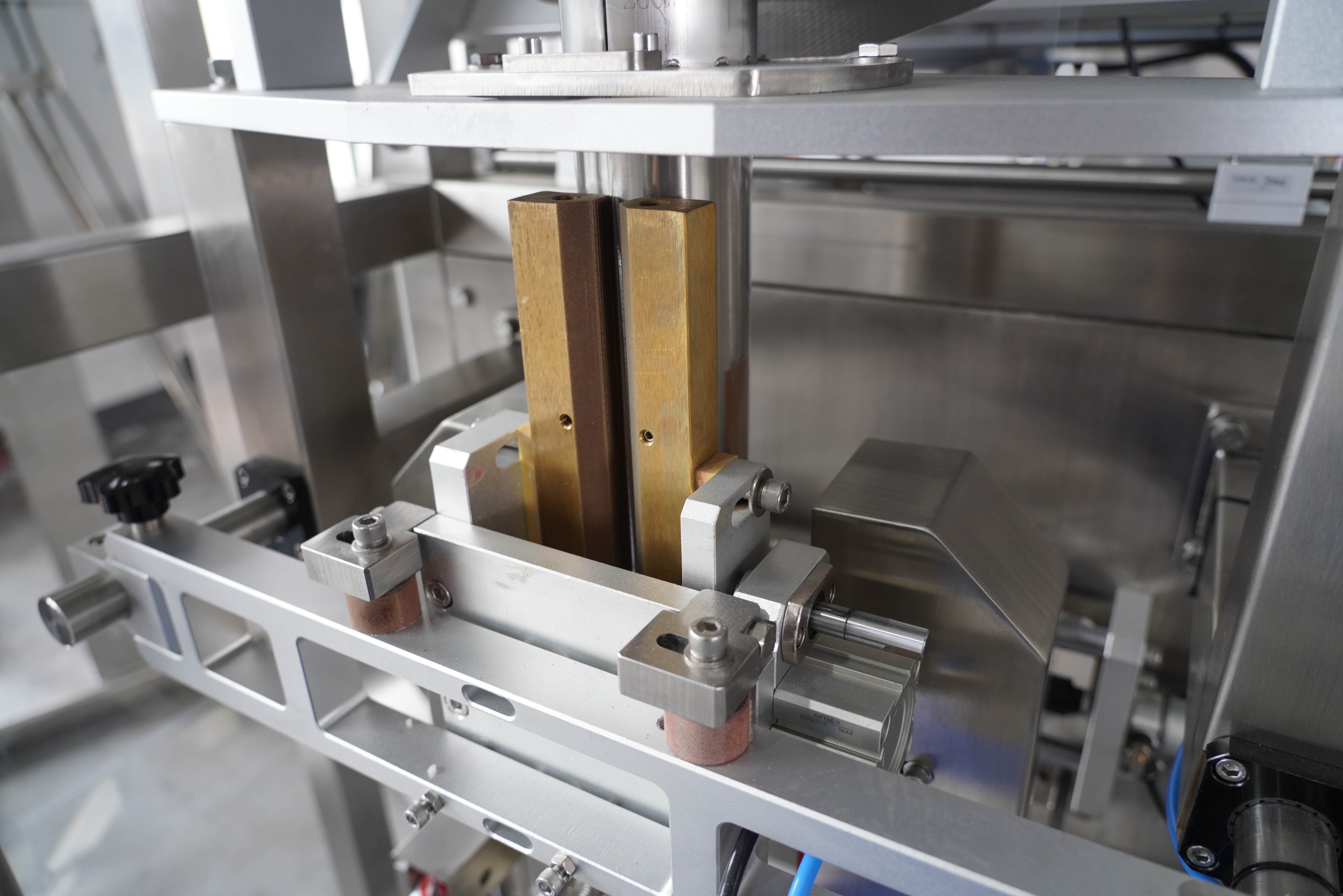
A vertical packaging machine represents a critical investment decision for manufacturers seeking efficient packaging solutions. Understanding how a vertical packaging machine differs from vertical form-fill-seal (VFFS) technology is essential for operations managers, production engineers, and procurement specialists who must select the right equipment for their production line. While these terms are sometimes used interchangeably in industry discussions, the distinctions between a vertical packaging machine and true VFFS systems carry significant implications for throughput, product compatibility, operational cost, and long-term production strategy.
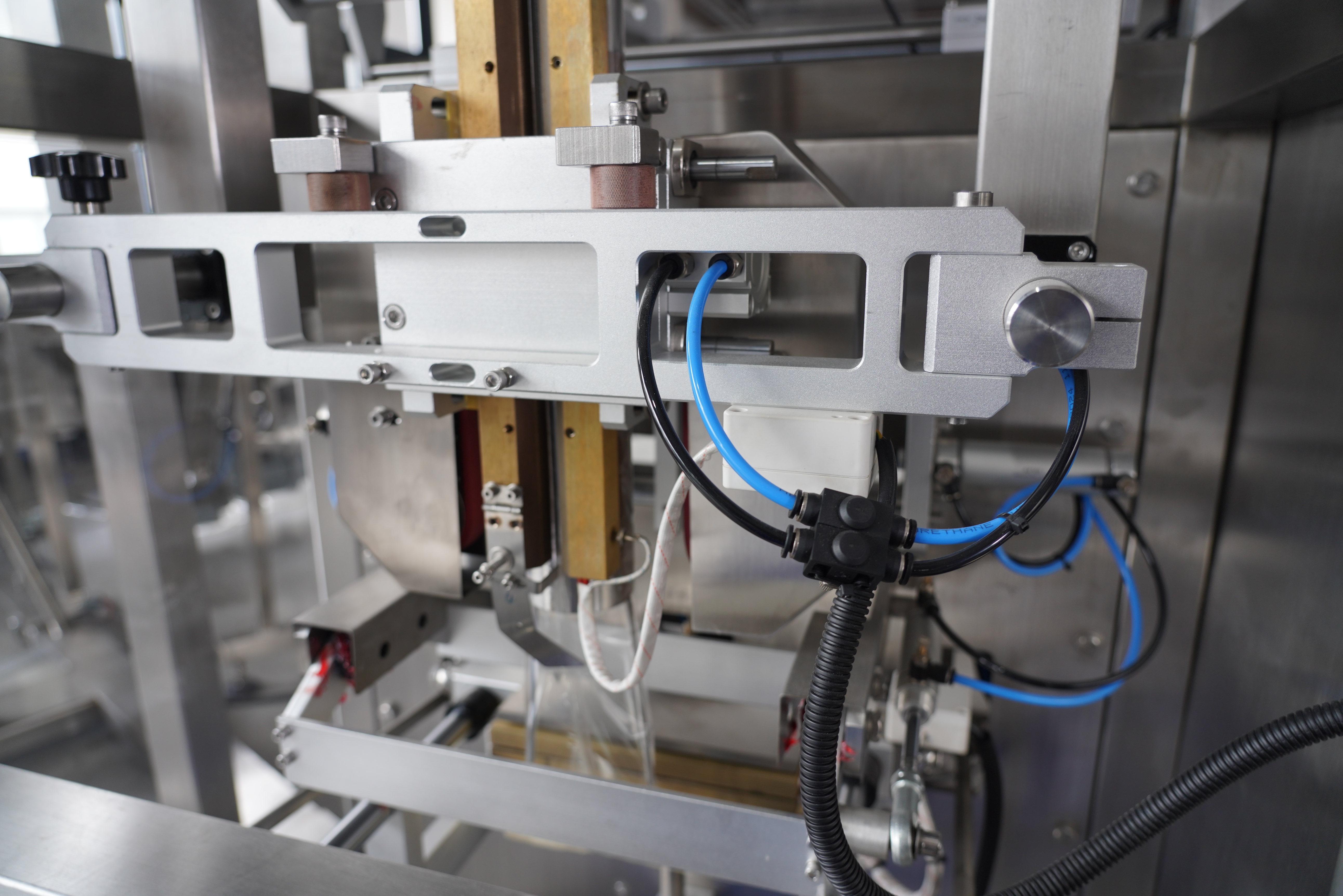
The term 'vertical packaging machine' broadly describes equipment that orients packages in a vertical orientation during the packaging process, while VFFS specifically refers to a technology that forms a pouch from a flat film roll, fills it with product, and seals it—all in one continuous vertical motion. The critical distinction lies in automation level, film handling methodology, production capacity, and the technological architecture that drives each system. This article explores these foundational differences to help you make an informed equipment selection that aligns with your production volume, product type, and operational objectives.
A vertical packaging machine encompasses a broad category of packaging equipment designed with vertical product flow and orientation. The architecture of a vertical packaging machine varies significantly depending on its specific application—whether it handles powders, granules, liquids, or solid products. Traditional vertical packaging machine designs often employ pre-formed pouches or bags that are transported vertically through the packaging line, filled with product, and sealed at the top. This methodology allows a vertical packaging machine to work with existing pouch inventory or compatible packaging materials without requiring on-site film conversion capabilities.
The operational throughput of a vertical packaging machine depends on several mechanical factors including pouch feed rate, fill accuracy mechanisms, and sealing apparatus speed. A standard vertical packaging machine typically achieves production speeds ranging from forty to eighty pouches per minute, though specialized high-speed models can exceed one hundred pouches per minute in optimized conditions. The versatility of a vertical packaging machine makes it suitable for facilities that require flexibility across multiple product formulations or bag sizes, as changeover between different package dimensions requires mechanical adjustments rather than film stock replacement.
VFFS technology fundamentally differs from a standard vertical packaging machine because it performs all three critical functions—forming, filling, and sealing—within a single integrated system operating on continuous film material. Rather than accepting pre-formed pouches, a VFFS system unreels film from a master roll, forms pouch shapes using precision tooling, fills each formed pouch with precise product volume, and applies dual seals in a seamless vertical workflow. This integration means a VFFS system requires no pre-made pouches, creating substantial material cost advantages for high-volume production environments where custom pouch specifications are standard practice.
The technological sophistication embedded in VFFS systems exceeds that of a basic vertical packaging machine due to the simultaneous management of film feed tension, forming pressure, fill accuracy, and thermal sealing parameters. VFFS equipment demands higher precision in film tensioning systems, forming station geometry, and real-time adjustment mechanisms compared to a vertical packaging machine that operates with pre-formed containers. This increased complexity requires operators with specialized training and maintenance staff equipped to handle film-handling troubleshooting, whereas a vertical packaging machine typically demands less intensive technical expertise for routine operation and basic maintenance procedures.
A vertical packaging machine delivers optimal value when your production environment features product diversity, moderate volume requirements, or existing relationships with pouch suppliers. Organizations managing five to fifteen different product SKUs benefit from a vertical packaging machine because format changes require only mechanical adjustments rather than film stock preparation and machine recalibration. Additionally, a vertical packaging machine becomes the preferred choice when pouch suppliers offer competitive pricing, consistent quality, and reliable delivery timelines. Facilities with limited capital budgets also find a vertical packaging machine attractive because initial equipment costs, installation complexity, and operator training requirements typically run significantly lower than VFFS system deployment.
VFFS systems become economically superior when production volumes exceed five hundred thousand units monthly across standardized pouch specifications. A VFFS system eliminates pouch inventory carrying costs, supplier lead-time risks, and quality variability associated with external pouch manufacturing. For organizations running highly specialized or custom pouch dimensions, a vertical packaging machine alternative may prove technically inadequate, making VFFS the only viable technology. The long-term material cost advantage of VFFS systems typically offsets higher capital investment within eighteen to thirty-six months of operation at sufficient production volumes.
Material waste represents a significant cost driver distinguishing a vertical packaging machine from VFFS technology. A vertical packaging machine generates waste whenever pouch specifications change or inventory becomes obsolete, whereas a VFFS system produces waste only from film trimming during pouch formation, typically representing two to four percent of material input. Over a five-year ownership cycle, a vertical packaging machine facility managing diverse products may accumulate substantial unused pouch inventory, directly impacting net profitability compared to equivalent VFFS operation. Preventive maintenance for a vertical packaging machine focuses on conveyor systems, pneumatic actuators, and sealing elements, while VFFS maintenance demands attention to film tension controls, forming dies, and thermal regulation systems.
Future-proofing your packaging investment requires understanding how each technology accommodates production growth. A vertical packaging machine provides limited scalability because capacity gains require equipment speed increases or additional parallel lines. Conversely, VFFS systems built with modular architecture allow production expansion through speed parameter adjustments without requiring additional equipment footprint. Organizations anticipating product volume increases exceeding thirty percent within three years should carefully evaluate whether a vertical packaging machine infrastructure supports growth objectives or whether VFFS technology offers superior long-term flexibility and capacity management.
A vertical packaging machine excels with granular products like coffee beans, nuts, grains, and spices, as well as powdered materials including flour, sugar, and nutritional supplements. Solid products such as snacks, candy, and pharmaceutical tablets also perform well on a vertical packaging machine platform. Liquid and semi-liquid products require specialized fill-head configurations on a vertical packaging machine, making VFFS technology often more suitable for beverages, sauces, and creams due to VFFS system design flexibility and precision fill accuracy across broader viscosity ranges.
Standard vertical packaging machine models cannot be retrofitted to VFFS functionality because the fundamental architecture, film handling components, and forming mechanisms differ substantially. However, manufacturers may offer vertical packaging machine solutions with hybrid capabilities that blend features of both technologies. Upgrading typically requires purchasing new VFFS equipment rather than modifying existing vertical packaging machine installations, representing a significant capital expenditure justified only by substantial production volume increases or changing product specifications.
A vertical packaging machine typically operates at forty to one hundred pouches per minute depending on product type and format specifications. Industrial VFFS systems achieve comparable or superior speed ranges, often reaching one hundred twenty to two hundred pouches per minute for optimized applications. Speed performance depends on multiple factors including product characteristics, pouch dimensions, fill accuracy requirements, and equipment configuration. Neither technology universally dominates speed metrics; instead, speed capability must be evaluated against your specific production volume requirements and material handling constraints to determine whether vertical packaging machine or VFFS technology better aligns with operational targets.

2026/09/20
Premade Pouch Machines: Reduce Film Waste, Cut TCO & Achieve Faster ROI

2026/09/20
Cut Premade Pouch Machine Changeover Time by 40% with Proven Best Practices

2026/09/20
Premade Pouch Machines: Boost Throughput, Cut Waste & Improve ROI

2026/09/20
Rotary vs Inline Premade Pouch Machines: Speed, ROI & Scalability Compared

2026/09/20
Premade Pouch Machine: Boost Throughput, Cut Labor Costs & Improve Seal Integrity

2026/09/21
Premade Pouch Machine: Pouch Types, Materials & Filling Guide

