 EN
How to Reduce Film Waste with a Premade Pouch Packaging Machine?
2026/09/20
Premade Pouch Machines: Reduce Film Waste, Cut TCO & Achieve Faster ROI

2026/10/24
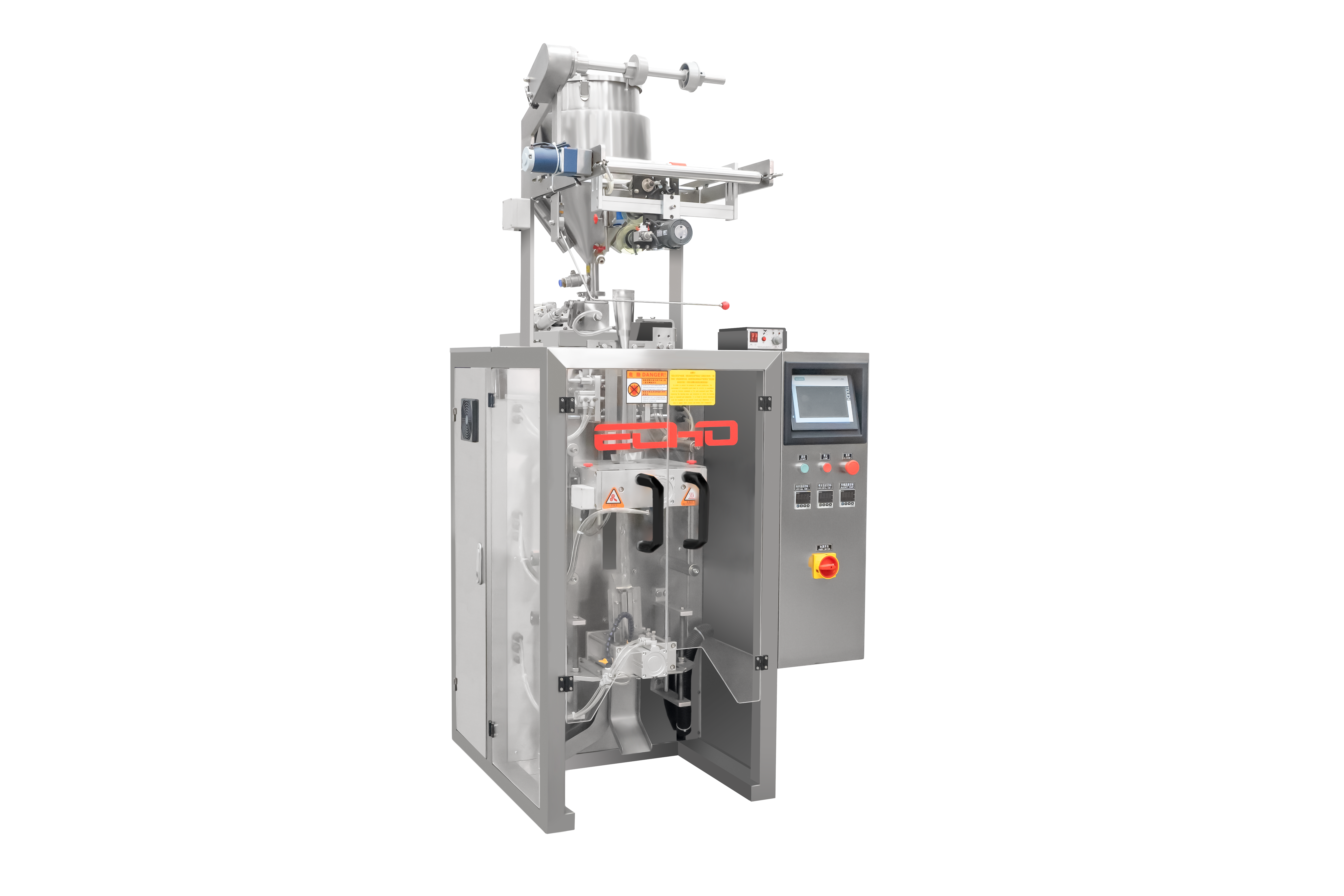
Choosing the right vffs machine for coffee grounds packaging requires careful evaluation of multiple technical and operational factors. A vffs machine automates the process of forming, filling, and sealing pouches from a continuous roll of film, making it an essential investment for coffee producers and packagers seeking efficiency and consistency. Understanding the key specifications and capabilities of a vffs machine ensures your operation meets production demands while maintaining product quality and cost-effectiveness.
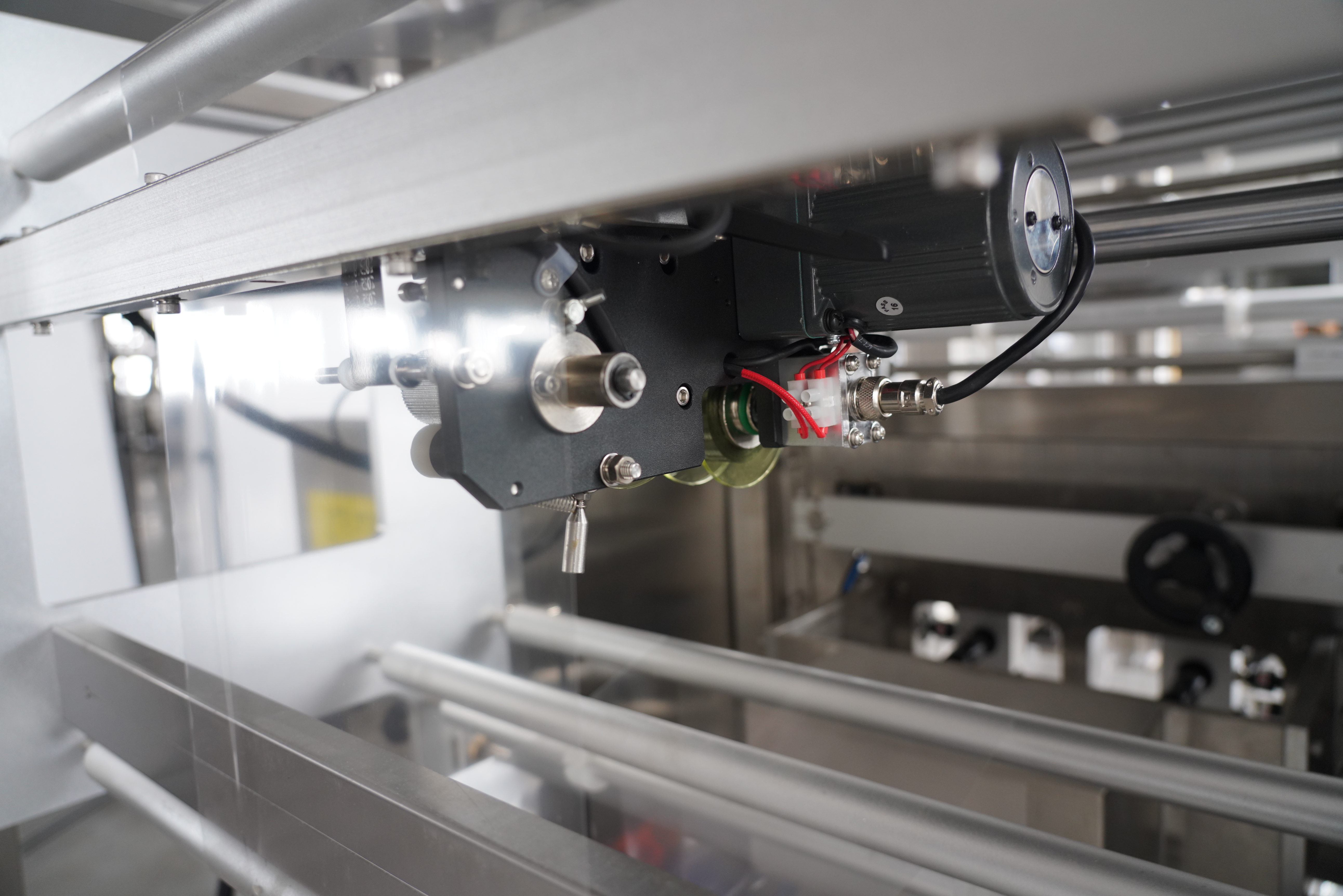
Coffee grounds present unique packaging challenges due to their particle size, moisture content, and tendency to shift during transport. A well-configured vffs machine addresses these challenges through precise filling accuracy, reliable sealing, and adjustable parameters tailored to ground coffee characteristics. This guide explores the essential considerations for selecting and operating a vffs machine suited to your coffee packaging operation.
The production capacity of your vffs machine directly impacts profitability and ability to meet customer demand. Coffee packagers must evaluate whether they need a vffs machine capable of processing 20 to 30 pouches per minute for small-scale operations or 60 to 100 pouches per minute for high-volume production. Understanding your current sales forecasts and growth timeline helps determine whether a compact vffs machine suits your immediate needs or whether you should invest in a higher-capacity unit to avoid bottlenecks as business expands.
A versatile vffs machine allows rapid adjustment between different pouch dimensions without extensive downtime or tooling changes. Coffee brands often offer multiple package sizes—from small single-serve portions to bulk 500-gram bags—so selecting a vffs machine with quick-change components and digital settings reduces setup time and production waste. This flexibility within a single vffs machine platform improves operational efficiency and allows you to respond quickly to market opportunities or seasonal demand shifts without investing in separate equipment.
Coffee grounds require protective packaging that preserves flavor, aroma, and freshness during storage and transport. Your vffs machine must reliably handle the specific film materials you choose—whether laminated kraft paper, aluminum foil laminates, or transparent polyethylene films. The vffs machine should accommodate varying film thicknesses and laminates without jamming, tearing, or producing weak seals that compromise product protection. Confirming that your selected vffs machine is engineered for your preferred materials prevents costly compatibility issues and downtime.
Inconsistent sealing is a leading cause of product loss and customer dissatisfaction in coffee packaging. A quality vffs machine features precise heat and pressure controls that ensure every pouch meets or exceeds seal strength specifications. Coffee grounds can create particulate contamination at seal lines, so the vffs machine should include mechanisms to clean or clear debris before sealing zones activate. Testing the vffs machine with your actual film and a sample production run confirms seal performance under real operating conditions before full deployment.
Coffee is typically sold by weight, making accurate filling critical for both profitability and legal compliance. A modern vffs machine equipped with integrated weighing systems or volumetric feeders ensures each pouch contains the specified net quantity. The vffs machine's fill accuracy directly affects your cost of goods sold—even a 1% overfill across thousands of pouches represents significant material loss. Gravimetric technology in an advanced vffs machine adjusts fill volumes in real time based on actual weight, compensating for coffee density variations and reducing giveaway.
Regulatory agencies in most markets require accurate net weight declarations and production traceability. A compliant vffs machine includes logging capabilities that record fill weights, batch numbers, production timestamps, and equipment parameters for audit purposes. Choose a vffs machine with software connectivity that integrates with your quality management system, enabling rapid recalls if issues arise and demonstrating due diligence to regulators. This built-in compliance infrastructure in a vffs machine reduces risk and supports certification requirements for markets where your coffee is sold.
Even the most advanced vffs machine delivers poor results if operators cannot configure and troubleshoot it effectively. Look for a vffs machine with intuitive touchscreen interfaces, clear error messages, and minimal parameter settings for routine operations. Well-documented training materials and responsive supplier support ensure your team can quickly master the vffs machine, minimize setup errors, and respond confidently to changeovers between coffee products or pouch sizes. An operator-friendly vffs machine reduces training costs and human error while improving consistency.
Unplanned downtime directly cuts into profitability, so selecting a vffs machine known for reliability and easy maintenance is essential. Evaluate the vffs machine supplier's track record for parts availability, recommended maintenance intervals, and typical mean time between failures. A vffs machine designed with modular components and accessible wear surfaces speeds repairs and reduces labor costs. Confirm that spare parts for your vffs machine are stocked locally or can be expedited quickly, preventing extended production halts.
Operating expenses for a vffs machine extend beyond the purchase price to include electricity, compressed air, maintenance labor, and film waste. Modern vffs machine designs optimize energy consumption through variable-speed motors, efficient heating systems, and reduced air consumption compared to older models. Calculating the total cost of ownership over a five to ten-year horizon—including energy costs, maintenance, and film waste reduction—often reveals that a more efficient vffs machine saves money despite higher upfront investment.
Most compact vffs machine models designed for small to medium coffee packagers occupy approximately 2 to 3 square meters of floor space, including the film roll stand and control cabinet. Space requirements vary based on the specific vffs machine model and whether you integrate peripheral equipment like pouch feeders or case packers. Before purchasing, confirm the exact dimensions and utility connections required for your chosen vffs machine to ensure your facility can accommodate it.
While a single vffs machine can technically process both products, specialized filling systems within the vffs machine optimize performance for each material. Ground coffee requires volumetric or gravimetric filling to ensure consistent weight, whereas whole beans often work better with auger or vibrating tray feeders. Switching the vffs machine between these products involves changing the fill head and adjusting settings, so evaluate whether your operation benefits more from a dedicated vffs machine for each product or a flexible unit with quick-change components.
Most manufacturers recommend servicing a vffs machine every 250 to 500 operating hours or quarterly, whichever comes first. The specific maintenance schedule for your vffs machine depends on production volume, product type, and environmental conditions in your facility. Regular inspection and cleaning of the vffs machine's forming stations, seal jaws, and film path prevents mechanical wear and ensures consistent seal quality and fill accuracy throughout the equipment's operational life.

2026/09/20
Premade Pouch Machines: Reduce Film Waste, Cut TCO & Achieve Faster ROI

2026/09/20
Cut Premade Pouch Machine Changeover Time by 40% with Proven Best Practices

2026/09/20
Premade Pouch Machines: Boost Throughput, Cut Waste & Improve ROI

2026/09/20
Rotary vs Inline Premade Pouch Machines: Speed, ROI & Scalability Compared

2026/09/20
Premade Pouch Machine: Boost Throughput, Cut Labor Costs & Improve Seal Integrity

2026/09/21
Premade Pouch Machine: Pouch Types, Materials & Filling Guide

