 EN
How to Reduce Film Waste with a Premade Pouch Packaging Machine?
2026/09/20
Premade Pouch Machines: Reduce Film Waste, Cut TCO & Achieve Faster ROI

2026/10/25
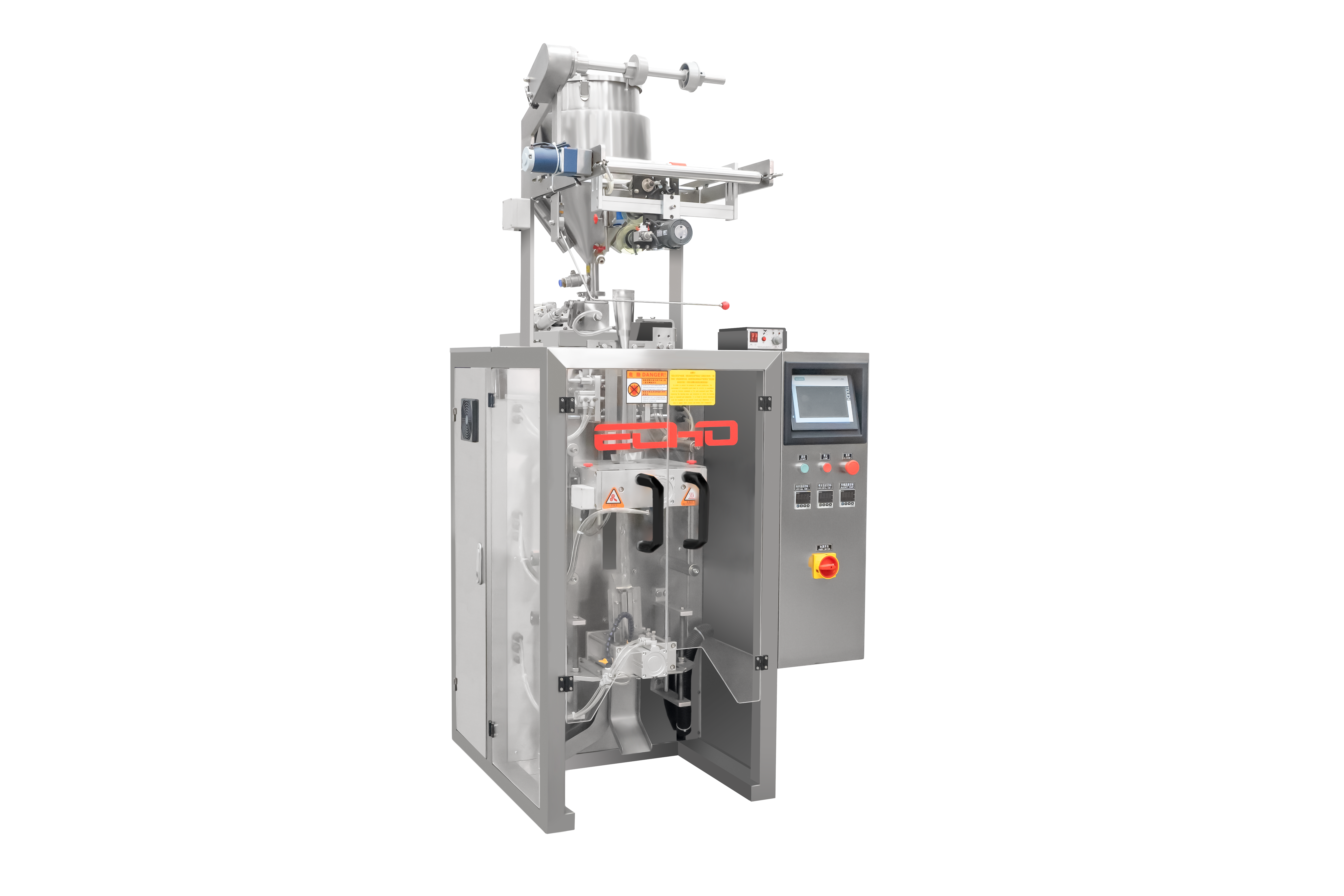
The question of whether a vffs machine is suitable for frozen vegetables requires careful evaluation of both the equipment's capabilities and the specific demands of frozen food packaging. Frozen vegetables present unique challenges that differ significantly from ambient-temperature products, including moisture management, temperature stability, and seal integrity under cold conditions. Understanding these factors helps food processors determine whether investing in a vffs machine aligns with their production goals and operational requirements.
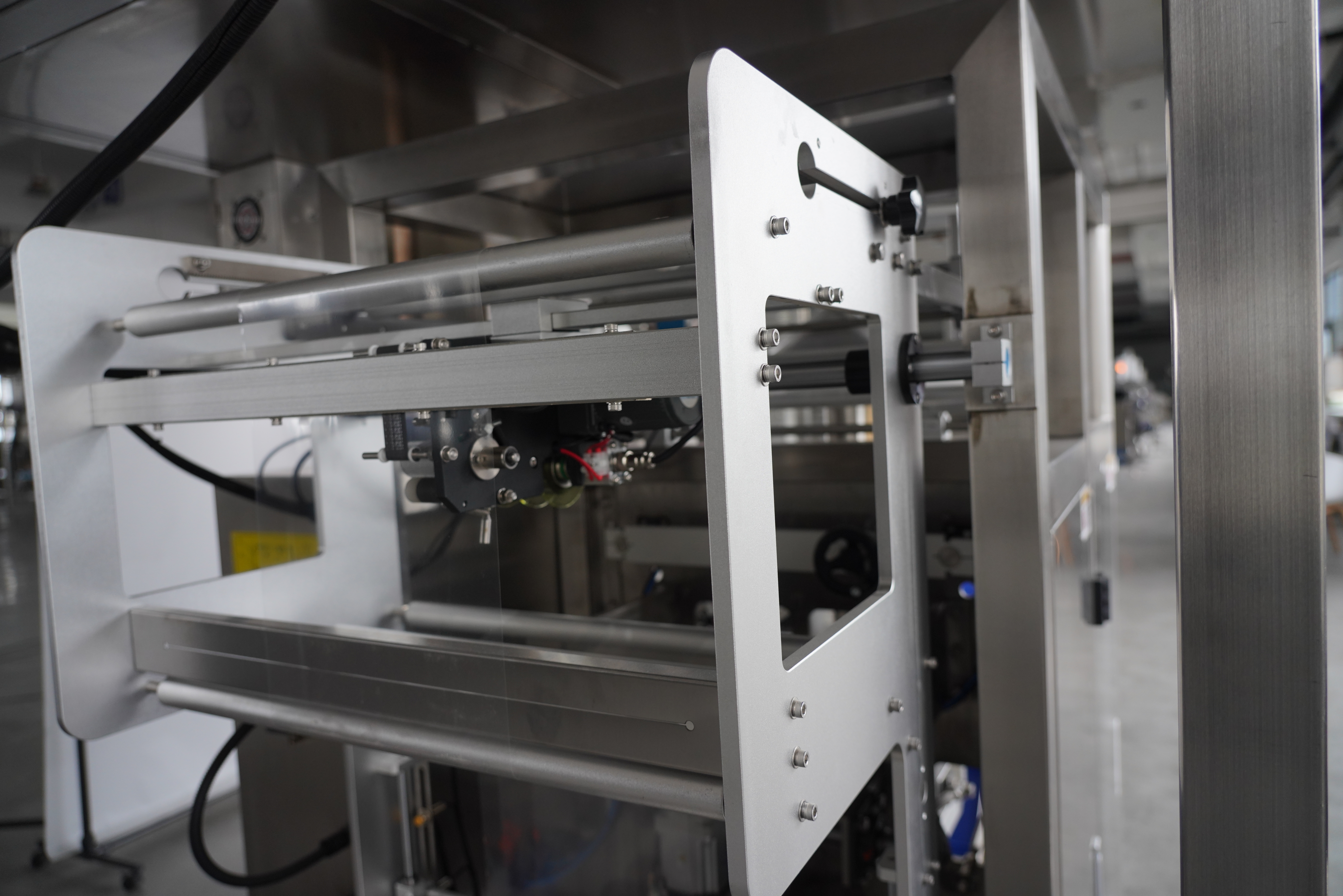
A vffs machine is fundamentally a vertical form-fill-seal packaging system that creates bags from a continuous film roll, fills them with product, and seals them in a single automated workflow. For frozen vegetables, the suitability of a vffs machine depends on thermal control, moisture handling, and the ability to maintain product quality throughout the packaging cycle. Modern vffs machine technology has evolved to handle frozen products effectively when configured with appropriate cooling systems and material specifications.
The primary concern when using a vffs machine for frozen vegetables is heat management during the sealing stage. Traditional vffs machine designs apply heat to create airtight seals, which can thaw the outer layer of frozen vegetables if not carefully controlled. Advanced vffs machine models incorporate variable heat settings, reduced dwell time, and rapid cooling zones that minimize thermal exposure while maintaining seal strength. This technological advancement makes a vffs machine increasingly suitable for frozen vegetable applications where product integrity is non-negotiable.
Selecting the right film for a vffs machine is critical when packaging frozen vegetables. Multi-layer barrier films designed specifically for frozen foods work better with a vffs machine than standard films, as they provide superior moisture barrier properties and maintain flexibility at low temperatures. When a vffs machine is properly calibrated with cold-rated film materials, the combination produces durable packages that resist cracking and maintain seal integrity throughout the frozen supply chain.
Frozen vegetables naturally accumulate frost and condensation, which poses challenges for any packaging system including a vffs machine. A vffs machine designed for frozen food typically includes pre-drying chambers or gentle air streams that remove excess surface moisture before the product enters the forming tube. This upstream processing ensures that the vffs machine operates efficiently and that moisture does not compromise bag formation or seal quality. Proper moisture management transforms a standard vffs machine from unsuitable to highly effective for frozen applications.
Frozen vegetables have variable density and particle size, which affects how they feed into a vffs machine. A vffs machine with adjustable vibratory feeders and load cells can accommodate frozen vegetable varieties ranging from small peas to larger broccoli florets. The ability to monitor and adjust fill accuracy in real time makes a vffs machine more suitable for frozen produce than rigid, fixed-rate systems. Modern vffs machine technology ensures consistent package weights and minimal product waste even with challenging frozen ingredients.
A vffs machine offers significant speed advantages for large-scale frozen vegetable packaging, typically producing 40 to 120 bags per minute depending on bag size and complexity. This production capacity makes a vffs machine economically viable for commercial food processors handling high volumes of frozen vegetables. When amortized over typical production runs, the investment in a vffs machine yields rapid returns compared to manual or semi-automated alternatives, making it highly suitable for competitive frozen food markets.
Automation provided by a vffs machine eliminates manual handling steps that introduce variability and contamination risk in frozen food packaging. A vffs machine operates continuously under controlled parameters, ensuring every bag meets weight, seal, and appearance standards consistently. This combination of labor efficiency and quality assurance demonstrates why a vffs machine is increasingly suitable for processors prioritizing food safety compliance and operational reliability in frozen vegetable production.
Modern vffs machine systems integrate data logging and product traceability features that support regulatory compliance for frozen food exports. A vffs machine equipped with print modules can apply batch codes, lot numbers, and expiration dates directly onto packages, simplifying recall procedures. These built-in compliance capabilities make a vffs machine particularly suitable for processors serving retail and foodservice channels that demand stringent traceability documentation.
Operating a vffs machine in frozen food facilities requires careful facility planning, including adequate refrigeration, humidity control, and proper electrical infrastructure. A vffs machine functions optimally in cooled environments, typically 35 to 50 degrees Fahrenheit, which prevents film brittleness and maintains seal integrity. Facilities considering investment in a vffs machine must evaluate existing cold storage capacity and ensure installation space accommodates the equipment dimensions and material feed systems.
The suitability of a vffs machine also depends on adequate maintenance protocols and operator training specific to frozen food applications. A vffs machine operating in cold, high-moisture environments requires more frequent inspections and component replacement than ambient-temperature systems. Investing in comprehensive training ensures operators can troubleshoot common issues and optimize vffs machine settings for different frozen vegetable products, maximizing equipment reliability and production uptime.
A vffs machine can accommodate most frozen vegetables, but success depends on product particle size, density, and moisture content. Small, uniform products like peas work seamlessly with standard vffs machine configurations, while larger items like broccoli require enhanced feeding mechanisms. The suitability of any specific frozen vegetable with a vffs machine should be confirmed through trial runs with your supplier before full-scale deployment.
Most food processors achieve positive ROI on a vffs machine investment within 18 to 36 months when processing high volumes of frozen vegetables. The payback period depends on current labor costs, production volume, and film material expenses. A vffs machine becomes more cost-effective as volume increases, so facilities running multiple production shifts benefit most from this automation investment.
Yes, temperature significantly impacts vffs machine seal performance with frozen products. A vffs machine configured with adaptive heat controls and rapid cooling maintains superior seal integrity compared to fixed-parameter systems. The answer to whether a vffs machine is suitable for your frozen vegetables often hinges on the equipment's ability to balance sufficient heat for sealing while minimizing product thawing.

2026/09/20
Premade Pouch Machines: Reduce Film Waste, Cut TCO & Achieve Faster ROI

2026/09/20
Cut Premade Pouch Machine Changeover Time by 40% with Proven Best Practices

2026/09/20
Premade Pouch Machines: Boost Throughput, Cut Waste & Improve ROI

2026/09/20
Rotary vs Inline Premade Pouch Machines: Speed, ROI & Scalability Compared

2026/09/20
Premade Pouch Machine: Boost Throughput, Cut Labor Costs & Improve Seal Integrity

2026/09/21
Premade Pouch Machine: Pouch Types, Materials & Filling Guide

