 EN
How to Reduce Film Waste with a Premade Pouch Packaging Machine?
2026/09/20
Premade Pouch Machines: Reduce Film Waste, Cut TCO & Achieve Faster ROI

2026/10/22
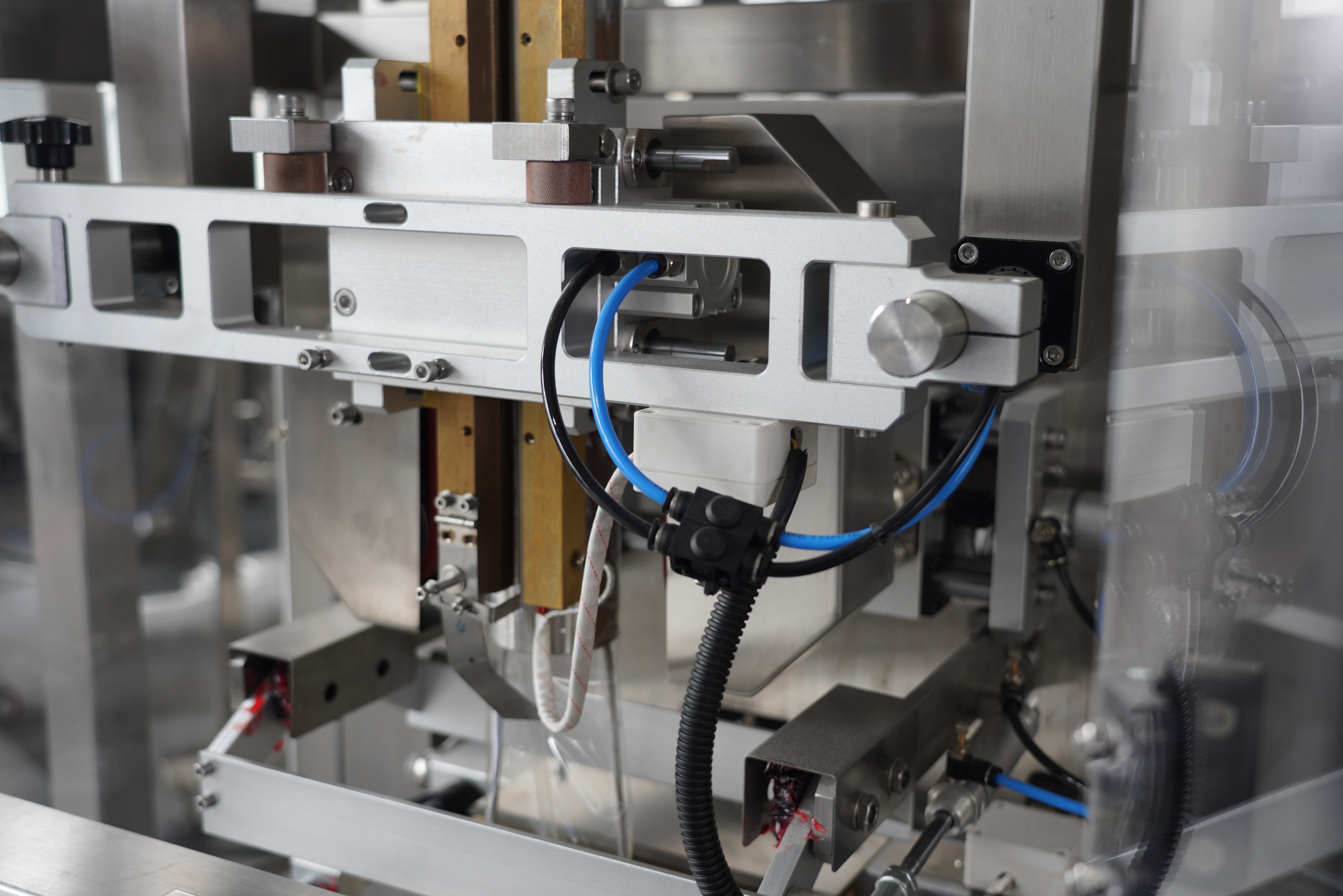
Selecting the right packaging equipment is one of the most critical decisions a manufacturing operation can make. The choice between a vffs machine and an HFFS (Horizontal Form Fill Seal) system directly impacts your production speed, packaging quality, operational costs, and long-term competitiveness. Both technologies have established their place in the industry, but they serve fundamentally different production scenarios and product categories. Understanding the core differences between a vffs machine and horizontal alternatives helps you make an informed decision that aligns with your specific manufacturing requirements, material compatibility, and business growth trajectory.
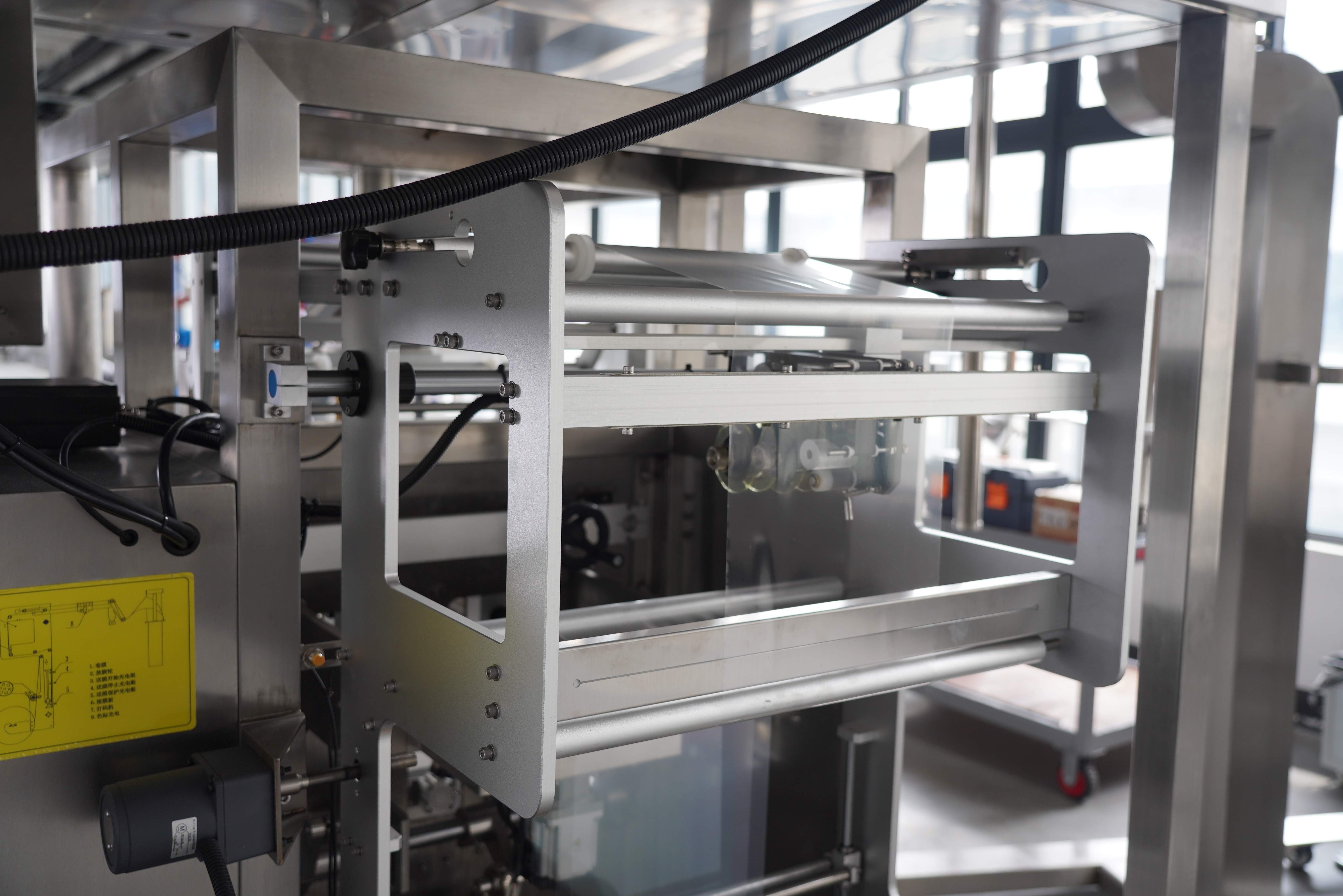
A vffs machine represents a distinct technology category within form-fill-seal equipment, and the choice between vertical and horizontal systems hinges on your product type, throughput requirements, footprint constraints, and packaging material preferences. This comparison explores the practical advantages and limitations of each approach, helping production managers, procurement specialists, and facility planners identify which technology delivers the best return on investment for their unique operational context.
A vffs machine operates by pulling film vertically downward from a roll, forming a continuous tube around a product stream, then sealing and cutting individual packages as they move through the system. The vffs machine design allows products to drop or be conveyed into the forming tube under gravity, making this approach particularly efficient for powders, granules, liquids, and semi-solid materials. The vffs machine footprint is notably compact compared to horizontal alternatives, occupying less floor space while delivering substantial production capacity. Because the vffs machine works with film pulled vertically, it creates natural sealing and cutting opportunities at regular intervals, enabling consistent package dimensions and reliable seal quality across high-speed production runs.
Horizontal form fill seal systems pull film horizontally, creating a pouch or package shape that accommodates products placed sideways into the forming structure. HFFS equipment typically handles rigid or semi-rigid items like snacks, baked goods, fresh produce, and pre-formed products that benefit from reduced product exposure and tumbling. While HFFS systems require more floor space and present greater initial capital investment, they often deliver superior package presentation, enhanced product protection, and the ability to handle delicate or oddly-shaped items that a vffs machine might struggle to process consistently. HFFS technology integrates well into facilities with existing horizontal conveyor infrastructure and supports faster changeovers between different package formats in certain production scenarios.
A vffs machine excels when your facility processes free-flowing or pourable materials such as coffee, tea, spices, sugar, flour, chemicals, pharmaceuticals, or pre-portioned liquid products. The vffs machine becomes the optimal choice when your production targets high throughput with minimal downtime, as vertical systems typically achieve faster cycle times than comparable HFFS equipment. Industries prioritizing minimal packaging material waste particularly benefit from a vffs machine, since the technology creates packages from a single continuous film web with minimal scrap. If your facility operates in space-constrained environments like pharmaceutical clean rooms, food processing areas, or retrofitted manufacturing spaces, a vffs machine represents the practical solution due to its vertical orientation and compact footprint. The vffs machine also becomes attractive when budget constraints demand lower initial capital expenditure, as vertical systems typically cost significantly less than fully automated HFFS lines while delivering comparable capacity.
HFFS systems make sense when your products require gentle handling, protection from excessive compression, or benefit from premium package presentation that influences consumer perception. Applications involving fresh bakery items, snacks, pre-made meals, or products requiring visible product windows demand HFFS capability that a vffs machine cannot replicate. If your production strategy emphasizes multiple package formats, customizable pouch styles, or frequent product changes requiring rapid format changeovers, HFFS equipment provides the flexibility that traditional vertical systems cannot match. HFFS technology becomes essential when your target market expects pillow-style pouches, stand-up pouches with reclosable features, or packages featuring advanced barrier properties that horizontal systems inherently support better than a vffs machine architecture.
A vffs machine typically requires substantially lower capital investment than comparable HFFS systems, making vertical technology accessible to smaller producers, contract manufacturers, and facilities pursuing incremental capacity expansion. The lower acquisition cost of a vffs machine translates directly to faster payback periods, reduced financing requirements, and faster return to profitability. However, HFFS systems often command premium pricing because they incorporate additional servo controls, higher-speed capabilities, advanced material handling, and greater format flexibility. When evaluating a vffs machine against HFFS alternatives, calculate the true cost per package produced over a five to seven year operational horizon, factoring in material efficiency, throughput differences, maintenance costs, and potential production disruptions. Many facilities discover that a vffs machine delivers superior cost performance for stable, high-volume applications, while HFFS justifies its premium price through enhanced flexibility and superior package presentation in dynamic market environments.
A vffs machine generally exhibits lower maintenance complexity, fewer wear-prone components, and simpler troubleshooting protocols compared to HFFS systems. The vertical architecture of a vffs machine means fewer mechanical interfaces, reduced lubrication requirements, and straightforward film tracking adjustments. HFFS equipment demands more sophisticated calibration, more frequent seal jaw maintenance, and greater operator expertise to maintain optimal package quality during extended production runs. Support infrastructure for a vffs machine remains straightforward across most regions, with common replacement parts readily available through established supply chains. Training new operators on a vffs machine typically requires less time and technical depth than equivalent HFFS system instruction, reducing workforce development costs and improving production consistency.
A vffs machine pulls film vertically from a roll, forming a tube around falling or conveyed products, then seals and cuts packages continuously. This vertical orientation creates inherent efficiency advantages for pourable materials, reducing equipment complexity and floor space requirements compared to horizontal systems that require film to be pulled sideways and products to be placed into forming cavities.
No, a vffs machine is optimized for free-flowing, pourable, or conveyable materials rather than rigid, delicate, or pre-formed items. Products requiring gentle handling, visible product windows, or premium presentation typically demand HFFS capability that a vffs machine cannot provide. However, a vffs machine excels with powders, granules, liquids, and semi-solid products where horizontal systems would create unnecessary complexity and expense.
Evaluate your specific product characteristics, production volume requirements, space constraints, packaging format flexibility needs, and capital budget. If your products flow freely, your production remains stable, and you prioritize cost efficiency and minimal floor space, a vffs machine delivers superior value. If you require premium packaging presentation, need format flexibility, or handle delicate items, HFFS investment becomes justified despite higher capital requirements. A comprehensive cost analysis comparing true cost per package over your equipment's operational life should guide the final decision.

2026/09/20
Premade Pouch Machines: Reduce Film Waste, Cut TCO & Achieve Faster ROI

2026/09/20
Cut Premade Pouch Machine Changeover Time by 40% with Proven Best Practices

2026/09/20
Premade Pouch Machines: Boost Throughput, Cut Waste & Improve ROI

2026/09/20
Rotary vs Inline Premade Pouch Machines: Speed, ROI & Scalability Compared

2026/09/20
Premade Pouch Machine: Boost Throughput, Cut Labor Costs & Improve Seal Integrity

2026/09/21
Premade Pouch Machine: Pouch Types, Materials & Filling Guide

