 EN
How to Reduce Film Waste with a Premade Pouch Packaging Machine?
2026/09/20
Premade Pouch Machines: Reduce Film Waste, Cut TCO & Achieve Faster ROI

2026/10/23
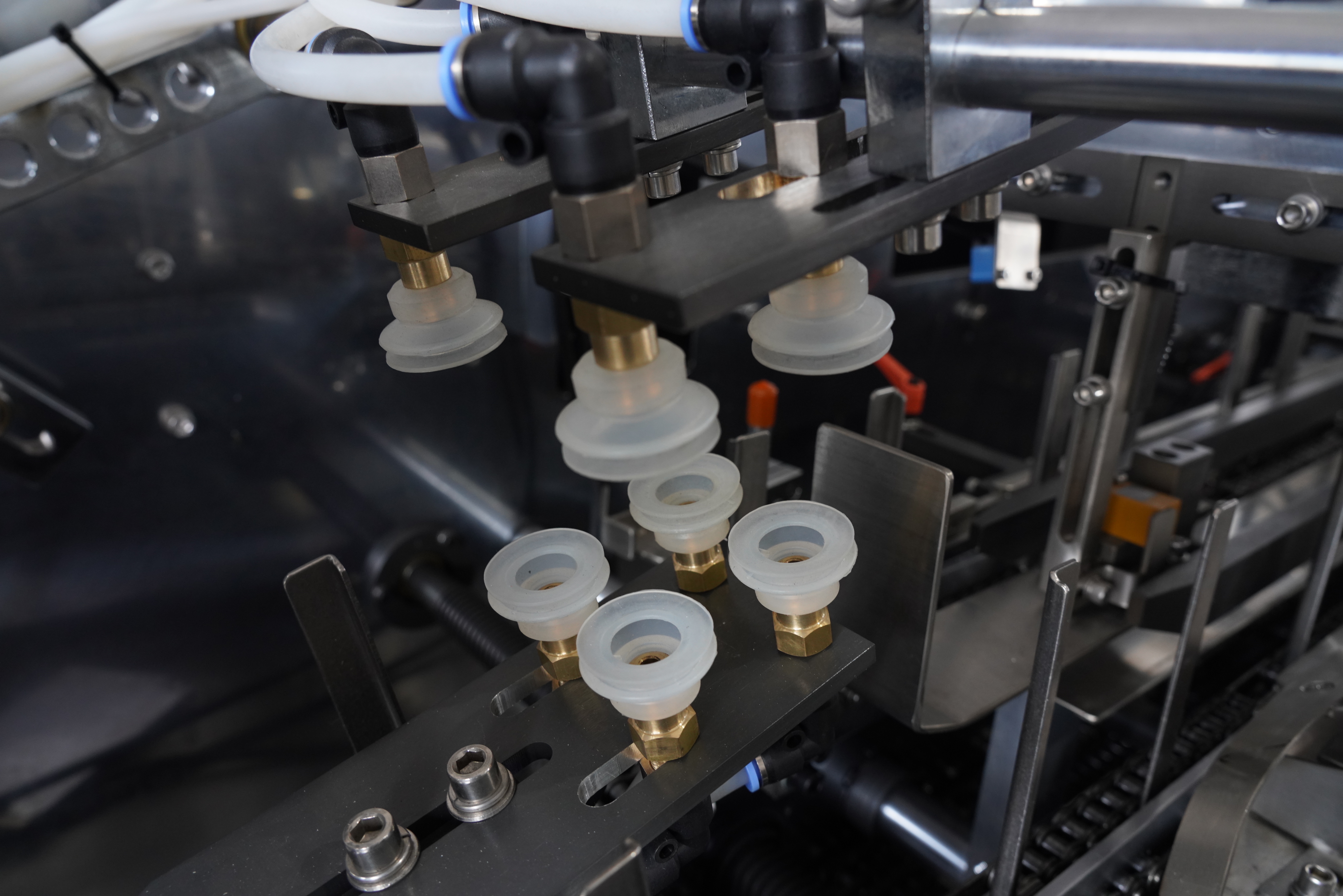
Choosing between a vffs machine and premade pouches represents one of the most critical packaging decisions manufacturers face today. The efficiency, cost structure, and operational flexibility of each approach differ significantly, and the right choice depends on your production volume, product type, and long-term business strategy. A vffs machine creates pouches on-demand during the filling process, while premade pouches arrive ready to fill. Understanding the true efficiency differences between these two methods can directly impact your bottom line and competitive positioning in the marketplace.
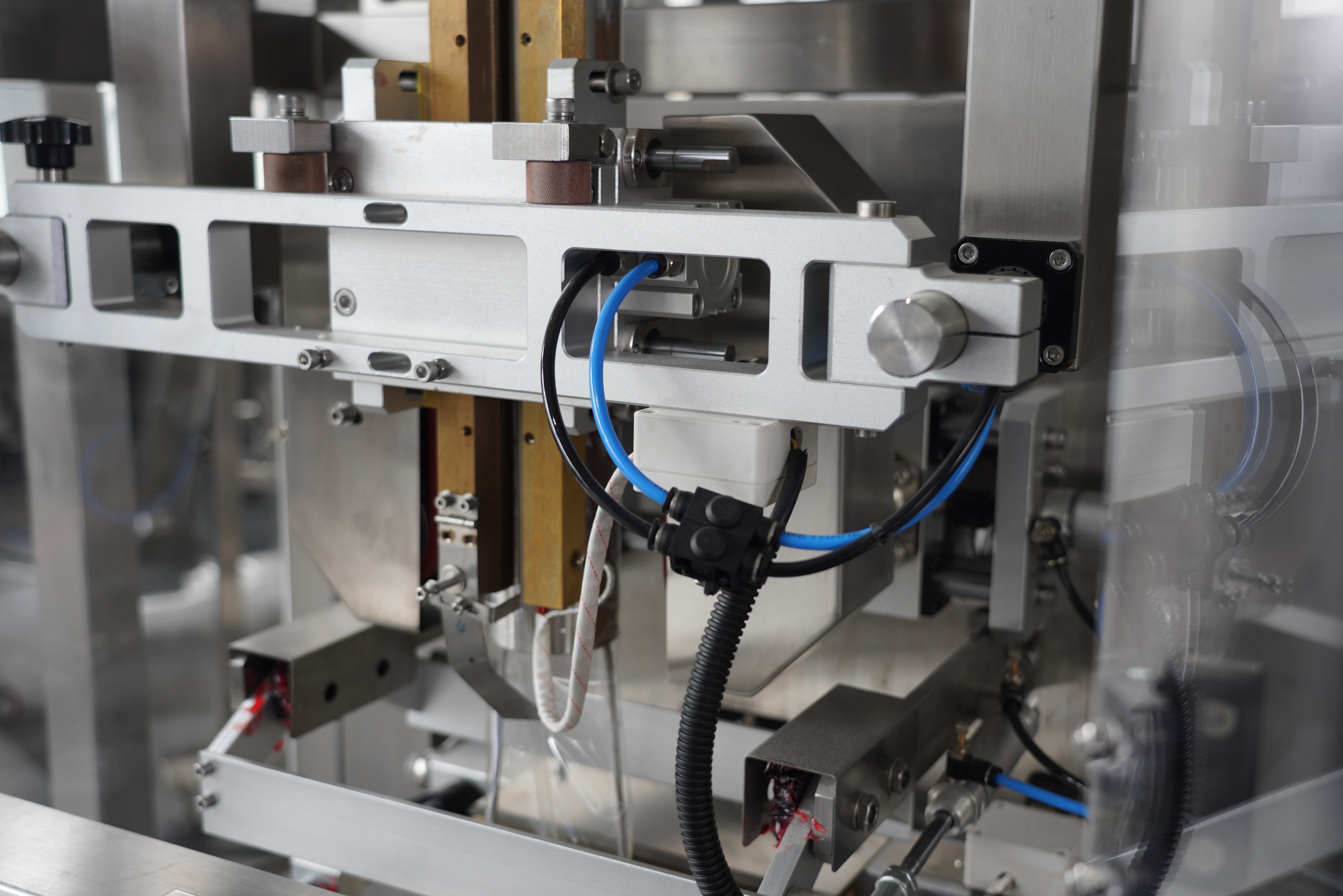
The efficiency question extends beyond simple speed metrics. When evaluating a vffs machine against premade solutions, you must consider material waste, changeover time, storage requirements, and the flexibility to adjust pouch sizes and formats on the fly. Many manufacturers discover that their initial cost assumptions about each approach miss crucial hidden factors that emerge during actual production operations. This comparison explores the real-world efficiency drivers that separate high-performing vffs machine operations from those struggling with premade pouch logistics.
A modern vffs machine operates with impressive speed, typically forming and sealing 40 to 150 pouches per minute depending on pouch size, film thickness, and product density. The vffs machine eliminates the need for pre-cut pouch inventory by creating pouches from continuous film roll during the filling operation. This continuous workflow means your vffs machine never pauses to load pre-formed pouches into hoppers or deal with supply chain delays affecting pouch availability. The speed advantage becomes especially pronounced when running small-batch orders or frequent product changes, as the vffs machine can shift to different pouch specifications within minutes rather than hours.
Premade pouches offer fast filling speeds once they are loaded into the filling station, often matching or slightly exceeding vffs machine throughput on standardized runs. However, premade pouch operations include upstream delays that the vffs machine avoids entirely. Loading premade pouches into hoppers, clearing jams when pouches stick together, and managing supply chain timing all consume productive time. The vffs machine eliminates these handling steps because it forms the pouch precisely when needed. For manufacturers running the same pouch specification consistently throughout shifts, premade pouches may achieve comparable net throughput. Yet the vffs machine delivers genuine speed advantages during transitions, seasonal product changes, or when pouch availability becomes constrained by supplier capacity.
A vffs machine draws material from a continuous film roll, cutting pouches to exact specifications based on product weight and pack format. This precision minimizes scrap between pouches and ensures the vffs machine consumes only the film required for each individual pouch. The vffs machine operator adjusts cut length to match exact fill weights, virtually eliminating excess material waste. Modern vffs machine models include film tension monitoring and servo-driven cutting systems that further reduce waste by maintaining consistent cut accuracy across thousands of pouches. Oversize or undersized pouches fail quality checks in the vffs machine process far less frequently than in premade pouch handling, where pouches may crease, shift position, or absorb moisture before reaching the filling station.
Premade pouch inventory accumulates waste through multiple channels that the vffs machine completely eliminates. Manufacturers must order premade pouches in minimum quantities, often far exceeding immediate production needs. Storage in warehouses exposes premade pouches to humidity, light, and temperature fluctuations that degrade film integrity and seal strength. The vffs machine avoids this problem by forming pouches mere seconds before they enter the fill cycle. Excess premade pouch inventory sitting in storage represents tied-up capital and eventual disposal expense when product specifications change. Many facilities discover that premade pouch waste, including handling damage and storage degradation, exceeds the film trim waste generated by a vffs machine operation, making the vffs machine genuinely more material-efficient despite operating from continuous rolls.
The vffs machine excels in environments requiring frequent format changes or multiple product SKUs per production day. Switching a vffs machine from one pouch size to another requires adjusting servo parameters, seal bar temperature, and film advance distance. Modern vffs machine systems automate these adjustments through preset recipes, enabling changeovers in 10 to 20 minutes. The vffs machine then begins producing correct-format pouches immediately without consuming inventory of incorrect pouch sizes. This flexibility transforms how manufacturers handle seasonal products, promotional packs, and market-driven variations. A vffs machine investment justifies itself rapidly in facilities running 10 or more different pouch configurations annually, as the vffs machine adapts without generating obsolete premade pouch inventory.
Premade pouch operations lock production into predefined formats, forcing manufacturers to forecast demand months in advance and commit purchasing budgets to specific sizes and styles. Changing from one premade pouch specification to another means exhausting existing inventory before transitioning to the new format, or disposing of unused premade pouches entirely. The vffs machine eliminates this constraint by generating exactly the pouch format required for each production order. Facilities switching between premade pouches often experience idle time as crews change hopper configurations, while the vffs machine handles format transitions with software updates and mechanical adjustments. In competitive markets where product innovation and market responsiveness drive revenue, the operational flexibility advantage of the vffs machine translates directly into faster time-to-market and reduced inventory risk.
A vffs machine involves more moving components than simple premade pouch loading equipment, requiring regular maintenance of cutting blades, seal bars, and film advance rollers. However, proper preventive maintenance schedules keep the vffs machine downtime comparable to or lower than the cumulative delays premade pouch operations experience through supply chain interruptions, hopper jams, and inventory management issues. The vffs machine investment justifies maintenance costs by eliminating supply-side disruptions that plague premade pouch workflows.
Most manufacturers achieve efficiency advantages with a vffs machine at volumes exceeding 50,000 pouches monthly, particularly when running multiple pouch formats. However, even lower volumes favor the vffs machine when product specifications change frequently or when premade pouch lead times create supply constraints. The vffs machine efficiency calculation includes material waste reduction, storage elimination, and changeover speed rather than throughput speed alone. Every facility's break-even point differs based on these operational factors.
Most commercial vffs machine systems process standard polyethylene, polypropylene, and multi-layer film laminates effectively. Specialty materials like stand-up pouch structures or pre-printed custom laminates require vffs machine compatibility verification with your equipment supplier, as some materials demand specific tension settings or seal parameters. The vffs machine flexibility advantage shines brightest with standard film formulations, where continuous roll sourcing remains reliable and cost-effective compared to premade pouch constraints.

2026/09/20
Premade Pouch Machines: Reduce Film Waste, Cut TCO & Achieve Faster ROI

2026/09/20
Cut Premade Pouch Machine Changeover Time by 40% with Proven Best Practices

2026/09/20
Premade Pouch Machines: Boost Throughput, Cut Waste & Improve ROI

2026/09/20
Rotary vs Inline Premade Pouch Machines: Speed, ROI & Scalability Compared

2026/09/20
Premade Pouch Machine: Boost Throughput, Cut Labor Costs & Improve Seal Integrity

2026/09/21
Premade Pouch Machine: Pouch Types, Materials & Filling Guide

