EN
How to Reduce Film Waste with a Premade Pouch Packaging Machine?
2026/09/20
Premade Pouch Machines: Reduce Film Waste, Cut TCO & Achieve Faster ROI

2026/09/30
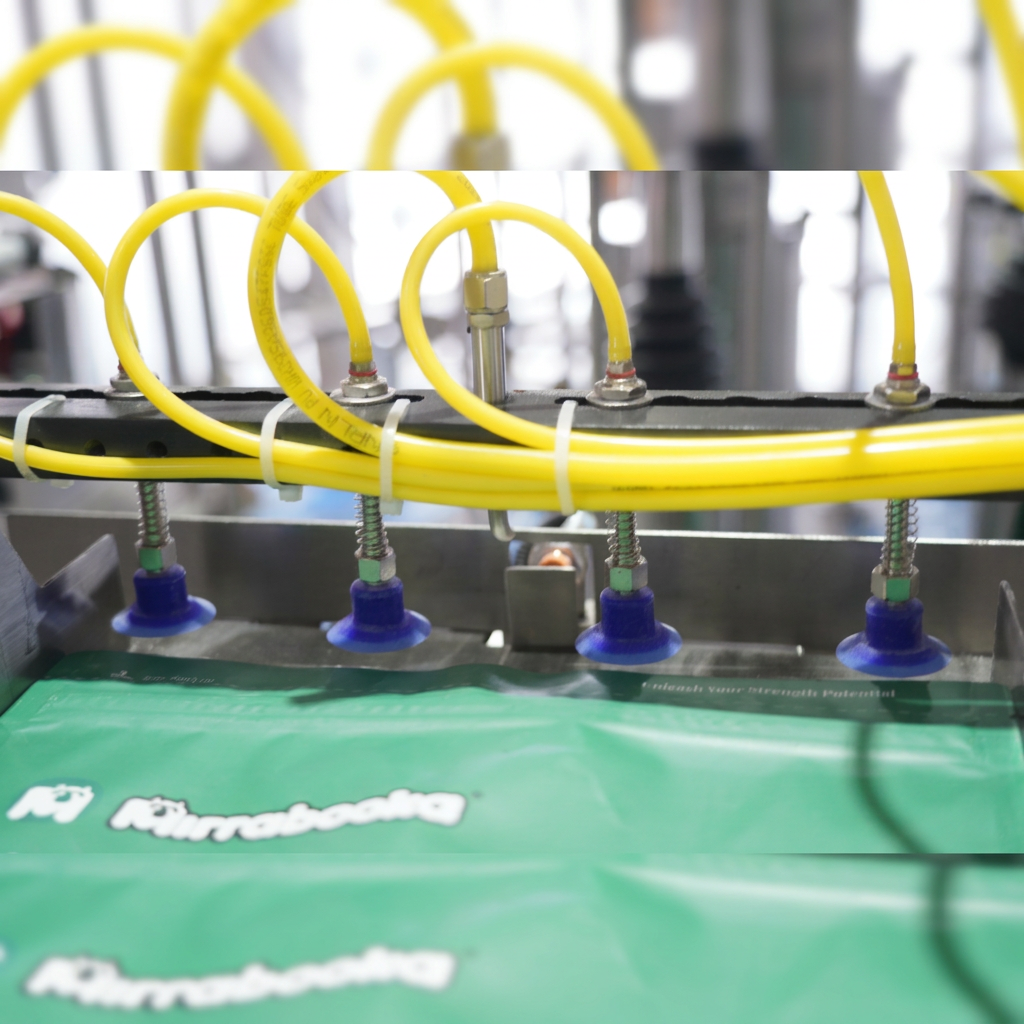
A rotary vacuum packaging machine represents a critical investment for food manufacturers, processors, and distribution centers seeking to extend product shelf life while maintaining quality and reducing waste. These sophisticated pieces of equipment use controlled atmospheric conditions and sealing technology to remove oxygen from packaging, creating an airtight environment that dramatically slows spoilage and degradation. Understanding the genuine benefits of a rotary vacuum packaging machine helps decision-makers evaluate whether this technology aligns with production goals, cost structure, and market positioning.
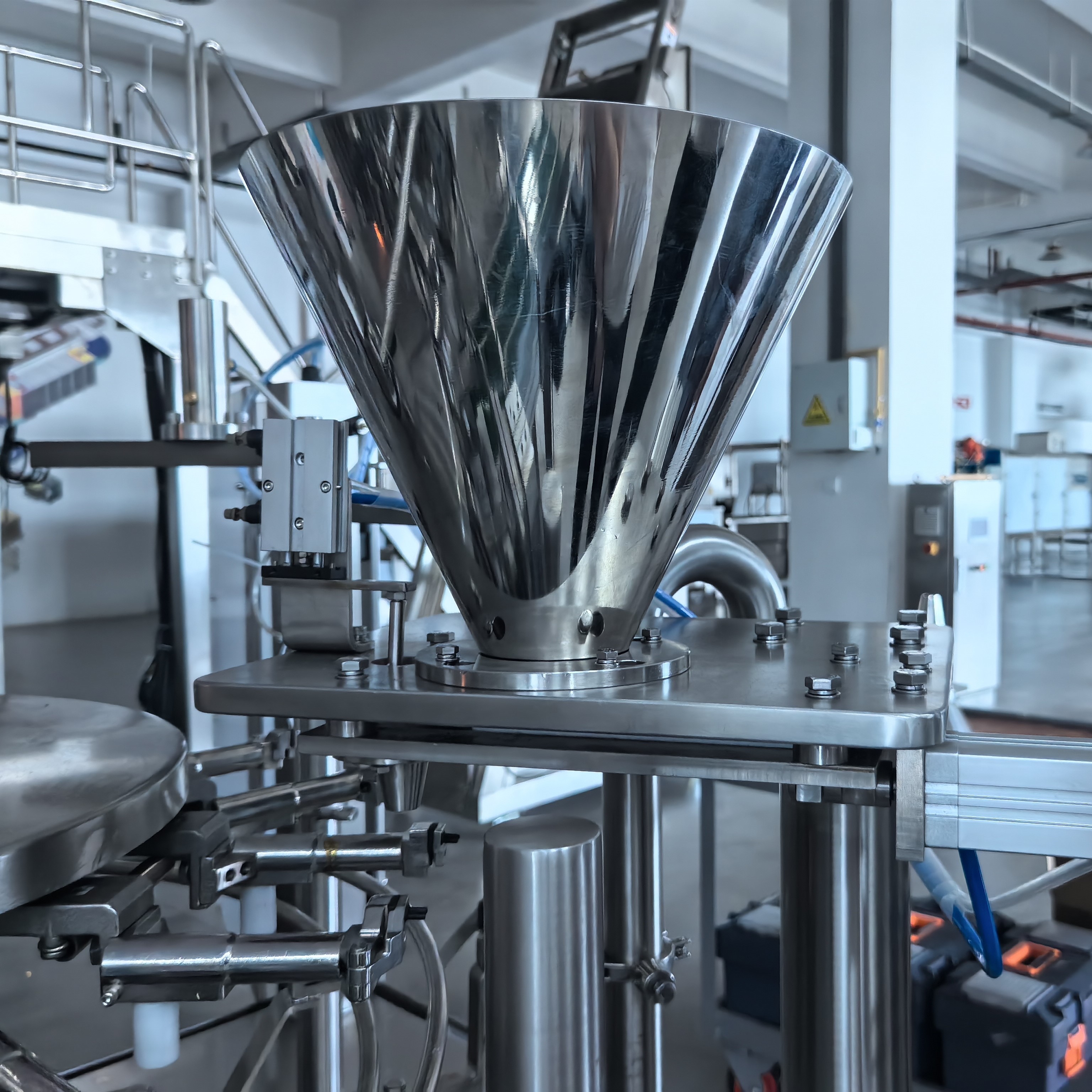
The operational advantages of a rotary vacuum packaging machine extend far beyond simple oxygen removal. Modern rotary systems integrate continuous production cycles, precise vacuum control, and reliable sealing mechanisms that minimize defect rates and ensure consistent package integrity across high-volume runs. For companies processing meat, seafood, fresh produce, cheese, or prepared foods, the efficiency and reliability of a rotary vacuum packaging machine directly impact profitability, customer satisfaction, and regulatory compliance in competitive markets.
The primary benefit of a rotary vacuum packaging machine is its ability to remove oxygen from the package interior before sealing, which inhibits aerobic microbial growth and oxidative deterioration. Oxygen supports the reproduction of bacteria, mold, and yeast that cause spoilage, off-odors, and color degradation. By deploying a rotary vacuum packaging machine, manufacturers reduce oxygen levels to near-zero concentrations, creating hostile conditions for spoilage organisms and significantly extending the safe storage period for perishable products. This oxygen-free environment preserves texture, flavor, and nutritional value far longer than conventional air-filled packaging.
Beyond microbial control, a rotary vacuum packaging machine slows chemical oxidation processes that degrade fats, proteins, and pigments in food products. Rancidity, color fading, and nutrient loss all accelerate in the presence of oxygen; vacuum sealing dramatically reduces these reactions. Products packaged with a rotary vacuum packaging machine achieve shelf life extensions of 3 to 5 times longer than air-packed equivalents, depending on the product type, storage temperature, and packaging material quality. This extended shelf life reduces waste at retail points, minimizes markdowns due to age-related degradation, and improves overall supply chain economics.
A rotary vacuum packaging machine operates on a continuous carousel or turntable system, processing multiple packages simultaneously in rotating positions. While one station performs vacuum extraction, another applies gas flushing, a third seals the package, and a fourth ejects the completed item. This parallel processing capability enables a rotary vacuum packaging machine to achieve throughput rates far exceeding batch or linear vacuum sealers, often processing 50 to 200 packages per minute depending on package size and configuration. High-volume producers benefit from faster cycle times, reduced labor hours per unit, and improved asset utilization across production runs.
Industrial operators recognize that a rotary vacuum packaging machine delivers superior sealing consistency compared to manual or semi-automated alternatives. Precise vacuum control, calibrated dwell times, and automated pressure release prevent seal defects, burst packages, and product contamination during the packaging cycle. Reduced defect rates directly lower material waste, rework costs, and customer returns related to package failure. Operators also realize faster setup times and fewer product adjustments when running a rotary vacuum packaging machine, because the standardized carousel configuration accommodates a wide range of package dimensions with simple parameter adjustments and minimal downtime.
Modern consumers increasingly recognize vacuum-sealed packaging as a quality indicator associated with freshness, safety, and premium positioning. Products sealed with a rotary vacuum packaging machine can command higher retail prices, justify brand premiums, and attract quality-conscious buyers willing to pay for extended shelf life and superior freshness. The visible absence of air pockets in vacuum-sealed packages creates a perception of careful handling and product integrity that differentiates items on crowded retail shelves. For manufacturers competing in premium segments or direct-to-consumer channels, investing in a rotary vacuum packaging machine strengthens brand positioning and supports market expansion into high-margin distribution channels.
Food safety regulations and HACCP protocols increasingly mandate precise documentation of packaging processes, including vacuum levels, dwell times, and seal strength verification. A rotary vacuum packaging machine equipped with modern sensors and data logging capabilities automatically records these critical parameters, creating audit trails that demonstrate compliance with food safety standards. This documentation capability simplifies regulatory inspections, supports traceability in contamination investigations, and protects manufacturers from liability claims. Processors exporting to international markets or selling through major retail chains find that a rotary vacuum packaging machine's built-in compliance features reduce certification costs and accelerate market access.
Products with high oxygen sensitivity and short shelf life benefit most from a rotary vacuum packaging machine, including fresh and cured meats, seafood, cheese, nuts, coffee, dried herbs, and prepared meals. High-moisture foods, fatty products, and items prone to oxidative color changes see the most dramatic shelf life improvements from vacuum sealing, while low-moisture, shelf-stable items show less dramatic benefits. Food manufacturers should evaluate specific product chemistry and target shelf life goals to determine the economic justification for a rotary vacuum packaging machine investment.
A rotary vacuum packaging machine removes oxygen completely, while modified atmosphere packaging (MAP) or gas flushing replaces oxygen with nitrogen or other inert gases. Vacuum sealing is typically more effective for products sensitive to residual oxygen, offers longer shelf life, and requires less ongoing gas supply management than gas flushing alternatives. Some premium products use a combination approach, where a rotary vacuum packaging machine performs initial oxygen removal followed by nitrogen flushing to create additional protective atmosphere layers and prevent package collapse during storage and transport.
A rotary vacuum packaging machine requires regular cleaning of sealing bars, vacuum chambers, and carousel surfaces to prevent product residue buildup and seal degradation. Vacuum pump maintenance, including oil changes and filter replacement, extends equipment life and maintains consistent vacuum performance. Seal bar calibration checks and periodic pressure testing ensure consistent package integrity and prevent leaks. Most manufacturers recommend quarterly preventive maintenance inspections and annual professional servicing for high-volume operations to maximize uptime and production reliability throughout the equipment lifecycle.
2026/09/20
Premade Pouch Machines: Reduce Film Waste, Cut TCO & Achieve Faster ROI
2026/09/20
Cut Premade Pouch Machine Changeover Time by 40% with Proven Best Practices
2026/09/20
Premade Pouch Machines: Boost Throughput, Cut Waste & Improve ROI
2026/09/20
Rotary vs Inline Premade Pouch Machines: Speed, ROI & Scalability Compared
2026/09/20
Premade Pouch Machine: Boost Throughput, Cut Labor Costs & Improve Seal Integrity
2026/09/21
Premade Pouch Machine: Pouch Types, Materials & Filling Guide