 EN
How to Reduce Film Waste with a Premade Pouch Packaging Machine?
2026/09/20
Premade Pouch Machines: Reduce Film Waste, Cut TCO & Achieve Faster ROI

2026/09/29
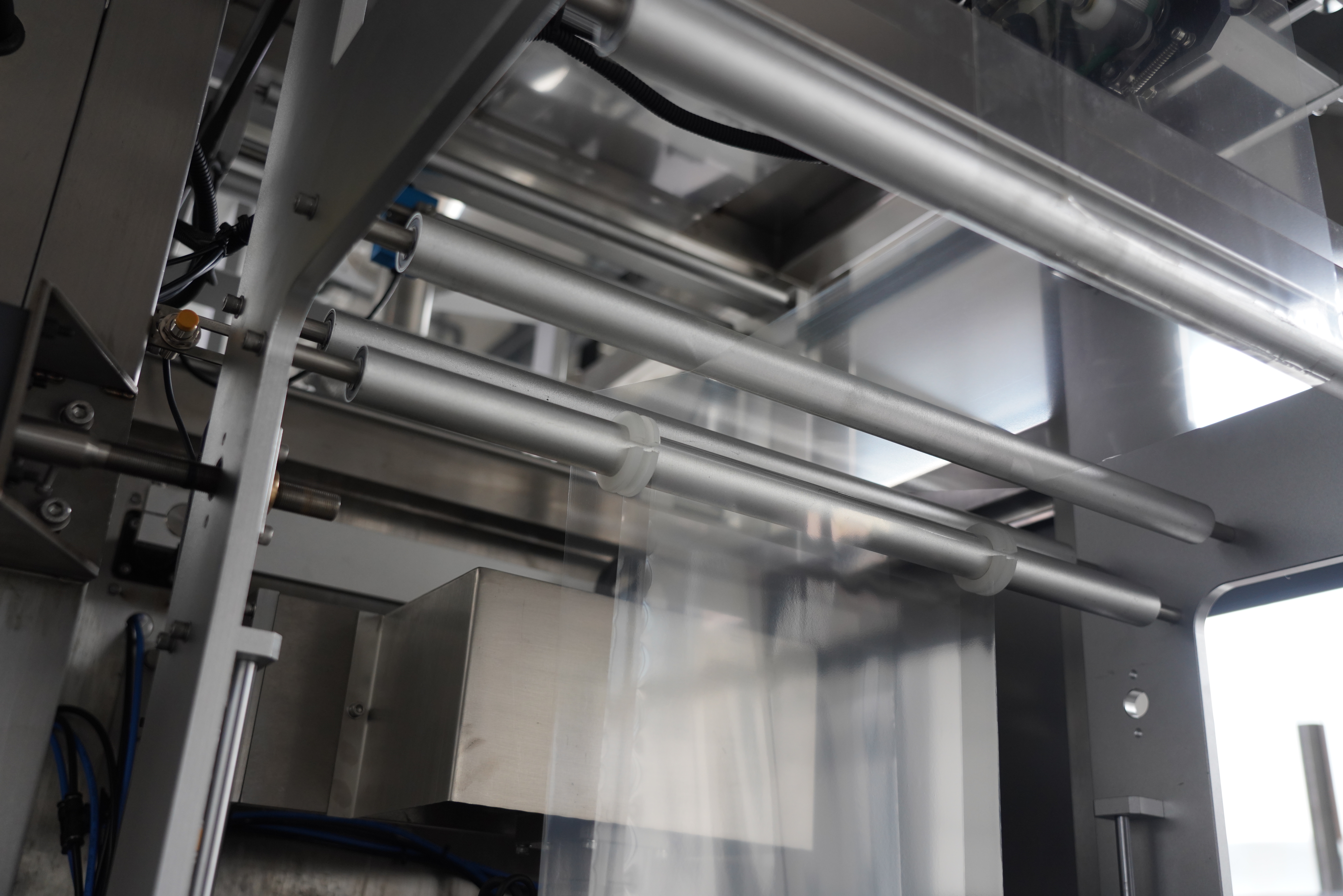
A vffs machine represents a significant investment in modern packaging operations, but understanding its energy consumption is essential for calculating total cost of ownership. The operational energy costs associated with a vffs machine vary widely depending on machine specifications, material type, production speed, and facility conditions. For packaging manufacturers, accurately forecasting these expenses helps justify capital expenditure and optimize production efficiency.
Energy costs directly impact your bottom line and competitive pricing strategy. A vffs machine operates through coordinated mechanical, pneumatic, and thermal systems that together drive power consumption. By examining how each component contributes to total energy demand, operators can identify opportunities for cost reduction and implement strategies that maintain output quality while minimizing operational expenses.
The primary energy consumer in any vffs machine is the main motor that drives the forming, filling, and sealing operations. A typical vffs machine requires between 5 and 15 kilowatts of continuous power during normal production, with larger industrial models consuming up to 25 kilowatts or more. The motor size depends on machine speed, film thickness, product density, and the total mass of moving components. Higher production speeds require proportionally more powerful motors, which translates to increased electrical consumption.
Variable frequency drives (VFDs) have become standard on modern vffs machine models, allowing operators to adjust motor speed and power draw according to actual production requirements. A vffs machine equipped with VFD technology can reduce energy consumption by 10 to 30 percent compared to fixed-speed motors, particularly during slower production cycles or when running partial capacity. Understanding your vffs machine's motor specifications and drive capabilities is the first step toward energy cost management.
Thermal energy represents the second major power requirement in a vffs machine, typically accounting for 20 to 40 percent of total energy consumption. The sealing jaw heaters, which fuse film layers together, operate continuously and require substantial electrical input to maintain proper temperature. A vffs machine sealing system usually demands 3 to 8 kilowatts of heating energy, depending on film material, seal width, and dwell time.
The temperature profile across a vffs machine heating zone must remain stable for consistent seal quality. Infrared preheaters, if present, add additional thermal load. Older vffs machine models often lack precise temperature control, causing energy waste through excessive heat generation. Modern vffs machine units feature proportional valve heating systems and sensor feedback that optimize thermal efficiency by maintaining target temperatures without overshooting.
Energy consumption scales with production speed, but the relationship is not linear. Running a vffs machine at maximum speed increases motor load substantially, but per-unit energy cost often decreases because fixed overhead energy is distributed across more packages. Conversely, running a vffs machine at very low speeds may increase per-unit energy cost because baseline heating and standby power remain constant. Most packaging operations find that a vffs machine operates most efficiently at 60 to 85 percent of maximum speed, balancing energy consumption against production volume.
A vffs machine configured for high-speed operation typically requires upgraded motors, reinforced mechanical components, and more powerful pneumatic systems. These heavier-duty configurations draw more baseline power even at reduced speeds. Understanding the optimal speed range for your specific vffs machine model helps manage energy budgets effectively.
Different film materials impose varying energy demands on a vffs machine. Thicker films require higher sealing temperatures and longer dwell times, increasing thermal energy consumption. Flexible plastic films, common in snack packaging, typically consume less sealing energy than metallized or laminated films. The forming process on a vffs machine also varies by film type; some materials require more intensive forming pressure, which increases hydraulic or pneumatic load.
When operating a vffs machine with specialty films, thermal conductivity becomes critical. Films with poor heat transfer properties require longer seal times or higher temperatures, directly raising energy costs. Testing new materials on your vffs machine before full-scale production helps identify optimized thermal settings that balance seal strength with energy efficiency.
Ambient temperature significantly affects a vffs machine's energy consumption. Operating a vffs machine in warm environments requires more active cooling to prevent thermal drift and maintain seal quality. Facilities in hot climates often need auxiliary cooling systems, which add 2 to 5 kilowatts of parasitic electrical load. Conversely, running a vffs machine in cold conditions may require additional heating, particularly for films that stiffen at low temperatures.
Humidity also impacts a vffs machine's performance and energy use. High moisture levels can affect film behavior and seal integrity, potentially forcing operators to increase thermal energy or adjust pneumatic pressure, both of which raise overall consumption. Maintaining stable environmental conditions around your vffs machine through facility climate control provides a measurable return on investment through reduced energy waste.
Begin by accurately measuring your vffs machine's actual power draw using industrial power analyzers. Record consumption during different production scenarios: maximum speed, typical production speed, and partial-load operation. Most vffs machine operators find that baseline consumption (with no material running) accounts for 15 to 25 percent of peak consumption. Comparing these measurements against manufacturer specifications reveals whether your vffs machine operates at design efficiency or shows signs of mechanical wear or misalignment.
Calculate the cost per unit by dividing total energy consumption by packages produced during a measured interval. This per-unit energy cost varies based on your local electricity rates but provides a meaningful benchmark. Tracking vffs machine energy efficiency over months and years reveals trends that indicate when maintenance becomes necessary or when efficiency upgrades justify capital investment.
Regular preventive maintenance directly reduces energy consumption by a vffs machine. Mechanical friction increases dramatically when bearings wear or pulleys become misaligned, forcing the motor to work harder. Thermal efficiency degrades when heating elements accumulate residue or insulation deteriorates. A vffs machine that receives quarterly maintenance typically consumes 5 to 15 percent less energy than an equivalent unit operating without routine service.
Upgrading to modern control systems and sensors allows operators to optimize a vffs machine's thermal profile in real time. Predictive heating systems that adjust temperature based on film type and speed can reduce thermal energy consumption by 10 to 20 percent. Implementing servo-driven components on a vffs machine instead of traditional hydraulic or belt-driven systems often delivers 15 to 25 percent energy savings, though the initial capital cost is higher.
Operators can implement immediate cost reductions by running a vffs machine at optimal speed settings rather than maximum capacity. Most vffs machine models achieve the best energy efficiency at 70 percent speed, where energy per unit output is minimized. Pre-staging materials and minimizing changeover time reduces idle consumption. Implementing efficient shift schedules that consolidate production into fewer, longer runs rather than scattered short runs allows a vffs machine to operate in its most efficient thermal state.
Training staff to recognize signs of vffs machine inefficiency—such as uneven seals, motor strain sounds, or temperature fluctuations—enables early intervention before problems worsen. Establishing energy consumption baselines and monitoring dashboards creates accountability and surfaces improvement opportunities that might otherwise go unnoticed in a vffs machine operation.
The annual energy cost depends on machine size, production hours, local electricity rates, and operational efficiency. A mid-sized vffs machine running 250 production days per year at average consumption of 8 kilowatts typically costs between $8,000 and $15,000 in annual electricity expenses at standard industrial rates. Larger vffs machine systems or those operating longer shifts may reach $20,000 or more annually. Implementing energy efficiency measures on a vffs machine can reduce this cost by 10 to 30 percent.
Yes, a vffs machine consumes more total energy at higher production speeds, but per-unit energy cost often decreases because the fixed overhead power is distributed across more packages. Running a vffs machine at maximum speed increases motor load and may increase cooling requirements, but the energy per package produced is typically lower than at minimal speeds. Most operators find that a vffs machine achieves optimal energy efficiency at 60 to 80 percent of its rated maximum speed.
A vffs machine consumes baseline energy continuously even during idle periods between changeovers. By minimizing downtime and running longer, continuous production cycles, a vffs machine avoids wasting energy on heating elements that maintain temperature but produce no output. Consolidating shorter production runs into longer sessions allows a vffs machine to reach thermal equilibrium and operate at peak efficiency, reducing overall energy consumption per package and lowering total operating costs.

2026/09/20
Premade Pouch Machines: Reduce Film Waste, Cut TCO & Achieve Faster ROI

2026/09/20
Cut Premade Pouch Machine Changeover Time by 40% with Proven Best Practices

2026/09/20
Premade Pouch Machines: Boost Throughput, Cut Waste & Improve ROI

2026/09/20
Rotary vs Inline Premade Pouch Machines: Speed, ROI & Scalability Compared

2026/09/20
Premade Pouch Machine: Boost Throughput, Cut Labor Costs & Improve Seal Integrity

2026/09/21
Premade Pouch Machine: Pouch Types, Materials & Filling Guide

