 EN
How to Reduce Film Waste with a Premade Pouch Packaging Machine?
2026/09/20
Premade Pouch Machines: Reduce Film Waste, Cut TCO & Achieve Faster ROI

2026/09/29
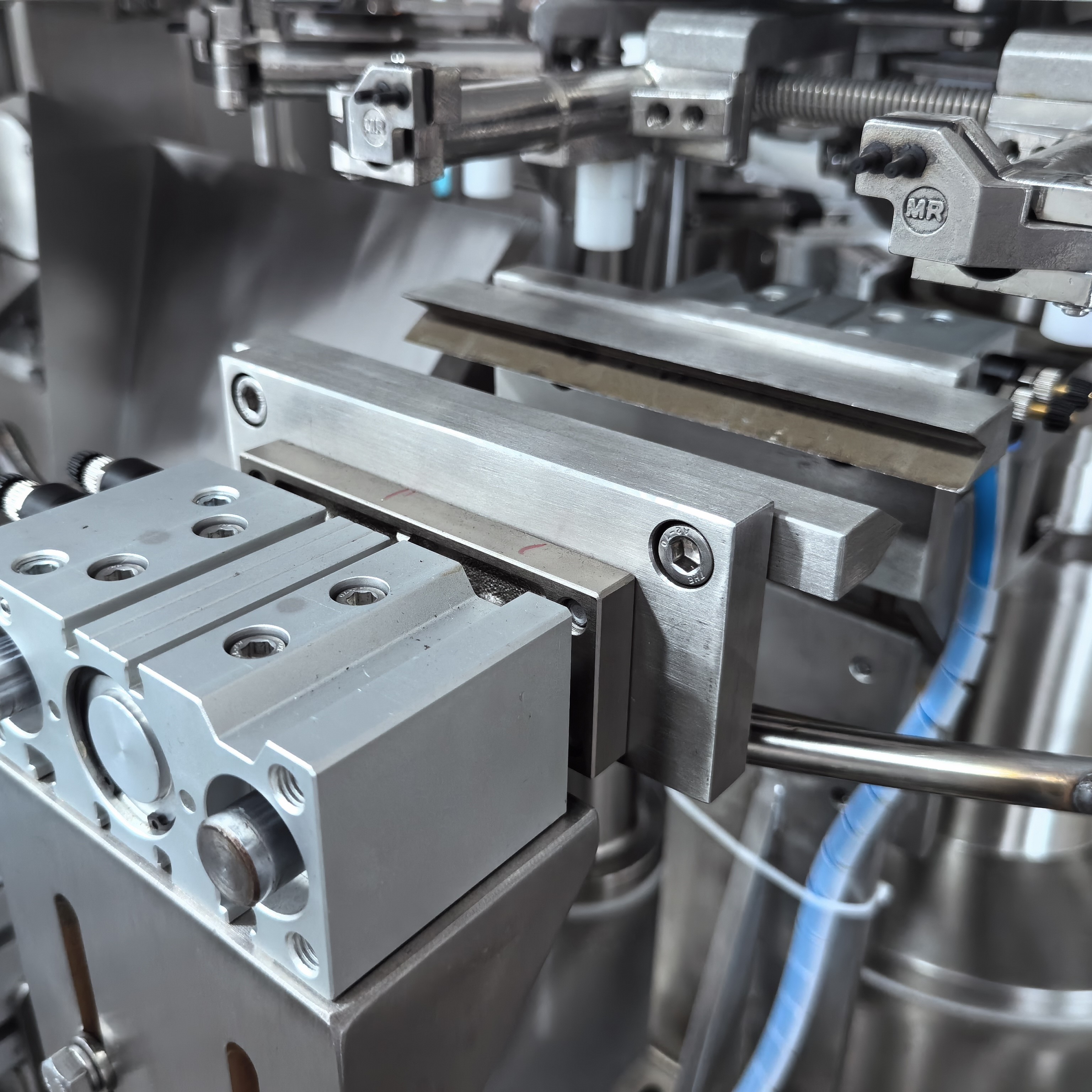
Seal quality is the foundation of product protection in modern packaging operations. A rotary pouch packing machine that delivers inconsistent seals creates waste, reduces shelf life, and damages brand reputation. Understanding what drives rotary pouch packing machine seal quality is essential for packaging engineers, production managers, and equipment buyers who need reliable performance at scale. The integrity of every seal determines whether products remain fresh, protected, and compliant with industry standards throughout their supply chain journey.
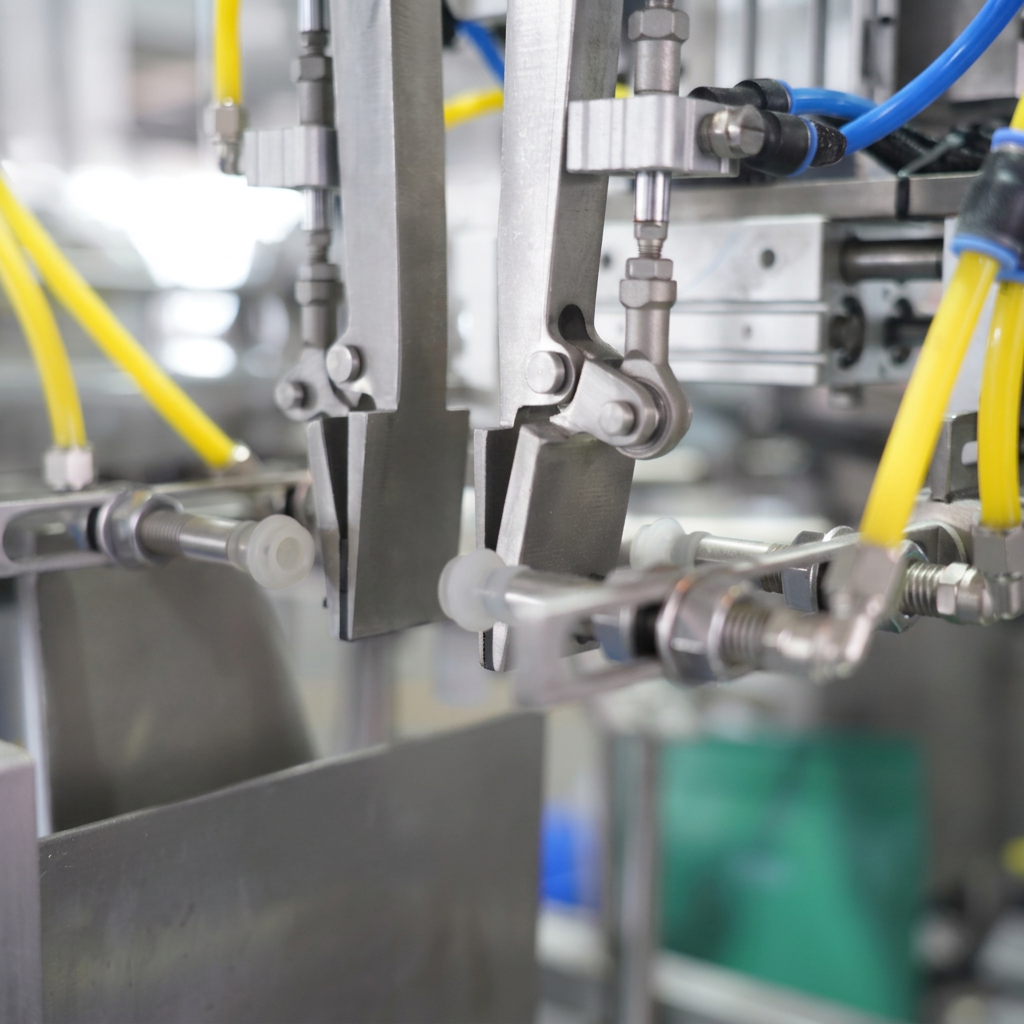
The film material used in a rotary pouch packing machine directly determines seal strength and consistency. Different polymers, coatings, and thickness specifications behave differently under heat and pressure. Films with incompatible sealing characteristics create weak points, inconsistent bond formation, and seal failure under normal handling or transport stress. A rotary pouch packing machine requires films engineered specifically for the sealing temperature, dwell time, and pressure settings of your equipment. Using generic or off-specification films compromises seal quality regardless of machine settings.
Film additives including antislip compounds, antiblock agents, and slip agents affect how well a rotary pouch packing machine achieves thermal bonding. These additives, while necessary for handling and processing characteristics, can migrate to seal areas and interfere with polymer chain fusion. A rotary pouch packing machine with tight control over film cleanliness and additive distribution produces more consistent seals than equipment running degraded or contaminated substrate. Dust, moisture, and residual lubricants on film surfaces create weak bonds that fail during storage or shipping.
A rotary pouch packing machine relies on precise heat application to fuse polymer chains at the seal edge. Temperature must be high enough to soften film to enable molecular interdiffusion, but not so high that polymer degrades, discolors, or creates brittleness. The sealing temperature window varies by film type, thickness, and coating composition. When a rotary pouch packing machine operates below optimal temperature, seals remain incomplete and weak; excessive heat causes degradation and reduced tear strength. Thermal inconsistency across the seal jaw length or between consecutive cycles undermines seal uniformity.
Seal pressure determines how firmly heated surfaces compress the film layers together during bonding. Insufficient pressure in a rotary pouch packing machine results in incomplete contact, voids within the seal, and weak polymer fusion. Excessive pressure can damage films, create creases, or cause leakage due to seal deformation. A rotary pouch packing machine must apply enough force for complete molecular contact without crushing film integrity. Pressure distribution across the seal jaw must be uniform to prevent localized weak spots.
Dwell time is the duration the seal jaws remain in contact with the film during the sealing cycle. A rotary pouch packing machine requires sufficient dwell time for heat penetration, polymer fusion, and molecular chain alignment before cooling begins. Insufficient dwell time traps molten material at the seal interface, creating weak bonds that fail later. Excessive dwell time wastes production time without improving seal quality. The optimal dwell window depends on film thickness, material type, and the specific model of rotary pouch packing machine.
The seal jaws are the contact surfaces that transfer heat and pressure to film in a rotary pouch packing machine. Worn, scratched, or corroded jaw surfaces create uneven contact, thermal hot spots, and inconsistent sealing performance. A rotary pouch packing machine with damaged jaws produces seals with visible defects, thin spots, and reduced strength. Surface degradation accumulates over time as materials, temperatures, and mechanical stress affect jaw condition. Regular inspection and preventive maintenance of seal jaws directly improve a rotary pouch packing machine's reliability.
A rotary pouch packing machine depends on temperature sensors to maintain sealing temperature within specification. Sensor drift, calibration loss, or failure causes a rotary pouch packing machine to operate outside optimal thermal windows without operator awareness. Poor seals result silently until quality inspection reveals defects. Regular sensor verification and recalibration ensure that a rotary pouch packing machine maintains temperature accuracy. Digital control systems should log temperature data to identify trends and predict maintenance needs.
A rotary pouch packing machine with advanced process monitoring can alert operators to temperature deviations before seals degrade. Preventive sensor maintenance extends equipment life and maintains seal quality consistency. Outdated rotary pouch packing machine models without sensor redundancy face higher risk of undetected thermal drift. Upgrading control systems improves the ability to maintain optimal seal quality across production runs.
A rotary pouch packing machine requires precise mechanical alignment between seal jaws, film advance mechanisms, and heating surfaces. Misalignment causes seals to shift laterally, resulting in thin spots or gaps. Drive system wear, belt tension variation, or shaft runout in a rotary pouch packing machine accumulates gradually and reduces seal quality incrementally. Operators may not notice the decline until reject rates spike. Preventive maintenance including alignment verification, bearing inspection, and drive system checks keeps a rotary pouch packing machine performing at design specifications.
Rotary pouch packing machine lubrication systems require attention to maintain smooth, consistent operation. Over-lubrication attracts dust and contaminants; under-lubrication increases friction and heat generation. A rotary pouch packing machine with degraded bearings or loose mechanical components experiences vibration that directly affects seal uniformity. Regular mechanical inspection and preventive maintenance ensure that a rotary pouch packing machine operates smoothly and maintains seal quality throughout its operational life.
A rotary pouch packing machine must balance production speed with seal quality requirements. High-speed operation compresses the dwell time available for heat penetration and polymer fusion. A rotary pouch packing machine operated at maximum speed without adequate dwell time produces weak seals that meet neither strength nor reliability standards. Process optimization requires finding the speed-quality intersection where a rotary pouch packing machine delivers acceptable seals without sacrificing throughput excessively.
Different pouch sizes, film types, and seal configurations require different optimal speeds. A rotary pouch packing machine should be tested across production scenarios to establish speed limits that maintain seal integrity. Production schedules should account for the reality that slower cycles produce stronger seals; rushing a rotary pouch packing machine beyond its thermal and mechanical capabilities introduces quality risk. Documentation of validated speed settings for each rotary pouch packing machine ensures consistency and reduces decision-making errors on the production floor.
A rotary pouch packing machine operator should perform periodic seal strength testing to verify that seals meet specification. Seal peel strength, burst resistance, and leak testing provide objective measurements of performance. A rotary pouch packing machine that consistently produces seals below target specifications indicates parameter drift or equipment degradation requiring immediate investigation. Real-time monitoring through automated testing equipment reduces reliance on manual sampling and catches drift early.
A rotary pouch packing machine integrated with inline inspection cameras and automated testing systems detects defects before pouches complete packaging cycles. Visual inspection identifies seal width, color, and surface defects; mechanical testing validates strength without destroying product. Quality data from a rotary pouch packing machine should feed back into maintenance scheduling and process adjustments. Continuous monitoring ensures that seal quality remains consistently within specification, protecting brand reputation and customer satisfaction.
Temperature calibration drift is among the most common sources of seal quality degradation in a rotary pouch packing machine. Thermal sensors lose accuracy over time, causing seals to fall outside the optimal bonding window. Operators may not notice gradual drift until reject rates increase. Regular thermal verification and sensor recalibration ensure that a rotary pouch packing machine maintains consistent seal quality throughout production runs.
A rotary pouch packing machine's seal jaws should be inspected daily during normal operation and cleaned after every production shift to remove polymer residue and contaminants. Weekly visual inspections should check for scratches, wear, or corrosion that affect seal quality. A rotary pouch packing machine experiencing reduced seal strength or visible defects warrants immediate jaw inspection and potential resurfacing or replacement. Documentation of inspection dates and maintenance actions supports quality audits and helps predict component replacement intervals.
No, a rotary pouch packing machine cannot reliably compensate for poor film quality, contamination, or out-of-specification material properties. Even optimal temperature and pressure settings cannot create strong seals on degraded substrate. A rotary pouch packing machine's performance depends fundamentally on receiving clean, consistent, properly formulated film materials. Incoming material inspection and supplier quality agreements ensure that a rotary pouch packing machine has the best possible inputs for maintaining seal integrity and production efficiency.

2026/09/20
Premade Pouch Machines: Reduce Film Waste, Cut TCO & Achieve Faster ROI

2026/09/20
Cut Premade Pouch Machine Changeover Time by 40% with Proven Best Practices

2026/09/20
Premade Pouch Machines: Boost Throughput, Cut Waste & Improve ROI

2026/09/20
Rotary vs Inline Premade Pouch Machines: Speed, ROI & Scalability Compared

2026/09/20
Premade Pouch Machine: Boost Throughput, Cut Labor Costs & Improve Seal Integrity

2026/09/21
Premade Pouch Machine: Pouch Types, Materials & Filling Guide

