 EN
How to Reduce Film Waste with a Premade Pouch Packaging Machine?
2026/09/20
Premade Pouch Machines: Reduce Film Waste, Cut TCO & Achieve Faster ROI

2026/09/22
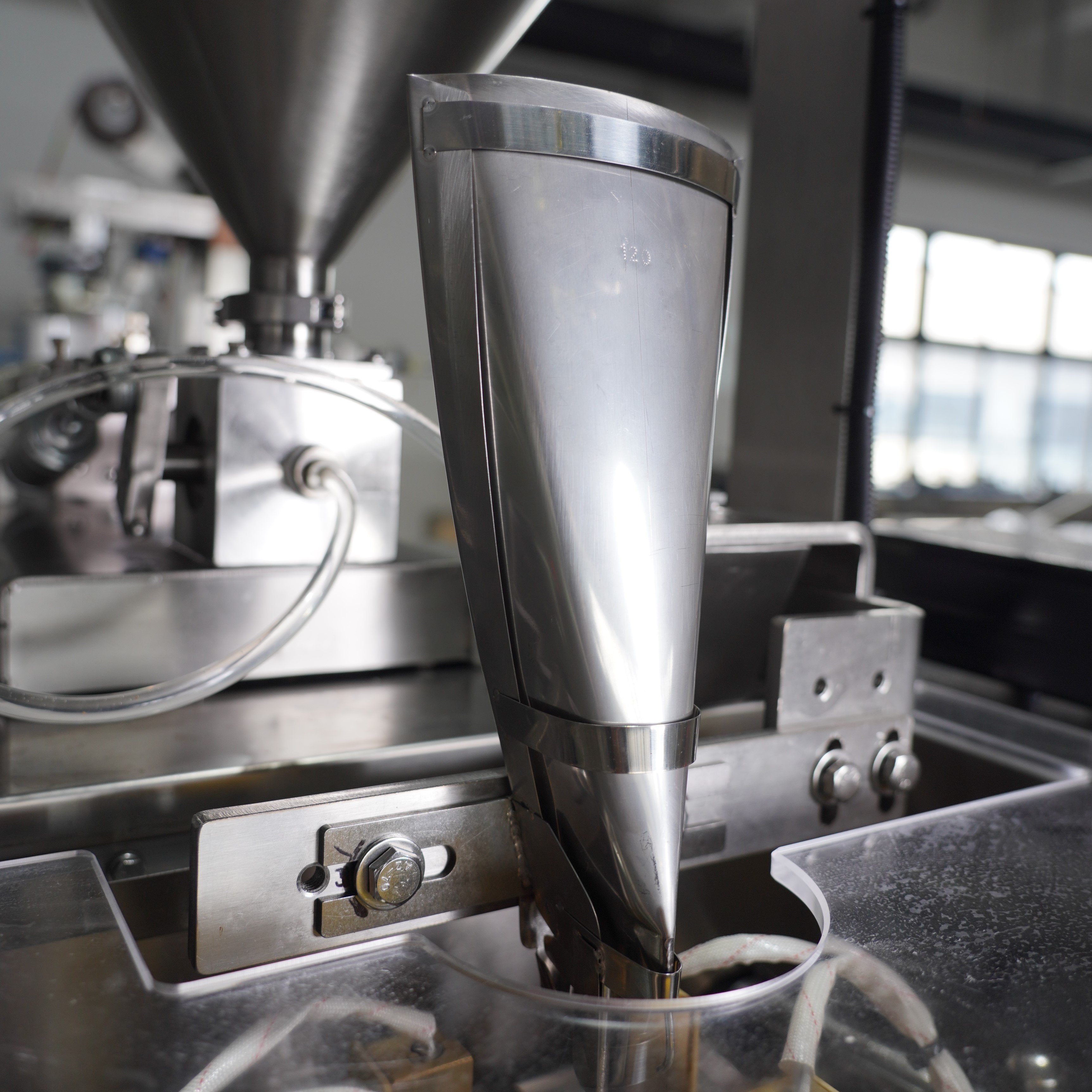
Selecting the right film type is critical for achieving optimal performance with a vertical form fill seal machine. The wrong film choice can lead to production delays, seal failures, and wasted material, while the correct selection ensures smooth operation and high-quality finished packages. Understanding how different film types interact with your vertical form fill seal machine equipment is essential for maximizing throughput and maintaining package integrity across diverse product applications.
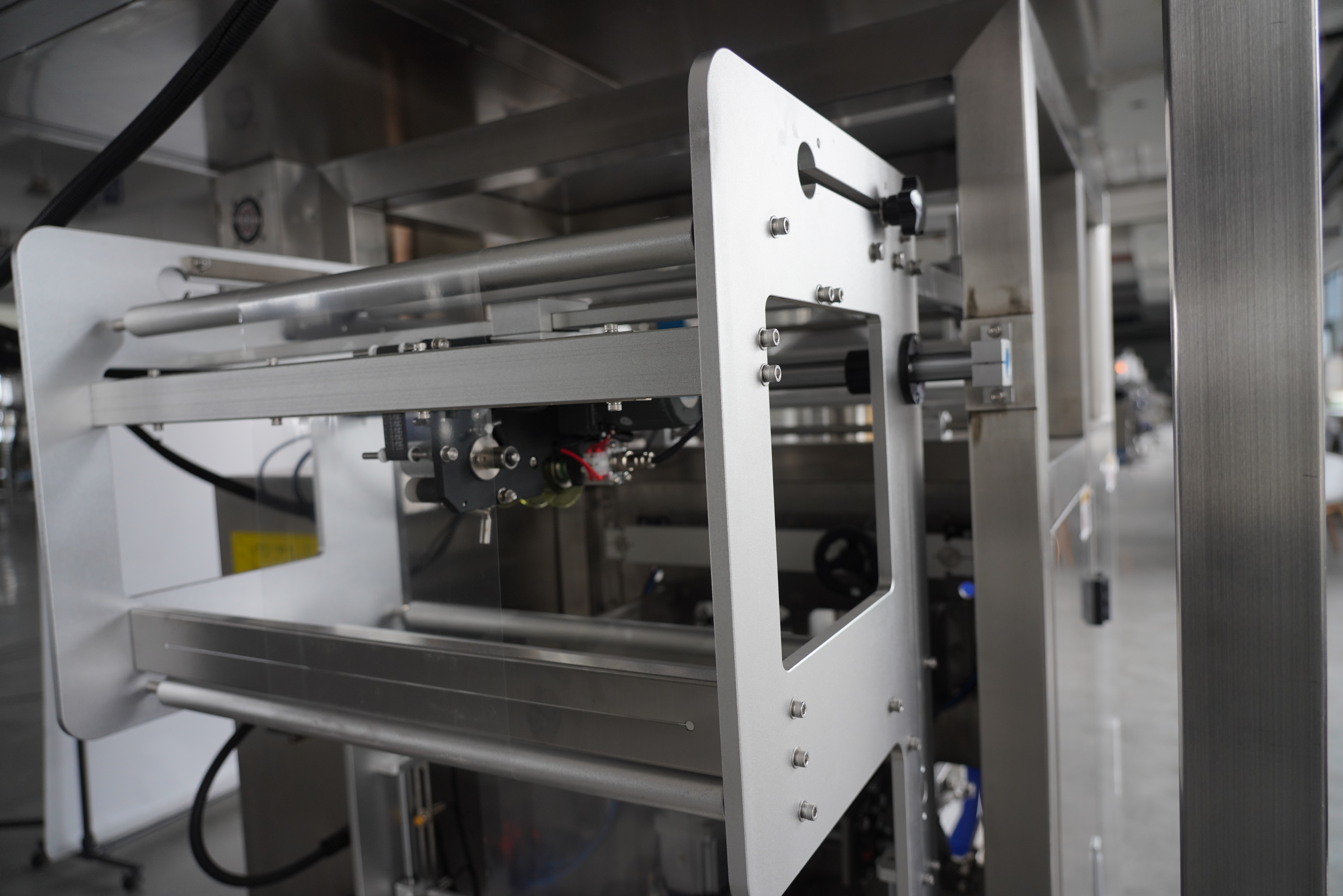
A vertical form fill seal machine transforms flat film roll stock into sealed pouches while simultaneously filling them with product. The film material you choose directly influences the machine's ability to form consistent pouches, create reliable seals, and maintain cycle speed. Each film type offers distinct properties that either support or complicate this process, making informed material selection a foundational decision for packaging success.
Every vertical form fill seal machine operates within specific thermal parameters to form and seal film. The machine applies heat and pressure to create the seal, so your film must be able to withstand and respond predictably to these conditions. Films with low melting points may fuse prematurely during product drop or during the forming process, while films with excessively high melting points may not seal completely, leaving weak points that compromise package integrity. The vertical form fill seal machine's heating elements work best with films engineered to seal at the machine's standard operating temperature, typically between 120 and 180 degrees Celsius depending on film composition and machine design.
Film gauge directly affects how a vertical form fill seal machine handles the material during forming, filling, and sealing operations. Thinner films (12 to 20 microns) move quickly through the machine and are cost-effective for lightweight, dry products, but they offer less puncture resistance and may tear during high-speed operation. Thicker films (40 to 100 microns) provide superior barrier properties and durability, making them ideal for products requiring extended shelf life or protection from moisture and oxygen. A vertical form fill seal machine configured for thin films may jam or slip when processing heavy-gauge material, while one optimized for thick films may create excessive seals or slow production cycles with lightweight films. Understanding your product weight, shelf-life requirements, and distribution environment helps determine the ideal gauge for your vertical form fill seal machine.
Polyethylene and polypropylene are the most widely used films in vertical form fill seal machine applications due to their predictable sealing behavior, cost-effectiveness, and processing stability. Low-density polyethylene films offer flexibility and ease of sealing, making them popular for food, beverage, and consumer goods packaging. High-density polyethylene and polypropylene films provide superior stiffness and barrier properties, better suited for applications where package stand-up and product protection are paramount. Both materials seal reliably on a standard vertical form fill seal machine, with minimal adjustment required between film lots. These commoditized films represent the baseline for most flexible packaging operations and integrate seamlessly with modern vertical form fill seal machine automation systems.
Barrier films incorporating aluminum foil, metallized layers, or specialized coating technologies demand more precise vertical form fill seal machine control to prevent seal degradation or edge delamination. Laminated structures such as polyester-aluminum-polyethylene (PAP) and polypropylene-aluminum-polypropylene (PAPP) offer excellent oxygen and moisture barriers but require consistent seal pressure and temperature on the vertical form fill seal machine to bond all layers effectively. Improper sealing on a vertical form fill seal machine can cause the outer ply to separate from the barrier layer, compromising the entire package's protective function. High-quality barrier films justify the investment in a vertical form fill seal machine with precise temperature control and adjustable seal dwell time, enabling manufacturers to protect premium products like pharmaceuticals, coffee, and specialized chemicals where shelf life is critical.
Cast polypropylene, oriented polypropylene, and soft-touch films introduce sealing challenges that require specific vertical form fill seal machine settings and expertise. Cast polypropylene films deliver excellent clarity and gloss but seal at lower temperatures, requiring a vertical form fill seal machine calibrated to avoid over-sealing and brittleness. Oriented polypropylene films exhibit superior moisture and oxygen barriers, though they demand tighter machine control to prevent film wrinkling during the forming stage of the vertical form fill seal machine cycle. Soft-touch films with specialized coatings enhance tactile appeal but may stick to the forming tube on a vertical form fill seal machine if temperature settings exceed recommended limits. Testing film samples on your specific vertical form fill seal machine model before full production runs ensures compatibility and prevents costly line stoppages.
Your product type, fill weight, and environmental exposure determine which film properties a vertical form fill seal machine must accommodate. Dry, lightweight products such as spices, nuts, and powders work effectively with thin, cost-efficient films on a basic vertical form fill seal machine. Wet or viscous products like sauces, oils, and creams require thicker, more durable films with enhanced seal strength on a vertical form fill seal machine to prevent leakage and ensure pouch integrity during transport. High-temperature products demand films with higher heat-resistance ratings; a vertical form fill seal machine handling hot-fill operations requires film that maintains seal integrity even after direct contact with elevated product temperatures. Conversely, refrigerated or frozen products benefit from flexible films that seal effectively at lower ambient temperatures, a feature that guides vertical form fill seal machine settings and film selection strategy.
Monolayer films offer simplicity and cost advantages for basic applications, while multilayer structures provide advanced functionality at higher material cost. A vertical form fill seal machine's seal jaws must apply uniform pressure across the entire film width to achieve consistent seal quality on monolayer films. Multilayer constructions processed on a vertical form fill seal machine demand more sophisticated pressure distribution to ensure all layers bond adequately without crushing the outermost plies. The film's slip characteristics—how easily it glides through the vertical form fill seal machine's forming tube and across the machinery—influence production speed and reject rates. Films engineered specifically for vertical form fill seal machine processing include optimized slip agents, heat-seal layers, and dimensional stability features that reduce operator adjustment and maximize uptime on your production line.
Before integrating new film materials into your vertical form fill seal machine operation, conduct adhesion tests, puncture-resistance evaluations, and seal-strength measurements using samples processed on your actual equipment. Visual inspections during the vertical form fill seal machine's first production runs reveal wrinkles, incomplete seals, or inconsistent pouch dimensions that indicate incompatibility. Environmental chamber testing on sealed pouches produced by your vertical form fill seal machine validates that the film's barrier properties and seal integrity survive your product's intended storage and distribution conditions. Establishing baseline performance metrics for each approved film on your vertical form fill seal machine enables rapid troubleshooting and provides documentation that supports regulatory compliance and quality certifications across food, pharmaceutical, and industrial categories.
No. Your vertical form fill seal machine is engineered for specific film gauges, sealing temperatures, and dimensional tolerances. Using incompatible films risks seal failures, machine jams, and production stoppages. Always verify that candidate films meet your vertical form fill seal machine manufacturer's specifications before committing to large orders. Testing samples on your actual equipment is the most reliable compatibility assessment method.
Film thickness depends on your product, shelf-life requirements, and target pouch size. Thin films (12–20 microns) suit dry, lightweight goods and reduce material costs, while thick films (40–100 microns) provide better protection and durability for demanding applications. Consult your vertical form fill seal machine documentation to identify the gauge range your machine handles optimally, then select thickness within that range that meets your product protection goals.
Barrier films, particularly laminates, require precise seal temperature and pressure control on a vertical form fill seal machine to bond all layers without delamination. They often seal at different temperatures than standard polyethylene films, so machine recalibration is necessary. Test barrier film samples thoroughly on your vertical form fill seal machine before production to ensure consistent, reliable sealing across all film layers and prevent package leakage or integrity loss.

2026/09/20
Premade Pouch Machines: Reduce Film Waste, Cut TCO & Achieve Faster ROI

2026/09/20
Cut Premade Pouch Machine Changeover Time by 40% with Proven Best Practices

2026/09/20
Premade Pouch Machines: Boost Throughput, Cut Waste & Improve ROI

2026/09/20
Rotary vs Inline Premade Pouch Machines: Speed, ROI & Scalability Compared

2026/09/20
Premade Pouch Machine: Boost Throughput, Cut Labor Costs & Improve Seal Integrity

2026/09/21
Premade Pouch Machine: Pouch Types, Materials & Filling Guide

