 EN
How to Reduce Film Waste with a Premade Pouch Packaging Machine?
2026/09/20
Premade Pouch Machines: Reduce Film Waste, Cut TCO & Achieve Faster ROI

2026/10/04
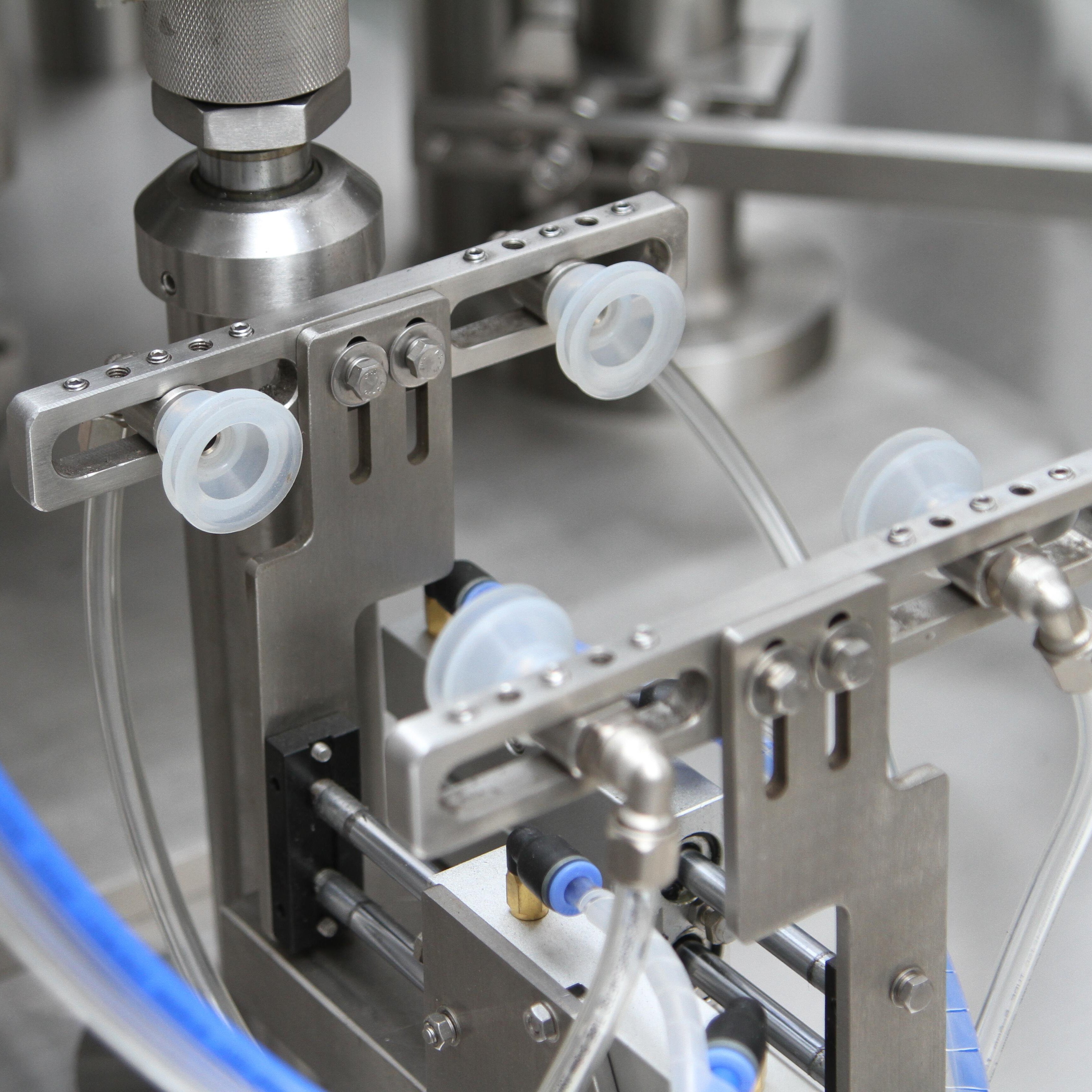
A rotary vacuum packing machine represents one of the most efficient solutions for extending product shelf life and maintaining freshness across food, pharmaceutical, and industrial sectors. Understanding which film types are compatible with a rotary vacuum packing machine is essential for optimizing performance, reducing waste, and achieving consistent seal quality. The choice of film directly influences the machine's ability to create airtight seals, withstand handling, and protect contents from contamination and oxidation.
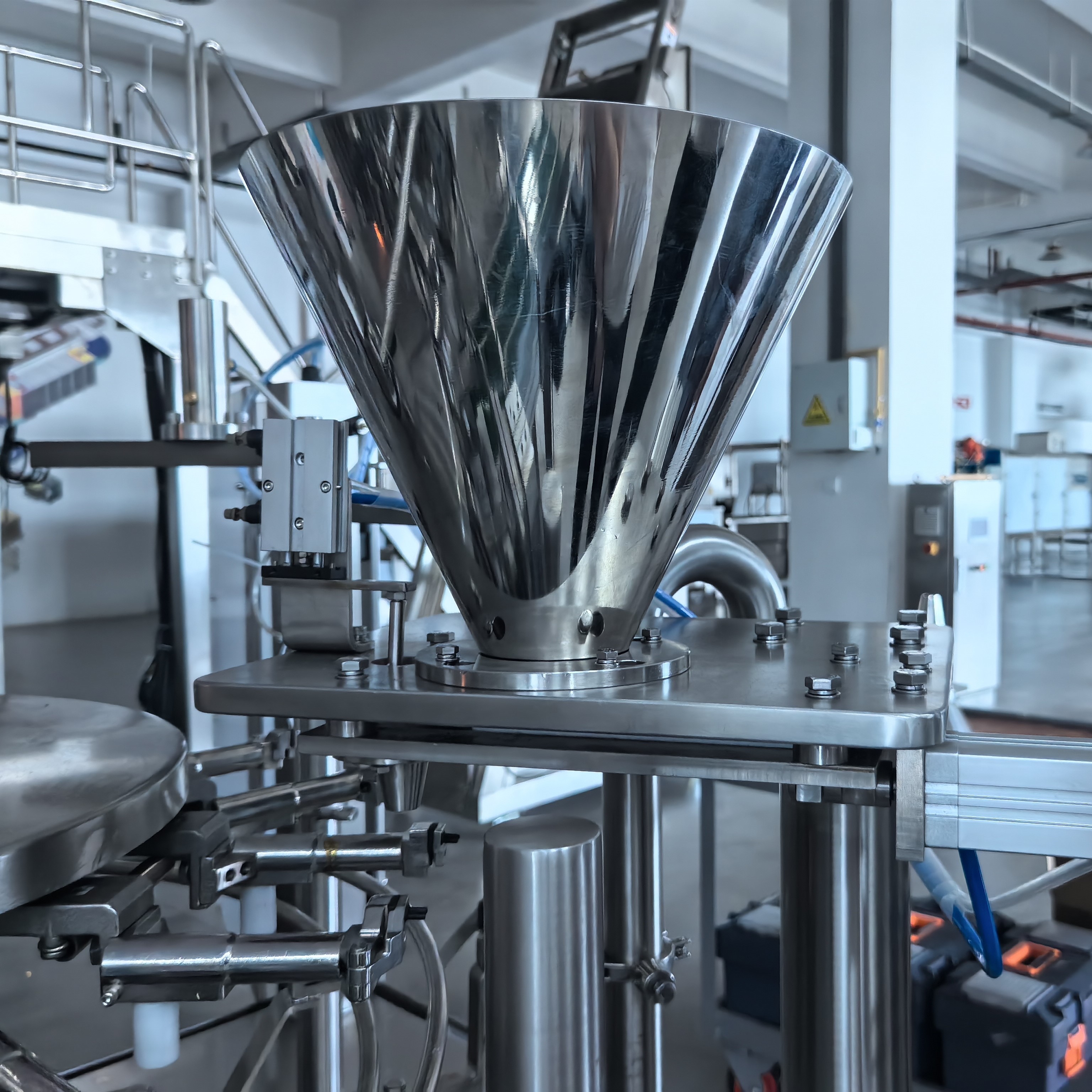
Selecting the correct film type for your rotary vacuum packing machine requires understanding material composition, barrier properties, and mechanical compatibility. Different film formulations respond differently to the heat sealing process, vacuum pressure, and environmental conditions. This guide explores the primary film types suitable for rotary vacuum packing machine operations, their advantages, limitations, and practical selection criteria for various applications.
Low-density polyethylene (LDPE) and linear low-density polyethylene (LLDPE) films are among the most common materials used in rotary vacuum packing machine applications. These materials offer excellent flexibility, puncture resistance, and compatibility with standard heat sealing equipment. When used in a rotary vacuum packing machine, LDPE and LLDPE films create consistent seals across varying pressure ranges and maintain seal integrity even after mechanical stress or thermal fluctuations.
LLDPE provides superior performance compared to standard LDPE because it maintains better tensile strength during the vacuum process. A rotary vacuum packing machine equipped with temperature-controlled sealing bars works optimally with LLDPE films in the 50–100 micron thickness range. The material's ability to withstand repeated flexing makes it ideal for applications requiring durability during transport and storage. Many processors prefer LLDPE in rotary vacuum packing machine operations because of its balance between cost efficiency and performance reliability.
Polypropylene (PP) film offers higher rigidity and superior barrier properties compared to polyethylene options, making it an excellent choice for a rotary vacuum packing machine processing rigid or sharp-edged products. PP film maintains excellent oxygen and moisture barriers, protecting sensitive contents from degradation. The rotary vacuum packing machine's sealing mechanism performs exceptionally well with PP films because polypropylene exhibits predictable melting behavior and creates strong, reliable seals even at lower sealing temperatures.
When selecting PP film for your rotary vacuum packing machine, consider that polypropylene requires precise temperature control to avoid over-welding or seal failure. Most rotary vacuum packing machine manufacturers recommend PP films between 75–150 microns for optimal results. Oriented polypropylene (OPP) variants provide additional strength and transparency, though they demand slightly higher sealing energy from the rotary vacuum packing machine compared to cast polypropylene options.
Laminated films containing aluminum foil layers deliver exceptional barrier properties, making them ideal for oxygen-sensitive or light-sensitive products processed through a rotary vacuum packing machine. The aluminum layer blocks light completely and provides superior moisture barrier compared to single-layer films. A rotary vacuum packing machine must have appropriate sealing jaw pressure and temperature settings to work effectively with laminated structures without causing layer separation or seal defects.
Metalized polyester or metalized polypropylene films offer a lighter-weight alternative to full aluminum foil laminates while maintaining strong barrier functionality in a rotary vacuum packing machine. These films typically consist of a thin aluminum coating applied to polyester or polypropylene substrates. The rotary vacuum packing machine's heat sealing creates reliable seals with metalized films because the underlying polymer layers melt uniformly, and the metal coating does not interfere with the sealing process. Many rotary vacuum packing machine operators choose metalized films when cost control matters without compromising oxygen barrier requirements.
Complex multi-layer films engineered for extreme barrier protection also work well in a rotary vacuum packing machine when proper equipment settings are maintained. These structures typically combine layers such as polyethylene, nylon, polyester, and adhesive components to achieve barrier performance against oxygen, moisture, and light simultaneously. A rotary vacuum packing machine requires careful calibration because multi-layer films have different thermal response characteristics than single-layer alternatives.
Nylon-based laminated films provide puncture resistance and mechanical strength superior to polyolefin alternatives, benefiting a rotary vacuum packing machine processing rigid or sharp contents. The rotary vacuum packing machine seals nylon laminates effectively because nylon layers melt and bond reliably under standard heat sealing parameters. High-barrier films engineered for pharmaceutical or specialty food applications work exceptionally well in a rotary vacuum packing machine when the equipment supports precise temperature and dwell-time programming.
Film thickness directly impacts the performance of a rotary vacuum packing machine and determines the final package's durability and shelf appeal. Standard vacuum packaging films range from 40 to 200 microns, with most rotary vacuum packing machine applications utilizing films between 70 and 150 microns. Thinner films below 60 microns may cause seal failures or premature puncturing during handling, while excessively thick films above 180 microns can stress the rotary vacuum packing machine's sealing mechanism and reduce production speed.
The rotary vacuum packing machine's specifications determine the optimal film thickness for your application. Standard rotary vacuum packing machine models perform best with films between 80–120 microns because this range ensures reliable sealing without excessive equipment wear. Selecting film thickness for a rotary vacuum packing machine requires balancing protection level, production efficiency, and cost per unit. Many processors standardize on 100-micron films for a rotary vacuum packing machine because this thickness offers excellent seal strength, good puncture resistance, and compatibility across different material types.
The choice between film types for your rotary vacuum packing machine depends on product characteristics, storage conditions, and shelf-life requirements. Flexible, low-viscosity products like fresh meats or seafood work well with LLDPE films in a rotary vacuum packing machine because the film conforms easily to product shape and creates consistent seals. Rigid or sharp-edged products such as pasta, nuts, or metal components require PP or nylon-laminated films in a rotary vacuum packing machine to prevent puncturing and maintain package integrity.
Oxygen-sensitive applications including coffee, snack foods, or pharmaceutical products benefit from metalized or aluminum-laminated films processed through a rotary vacuum packing machine. The superior barrier protection extends shelf life significantly compared to standard polyolefin options. Temperature-sensitive products require films with lower sealing temperatures that still work reliably in a rotary vacuum packing machine without heat damage. Understanding these distinctions ensures that your rotary vacuum packing machine operates at peak efficiency while delivering the protection your specific products need.
Regular plastic bags designed for conventional storage are not recommended for a rotary vacuum packing machine because they lack the proper film composition and sealing characteristics needed for vacuum processing. A rotary vacuum packing machine requires films engineered with specific melt flow properties and seal strength to withstand the vacuum pressure and heat sealing process. Using unsuitable films in a rotary vacuum packing machine can result in seal failures, product contamination, and equipment damage. Always source films specifically formulated for vacuum packaging applications to ensure reliable performance from your rotary vacuum packing machine.
The ideal film thickness for a rotary vacuum packing machine typically ranges between 80–120 microns for most applications. This thickness range provides optimal balance between seal strength, puncture resistance, and production efficiency in a rotary vacuum packing machine. Thinner films risk seal failures and puncturing, while thicker films can stress the rotary vacuum packing machine's sealing mechanism and reduce throughput. Always consult your specific rotary vacuum packing machine documentation for manufacturer recommendations regarding film thickness compatibility and specifications.
Laminated films work exceptionally well in a rotary vacuum packing machine for oxygen-sensitive products because they provide superior barrier protection compared to single-layer films. However, a rotary vacuum packing machine handling products not requiring extreme barrier protection may achieve satisfactory results with cost-effective single-layer films. The choice between laminated and single-layer films for your rotary vacuum packing machine depends on product requirements, shelf-life expectations, and budget considerations. A rotary vacuum packing machine can work reliably with both film types when proper temperature and pressure settings are maintained.

2026/09/20
Premade Pouch Machines: Reduce Film Waste, Cut TCO & Achieve Faster ROI

2026/09/20
Cut Premade Pouch Machine Changeover Time by 40% with Proven Best Practices

2026/09/20
Premade Pouch Machines: Boost Throughput, Cut Waste & Improve ROI

2026/09/20
Rotary vs Inline Premade Pouch Machines: Speed, ROI & Scalability Compared

2026/09/20
Premade Pouch Machine: Boost Throughput, Cut Labor Costs & Improve Seal Integrity

2026/09/21
Premade Pouch Machine: Pouch Types, Materials & Filling Guide

