 EN
How to Reduce Film Waste with a Premade Pouch Packaging Machine?
2026/09/20
Premade Pouch Machines: Reduce Film Waste, Cut TCO & Achieve Faster ROI

2026/09/25
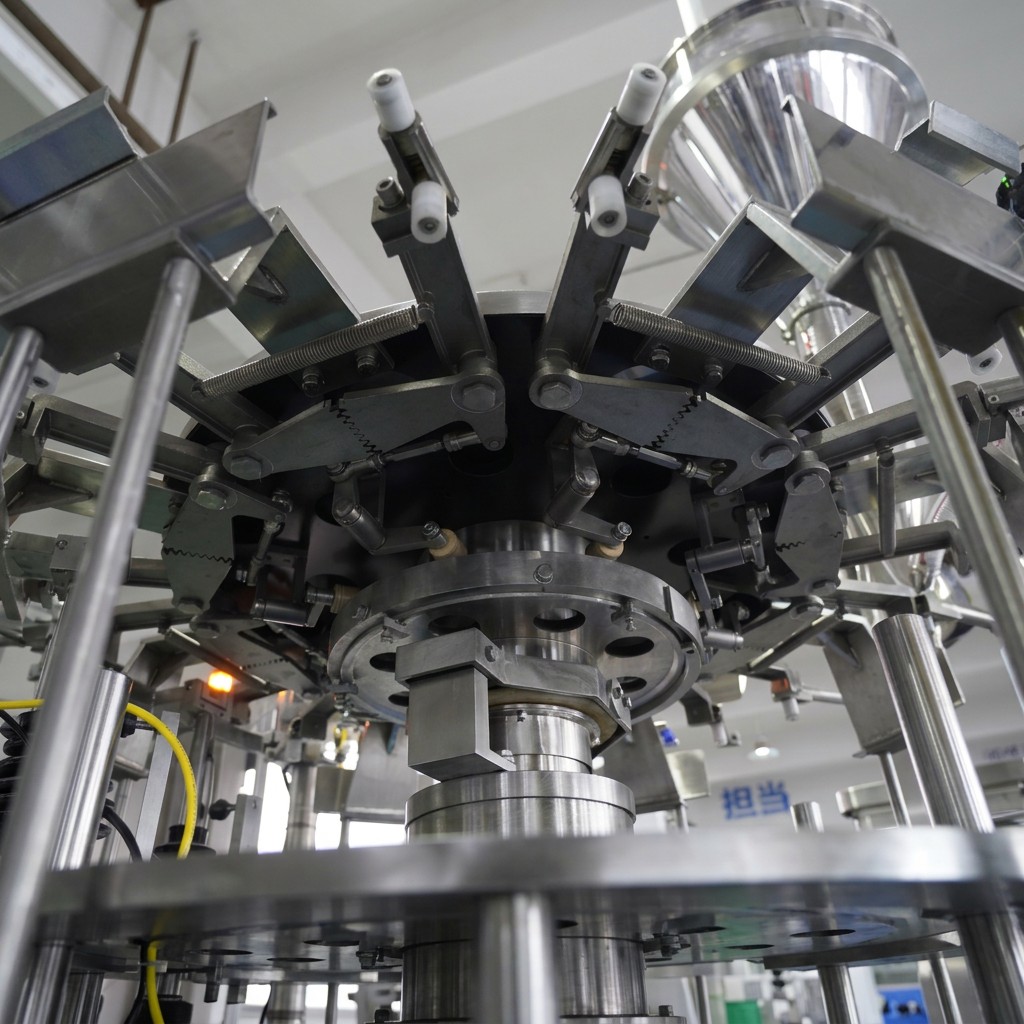
The capability to handle various pouch sizes is one of the most critical factors when selecting a rotary pouch packing machine for your packaging operation. Understanding which pouch dimensions a rotary pouch packing machine can accommodate directly impacts your production flexibility, product range expansion, and equipment investment value. Whether you operate a small craft beverage company or a large-scale food manufacturing facility, knowing the pouch size specifications of your rotary pouch packing machine ensures you maximize operational efficiency and minimize changeover downtime.
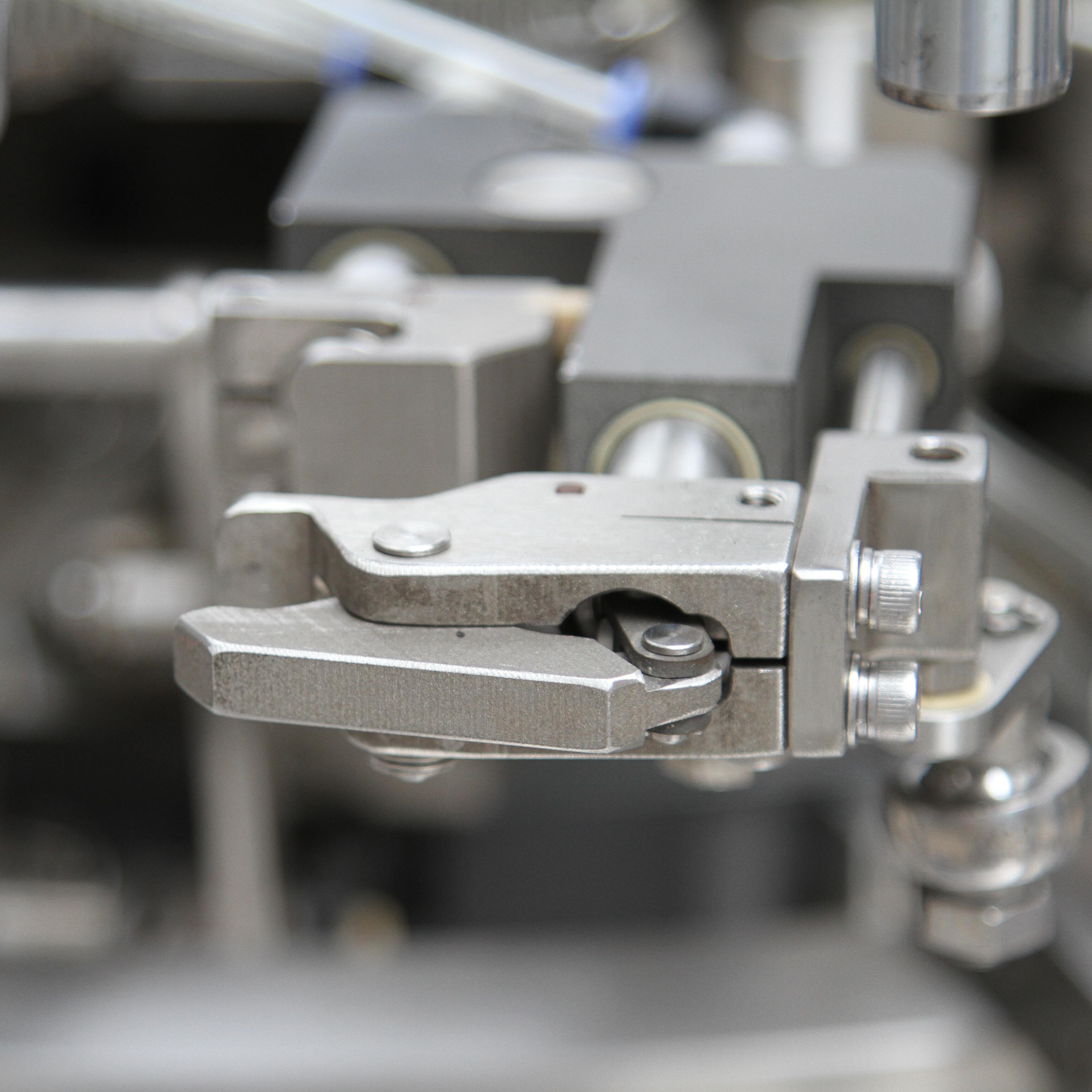
A rotary pouch packing machine represents a significant capital investment in packaging automation, and its pouch size versatility directly determines return on investment. The physical dimensions your rotary pouch packing machine can process depend on multiple mechanical and operational factors, including servo-driven positioning systems, film feeding mechanisms, and sealing jaws. Modern rotary pouch packing machine models are engineered to offer broader size ranges than their predecessors, allowing businesses to package multiple products on a single production line without purchasing additional equipment.
Every rotary pouch packing machine comes with defined minimum and maximum pouch width and length specifications. The minimum pouch size your rotary pouch packing machine can run typically starts around 40 millimeters in width and 50 millimeters in length, making it suitable for small sachets, spice packets, and condiment portions. The maximum pouch size capacity depends on the machine's frame design and servo control system; most commercial rotary pouch packing machine units handle pouches up to 250 to 320 millimeters in width and 400 to 500 millimeters in length, accommodating everything from snack bags to coffee packages.
The rotary pouch packing machine's mechanical design establishes hard limits on pouch dimensions. Servo motors control the positioning of forming tubes, filling nozzles, and sealing dies on your rotary pouch packing machine, but these components must physically fit within the machine frame. When you change pouch sizes on a rotary pouch packing machine, you typically adjust the forming tube diameter, modify the sealing jaw width, and reprogram servo parameters. Some rotary pouch packing machine models feature quick-change components that reduce conversion time from one pouch size to another, enabling faster product transitions and improved changeover efficiency.
Beyond physical pouch dimensions, the rotary pouch packing machine must accommodate various film thicknesses and material compositions. A rotary pouch packing machine typically handles films ranging from 40 to 150 microns in thickness, with most applications falling between 60 and 100 microns. Thinner films require gentler handling and more precise tension control on your rotary pouch packing machine, while thicker films demand greater sealing pressure and heat application. The sealing jaw pressure settings on your rotary pouch packing machine must be calibrated to the specific film gauge to ensure proper hermetic seals without tearing or weak spots.
Different pouch materials interact differently with your rotary pouch packing machine's heating and sealing systems. Polyethylene, polypropylene, polyester, and aluminum-laminated films each require specific temperature profiles and dwell times on a rotary pouch packing machine. The rotary pouch packing machine's control system must accommodate these variations while maintaining consistent seal quality across all pouch sizes and materials. Multi-layer barrier films used in premium packaging applications demand precise temperature management from your rotary pouch packing machine to prevent delamination and seal failure.
The rotary pouch packing machine's production speed varies depending on which pouch size you're running. Smaller pouches on your rotary pouch packing machine typically achieve higher cycle rates because the forming, filling, and sealing stations require less motion and positioning time. A rotary pouch packing machine might achieve 60 to 100 pouches per minute with small sachets but drop to 30 to 50 pouches per minute with larger stand-up pouches. Understanding the speed performance of your rotary pouch packing machine across your intended pouch size range helps you forecast production capacity and plan recipe changeovers effectively.
Switching between different pouch sizes on a rotary pouch packing machine requires careful planning and mechanical adjustments. A complete changeover on a rotary pouch packing machine might include replacing the forming tube, adjusting servo parameters, changing sealing dies, and recalibrating film tension. Advanced rotary pouch packing machine models with modular components can complete this process in 15 to 30 minutes, while traditional machines may require 45 minutes to an hour. If your business regularly packages multiple product sizes, a rotary pouch packing machine with quick-change features becomes essential for maintaining daily throughput targets.
Most commercial rotary pouch packing machine models can handle pouches as small as 40 millimeters wide by 50 millimeters long, which covers small sachets and condiment packets. However, the practical minimum depends on your specific rotary pouch packing machine model and your product's flowability. If you package powder or granulated products, the rotary pouch packing machine's minimum pouch size must be large enough for the filling nozzle to dispense product accurately without clogs or bridging issues.
Modern rotary pouch packing machine designs often accommodate a broader range of pouch sizes through modular components and servo-driven positioning. A contemporary rotary pouch packing machine can typically run pouches between 40 and 250 millimeters in width without replacing core mechanical parts, though you will need to change forming tubes, sealing dies, and reprogram servo positions. Investing in a rotary pouch packing machine with this flexibility allows your business to expand product lines and respond to market changes without purchasing additional production equipment.
Review your rotary pouch packing machine's technical manual to identify the minimum and maximum pouch width and length ratings. For your specific product, consider the fill weight, product density, flowability, and desired shelf appeal when selecting pouch dimensions. A rotary pouch packing machine's filling accuracy improves when the pouch size provides adequate space for product distribution and settling, so avoid selecting the absolute minimum pouch size unless your rotary pouch packing machine model includes precision servo-driven filling technology.

2026/09/20
Premade Pouch Machines: Reduce Film Waste, Cut TCO & Achieve Faster ROI

2026/09/20
Cut Premade Pouch Machine Changeover Time by 40% with Proven Best Practices

2026/09/20
Premade Pouch Machines: Boost Throughput, Cut Waste & Improve ROI

2026/09/20
Rotary vs Inline Premade Pouch Machines: Speed, ROI & Scalability Compared

2026/09/20
Premade Pouch Machine: Boost Throughput, Cut Labor Costs & Improve Seal Integrity

2026/09/21
Premade Pouch Machine: Pouch Types, Materials & Filling Guide

