EN
How to Reduce Film Waste with a Premade Pouch Packaging Machine?
2026/09/20
Premade Pouch Machines: Reduce Film Waste, Cut TCO & Achieve Faster ROI

2026/09/28
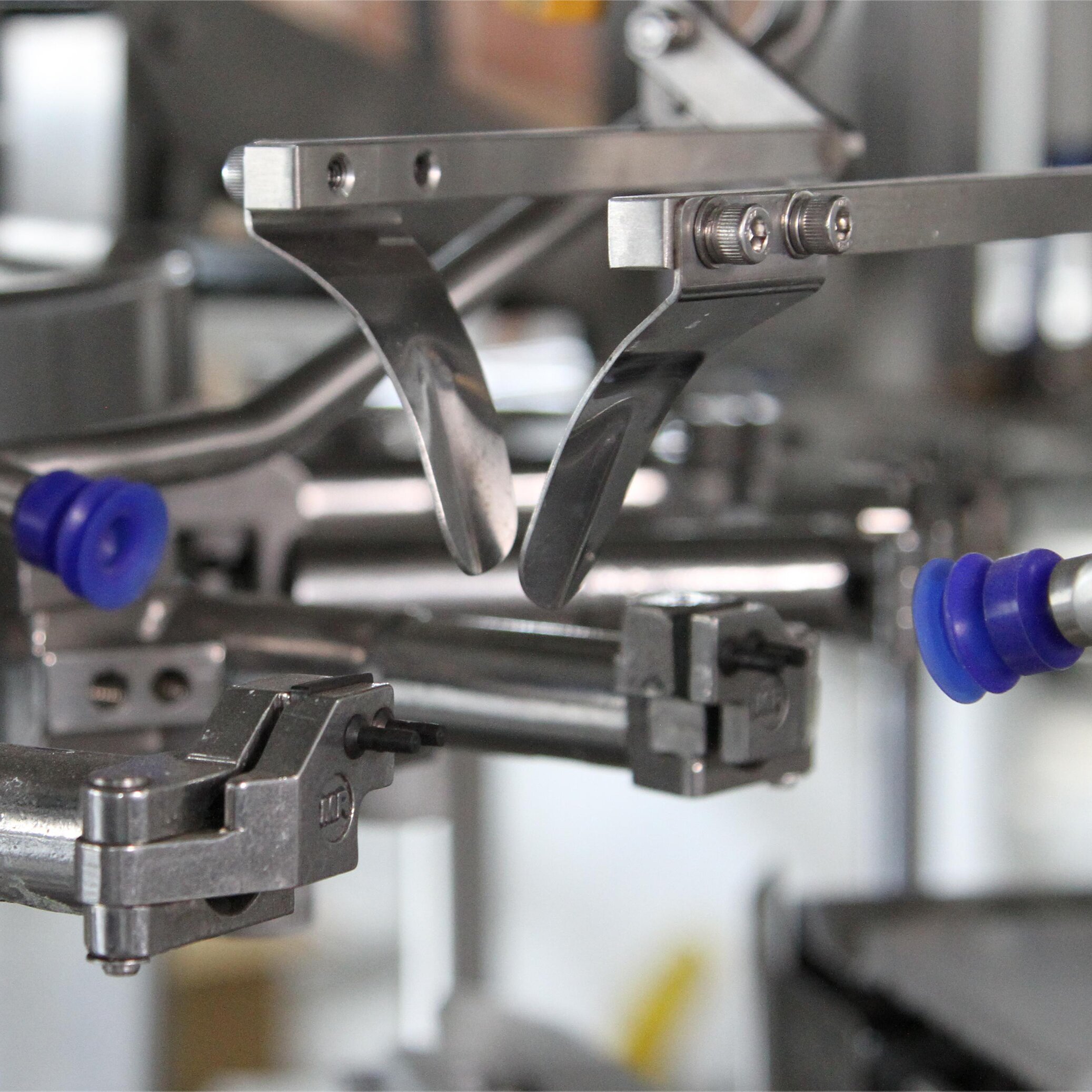
Selecting the right products for a rotary vacuum packaging machine is essential to maximize equipment performance and ensure consistent sealing quality across your operation. A rotary vacuum packaging machine delivers high-speed production capabilities, but its effectiveness depends entirely on matching compatible materials and product types to your specific machinery configuration. Understanding which products work best with a rotary vacuum packaging machine helps you avoid costly downtime, reduce material waste, and achieve superior shelf life for your packaged goods.
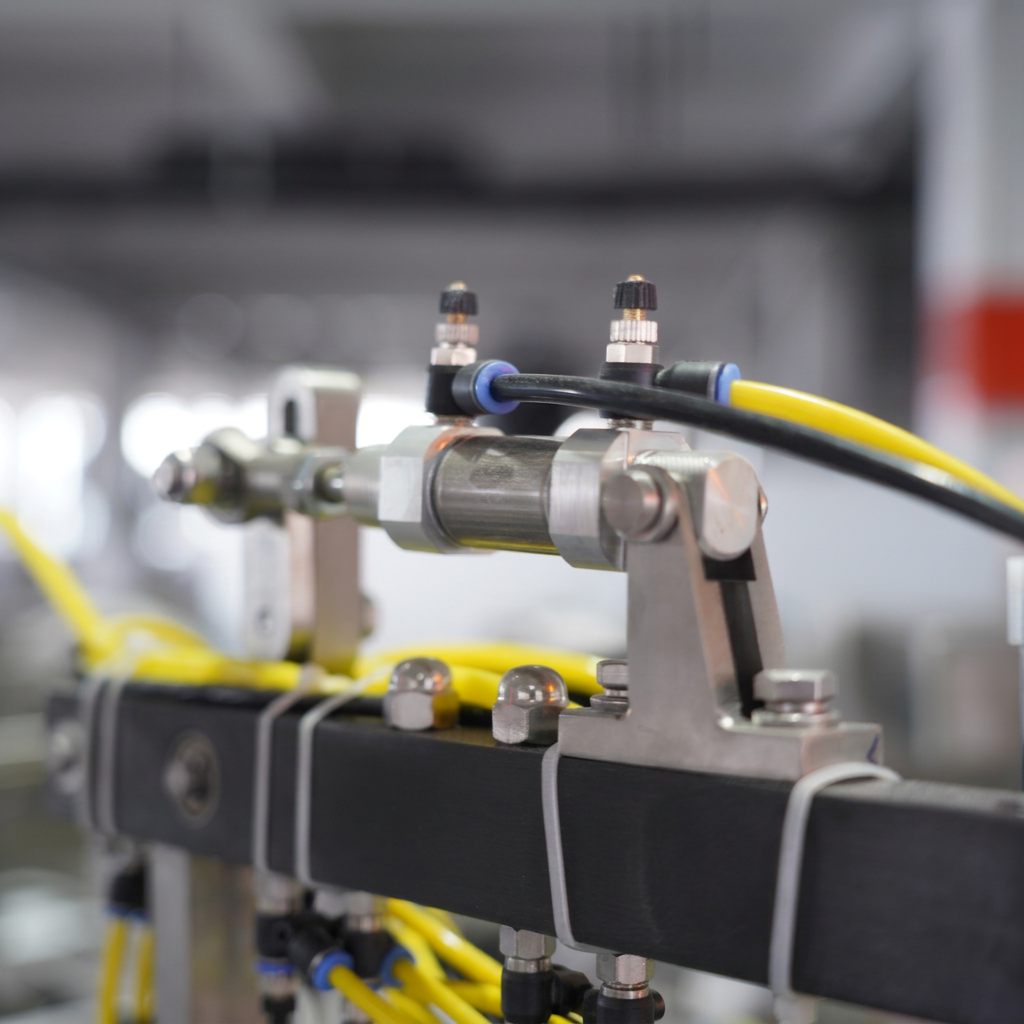
A rotary vacuum packaging machine operates by automatically indexing multiple stations around a rotating turntable, creating a continuous production workflow ideal for mid to high-volume operations. Every product type requires specific bag dimensions, film material thickness, and vacuum intensity settings to achieve proper seal integrity. This article explores the product categories best suited for rotary vacuum packaging machines and provides practical guidance for optimizing your packaging workflow.
Dry goods represent the most straightforward category for a rotary vacuum packaging machine. Nuts, grains, dried fruits, coffee beans, snacks, spices, and cereals all vacuum seal effectively within standard film materials. These products generate minimal moisture during processing, which reduces the risk of seal contamination or film degradation. A rotary vacuum packaging machine handles dry goods at rapid cycles without special valve requirements, making this category ideal for high-throughput operations seeking maximum efficiency and minimal machine downtime.
The lightweight nature of dry products also minimizes wear on the vacuum chamber seals and motor components over extended production runs. When using a rotary vacuum packaging machine for dry goods, standard polyethylene or aluminum laminate bags work well, and you can operate at standard vacuum levels between 80 and 90 percent of atmospheric pressure. This straightforward compatibility makes dry goods packaging one of the most cost-effective applications for any rotary vacuum packaging machine installation.
Powdered products such as protein powder, flour, spices, supplements, and fertilizers require specialized handling within a rotary vacuum packaging machine. Fine powder particles can migrate into the vacuum chamber if air extraction occurs too rapidly, potentially damaging pump components or reducing seal quality. Most manufacturers recommend using valve-equipped bags or paper-lined films when operating a rotary vacuum packaging machine with powder materials. The valve design allows air escape while blocking particle migration, protecting both your equipment and final package integrity.
When processing granulated materials like sugar, salt, or pharmaceutical granules on a rotary vacuum packaging machine, graduated vacuum reduction prevents product settling that compromises package aesthetics. Programming your rotary vacuum packaging machine to ramp vacuum pressure gradually over 2 to 3 seconds allows the material to stabilize before final seal application. This technique maintains product appearance while preserving the hermetic seal that extends shelf life and protects contents from environmental contamination.
Meat marinades, seafood products, and sauce-based foods present significant challenges for a rotary vacuum packaging machine without proper preparation. Liquid tends to follow air out of the package during evacuation, potentially entering the vacuum chamber and contaminating seals. Industry best practice requires either pre-freezing liquids slightly or using chamber-based vacuum systems alongside your rotary vacuum packaging machine for marine applications. Many operators install external liquid traps or separator cartridges within their rotary vacuum packaging machine vacuum line to capture moisture before it reaches the motor.
Fresh vegetables, berries, and semi-moist bakery items require gentler vacuum conditions within a rotary vacuum packaging machine to prevent product damage. Soft fruits and leafy greens collapse under standard vacuum intensity, resulting in unappealing crushed products that diminish market appeal and perceived quality. Setting your rotary vacuum packaging machine to operate at 50 to 60 percent vacuum pressure instead of maximum intensity preserves product texture and appearance while still providing meaningful shelf-life extension. Calibrating your rotary vacuum packaging machine correctly for delicate products prevents customer returns and maintains brand reputation.
Cheese, sliced deli meats, and prepared proteins represent premium product categories where packaging quality directly impacts customer satisfaction. A rotary vacuum packaging machine excels at handling these products when configured with properly sized bags and appropriate vacuum settings. Individual cheese wheels, salami sticks, or presliced deli meats maintain structural integrity when your rotary vacuum packaging machine operates at 70 to 80 percent vacuum pressure, creating secure seals without material distortion. Premium films with oxygen barriers ensure these high-value products remain fresh throughout extended shelf life expectations.
Beyond food products, a rotary vacuum packaging machine efficiently packages electronics, machinery components, pharmaceuticals, textiles, and moisture-sensitive materials. Industrial applications often require longer shelf-life expectations and contamination prevention more rigorous than food packaging standards. A rotary vacuum packaging machine configured for industrial use maintains the same rotary indexing efficiency while accommodating rigid containers, custom bag dimensions, and specialized film materials designed for electronics or pharmaceutical applications.
Your rotary vacuum packaging machine choice should align with the volume, size, and type of products you plan to package. Compact models process standard bag sizes ranging from 5 to 14 inches width, while industrial rotary vacuum packaging machine installations accommodate bags up to 24 inches or custom dimensions. Understanding your product portfolio before investing in a rotary vacuum packaging machine ensures you select equipment that maintains optimal cycle times without forcing incompatible products through inadequate configurations.
Production volume also influences rotary vacuum packaging machine specifications significantly. High-speed operations benefit from turntable models with 12 to 16 stations, allowing a rotary vacuum packaging machine to complete 20 to 60 packages per minute depending on product type and seal complexity. Lower-volume producers find smaller rotary vacuum packaging machine configurations adequate while maintaining lower capital investment and operational expenses.
The correct film material fundamentally affects rotary vacuum packaging machine performance and final product quality. Standard polyethylene films work well for most dry goods when your rotary vacuum packaging machine operates at conventional settings. Barrier films containing aluminum or metalized polyester improve shelf life for products sensitive to oxygen exposure, making them ideal for a rotary vacuum packaging machine processing premium foods or sensitive materials.
Dry goods including nuts, grains, coffee, and snacks represent ideal applications for a rotary vacuum packaging machine due to minimal moisture and straightforward sealing requirements. Marinated meats, cheese, deli products, and powdered materials also work well when a rotary vacuum packaging machine is configured with appropriate vacuum settings and specialized films. Industrial products including electronics and pharmaceuticals package efficiently within a rotary vacuum packaging machine using inert gas options and moisture-barrier materials.
Delicate products like fresh produce require lower vacuum pressure within a rotary vacuum packaging machine, typically 50 to 60 percent intensity, preventing structural damage and crushing. Standard products tolerate 80 to 90 percent vacuum pressure within a rotary vacuum packaging machine, maximizing shelf-life extension and sealing reliability. A rotary vacuum packaging machine with programmable multi-stage vacuum cycles allows customized pressure profiles matching specific product characteristics, ensuring optimal results across diverse product portfolios.
A rotary vacuum packaging machine can process marinated and sauce-based foods when equipped with external liquid traps and specialized high-barrier films designed for moisture containment. Pre-freezing liquids slightly before processing through a rotary vacuum packaging machine reduces liquid migration into the vacuum chamber. Advanced rotary vacuum packaging machine models include adjustable dwell time controls that allow excess liquid to settle before seal application, preventing contamination and seal failure.
2026/09/20
Premade Pouch Machines: Reduce Film Waste, Cut TCO & Achieve Faster ROI
2026/09/20
Cut Premade Pouch Machine Changeover Time by 40% with Proven Best Practices
2026/09/20
Premade Pouch Machines: Boost Throughput, Cut Waste & Improve ROI
2026/09/20
Rotary vs Inline Premade Pouch Machines: Speed, ROI & Scalability Compared
2026/09/20
Premade Pouch Machine: Boost Throughput, Cut Labor Costs & Improve Seal Integrity
2026/09/21
Premade Pouch Machine: Pouch Types, Materials & Filling Guide