 EN
How to Reduce Film Waste with a Premade Pouch Packaging Machine?
2026/09/20
Premade Pouch Machines: Reduce Film Waste, Cut TCO & Achieve Faster ROI

2026/09/28
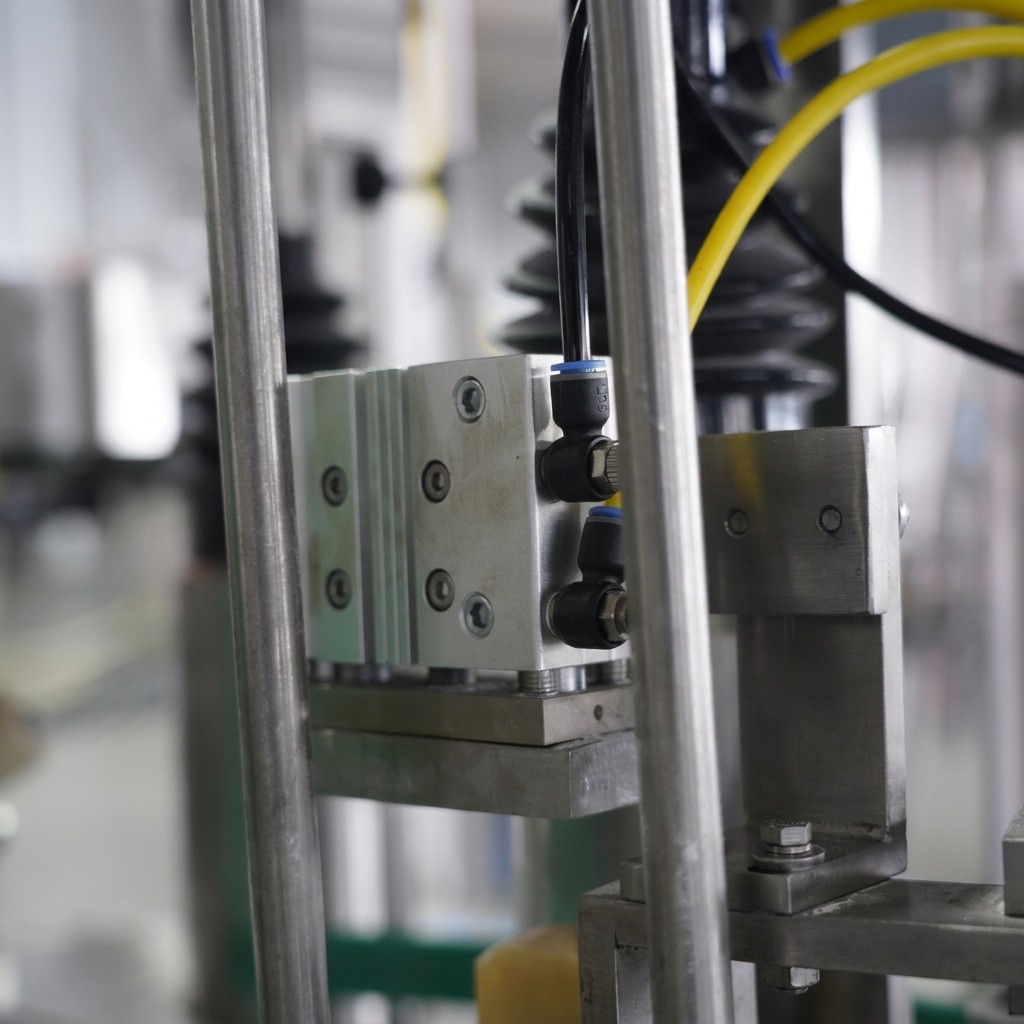
Safety in manufacturing operations is not negotiable, especially when working with automated equipment. A rotary pouch packing machine operates at high speeds, handling materials and mechanical components that pose significant risks to operators and production environments. Understanding the critical safety features that must be integrated into these machines is essential for facility managers, production supervisors, and procurement specialists. The right combination of safety systems protects personnel, ensures regulatory compliance, and maintains consistent production quality while minimizing workplace incidents.
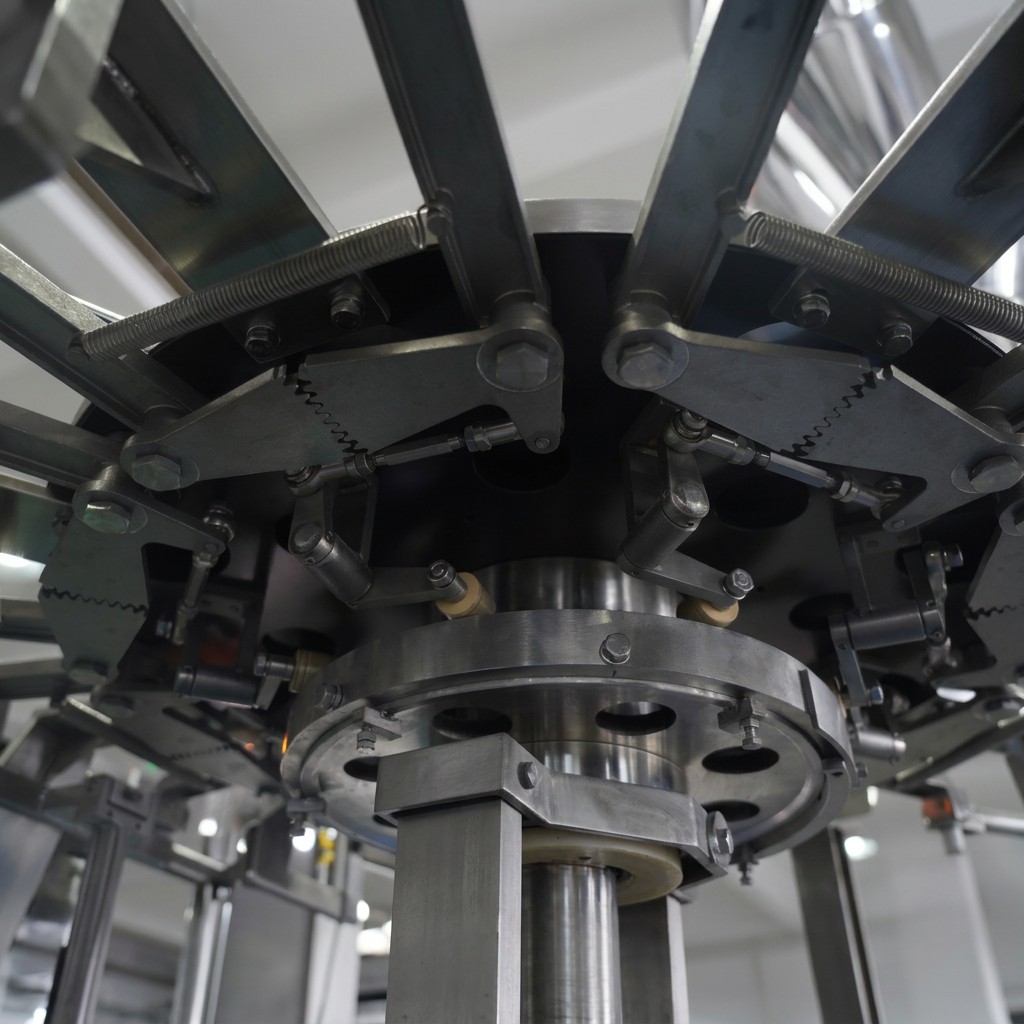
Investing in a rotary pouch packing machine with comprehensive safety features reduces operational downtime, protects your workforce, and demonstrates commitment to industrial best practices. Modern rotary pouch packing machines integrate multiple layers of protection, from mechanical guards to electronic monitoring systems. These safety mechanisms work together to create a secure operating environment where machinery functions reliably while personnel remain protected from rotating parts, seal-related hazards, and material handling risks.
The core mechanism of a rotary pouch packing machine involves spinning discs, rollers, and turrets that move at hundreds of revolutions per minute. Adequate mechanical guarding around these rotating elements is fundamental to preventing hand, hair, and clothing entanglement. A well-designed rotary pouch packing machine features fully enclosed guards that eliminate direct access to any spinning component while still allowing operator interaction with material feeding systems. Guards must be constructed from materials that withstand impact, resist corrosion from moisture and packaging materials, and maintain durability through continuous operation cycles.
The sealing mechanism in a rotary pouch packing machine generates significant heat that can cause severe burns. Thermal barriers and protective shields around heat-sealing sections are critical safety features. A rotary pouch packing machine must include insulated guards around seal jaws, heating elements, and conveyors that transport heated pouches. These barriers should be positioned to prevent accidental contact while still allowing necessary adjustments and maintenance access through clearly marked, safety-interlocked panels.
Every rotary pouch packing machine must have multiple emergency stop buttons positioned at strategic locations around the equipment. Emergency stops should bring the entire machine to a controlled halt within seconds, halting all rotating mechanisms simultaneously. A rotary pouch packing machine with redundant emergency stop systems ensures that operators can activate safety functions from any position. These buttons should be large, highly visible with red coloring, and require no special training to operate, allowing any personnel near the equipment to initiate an emergency stop when necessary.
Access gates, doors, and panels on a rotary pouch packing machine should incorporate safety interlocks that automatically disable the machine when opened. These interlocks prevent machinery from operating while maintenance personnel or operators are accessing internal components. A quality rotary pouch packing machine uses monitored interlocks that verify the access point is secure before allowing restart, preventing accidental operation during maintenance or troubleshooting. This feature is particularly important during changeover operations when operators frequently interact with internal components of the machine.
A modern rotary pouch packing machine incorporates sensors that continuously monitor sealing pressure, heat levels, and material flow rates. These monitoring systems alert operators to abnormal conditions before they create safety hazards. Excessive pressure can indicate mechanical binding that could lead to equipment failure, while temperature deviations can signal seal degradation or electrical problems. A rotary pouch packing machine with integrated displays shows real-time performance data, enabling operators to address issues before they escalate into serious incidents affecting equipment integrity or worker safety.
Safety-critical rotary pouch packing machine designs include automatic shutdown protocols triggered by specific fault conditions. If a rotary pouch packing machine detects jammed material, excessive vibration, temperature runaway, or pressure spikes, the system automatically halts operations to prevent catastrophic failure. These shutdowns protect both personnel and equipment from damage. Automatic shutdown systems in a rotary pouch packing machine reduce response time compared to manual intervention, ensuring incidents are contained before they escalate or affect nearby workstations.
A rotary pouch packing machine must come with detailed safety documentation including hazard identification, emergency procedures, and maintenance protocols. Clear labeling of hazard zones on the machine itself, combined with operator manuals translated into relevant languages, ensures every team member understands the risks. Visual warning labels on a rotary pouch packing machine should identify specific hazard locations such as rotating parts, hot sealing zones, and pinch points. Documentation should explicitly describe how safety features function and what personnel should do if safety systems fail or activate unexpectedly.
Operating a rotary pouch packing machine safely requires structured training covering machine mechanics, safety system functions, and emergency response procedures. Organizations should develop certification programs where operators demonstrate competency in recognizing hazards, using emergency stops, and responding to fault conditions. Periodic retraining on a rotary pouch packing machine ensures that muscle memory and knowledge remain current, particularly when new operators join the team. Safety culture around a rotary pouch packing machine strengthens when organizations invest in comprehensive training and acknowledge certified operators as specialists.
The rotating turret, seal jaws, and material feed areas represent the highest-risk zones on a rotary pouch packing machine. These locations involve fast-moving parts, extreme temperatures, and material flow that can entangle or injure personnel. A rotary pouch packing machine must have reinforced guards around the turret where pouches rotate through sealing positions, thermal protection around heat-sealing components, and clear separation between operator controls and mechanical hazards. Regular hazard assessments help identify emerging risks specific to your operation.
Safety features on a rotary pouch packing machine should be inspected at least monthly, with more frequent checks during heavy production periods. Emergency stops, interlocks, and sensors require functional testing to verify they activate correctly. A rotary pouch packing machine's mechanical guards should be examined for damage, corrosion, or loosening that could compromise protection. Documentation of all safety inspections creates a compliance record and helps identify patterns of recurring issues that may indicate design or maintenance concerns.
Many safety enhancements can be retrofitted to an existing rotary pouch packing machine, including additional emergency stops, improved guards, and sensor monitoring systems. However, retrofitting has limitations compared to machines designed with safety systems integrated from the start. Newer rotary pouch packing machine models often include advanced features that cannot be easily added to older equipment. Consulting with your equipment manufacturer about available safety upgrades ensures compatibility and maintains machine warranty and certification standards.

2026/09/20
Premade Pouch Machines: Reduce Film Waste, Cut TCO & Achieve Faster ROI

2026/09/20
Cut Premade Pouch Machine Changeover Time by 40% with Proven Best Practices

2026/09/20
Premade Pouch Machines: Boost Throughput, Cut Waste & Improve ROI

2026/09/20
Rotary vs Inline Premade Pouch Machines: Speed, ROI & Scalability Compared

2026/09/20
Premade Pouch Machine: Boost Throughput, Cut Labor Costs & Improve Seal Integrity

2026/09/21
Premade Pouch Machine: Pouch Types, Materials & Filling Guide

