 EN
How to Reduce Film Waste with a Premade Pouch Packaging Machine?
2026/09/20
Premade Pouch Machines: Reduce Film Waste, Cut TCO & Achieve Faster ROI

2026/09/22
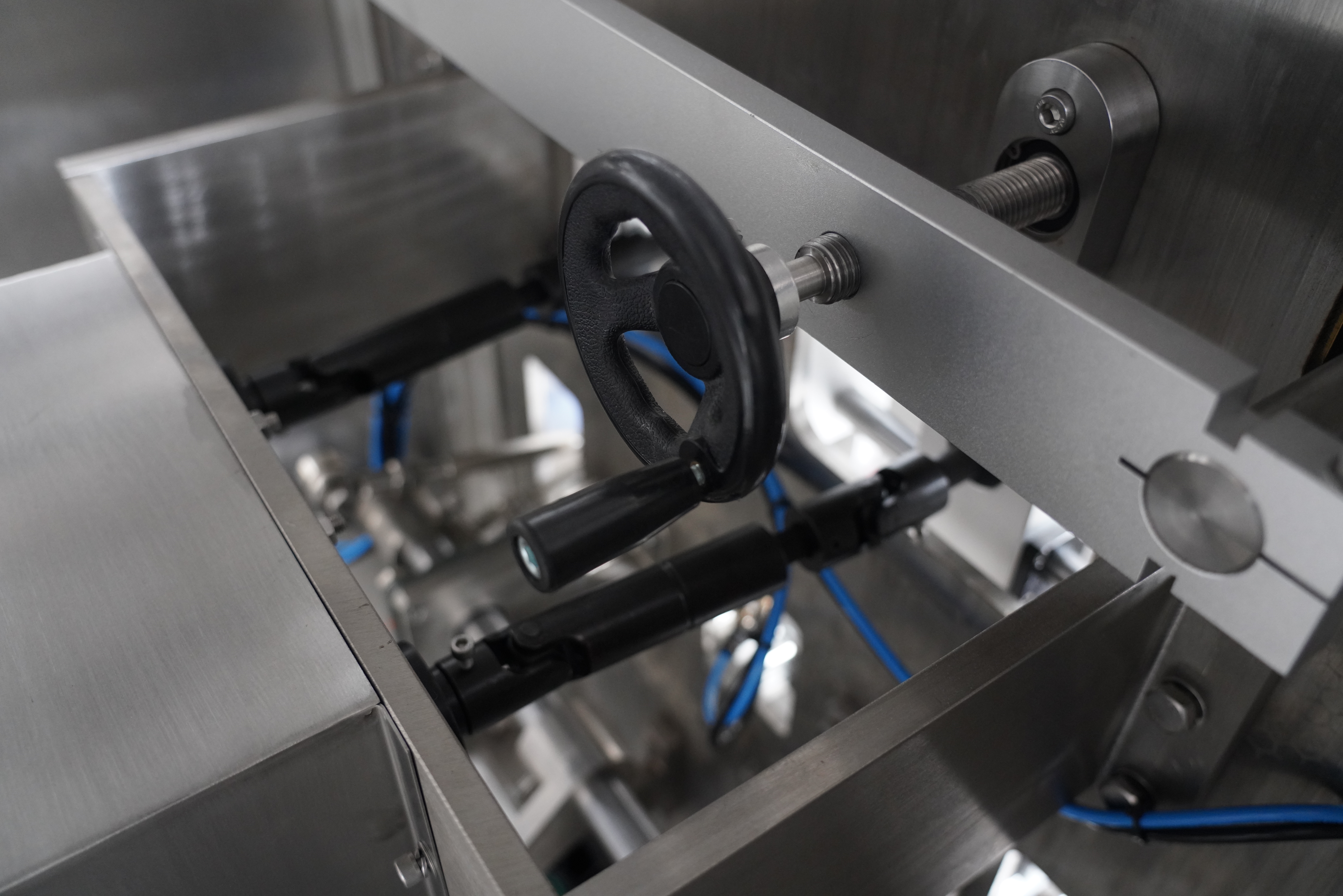
A vertical form fill seal machine represents a critical investment in modern packaging operations, but its value depends entirely on the robustness of its safety systems. Operators face genuine risks when working with high-speed packaging equipment, from pinch points to thermal hazards to unexpected mechanical movement. Understanding which safety features a vertical form fill seal machine must include is essential for facility managers, operations leaders, and procurement teams responsible for worker protection and regulatory compliance.
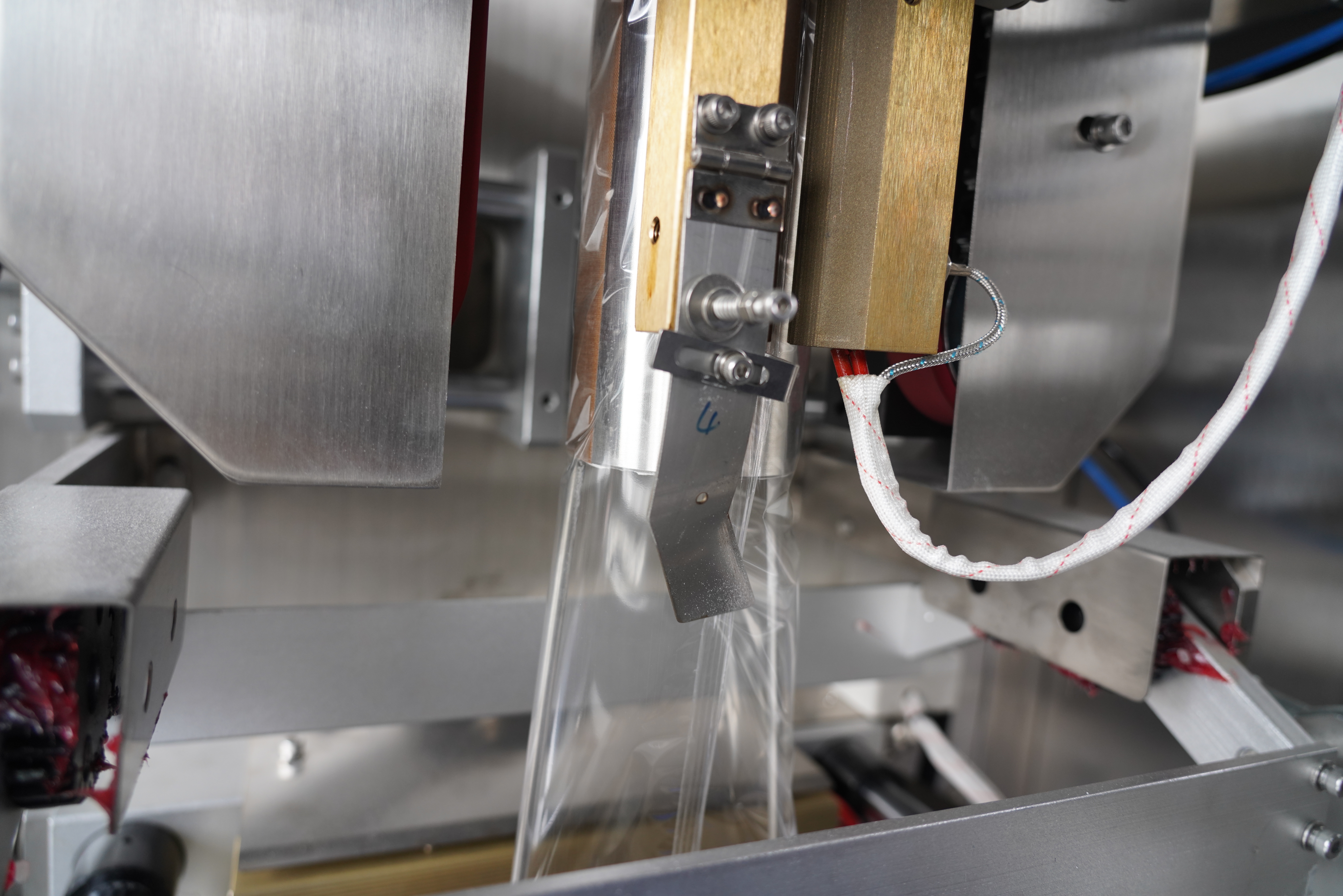
The complexity of a vertical form fill seal machine demands a comprehensive safety architecture that extends beyond basic guards and emergency stops. Modern manufacturing environments require machines equipped with intelligent safety systems that detect operator proximity, monitor seal quality, manage thermal exposure, and respond instantly to abnormal conditions. A well-designed vertical form fill seal machine integrates mechanical safeguards, electronic controls, and operator interface features that work together to create a secure operating environment while maintaining production efficiency and product quality.
Every vertical form fill seal machine must feature robust mechanical guards that prevent accidental contact with moving components, hot surfaces, and sealing areas. The most critical function of these guards is to create clear physical boundaries around pinch points, rotating parts, and forming stations where the film moves at high speed. A properly engineered vertical form fill seal machine includes fixed guards around the film drive mechanism, formers, and seal jaws that cannot be easily removed without intentional effort. These barriers should be constructed from rigid materials that cannot be deformed by normal operational stress, and they must be designed to resist the force of accidental contact without shifting or compromising their protective coverage.
Interlock systems represent another essential layer of mechanical safety on a vertical form fill seal machine. When doors or access panels open, mechanical interlocks must trigger an immediate halt to machine movement and seal heating. This design ensures that operators cannot reach into dangerous zones while the equipment remains active. The interlock mechanism itself must be fail-safe, meaning that even if the interlock device malfunctions, the default state must be machine shutdown rather than continued operation. A vertical form fill seal machine with properly engineered interlocks ensures that maintenance and cleaning tasks can be performed safely without risking accidental equipment startup.
Sealing temperatures on a vertical form fill seal machine typically reach 200 to 300 degrees Celsius, creating a significant burn hazard if operators make contact with heated surfaces. Modern machines incorporate thermally insulated guards around seal jaws, heat bars, and film preheating zones to create a barrier between operators and high-temperature components. A vertical form fill seal machine should include guards made from low-thermal-conductivity materials such as aluminum composites or specialized plastics that absorb and dissipate heat effectively. These thermal barriers must be designed to remain cool to the touch even when the equipment operates continuously, protecting operators from accidental contact injuries during normal machine access and emergency interventions.
Temperature monitoring systems enhance the protective capability of a vertical form fill seal machine by detecting seal jaw temperature anomalies before they create hazardous conditions. Sensors embedded in the seal assembly transmit real-time temperature data to the machine control system, which can adjust heating parameters or trigger alerts if temperatures exceed safe thresholds. This predictive approach prevents not only operator burns but also product quality issues caused by excessive heat. A vertical form fill seal machine equipped with advanced temperature monitoring demonstrates commitment to integrated safety rather than treating thermal protection as an afterthought to the sealing process.
A vertical form fill seal machine control system must incorporate a programmable safety controller that manages all safety-critical functions including emergency stop responses, interlock verification, and sensor monitoring. This specialized controller operates independently from the primary machine control computer, ensuring that safety functions remain active even if the main control system experiences a malfunction. A vertical form fill seal machine with a dedicated safety controller can verify that all safety devices are functioning correctly before allowing operation to begin and can trigger protective actions even during unexpected failures. The safety controller monitors the status of every sensor, button, and interlock device continuously, creating a comprehensive diagnostic picture of machine safety status at all times.
Integration between the safety controller and operational systems on a vertical form fill seal machine allows the equipment to respond intelligently to different operating scenarios. For example, the vertical form fill seal machine can enter a reduced-speed mode when an operator approaches the film loading zone during production, then resume full speed automatically once the operator withdraws to a safe distance. This adaptive approach maintains productivity while prioritizing operator safety, avoiding the production losses that result from complete machine shutdowns. A vertical form fill seal machine designed with this sophisticated safety logic demonstrates that safety and efficiency are complementary objectives rather than opposing interests.
Modern vertical form fill seal machine designs include comprehensive diagnostic systems that track all safety-related events and alert maintenance teams to emerging issues before they create actual hazards. When a safety sensor triggers or an interlock activates, the vertical form fill seal machine records the timestamp, triggered device, and operational context. This data enables facility managers to identify patterns suggesting that a component requires adjustment or replacement, preventing degradation of safety performance. A vertical form fill seal machine that communicates safety status proactively through dashboards and alert systems empowers operations teams to maintain protective capabilities throughout the equipment's service life. Diagnostic capabilities also provide documentary evidence of safety system functionality, supporting compliance verification during regulatory audits and insurance inspections.
The transparency provided by advanced diagnostics on a vertical form fill seal machine builds organizational confidence in safety management. Operations teams can demonstrate to regulatory bodies and safety auditors that the equipment maintains active monitoring and rapid response capability to potential hazards. A vertical form fill seal machine equipped with comprehensive diagnostic systems represents a modern approach to industrial safety that combines prevention with detection and early intervention.
The emergency stop system represents the most fundamental safety feature on a vertical form fill seal machine because it provides operators with immediate control over equipment motion and heating in emergency situations. However, comprehensive protection requires combining emergency stop capability with interlocked access doors, thermal guards, and presence detection sensors. A single safety feature cannot adequately protect operators from the multiple hazards present on a vertical form fill seal machine, which is why regulations require integrated safety systems addressing mechanical, thermal, and motion-related risks simultaneously.
Safety features on a vertical form fill seal machine should undergo functional testing at least monthly, with comprehensive system verification performed quarterly. Emergency stop buttons, interlocks, and sensors require periodic activation to confirm they remain responsive and function correctly under actual operational conditions. Documentation of these safety tests creates a maintenance record demonstrating ongoing compliance and provides data supporting insurance coverage and regulatory compliance verification. A vertical form fill seal machine that receives regular safety testing maintains reliable protective capabilities throughout its operational life.
Well-engineered safety systems on a vertical form fill seal machine cannot be disabled or bypassed through normal operational controls, ensuring consistent protection regardless of operator preference or production pressures. Some machines include maintenance modes that reduce certain safety restrictions temporarily, but these modes require deliberate activation through secure access procedures and automatically deactivate after a defined time period. A vertical form fill seal machine designed with inherent safety constraints prevents operators from compromising their own protection, creating a culture where safety functions as standard operational reality rather than an optional consideration.

2026/09/20
Premade Pouch Machines: Reduce Film Waste, Cut TCO & Achieve Faster ROI

2026/09/20
Cut Premade Pouch Machine Changeover Time by 40% with Proven Best Practices

2026/09/20
Premade Pouch Machines: Boost Throughput, Cut Waste & Improve ROI

2026/09/20
Rotary vs Inline Premade Pouch Machines: Speed, ROI & Scalability Compared

2026/09/20
Premade Pouch Machine: Boost Throughput, Cut Labor Costs & Improve Seal Integrity

2026/09/21
Premade Pouch Machine: Pouch Types, Materials & Filling Guide

