 EN
How to Reduce Film Waste with a Premade Pouch Packaging Machine?
2026/09/20
Premade Pouch Machines: Reduce Film Waste, Cut TCO & Achieve Faster ROI

2026/10/17
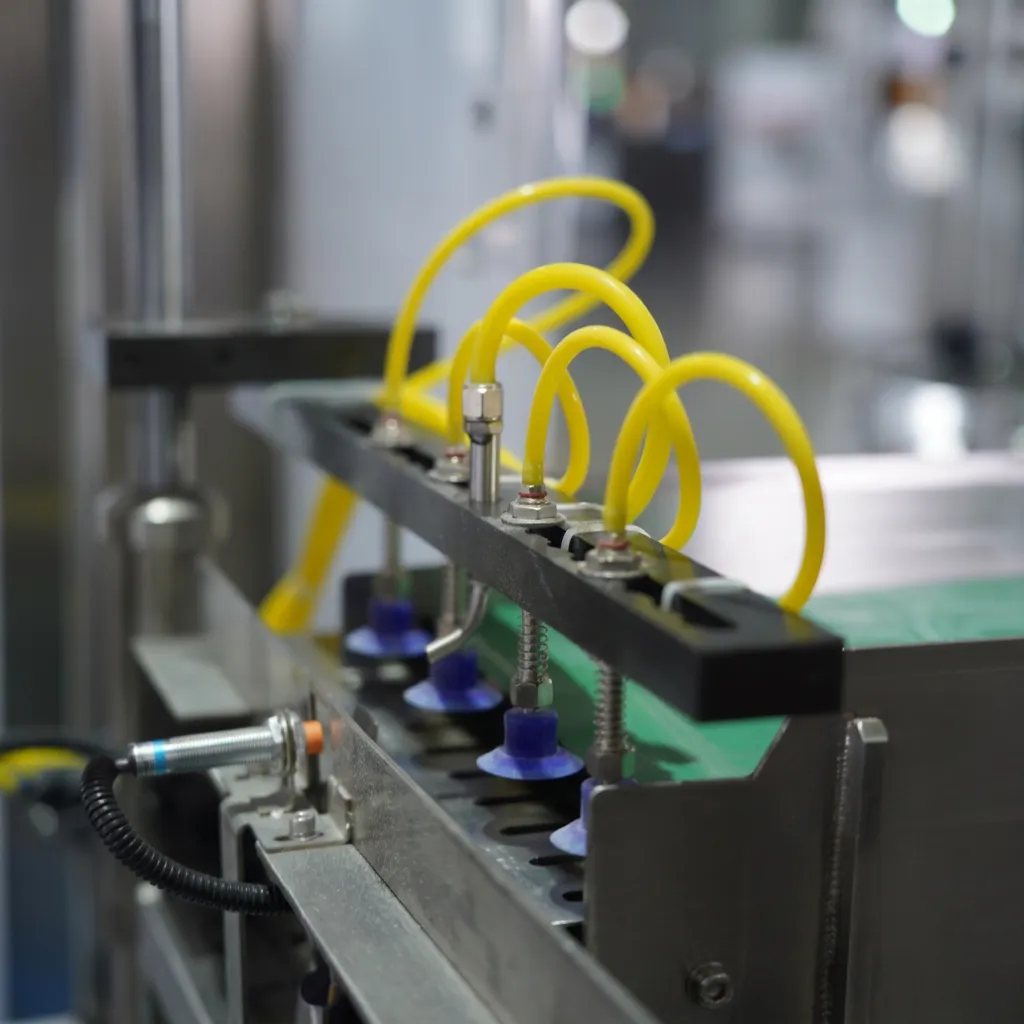
A pillow packing machine is a critical piece of equipment in modern food, pharmaceutical, and consumer goods manufacturing. The safety features integrated into a pillow packing machine directly impact worker protection, product quality, and regulatory compliance across your production line. Without proper safety mechanisms, a pillow packing machine poses significant risks including worker injury, product contamination, and costly operational downtime that can disrupt your entire supply chain.
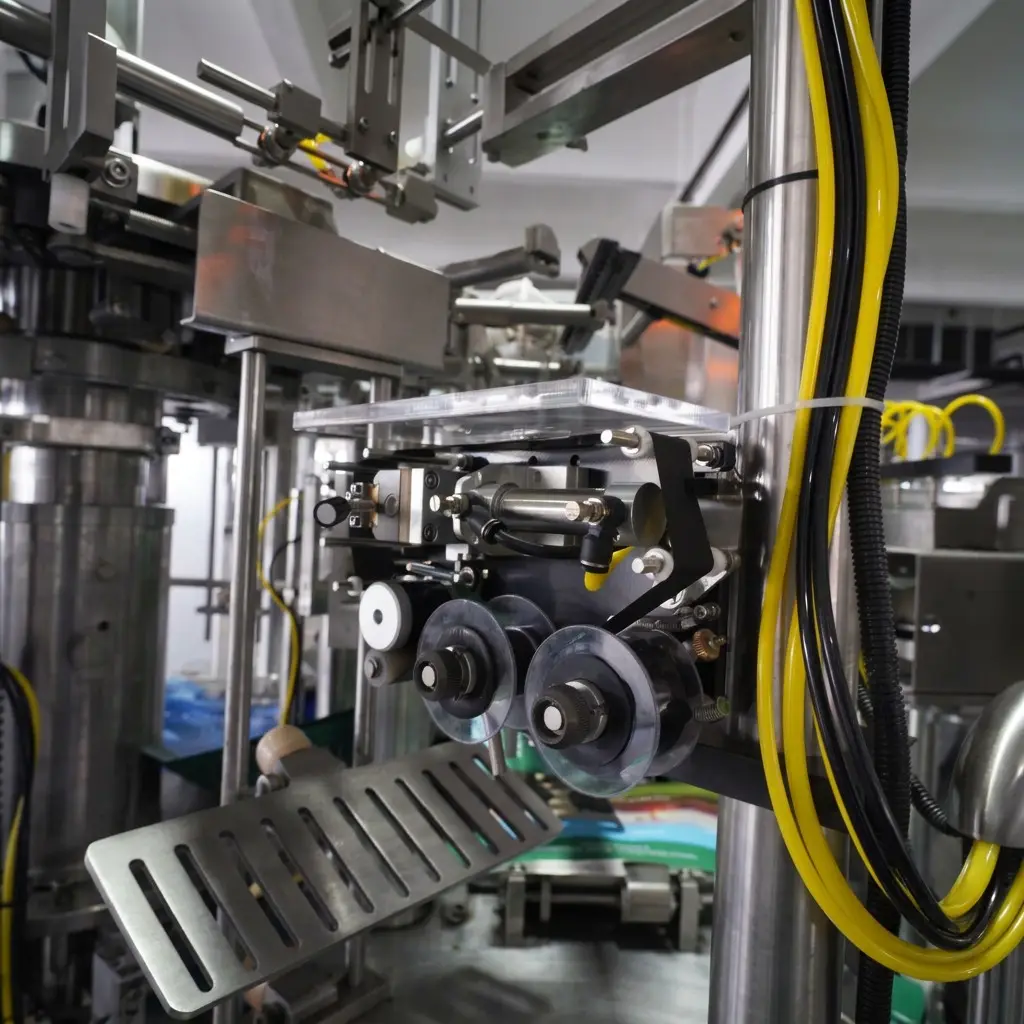
Understanding what safety features should be present in a pillow packing machine helps manufacturers make informed equipment investments and maintain workplace safety standards. A well-designed pillow packing machine combines mechanical guards, electronic controls, and emergency systems to create a comprehensive safety ecosystem that protects your team while maintaining production efficiency.
Every pillow packing machine must feature robust physical barriers at all access points where operators interact with moving components. These guards prevent accidental contact with rotating rollers, sealing elements, and conveyor sections that could cause serious injury. A properly designed pillow packing machine incorporates fixed guards around high-speed mechanical areas and removable guards at maintenance access points, ensuring workers cannot reach hazardous zones during normal operation while still allowing necessary service access.
The guard design on a pillow packing machine should utilize perforated metal, clear polycarbonate, or expanded metal mesh to maintain operator visibility without compromising protection. Guards must be securely fastened and regularly inspected to ensure they remain effective throughout the equipment lifecycle. When selecting a pillow packing machine, verify that all guard designs comply with ISO 13849-1 and local machinery safety directives.
An advanced pillow packing machine includes interlocked safety gates that automatically halt all mechanical movement when access panels are opened. These interlock systems on a pillow packing machine use microswitches or magnetic sensors to detect gate position and immediately cut power to dangerous moving parts. This prevents workers from inadvertently entering hazardous zones while the machine operates, significantly reducing the risk of crushing, cutting, or entanglement injuries that could result from a pillow packing machine malfunction.
Every pillow packing machine must include easily accessible emergency stop buttons positioned at multiple locations around the equipment footprint. These emergency stop systems on a pillow packing machine should trigger immediate cessation of all motor functions, seal activation, and conveyor movement within one second. The pillow packing machine emergency controls must use red buttons mounted on yellow backgrounds for high visibility, and operators should never require tools to activate these critical safety devices during an emergency situation.
A reliable pillow packing machine incorporates redundant emergency stop circuits that remain independent from the main control system, ensuring functionality even if primary electrical systems fail. Test protocols for the pillow packing machine emergency stop should occur monthly to verify responsiveness and maintain worker confidence in safety systems. When evaluating a pillow packing machine, confirm that emergency stop testing is simple and documented regularly by your production team.
A sophisticated pillow packing machine includes pressure relief valves and load-monitoring sensors that protect against equipment damage and worker injury from excessive sealing pressure or jams. These systems on a pillow packing machine automatically reduce pressure or stop operation when sealing force exceeds safe parameters, preventing explosive release of compressed air or sudden machine failure. The pillow packing machine should incorporate load cells or pressure transducers that continuously monitor operating conditions and alert operators to developing problems before catastrophic failure occurs.
A compliant pillow packing machine must feature readily accessible electrical disconnect switches and pneumatic isolation points that allow maintenance personnel to de-energize all dangerous circuits before service work begins. Your pillow packing machine should include clearly labeled lockout points where workers can install padlocks to prevent accidental restart during maintenance activities. This pillow packing machine feature protects technicians from sudden equipment movement and aligns with OSHA lockout-tagout requirements across North American operations and similar regulations internationally.
The pillow packing machine design should separate control power from main motor circuits, allowing safe operation of diagnostic systems even when main power is locked out. Electrical enclosures on a pillow packing machine must be rated for your manufacturing environment, whether clean rooms, humid food processing areas, or explosive atmospheres. When commissioning your pillow packing machine, verify that all electricians understand lockout procedures and that your facility maintains detailed safety documentation.
Modern pillow packing machine designs employ safety-rated programmable controllers and PLCs (Programmable Logic Controllers) that monitor critical functions and respond to safety events according to ISO 13849-1 Category 3 or Category 4 standards. These pillow packing machine control systems continuously self-check their functionality and initiate safe shutdown procedures if internal faults are detected. A pillow packing machine with safety-rated controls provides auditable verification that safety functions operated correctly, creating documentation valuable for accident investigations and regulatory audits.
The material feed section of a pillow packing machine requires dedicated guarding to prevent finger contact with nip points where film rolls meet drive rollers or film is pulled into sealing jaws. A well-engineered pillow packing machine incorporates fixed guards around film entry points and includes pinch-point alerts or mechanical restrictors that limit hand access. The pillow packing machine must also include film break detection that automatically stops operation if material jams or tears, preventing operator attempts to clear jams while machinery operates.
Sealing elements on a pillow packing machine reach temperatures of 200 to 300 degrees Celsius and pose serious burn risks to operators and maintenance personnel. A properly designed pillow packing machine includes thermal guards, warning labels, and interlock systems that disable sealing elements when access panels open near hot zones. The pillow packing machine should also incorporate temperature sensors that prevent seal activation until heating elements stabilize within safe operating ranges, protecting both products and personnel from thermal variability.
The most essential safety features for a pillow packing machine are emergency stop controls, interlocked access gates, comprehensive physical guards around all moving parts, and safety-rated control systems that comply with ISO 13849-1 standards. Your pillow packing machine should also include pressure relief valves, lockout-tagout provisions, and guards protecting thermal hazard points. These foundational pillow packing machine features form the core protection framework that reduces injury risk and maintains regulatory compliance in your facility.
Safety features on a pillow packing machine require monthly testing of emergency stop buttons, quarterly visual inspection of all guards and interlocks, and annual third-party verification by qualified safety engineers. Your pillow packing machine maintenance schedule should document all inspections and corrective actions taken to repair damaged or worn safety components. Preventative maintenance intervals for a pillow packing machine typically align with the manufacturer's specifications, but high-speed production environments may require more frequent checks.
Yes, a pillow packing machine must comply with ISO 13849-1 (safety of machinery control systems), ISO 12100 (general machinery safety principles), and regional regulations such as OSHA standards in North America or CE directives in Europe. Your pillow packing machine supplier should provide documentation confirming that the equipment meets applicable standards for your manufacturing environment. Different industries may impose additional pillow packing machine safety requirements; pharmaceutical manufacturing, for example, often requires cleanroom-compatible guarding and enhanced contamination controls on equipment like a pillow packing machine.

2026/09/20
Premade Pouch Machines: Reduce Film Waste, Cut TCO & Achieve Faster ROI

2026/09/20
Cut Premade Pouch Machine Changeover Time by 40% with Proven Best Practices

2026/09/20
Premade Pouch Machines: Boost Throughput, Cut Waste & Improve ROI

2026/09/20
Rotary vs Inline Premade Pouch Machines: Speed, ROI & Scalability Compared

2026/09/20
Premade Pouch Machine: Boost Throughput, Cut Labor Costs & Improve Seal Integrity

2026/09/21
Premade Pouch Machine: Pouch Types, Materials & Filling Guide

