 EN
How to Reduce Film Waste with a Premade Pouch Packaging Machine?
2026/09/20
Premade Pouch Machines: Reduce Film Waste, Cut TCO & Achieve Faster ROI

2026/09/27
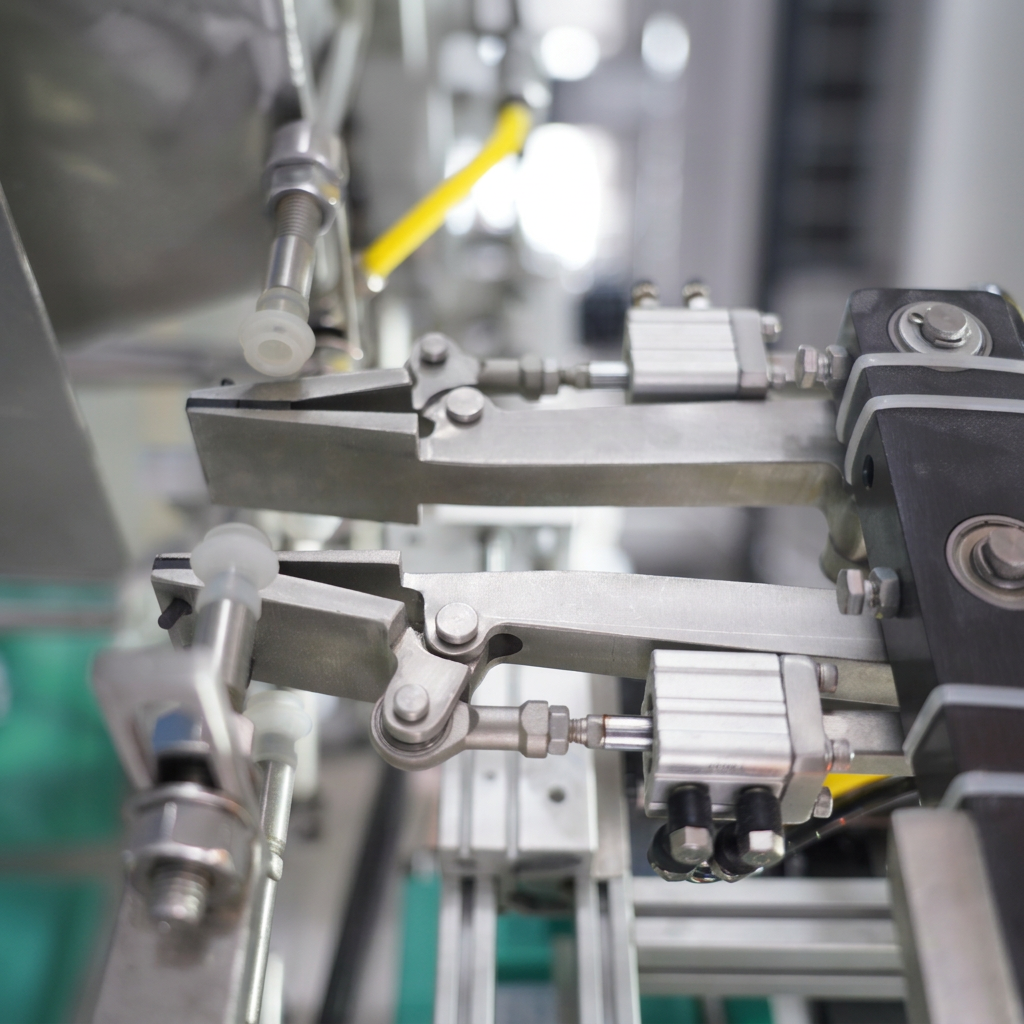
The rotary pouch packing machine has become the backbone of modern snack manufacturing facilities worldwide. This preference is not accidental but driven by fundamental engineering advantages that directly impact production efficiency, product quality, and operational costs. Understanding why rotary pouch packing machines dominate snack lines reveals critical insights into industrial automation and packaging technology. Manufacturers consistently choose rotary pouch packing machines over alternative systems because they deliver superior throughput, reduced waste, and exceptional flexibility across diverse snack formats and materials.
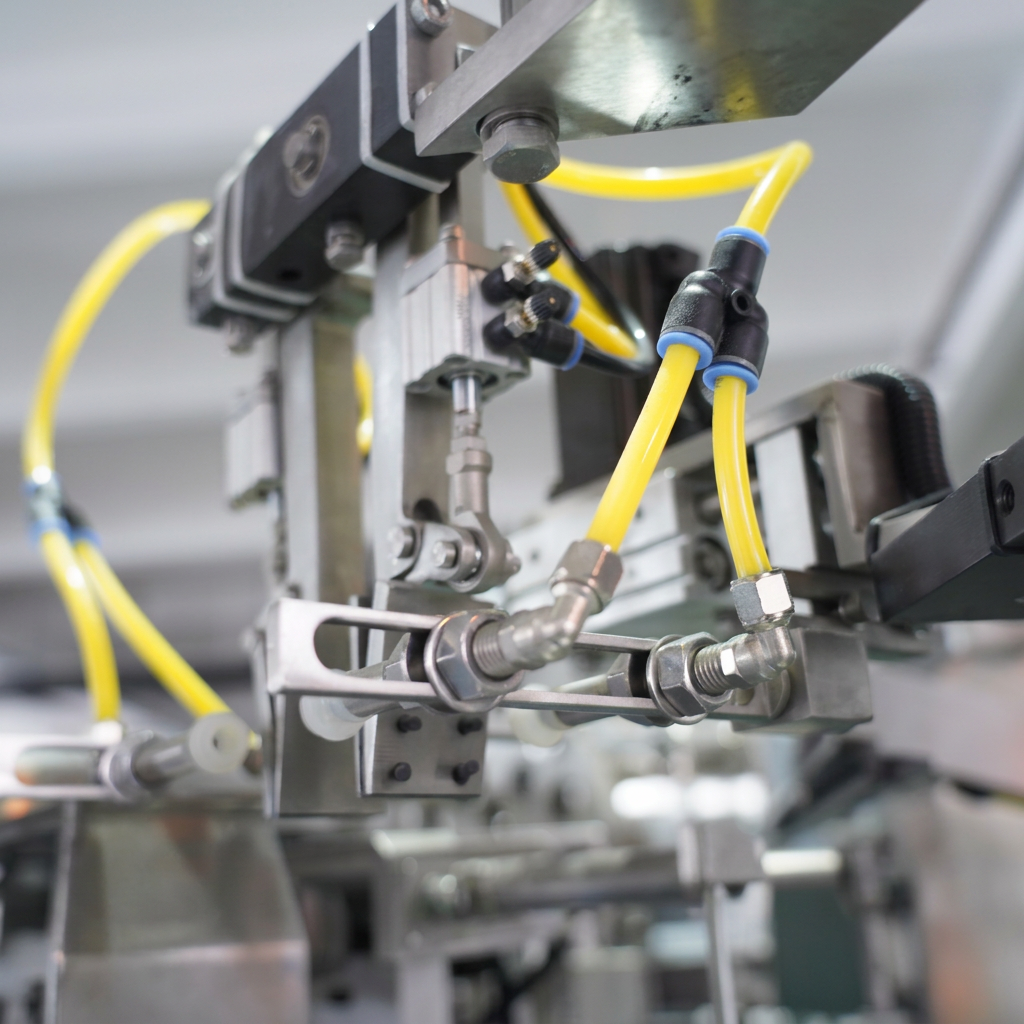
The rotary pouch packing machine achieves remarkable production speeds by eliminating the stop-start cycles inherent in linear machines. Instead of filling one pouch, sealing it, ejecting it, and then starting over, a rotary pouch packing machine keeps pouches moving continuously around the carousel. Multiple stations handle different packaging tasks simultaneously—one station fills while another seals, a third applies labels, and a fourth ejects finished products. This parallel processing capability means a rotary pouch packing machine can complete hundreds of packages per minute, a throughput level that linear alternatives struggle to match.
Every fraction of a second matters in high-volume snack production. A rotary pouch packing machine minimizes dead time between packaging operations, ensuring pouches never pause unnecessarily on the production line. The mechanical design of a rotary pouch packing machine eliminates waiting periods that plague linear systems, where each step must fully complete before the next begins. This seamless workflow means snack producers can maximize throughput without sacrificing product quality or pouch integrity.
Modern snack manufacturers produce dozens of SKUs ranging from chips and crackers to granola, nuts, dried fruit, and protein bars. A rotary pouch packing machine accommodates this variety because its modular design allows quick changeovers between different pouch sizes, materials, and fill weights. Operators can reconfigure a rotary pouch packing machine in minutes to switch from 50-gram chip bags to 200-gram mixed nuts pouches, then to 100-gram protein bar packs. This adaptability is impossible with older fixed-function equipment, giving rotary pouch packing machines a decisive competitive edge.
The rotary pouch packing machine's carousel design allows multiple filling mechanisms to coexist on the same equipment, enabling simultaneous packaging of different snack types in parallel lines. This multi-product approach means snack companies can consolidate their packaging infrastructure on fewer rotary pouch packing machine units, reducing capital costs and facility footprint while maintaining production flexibility. Such operational efficiency explains why rotary pouch packing machines have become the industry standard rather than a niche solution.
Product changeovers represent hidden costs in snack manufacturing. Every minute a line sits idle during format switches is lost production revenue. A rotary pouch packing machine minimizes this cost through quick-change components, pre-calibrated settings, and intuitive controls that let operators transition between products in 15 to 30 minutes. Contrast this with legacy equipment requiring hours of retooling and adjustment, and the rotary pouch packing machine's value becomes immediately apparent.
Snack companies that embrace rotary pouch packing machine technology gain agility in responding to market trends. If a particular flavor or format suddenly surges in demand, rotary pouch packing machines enable rapid production scaling without bottlenecks, allowing manufacturers to capitalize on opportunities before competitors. This responsiveness is a key reason why premium snack brands consistently invest in rotary pouch packing machines.
The rotary pouch packing machine ensures consistent fill accuracy through volumetric or weight-based measurement systems that integrate seamlessly with the rotating mechanism. This precision minimizes overfilling, which wastes product and increases material costs, and underfilling, which triggers customer complaints and regulatory issues. For delicate snacks like chips or crackers, a rotary pouch packing machine reduces product breakage by controlling drop heights, dwell times, and handling forces throughout the packing cycle.
The rotary pouch packing machine's gentle handling characteristics preserve snack texture and appearance, directly improving customer satisfaction and reducing returns. Premium snack brands recognize that a rotary pouch packing machine protects brand reputation by delivering full, undamaged packages consistently. This quality control advantage drives long-term customer loyalty and justifies the investment in rotary pouch packing machine technology over cheaper alternatives.
Snack packaging requires airtight seals to maintain freshness and prevent contamination. A rotary pouch packing machine employs precision heat sealing, ultrasonic sealing, or cold sealing technologies that create robust, consistent seals on every pouch. The rotary pouch packing machine's sealed environment also minimizes exposure to contaminants, meeting strict food safety standards and regulatory compliance requirements. These safety features are non-negotiable in snack manufacturing, making a rotary pouch packing machine essential rather than optional.
Waste reduction is another critical advantage of a rotary pouch packing machine. The precision mechanics and intelligent controls minimize rejects, spillage, and material waste compared to manual or semi-automatic systems. For snack manufacturers operating on thin margins, waste reduction alone often justifies investment in a rotary pouch packing machine, with the payback period typically measured in months rather than years.
A rotary pouch packing machine requires minimal operator intervention once configured and running. Unlike manual packaging operations demanding 5 to 10 full-time employees, a rotary pouch packing machine needs only 1 to 2 operators monitoring quality and managing product supplies. This dramatic labor reduction directly improves the bottom line and makes snack production more economically viable even in developed countries with high wage costs. The rotary pouch packing machine has effectively shifted snack manufacturing from labor-intensive to capital-intensive, enabling competitive production regardless of location.
The rotary pouch packing machine's automation also improves workplace safety by removing workers from repetitive, high-speed operations and reducing exposure to filling materials, heat, and sealing equipment. This occupational health benefit supplements the financial case for rotary pouch packing machine investment, making it attractive to socially conscious manufacturers.
Modern rotary pouch packing machine units offer exceptional reliability and uptime percentages exceeding 95 percent during planned operating hours. The proven mechanical design has been refined over decades, resulting in robust systems that operate continuously with minimal maintenance. Spare parts for a rotary pouch packing machine are widely available and affordable, and most manufacturers offer predictive maintenance programs that prevent failures before they occur. These factors combine to make a rotary pouch packing machine's total cost of ownership highly attractive compared to fragile or obsolete alternatives.
The rotary pouch packing machine's durability means manufacturers can recoup their investment through increased output and reduced downtime within 2 to 4 years, then enjoy years of additional productive service. This strong ROI profile explains why even smaller snack producers budget for rotary pouch packing machine upgrades, recognizing them as essential infrastructure rather than luxury investments.
A rotary pouch packing machine delivers superior speed through continuous carousel operation, processing 100 to 300+ pouches per minute compared to 30 to 60 for linear systems. The rotary pouch packing machine also enables parallel processing of multiple tasks simultaneously, reduces changeover time to 15 to 30 minutes, and maintains precise fill control while minimizing product damage. These combined advantages make a rotary pouch packing machine the optimal choice for high-volume snack lines competing on efficiency and quality.
Yes, modern rotary pouch packing machine designs feature modular components allowing quick adaptation between different pouch formats, sizes, materials, and fill weights. Operators can switch a rotary pouch packing machine between chips, nuts, granola, and other snack varieties in minutes using preset configurations. This flexibility is why a rotary pouch packing machine remains productive even as snack product portfolios evolve, providing manufacturers long-term value beyond a single dedicated application.
A rotary pouch packing machine typically achieves payback within 2 to 4 years through labor cost reduction, waste minimization, and increased throughput revenue. Combined with 95 percent uptime rates, wide spare parts availability, and reliable mechanical design, a rotary pouch packing machine delivers strong long-term economics. Many manufacturers experience ROI within 18 to 30 months when upgrading from manual operations, making a rotary pouch packing machine a financially sound infrastructure investment.

2026/09/20
Premade Pouch Machines: Reduce Film Waste, Cut TCO & Achieve Faster ROI

2026/09/20
Cut Premade Pouch Machine Changeover Time by 40% with Proven Best Practices

2026/09/20
Premade Pouch Machines: Boost Throughput, Cut Waste & Improve ROI

2026/09/20
Rotary vs Inline Premade Pouch Machines: Speed, ROI & Scalability Compared

2026/09/20
Premade Pouch Machine: Boost Throughput, Cut Labor Costs & Improve Seal Integrity

2026/09/21
Premade Pouch Machine: Pouch Types, Materials & Filling Guide

