EN
How to Reduce Film Waste with a Premade Pouch Packaging Machine?
2026/09/20
Premade Pouch Machines: Reduce Film Waste, Cut TCO & Achieve Faster ROI

2026/10/12
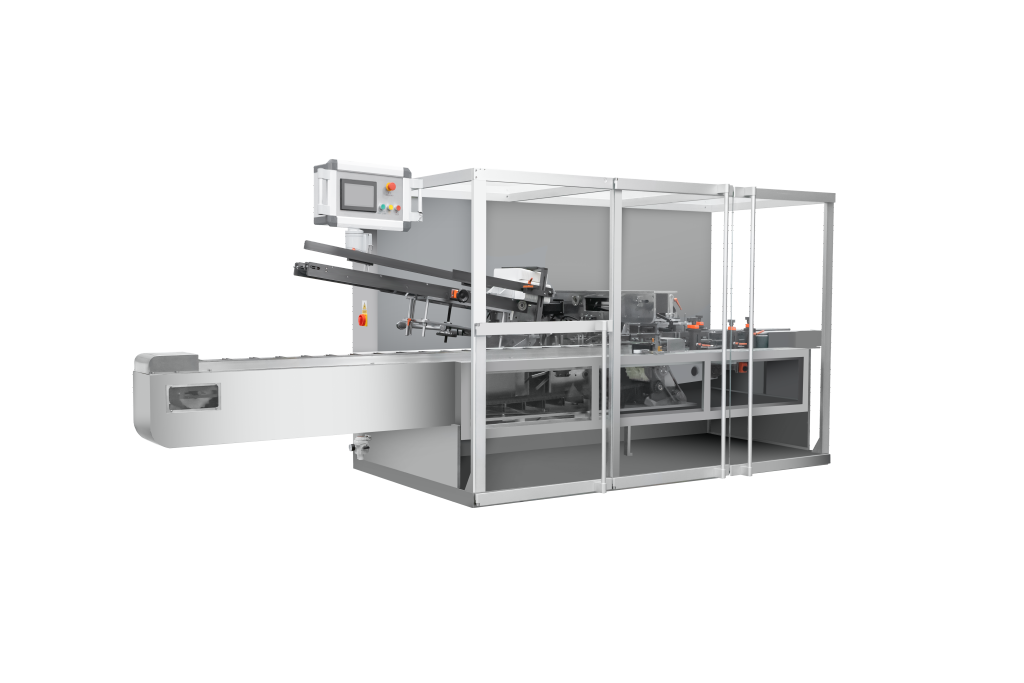
Pharmaceutical companies face intense pressure to meet regulatory standards while maintaining cost efficiency and production speed. A box cartoner has become an indispensable solution for manufacturers seeking to automate their secondary packaging operations. The technology delivers precision, consistency, and scalability that manual processes cannot match, transforming how organizations package medicines, supplements, and other pharmaceutical products for distribution.
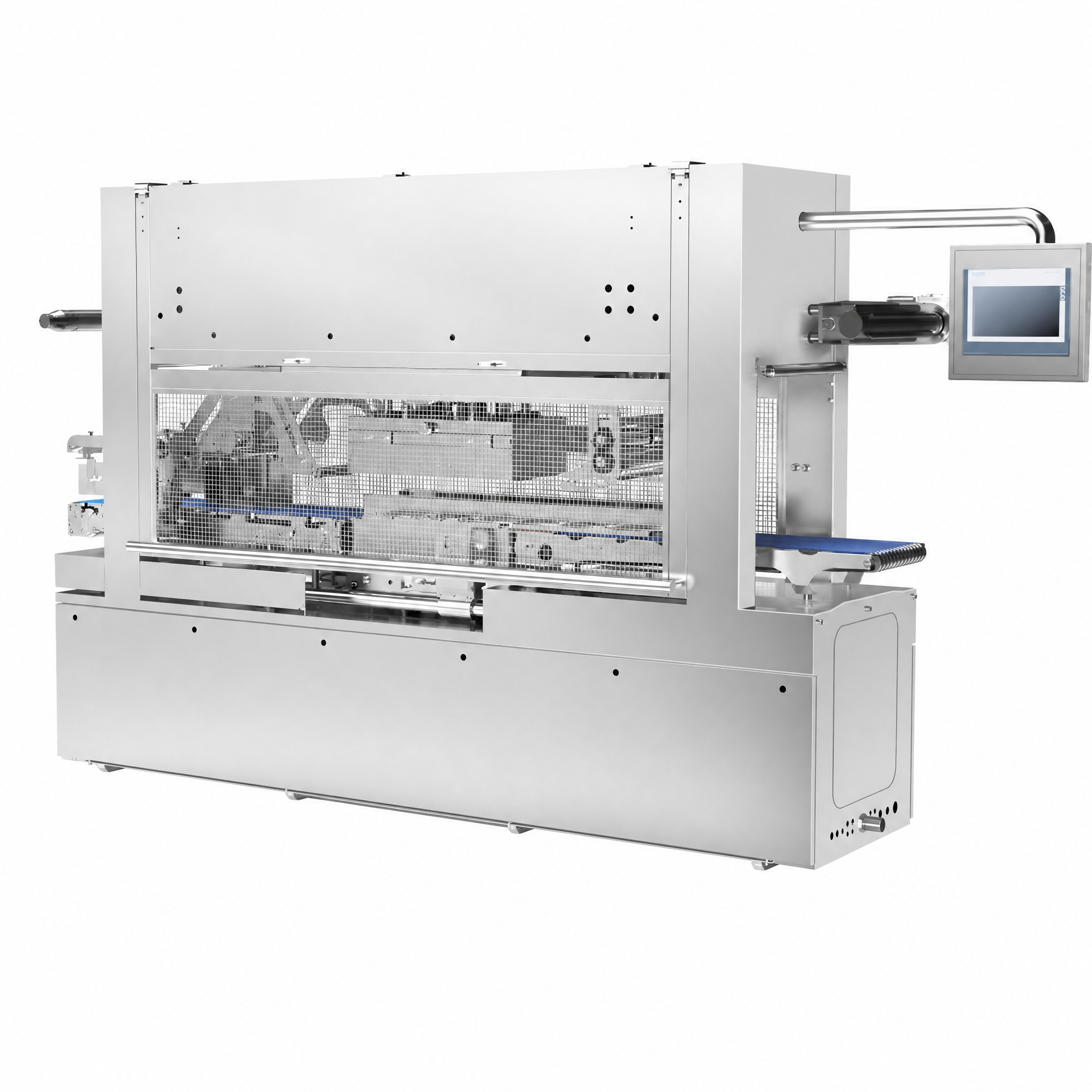
Choosing a box cartoner is not merely about automating a single step in the packaging line. It represents a strategic investment in operational excellence, regulatory compliance, and competitive advantage. A box cartoner integrates seamlessly into existing production environments, reduces labor dependency, minimizes packaging defects, and ensures that every carton meets pharmaceutical industry standards. Understanding why a box cartoner matters helps decision makers evaluate whether this equipment aligns with their production goals and business objectives.
The pharmaceutical industry operates under strict regulatory frameworks established by agencies such as the FDA, EMA, and other regional authorities. A box cartoner must reliably execute carton folding, product insertion, and sealing while maintaining traceability and documentation. When pharmaceutical companies invest in a box cartoner, they gain equipment specifically engineered to comply with Good Manufacturing Practice (GMP) requirements. The machine ensures consistent carton quality, prevents cross contamination, and generates audit trails that demonstrate regulatory adherence. These features are critical because any packaging defect or quality lapse can result in product recalls, legal penalties, or loss of market approval.
Manual carton assembly introduces variability that undermines quality assurance. Workers may fold cartons incorrectly, insert products at improper angles, or fail to achieve consistent sealing pressure. A box cartoner eliminates these human variables through automated processes controlled by programmable logic controllers and vision systems. The equipment performs each carton operation with identical precision thousands of times daily, ensuring zero deviation from specification. This reduction in human error directly lowers defect rates, decreases product loss, and strengthens the company's quality reputation.
Speed is a critical competitive factor in pharmaceutical manufacturing. A box cartoner typically processes 40 to 150 cartons per minute, depending on carton complexity and size, compared to manual operators who achieve 8 to 15 cartons per minute. This speed differential directly translates to higher daily output without expanding facility footprint or adding shift workers. Pharmaceutical manufacturers leveraging a box cartoner experience significant throughput gains that enable them to fulfill larger orders, respond faster to market demand, and justify higher production capacity utilization. For companies operating at peak demand periods, a box cartoner prevents bottlenecks that would otherwise constrain revenue.
Labor availability and wage inflation present ongoing challenges in pharmaceutical manufacturing. A box cartoner reduces direct labor requirements by automating the most repetitive, physically demanding packaging tasks. While the equipment requires operator oversight and maintenance, the net labor reduction is substantial. A single box cartoner can replace four to six full time packaging workers, representing significant annual cost savings while reducing employee fatigue and injury risk. Pharmaceutical companies also gain stability and predictability in labor costs, since automated equipment does not require wage increases, benefits adjustments, or respond to market labor shortages.
Pharmaceutical product lines often include multiple SKUs with different carton dimensions, insert configurations, and special handling requirements. Modern box cartoner equipment offers quick-change tooling and adjustable modules that enable switching between different carton specifications in minutes rather than hours. This flexibility allows a single box cartoner to serve multiple product lines, maximizing equipment utilization and reducing capital investment compared to purchasing dedicated machines for each SKU. The ability to reconfigure a box cartoner rapidly makes it valuable for companies managing seasonal demand variations, product line extensions, or market expansion strategies.
A box cartoner does not operate in isolation; it must integrate smoothly with upstream filling equipment, conveyor systems, and downstream case packing machines. Modern box cartoner designs feature modular interfaces, standardized control protocols, and compatibility with Industry 4.0 standards. This integration capability ensures smooth material flow, reduces manual handling touchpoints, and enables real time production monitoring. Pharmaceutical manufacturers gain end to end visibility into packaging operations, allowing faster troubleshooting, predictive maintenance scheduling, and data driven process optimization across the entire packaging line.
A box cartoner performs optimally with solid unit dose forms such as tablets, capsules, blister packs, and vials that fit standard carton dimensions. The equipment is highly versatile and accommodates various carton styles including tuck end, lock bottom, and wrap around designs. Liquid products in bottles or syringes can also be cartoned, though the equipment selection and configuration may differ. The specific box cartoner model chosen should match the product dimensions, weight, and fragility characteristics to ensure reliable operation and consistent quality throughout production runs.
A box cartoner reduces costs through multiple mechanisms including labor replacement, waste elimination, and speed improvements. By automating packaging, companies reduce hourly labor expenses and associated benefits costs significantly. The equipment minimizes carton damage and improper sealing that lead to product loss, improving overall yield. Faster processing enables higher daily output from the same facility, spreading fixed overhead costs across more units. The combination of these cost reductions typically allows pharmaceutical manufacturers to achieve payback on equipment investment within one to three years depending on production volume and product mix.
Yes, modern box cartoner equipment includes options for special packaging requirements such as adding inserts, including patient information leaflets, applying security features, or incorporating tamper evident seals. Vision systems can verify that all required components are present before sealing. Customizable carton sequencing allows the box cartoner to fulfill different regional regulatory requirements from a single production line. These advanced features make a box cartoner suitable for global pharmaceutical companies managing multiple market specifications and specialized product handling demands within a unified packaging operation.
2026/09/20
Premade Pouch Machines: Reduce Film Waste, Cut TCO & Achieve Faster ROI
2026/09/20
Cut Premade Pouch Machine Changeover Time by 40% with Proven Best Practices
2026/09/20
Premade Pouch Machines: Boost Throughput, Cut Waste & Improve ROI
2026/09/20
Rotary vs Inline Premade Pouch Machines: Speed, ROI & Scalability Compared
2026/09/20
Premade Pouch Machine: Boost Throughput, Cut Labor Costs & Improve Seal Integrity
2026/09/21
Premade Pouch Machine: Pouch Types, Materials & Filling Guide