EN
How to Reduce Film Waste with a Premade Pouch Packaging Machine?
2026/09/20
Premade Pouch Machines: Reduce Film Waste, Cut TCO & Achieve Faster ROI

2026/10/12
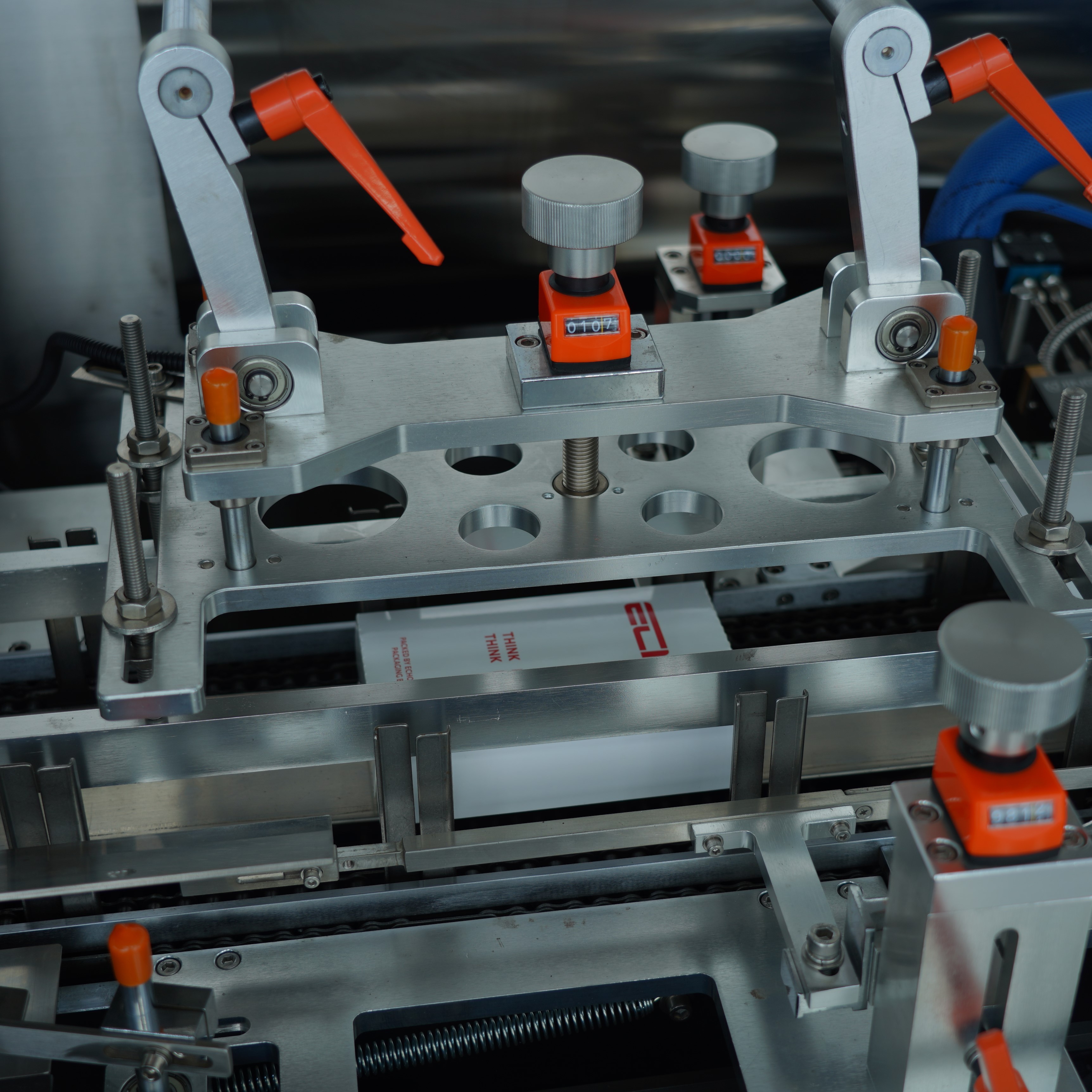
Food manufacturers worldwide recognize that a box cartoner represents one of the most strategic investments in their production operations. The decision to invest in a box cartoner reflects a fundamental understanding that packaging efficiency directly impacts profitability, product safety, and market competitiveness. Unlike manual packaging processes that consume valuable labor hours and introduce inconsistency, a modern box cartoner transforms how food products reach retail shelves and consumer hands.
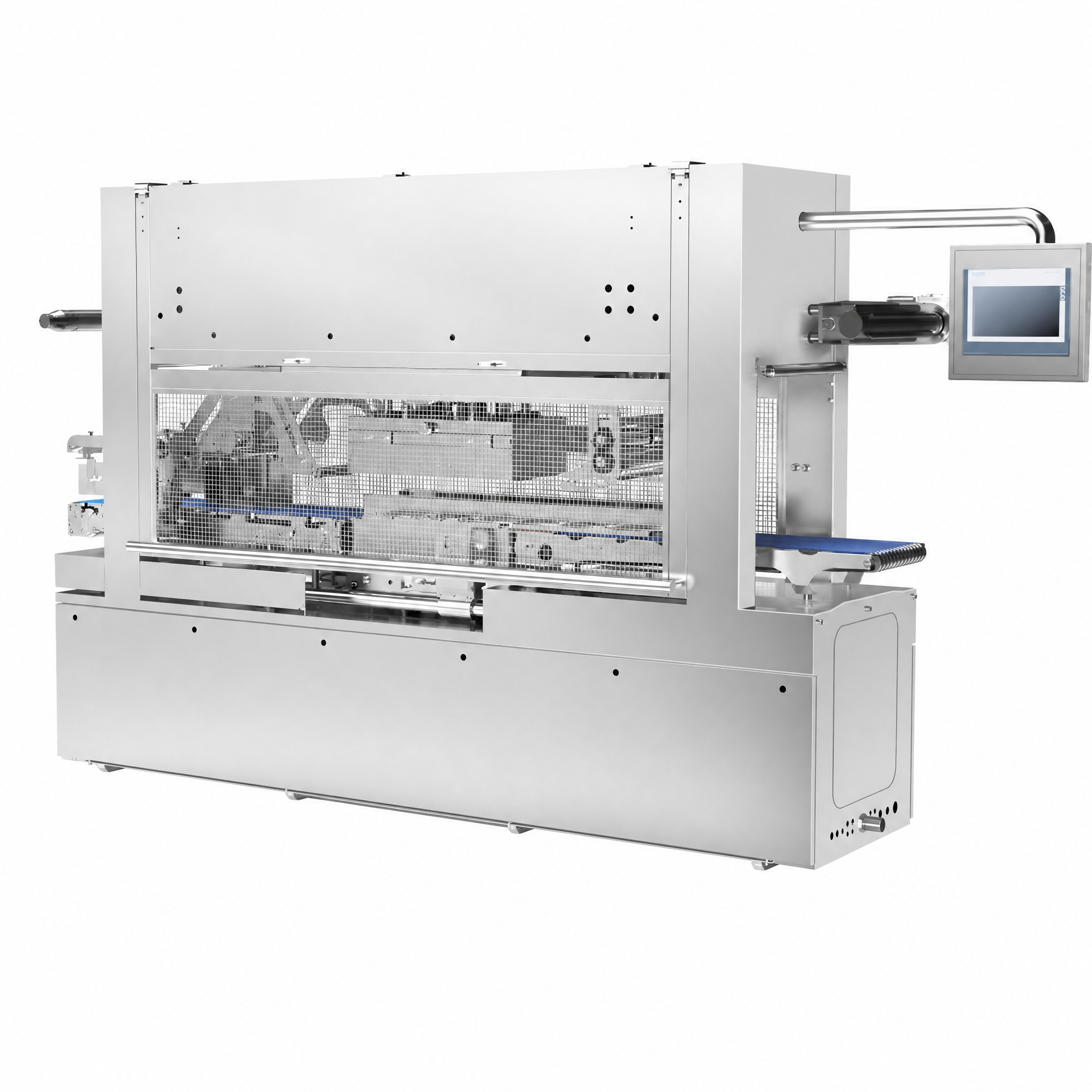
The investment in a box cartoner is not a discretionary upgrade; it is a calculated response to market demands and operational realities. Food manufacturers operate in an environment where product shelf life, packaging integrity, regulatory compliance, and production speed all intersect at the packaging stage. A high-performance box cartoner addresses each of these pressures while delivering measurable return on investment within months rather than years.
Manual packaging represents a significant drag on food production economics. When workers hand-pack products into boxes, the process becomes labor-intensive, error-prone, and difficult to scale. A box cartoner eliminates these inefficiencies by automating the entire cartoning sequence: product feeding, box opening, product placement, and box closing all occur at machine speed rather than human pace. Food manufacturers who deploy a box cartoner typically experience production increases of 300% to 500%, depending on baseline labor efficiency and product characteristics.
The speed advantage of a box cartoner translates directly into cost per unit. When a food manufacturer invests in a box cartoner, the machine operates continuously across shifts, dramatically reducing the labor cost embedded in each packaged unit. This cost reduction becomes increasingly valuable as product volumes scale. A box cartoner maintains consistent speed and accuracy throughout extended production runs, eliminating the fatigue-related slowdowns that plague manual processes.
Food manufacturers who operate without a box cartoner face hidden waste in the form of damaged boxes, misaligned products, and packaging defects. Manual processes generate rework cycles where poorly packed boxes must be unpacked, repacked, or discarded entirely. A precision box cartoner virtually eliminates these losses through consistent, repeatable mechanical motion. Each box is handled identically, each product is positioned precisely, and each closure is executed with machine-level accuracy that human workers cannot maintain across thousands of cycles.
The waste reduction enabled by a box cartoner compounds over time. When a food manufacturer operates across multiple production facilities or high-volume SKUs, the cumulative material savings from a box cartoner often exceeds the entire capital investment within 12 to 18 months. Additionally, reduced rework means fewer employee hours spent on problem-solving and correction, further lowering the true cost of packaging.
Consumer perception of food products begins at the packaging stage. A professionally cartoned box signals quality, care, and food safety to the end consumer. When a food manufacturer invests in a box cartoner, they gain the ability to deliver perfectly uniform packaging across every unit produced. This consistency is impossible to achieve through manual labor, where variation in box orientation, product placement, and closure tension is inevitable.
A box cartoner ensures that every box reaching retail shelves presents an identical appearance and structural integrity. This uniformity reinforces brand perception and reduces the risk of customer complaints related to packaging damage, product movement inside the box, or perceived careless handling. For food brands competing in crowded retail categories, the quality signal provided by a box cartoner contributes meaningfully to shelf appeal and repeat purchase intent.
Food packaging is subject to increasingly stringent regulatory requirements across jurisdictions. A box cartoner meets these standards through design, ensuring consistent box closure, proper product containment, and tamper-evident packaging integrity on every cycle. Food manufacturers who implement a box cartoner can document and validate that packaging meets regulatory specifications with precision that auditors and compliance officers recognize immediately.
The traceability and documentation capabilities of a modern box cartoner further strengthen food safety compliance. Each cycle can be logged, validated, and reported, creating an audit trail that demonstrates adherence to food safety protocols. A food manufacturer investing in a box cartoner gains both the practical benefits of consistent packaging and the compliance advantages that automated equipment provides in regulated industries.
Food manufacturers face seasonal demand fluctuations, promotional spikes, and new product launches that can strain manual packaging capacity. A box cartoner provides flexibility to scale production without hiring, training, and managing proportional increases in labor. When demand rises, the box cartoner simply operates additional shifts or maintains existing staffing levels while dramatically increasing output capacity. Conversely, when demand softens, the box cartoner continues to deliver cost-effective packaging regardless of volume, avoiding the fixed labor costs associated with underutilized manual teams.
This scalability advantage is particularly valuable for food manufacturers operating in growing markets or launching new distribution channels. A box cartoner enables rapid response to market opportunities without the operational friction of labor recruitment, onboarding, and management. The flexibility of a modern box cartoner supports business agility in ways that manual processes cannot match.
Many food manufacturers produce multiple product formats, sizes, and packaging configurations. A box cartoner designed for flexibility can transition between these variations with minimal changeover time. Rather than maintaining separate manual packing stations or facing bottlenecks during format changes, a programmable box cartoner adapts to different box dimensions, product counts, and closure requirements through software adjustments and quick-change tooling. This adaptability enables food manufacturers to diversify their product portfolios and enter new segments without duplicating packaging infrastructure across facilities.
As food manufacturers face pressure to innovate and respond to consumer preferences for new formats and sustainable packaging, the flexibility of a box cartoner becomes increasingly valuable. The machine investment supports not only current production needs but also future product development and market expansion strategies.
Most food manufacturers recover their box cartoner investment within 12 to 24 months through labor cost reduction, material waste elimination, and increased production capacity. The exact timeline depends on current labor costs, production volume, product type, and existing packaging efficiency. High-volume producers typically achieve payback within 12 to 18 months, while lower-volume operations may require 18 to 24 months.
Yes, modern box cartoner systems are designed with programmable flexibility. A quality box cartoner can transition between different box sizes, product dimensions, and closure configurations through software settings and quick-change components. Setup time typically ranges from 15 to 45 minutes depending on the extent of format differences, making it practical for food manufacturers with diverse product lines to operate multiple SKUs on the same box cartoner.
A box cartoner enhances food safety through consistent, validated packaging that meets regulatory standards on every cycle. The machine ensures proper product containment, tamper-evident closure, and consistent documentation of packaging integrity. Additionally, a box cartoner reduces human contact with packaged products, lowering contamination risk and creating an audit trail that demonstrates compliance with food safety protocols and packaging regulations.
2026/09/20
Premade Pouch Machines: Reduce Film Waste, Cut TCO & Achieve Faster ROI
2026/09/20
Cut Premade Pouch Machine Changeover Time by 40% with Proven Best Practices
2026/09/20
Premade Pouch Machines: Boost Throughput, Cut Waste & Improve ROI
2026/09/20
Rotary vs Inline Premade Pouch Machines: Speed, ROI & Scalability Compared
2026/09/20
Premade Pouch Machine: Boost Throughput, Cut Labor Costs & Improve Seal Integrity
2026/09/21
Premade Pouch Machine: Pouch Types, Materials & Filling Guide