 EN
How to Reduce Film Waste with a Premade Pouch Packaging Machine?
2026/09/20
Premade Pouch Machines: Reduce Film Waste, Cut TCO & Achieve Faster ROI

2026/10/05
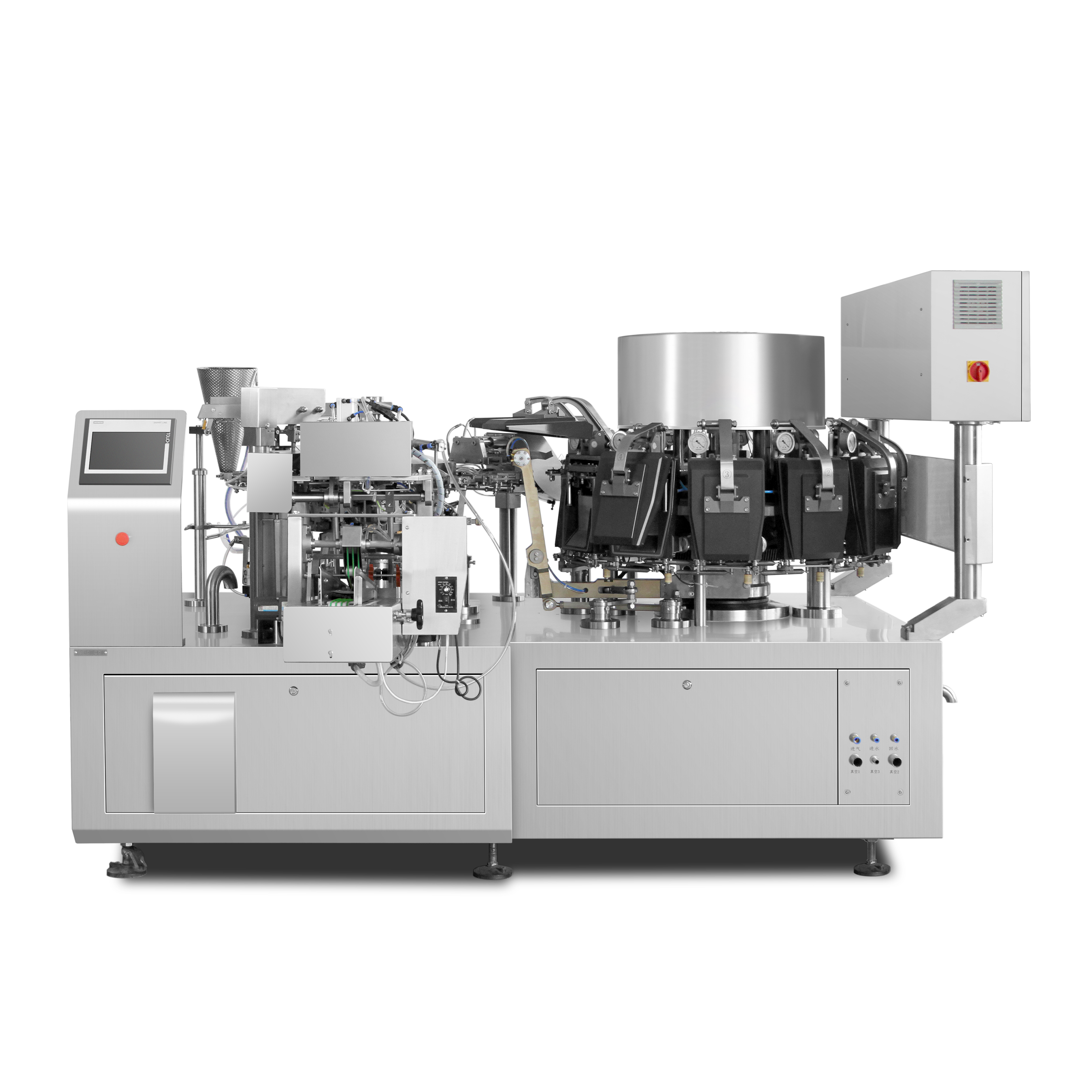
Food processors face mounting pressure to increase production speed, reduce material waste, and extend product shelf life simultaneously. A rotary vacuum packing machine addresses all three challenges by automating the sealing process while maintaining consistent quality across thousands of packages daily. This investment transforms packaging operations from a labor-intensive bottleneck into a competitive advantage that processors can rely on for years.
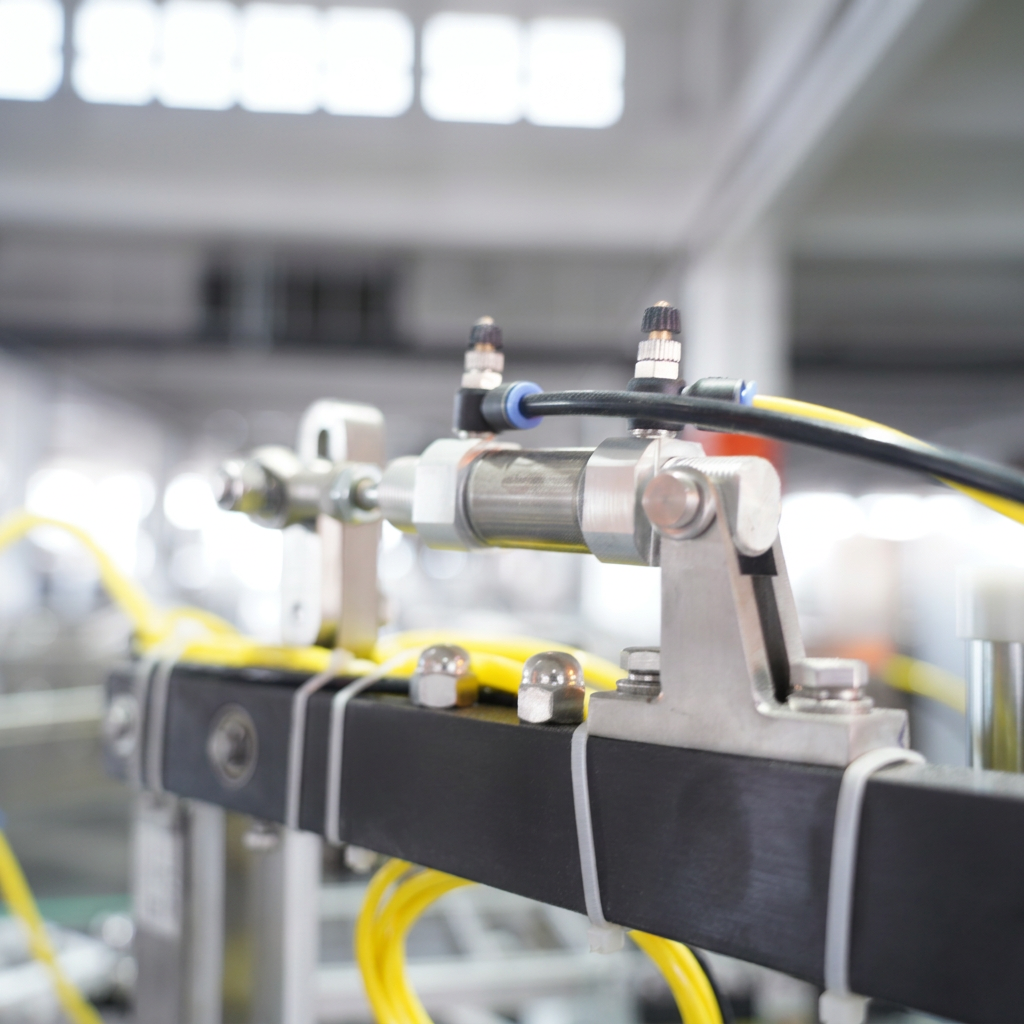
The decision to upgrade to a rotary vacuum packing machine reflects a fundamental shift in how forward-thinking processors approach packaging strategy. Rather than treating packaging as a cost center, leading manufacturers recognize it as a profit driver that directly influences brand perception, product integrity, and customer satisfaction. Understanding the key reasons behind this upgrade helps processors evaluate whether this technology aligns with their operational and financial goals.
Manual vacuum sealing cannot match the throughput of a rotary vacuum packing machine in competitive food markets. A rotary vacuum packing machine operates continuously, processing hundreds of packages per hour depending on bag size and product type. This dramatic speed increase allows processors to meet seasonal demand spikes, fulfill large retail orders, and enter new markets without proportional increases in labor costs. The rotary vacuum packing machine eliminates operator fatigue and human error, ensuring consistent seal quality throughout extended production runs.
Hiring and training packaging staff remains one of the largest operational expenses for food processors. A rotary vacuum packing machine reduces headcount requirements dramatically while improving working conditions for remaining team members. Operators monitor machine performance rather than performing repetitive sealing motions, which reduces repetitive strain injuries and improves employee retention. This shift from execution-focused work to oversight-focused work elevates job satisfaction and allows processors to allocate human resources toward quality control and innovation initiatives. The rotary vacuum packing machine essentially multiplies workforce productivity without requiring additional hiring during growth phases.
Manual sealing introduces variability in vacuum levels and seal integrity that compromises product freshness. A rotary vacuum packing machine applies uniform pressure, evacuation time, and sealing temperature to every single package, eliminating weak seals that allow oxygen infiltration. This consistency directly extends shelf life by days or weeks, depending on product type and storage conditions. Processors can confidently market products with longer shelf lives, which improves retailer relationships and reduces waste in supply chains. The rotary vacuum packing machine ensures that every package meets stringent food safety standards and maintains organoleptic quality from production to consumer purchase.
Precise vacuum control in a rotary vacuum packing machine prevents over-compression and product degradation that occurs with aggressive manual sealing. Delicate foods like fresh meats, cheeses, and prepared meals retain texture, flavor, and nutritional profiles when protected by optimized vacuum conditions. The rotary vacuum packing machine allows processors to program specific parameters for different product categories, ensuring each item receives ideal treatment. This technical precision builds consumer trust and repeat purchases because products consistently deliver expected quality and taste throughout their shelf life. Retailers also appreciate the reliability, reducing damage claims and returns that erode margins.
A rotary vacuum packing machine uses film and bags with exceptional efficiency, minimizing scrap and defects compared to manual operations. Processors achieve tighter cost control over per-unit packaging expenses because the rotary vacuum packing machine operates with predictable material consumption rates. Fewer failed seals mean fewer replacement packages and less product loss due to contamination or premature spoilage. Over time, material savings alone often recover a significant portion of the equipment investment. The rotary vacuum packing machine also accommodates various bag sizes and film types, allowing processors to negotiate better supplier rates by consolidating volume on proven formats.
Processors typically achieve payback on a rotary vacuum packing machine within 18 to 36 months through labor reduction, waste elimination, and increased throughput. After payback, every year of operation generates substantial margin improvement as equipment is already amortized. A rotary vacuum packing machine also enables processors to access premium market segments that demand superior packaging presentation and shelf life assurance. The ability to produce longer-shelf-life products justifies higher retail prices, further strengthening financial returns. Additionally, operational consistency reduces losses from customer complaints, warranty claims, and regulatory compliance issues related to packaging failures. The rotary vacuum packing machine transforms from a capital expenditure into a competitive weapon that processors leverage for years.
A rotary vacuum packing machine accommodates growth seamlessly because throughput scales with production demand rather than with staffing constraints. Processors can double or triple production volumes by running extended shifts on existing equipment rather than redesigning packaging workflows. This scalability is critical for businesses pursuing aggressive growth targets or responding to unexpected market opportunities. The rotary vacuum packing machine prevents packaging from becoming a growth bottleneck that forces capacity limitations or costly infrastructure expansion. Modern machines include programmable logic controllers that store multiple recipes for different products, allowing rapid changeovers without extensive recalibration. This flexibility ensures that a rotary vacuum packing machine remains productive across diverse product portfolios and market conditions.
Industrial-grade rotary vacuum packing machines are engineered for 24/7 operation with durable components and straightforward maintenance protocols. Most machines operate reliably for 10 to 15 years with routine cleaning and preventive maintenance, representing exceptional value over extended service periods. Spare parts availability ensures that unexpected failures do not create extended downtime because replacement components can be installed quickly. Manufacturers of rotary vacuum packing machines increasingly offer remote diagnostics and support, allowing technicians to troubleshoot issues without on-site visits. This combination of durability and responsive support means that a rotary vacuum packing machine operates as a dependable production asset rather than a source of operational anxiety. Processors can confidently commit to delivery schedules knowing that packaging equipment will perform reliably.
A rotary vacuum packing machine delivers consistent vacuum levels, faster processing speed, reduced labor requirements, and superior seal integrity compared to manual methods. The machine eliminates human variability that causes weak seals and product contamination. Processors using a rotary vacuum packing machine achieve measurable improvements in shelf life, waste reduction, and employee productivity within the first production cycle.
A rotary vacuum packing machine reduces per-unit labor costs, minimizes material waste, prevents product loss from seal failures, and enables access to premium market segments through superior shelf life. The combination of these factors typically generates payback within 18 to 36 months while creating ongoing margin improvement for years afterward. Processors also reduce compliance risks and customer complaints associated with inconsistent packaging quality.
Most operators master a rotary vacuum packing machine within one to two days through manufacturer training focused on machine interface, recipe programming, and basic troubleshooting. Routine maintenance involves daily cleaning, weekly component inspection, and annual professional servicing to ensure optimal performance. A rotary vacuum packing machine requires minimal technical expertise to operate, making it accessible to standard production staff without specialized backgrounds.

2026/09/20
Premade Pouch Machines: Reduce Film Waste, Cut TCO & Achieve Faster ROI

2026/09/20
Cut Premade Pouch Machine Changeover Time by 40% with Proven Best Practices

2026/09/20
Premade Pouch Machines: Boost Throughput, Cut Waste & Improve ROI

2026/09/20
Rotary vs Inline Premade Pouch Machines: Speed, ROI & Scalability Compared

2026/09/20
Premade Pouch Machine: Boost Throughput, Cut Labor Costs & Improve Seal Integrity

2026/09/21
Premade Pouch Machine: Pouch Types, Materials & Filling Guide

