 EN
How to Reduce Film Waste with a Premade Pouch Packaging Machine?
2026/09/20
Premade Pouch Machines: Reduce Film Waste, Cut TCO & Achieve Faster ROI

2026/10/08
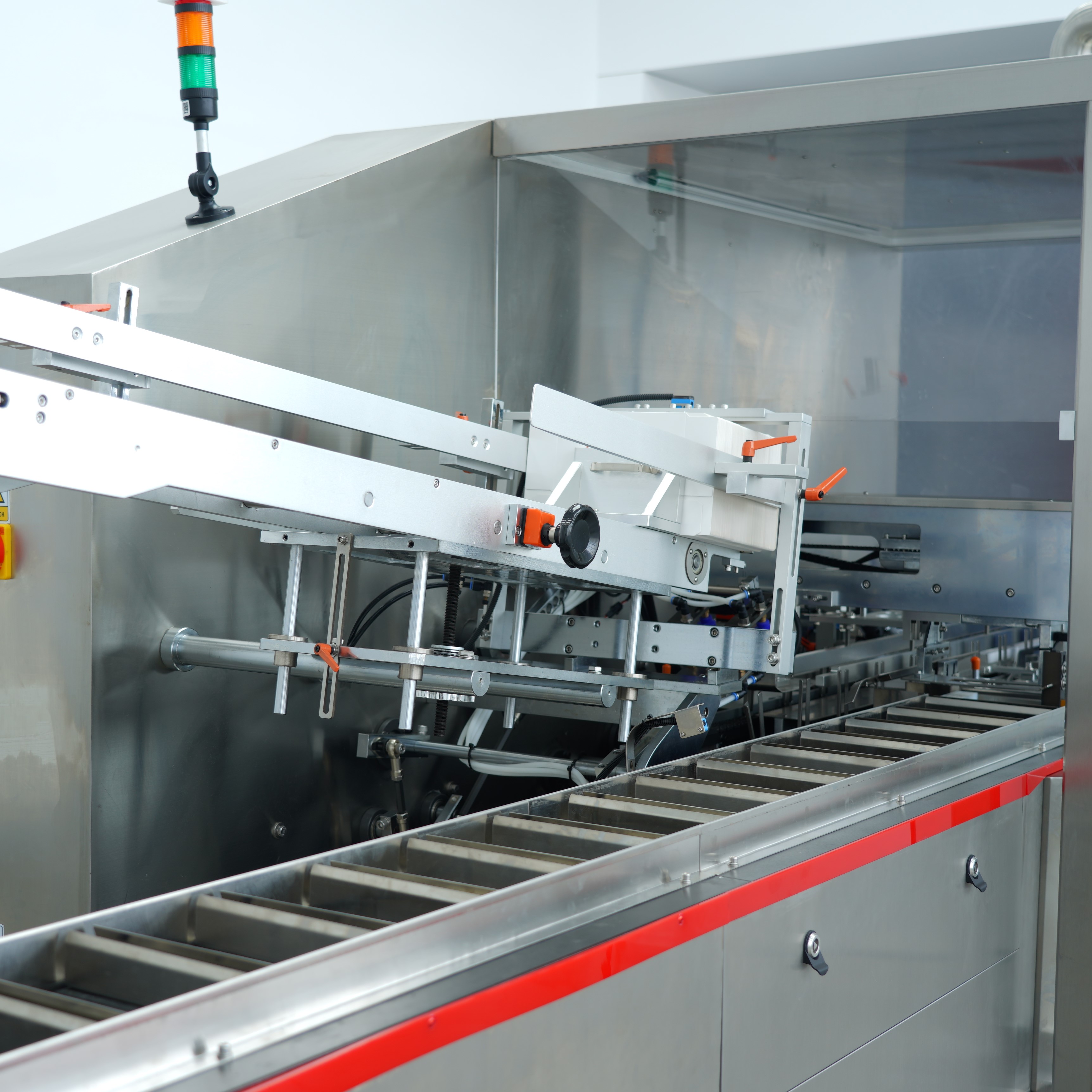
The packaging industry faces mounting pressure to deliver speed, consistency, and cost efficiency in an increasingly competitive marketplace. A carton box packing machine represents a strategic investment that directly addresses these operational demands while transforming how companies handle their product packaging workflows. In 2026, the case for adopting a carton box packing machine has become stronger than ever, driven by labor shortages, rising operational costs, and consumer expectations for faster delivery times. Understanding why a carton box packing machine matters to your business requires examining both the immediate operational benefits and the long-term financial implications of automation.
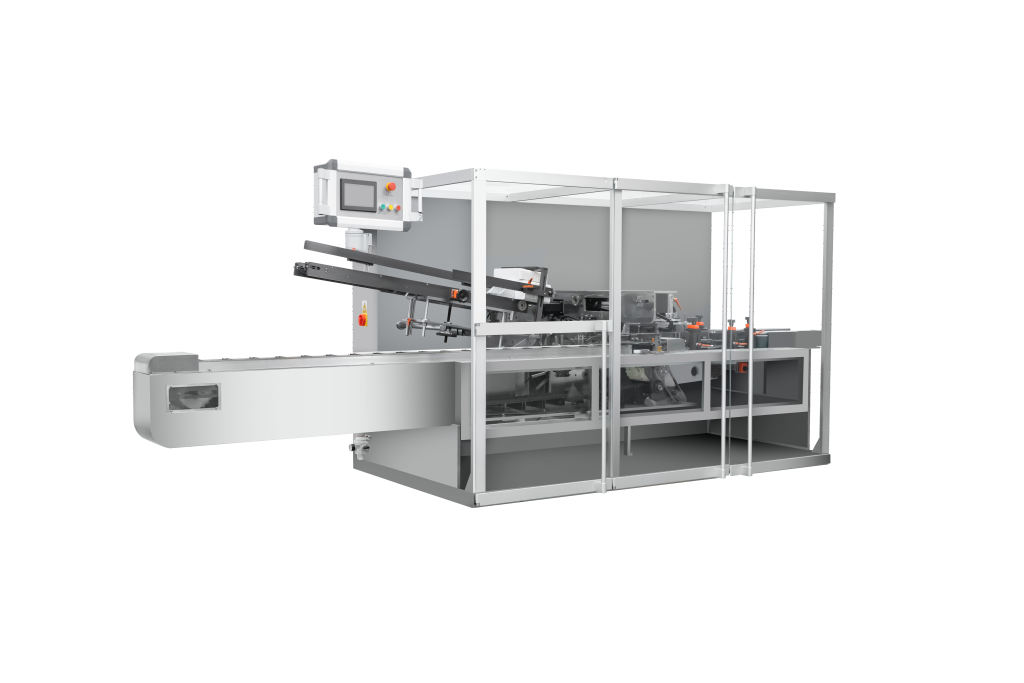
Investing in a carton box packing machine today positions your facility for scalable growth without proportional increases in labor costs. The automation capability embedded within a carton box packing machine enables manufacturers and logistics operators to maintain consistent output quality while reducing the manual effort traditionally required for packaging operations. For businesses processing hundreds or thousands of units daily, a carton box packing machine becomes not just an efficiency tool but a competitive necessity that directly impacts profitability and market responsiveness.
Manual packing operations consume significant labor resources and introduce variability in output quality. A carton box packing machine eliminates these inefficiencies by automating the repetitive motions involved in forming, filling, and sealing carton boxes. Each cycle of the carton box packing machine operates at a consistent speed, removing the fatigue-related slowdowns that characterize manual labor. Companies implementing a carton box packing machine typically report throughput increases between 300% and 500%, depending on the product type and box specifications involved.
The deployment of a carton box packing machine also standardizes the packing process itself. Variation in manual packing leads to product damage, inconsistent box weights, and packaging defects that generate customer complaints and warranty costs. A well-configured carton box packing machine maintains precise pressure settings, alignment accuracy, and sealing integrity across every unit produced. This consistency directly reduces return rates, improves customer satisfaction scores, and builds brand reputation in markets where packaging quality signals product quality.
One of the most compelling financial arguments for a carton box packing machine involves labor economics. In developed markets, skilled packaging operators command wages that increase annually, compounding labor expenses over time. A carton box packing machine requires minimal operator intervention once programmed and calibrated. Rather than replacing workers entirely, most companies using a carton box packing machine reassign existing staff to quality control, machine monitoring, and process optimization roles that add higher value to the operation.
The payback period for a carton box packing machine typically ranges from 18 to 36 months when calculated against labor savings alone. When facility managers factor in reduced material waste, fewer damaged units, and increased throughput capacity, the return on investment becomes substantially more attractive. A carton box packing machine also provides flexibility—as demand fluctuates, the machine scales output without requiring hiring or layoffs, providing predictability in labor budget planning.
In retail environments, packaging quality directly influences purchase decisions and customer perception. A carton box packing machine delivers uniform, professional-grade packaging that enhances brand image and justifies premium pricing. Every box sealed by a carton box packing machine meets the same rigorous standards, eliminating the quality variance that frustrates consumers when they receive inconsistently packed orders. This predictability becomes particularly valuable for e-commerce businesses where customer reviews emphasize packaging quality as a differentiator.
The precision engineering within a carton box packing machine ensures proper box closure strength, tamper evidence, and product protection during transit. When a carton box packing machine properly seals each unit, damage rates during shipping decline significantly. Reduced damage translates directly to lower return rates, decreased customer service costs, and improved logistics expense ratios. For companies shipping products globally, the protective capabilities of a professionally packed unit from a carton box packing machine can be the difference between customer retention and costly replacements.
Modern regulatory environments require documented traceability and consistent handling procedures for packaged goods. A carton box packing machine integrates easily with track-and-trace systems, quality logging, and compliance documentation platforms. Each cycle of the carton box packing machine can be recorded, timestamped, and linked to batch numbers, providing the audit trails required by food safety regulations, pharmaceutical standards, and consumer protection agencies. This built-in compliance capability reduces the administrative burden of meeting regulatory requirements and protects companies from costly violations or product recalls.
When regulatory inspectors evaluate packing operations, the systematic approach demonstrated by a carton box packing machine conveys professionalism and process control. Facilities using a carton box packing machine pass compliance audits more reliably than those relying on manual packing alone, reducing the risk of production halts or market access restrictions that damage revenue and reputation.
Business growth often requires facility expansion and labor recruitment—both expensive and time-consuming undertakings. A carton box packing machine enables capacity increases through pure efficiency gains rather than square footage expansion. If your current facility operates a carton box packing machine at 70% capacity, scaling to 90% capacity involves only software adjustments and operator scheduling changes. This scalability advantage allows companies to capture new market opportunities and fulfill larger customer orders without capital-intensive facility investments.
The flexibility of a carton box packing machine extends to product variety as well. Modern systems can be reprogrammed to handle different box sizes, dimensions, and closure methods within minutes. A single carton box packing machine can manage product lines that previously required multiple manual stations or dedicated equipment. This versatility becomes invaluable in industries serving multiple markets or customers with varying packaging specifications simultaneously.
Competitors who invest in a carton box packing machine gain measurable advantages in delivery speed, cost structure, and quality consistency. By 2026, businesses without automation in their packaging workflows will find themselves at a structural disadvantage—unable to match competitor pricing, delivery timelines, or quality standards. A carton box packing machine investment today positions companies to compete effectively in markets where margin compression from labor inflation and customer demands for faster fulfillment are reshaping industry economics.
The technology embedded in modern carton box packing machines also continues to advance. Systems manufactured in 2026 incorporate artificial intelligence, predictive maintenance, and integration capabilities that older equipment cannot match. Investing now in a carton box packing machine that reflects current technological standards ensures your operation remains competitive throughout the equipment's useful life and minimizes the risk of becoming obsolete before full capital recovery occurs.
Most facilities achieve positive return on investment within 18 to 36 months when accounting for labor savings, reduced waste, and increased throughput. The exact timeframe depends on current packing volume, labor costs in your region, and the specific carton box packing machine model selected. High-volume operations often see ROI within 12 to 18 months, while lower-volume facilities may require up to 4 years.
A carton box packing machine typically requires 1 to 2 weeks of hands-on training for operators to achieve full proficiency. Most manufacturers provide on-site setup, calibration, and operator certification. Unlike complex industrial equipment, a carton box packing machine is designed for intuitive operation with clear interfaces and diagnostic tools that help operators troubleshoot common issues independently.
Yes, modern carton box packing machines include adjustable tooling and programmable settings that enable switching between different box dimensions and closure methods within minutes. This versatility allows a single carton box packing machine to serve multiple product lines, production schedules, and customer requirements without requiring separate dedicated equipment investments.

2026/09/20
Premade Pouch Machines: Reduce Film Waste, Cut TCO & Achieve Faster ROI

2026/09/20
Cut Premade Pouch Machine Changeover Time by 40% with Proven Best Practices

2026/09/20
Premade Pouch Machines: Boost Throughput, Cut Waste & Improve ROI

2026/09/20
Rotary vs Inline Premade Pouch Machines: Speed, ROI & Scalability Compared

2026/09/20
Premade Pouch Machine: Boost Throughput, Cut Labor Costs & Improve Seal Integrity

2026/09/21
Premade Pouch Machine: Pouch Types, Materials & Filling Guide

