 EN
How to Reduce Film Waste with a Premade Pouch Packaging Machine?
2026/09/20
Premade Pouch Machines: Reduce Film Waste, Cut TCO & Achieve Faster ROI

2026/09/21
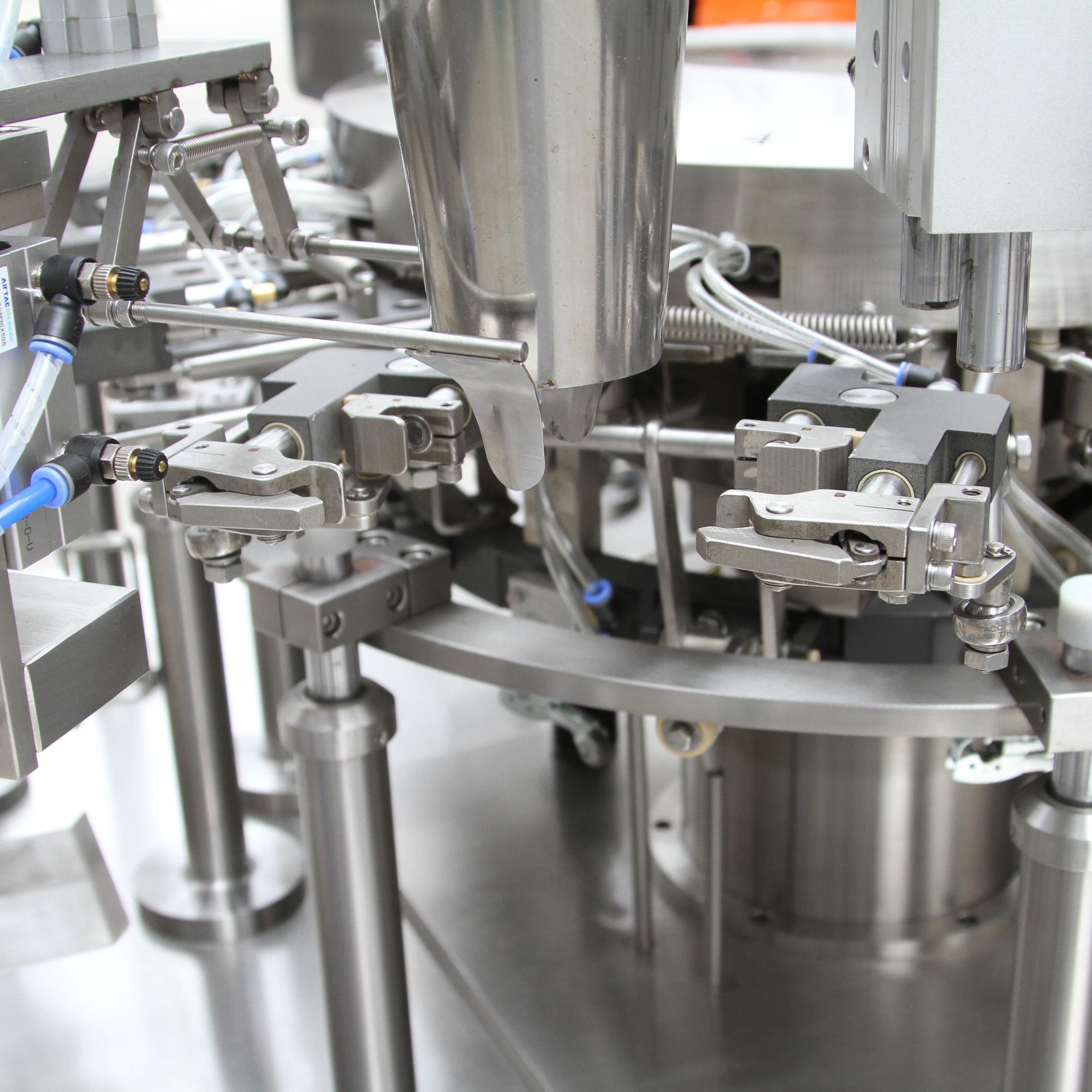
The decision to invest in a premade pouch packaging machine represents one of the most strategic capital investments modern manufacturing facilities can make. As production demands intensify and consumer expectations shift toward faster delivery times and superior packaging quality, a premade pouch packaging machine has become not merely a convenience but a business imperative. Companies across food, beverage, pharmaceutical, and personal care industries are increasingly recognizing that automating their packaging process with a dedicated premade pouch packaging machine directly impacts profitability, operational efficiency, and competitive market positioning.

Understanding the real-world advantages of deploying a premade pouch packaging machine requires examining both tangible operational metrics and strategic long-term value. This investment addresses fundamental production bottlenecks while enabling manufacturers to scale operations without proportional increases in labor costs or facility overhead. The 2026 manufacturing landscape demands efficiency solutions that balance speed, precision, and cost-effectiveness—precisely what a modern premade pouch packaging machine delivers.
A premade pouch packaging machine dramatically increases production throughput compared to manual or semi-automated alternatives. Traditional hand-packing operations typically achieve 10–30 units per minute, whereas a high-speed premade pouch packaging machine consistently delivers 100–300+ pouches per minute, depending on pouch dimensions and product characteristics. This throughput increase directly translates to reduced per-unit labor costs, as a single operator can monitor multiple packaging lines or oversee integrated production workflows.
The labor cost reduction extends beyond simple operator wage savings. By consolidating packaging duties into mechanized systems, facilities reduce overtime expenses, minimize employee fatigue-related quality issues, and decrease workplace injury risk associated with repetitive manual packaging tasks. A premade pouch packaging machine operates 24/7 without fatigue degradation, enabling facilities to maintain consistent quality across all production shifts. This operational consistency creates measurable advantages in meeting customer delivery commitments and reducing rework costs caused by inconsistent packaging quality.
Manufacturing growth often triggers facility expansion decisions that drain capital reserves and extend project timelines. A premade pouch packaging machine enables production volume increases without requiring proportional facility expansion because automation concentrates packaging operations into compact, high-efficiency equipment footprints. Modern premade pouch packaging machine designs incorporate modular architectures that integrate seamlessly with existing production lines, enabling manufacturers to increase output by 200–400% while maintaining current facility dimensions.
This scalability advantage becomes particularly valuable during seasonal demand fluctuations common in food, beverage, and personal care sectors. A premade pouch packaging machine allows facilities to quickly ramp production during peak seasons, then operate at partial capacity during slower periods, all without infrastructure investments. The flexibility inherent in automated premade pouch packaging machine systems supports demand variability while maintaining workforce stability and avoiding disruptive hiring and layoff cycles.
Manual packaging introduces unavoidable human variables that compromise quality consistency. Seal integrity variations, weight inconsistencies, and sealing temperature fluctuations create product losses and customer complaints. A premade pouch packaging machine maintains identical sealing parameters, fill weights, and temperature cycles for every unit produced, eliminating operator-dependent quality variation. This consistency proves especially critical for pharmaceutical and food applications where regulatory standards demand precise, documented quality control.
The quality predictability of a premade pouch packaging machine reduces defect rates by 60–80% compared to manual operations, directly decreasing product waste and customer returns. Each pouching cycle follows identical mechanical parameters, ensuring seal strength, appearance, and functionality meet specifications consistently. This quality enhancement builds customer trust, reduces liability exposure, and creates positive word-of-mouth reputation effects that extend far beyond the initial cost savings.
Modern premade pouch packaging machine systems integrate data logging capabilities that automatically document production parameters, batch information, and quality metrics. This built-in traceability satisfies regulatory requirements in pharmaceuticals, food safety, and medical device sectors without requiring separate quality systems. A premade pouch packaging machine equipped with IoT connectivity generates real-time production reports that demonstrate compliance with FDA, ISO, and international packaging standards.
Regulatory compliance becomes streamlined when a premade pouch packaging machine manages both production and documentation simultaneously. Facility audits, customer certifications, and compliance verifications move faster with automated records than with manual documentation processes. This integration reduces compliance costs while strengthening your facility's regulatory standing and audit readiness.
The financial case for a premade pouch packaging machine strengthens when analyzing total cost of ownership across 5–10 year operational horizons. Initial equipment investment typically ranges from $50,000–$300,000 depending on speed specifications and customization requirements. However, labor cost reductions, waste elimination, and throughput increases generate payback periods of 18–36 months in most operations. A facility operating a premade pouch packaging machine at 80% capacity achieves annual savings of $80,000–$200,000 through eliminated manual labor, reduced material waste, and improved production velocity.
Beyond simple payback calculations, a premade pouch packaging machine investment reduces operational stress costs including inventory holding periods, working capital requirements, and customer fulfillment delays. Faster packaging cycles enable just-in-time operations that decrease storage needs and improve cash flow. These secondary financial benefits often exceed primary labor savings when analyzed across comprehensive financial modeling.
Companies operating a premade pouch packaging machine gain competitive advantages that extend beyond internal efficiency metrics. Faster order fulfillment, superior packaging consistency, and improved product presentation become tangible customer-facing benefits. Retailers and distributors increasingly prefer working with suppliers who demonstrate automated, scalable packaging capabilities because these suppliers deliver predictable delivery schedules and consistent quality.
A premade pouch packaging machine enables custom pouch dimensions, variable batch sizes, and flexible product configurations that smaller manual operations cannot practically accommodate. This operational flexibility helps capture market opportunities that require quick turnaround times or specialized packaging formats. Competitors lacking automated premade pouch packaging machine systems struggle to match delivery velocity, forcing them into price competition that erodes industry margins. Your investment in a premade pouch packaging machine creates sustainable competitive moats that insulate your business from direct price pressure.
Modern premade pouch packaging machine systems, when properly maintained, operate reliably for 8–12 years or longer. Regular preventive maintenance, component replacement schedules, and firmware updates extend equipment lifespan significantly. Most manufacturers warrant premade pouch packaging machine equipment for 2–3 years with comprehensive service plans available for extended coverage. Depreciation scheduling typically aligns with 7–10 year operational horizons for accounting purposes.
A premade pouch packaging machine handles dry products, powders, granules, liquids, and semi-solids across food, beverage, pharmaceutical, nutraceutical, and personal care industries. Snacks, coffee, spices, supplements, energy drinks, creams, and detergents all package efficiently using premade pouch packaging machine systems. Product viscosity, density, and particle size determine specific machine configuration requirements, but modern premade pouch packaging machine designs accommodate broad product category ranges.
Yes, most modern premade pouch packaging machine systems feature flexible integration interfaces compatible with existing filling, capping, and labeling equipment. A premade pouch packaging machine can function as a standalone unit or integrate into multi-stage automated production lines. Systems engineers assess your current facility layout and recommend premade pouch packaging machine configurations that optimize workflow efficiency without requiring complete line reconstruction. Integration typically requires 4–12 weeks depending on complexity and facility modifications needed.
2026/09/20
Premade Pouch Machines: Reduce Film Waste, Cut TCO & Achieve Faster ROI

2026/09/20
Cut Premade Pouch Machine Changeover Time by 40% with Proven Best Practices

2026/09/20
Premade Pouch Machines: Boost Throughput, Cut Waste & Improve ROI

2026/09/20
Rotary vs Inline Premade Pouch Machines: Speed, ROI & Scalability Compared

2026/09/20
Premade Pouch Machine: Boost Throughput, Cut Labor Costs & Improve Seal Integrity

2026/09/21
Premade Pouch Machine: Pouch Types, Materials & Filling Guide

