 EN
How to Reduce Film Waste with a Premade Pouch Packaging Machine?
2026/09/20
Premade Pouch Machines: Reduce Film Waste, Cut TCO & Achieve Faster ROI

2026/10/13
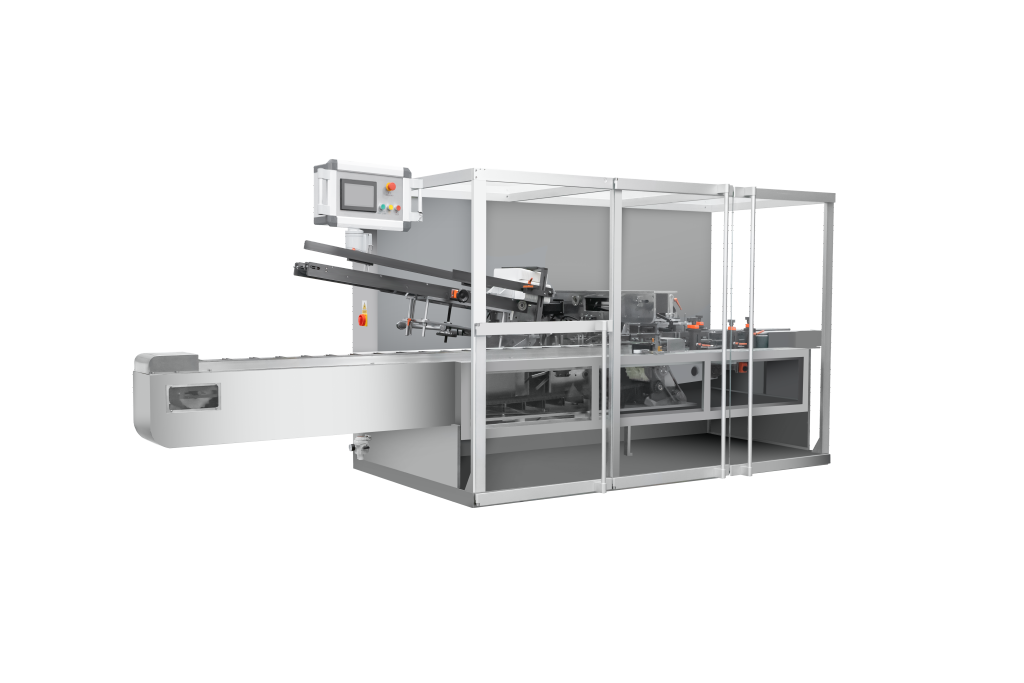
In today's competitive cosmetic industry, packaging efficiency directly impacts profitability and brand reputation. A box cartoner represents one of the most critical investments for any cosmetic packaging line, automating the process of loading products into display boxes with precision and speed. Without a box cartoner, manufacturers face manual labor bottlenecks, inconsistent packaging quality, and inability to meet growing consumer demand. This article explores why a box cartoner is indispensable for modern cosmetic production and how it transforms your packaging operations.
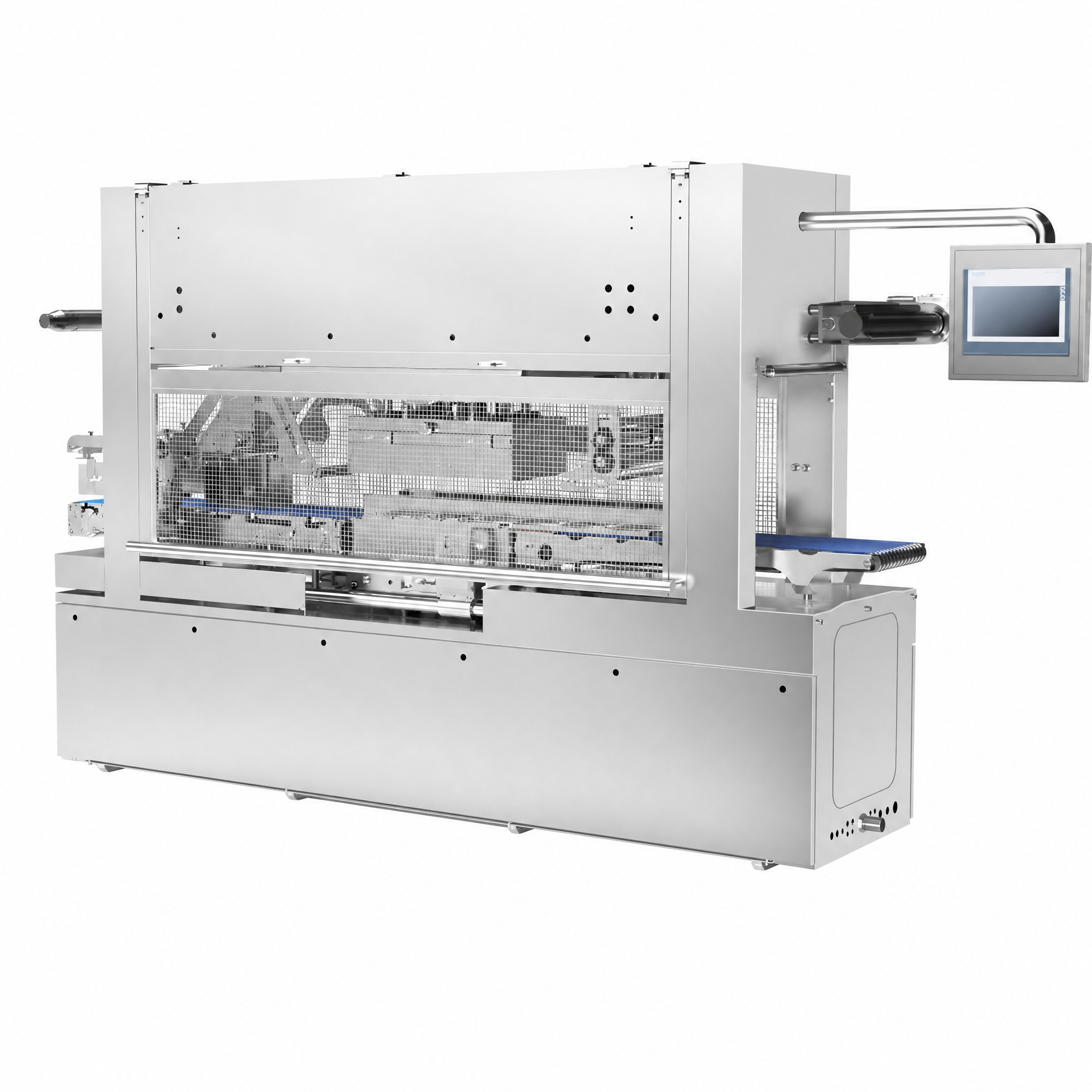
Cosmetic products demand delicate handling and premium presentation. A box cartoner ensures that every unit enters its carton in perfect condition and orientation, whether you're packaging skincare bottles, lipsticks, or fragrance boxes. This combination of reliability and consistency makes a box cartoner a foundational asset rather than an optional upgrade for cosmetic manufacturers seeking competitive advantage.
Manual cartoning cannot compete with modern production demands. A box cartoner can process hundreds or thousands of units per hour, depending on product type and carton size. For cosmetic brands scaling from small batches to large commercial volumes, a box cartoner eliminates the labor ceiling that would otherwise cap daily output. The speed advantage becomes critical during seasonal peaks, promotional campaigns, or new product launches when market windows are narrow and volume surges are unpredictable.
Converting from manual to automated cartoning through a box cartoner typically increases throughput by 300 to 500 percent. This acceleration means your production line can fulfill orders faster, reduce lead times, and respond to market opportunities without hiring additional staff or operating multiple shifts. A box cartoner essentially multiplies your production capacity without proportional increases in labor costs.
While a box cartoner automates the cartoning task, it frees human operators to focus on quality inspection, product handling, line monitoring, and machine maintenance. This strategic shift reduces tedious, repetitive work and improves employee satisfaction and retention. A box cartoner also shields your operation from labor shortages, wage inflation, and turnover disruptions that plague manufacturers reliant on manual cartoning crews. Over time, the labor savings from deploying a box cartoner typically pay for the equipment investment within two to four years, after which savings compound.
Cosmetic packaging must reflect brand luxury and reliability. A box cartoner ensures every unit is placed in identical position and orientation within the carton, eliminating human variation that leads to aesthetic inconsistency. Additionally, a box cartoner uses controlled, predictable motion to load products, reducing drops, crushes, and misalignment that damage goods or compromise shelf appeal. For high-value cosmetics like premium skincare or luxury fragrances, even minor packaging defects trigger customer returns and brand reputation damage.
When a box cartoner manages the cartoning process, the result is near-zero variation in carton fill, product placement, and box closure. This consistency becomes a competitive differentiator, especially in beauty retail where visual presentation influences purchasing decisions. Retailers and consumers both notice and reward brands offering flawless packaging.
Modern regulations require accurate product tracking, proper labeling, and documented packaging processes. A box cartoner equipped with quality sensors and data logging captures real-time packaging metrics and error flags. This documentation supports regulatory compliance, enables rapid recall response if needed, and provides evidence of quality controls that protect your brand. A box cartoner also integrates with serialization and track-and-trace systems, essential for combating counterfeit products in the cosmetic market.
Cosmetic brands rarely produce a single SKU. A box cartoner designed for the beauty industry accommodates diverse product sizes, shapes, and carton formats with quick changeover mechanisms. Whether you're packaging lipstick, face serum, or makeup palettes, a modern box cartoner can be reconfigured in minutes, allowing your line to run multiple products without extended downtime. This flexibility makes a box cartoner an asset to brands pursuing portfolio expansion or responding to evolving consumer preferences.
The ability of a box cartoner to handle variable product dimensions without requiring complete redesign of the cartoning system reduces capital expenditure and increases return on investment. As your cosmetic product portfolio evolves, your box cartoner grows alongside your business.
A box cartoner functions as the hub of your packaging line, seamlessly integrating with fill machines, labelers, case packers, and conveyors. When a box cartoner is properly interfaced with your existing equipment, the entire line operates in harmony, minimizing manual handoffs and reducing contamination risk. A box cartoner equipped with variable speed control and communication protocols synchronizes with upstream processes, ensuring steady material flow and preventing bottlenecks that waste time and resources.
A box cartoner automates the process of loading products into cartons with consistent speed, precision, and repeatability. Unlike manual cartoning, which depends on individual operator skill and energy levels, a box cartoner delivers identical placement and orientation for every unit, eliminates human error, and operates continuously at high speeds. A box cartoner can process 200 to 400+ units per hour depending on carton and product complexity, while manual cartoning rarely exceeds 30 to 50 units per hour.
A box cartoner dramatically reduces production lead times by accelerating cartoning speed and eliminating labor bottlenecks. Cosmetic brands using a box cartoner can fulfill rush orders, respond to seasonal demand spikes, and launch new products faster than competitors relying on manual or semi-automated methods. This agility strengthens customer relationships and captures market opportunities before competitors, providing significant competitive advantage in the fast-moving beauty industry.
Most cosmetic manufacturers recover the capital investment in a box cartoner within 18 to 36 months through labor savings, waste reduction, and increased throughput. The payback period varies based on production volume, current labor costs, and product complexity. After payback, the box cartoner continues generating pure profit through reduced operational expenses. Additional benefits like reduced damage claims, faster market response, and improved compliance add indirect value that extends beyond simple ROI calculations.

2026/09/20
Premade Pouch Machines: Reduce Film Waste, Cut TCO & Achieve Faster ROI

2026/09/20
Cut Premade Pouch Machine Changeover Time by 40% with Proven Best Practices

2026/09/20
Premade Pouch Machines: Boost Throughput, Cut Waste & Improve ROI

2026/09/20
Rotary vs Inline Premade Pouch Machines: Speed, ROI & Scalability Compared

2026/09/20
Premade Pouch Machine: Boost Throughput, Cut Labor Costs & Improve Seal Integrity

2026/09/21
Premade Pouch Machine: Pouch Types, Materials & Filling Guide

