 EN
How to Reduce Film Waste with a Premade Pouch Packaging Machine?
2026/09/20
Premade Pouch Machines: Reduce Film Waste, Cut TCO & Achieve Faster ROI

2026/10/06
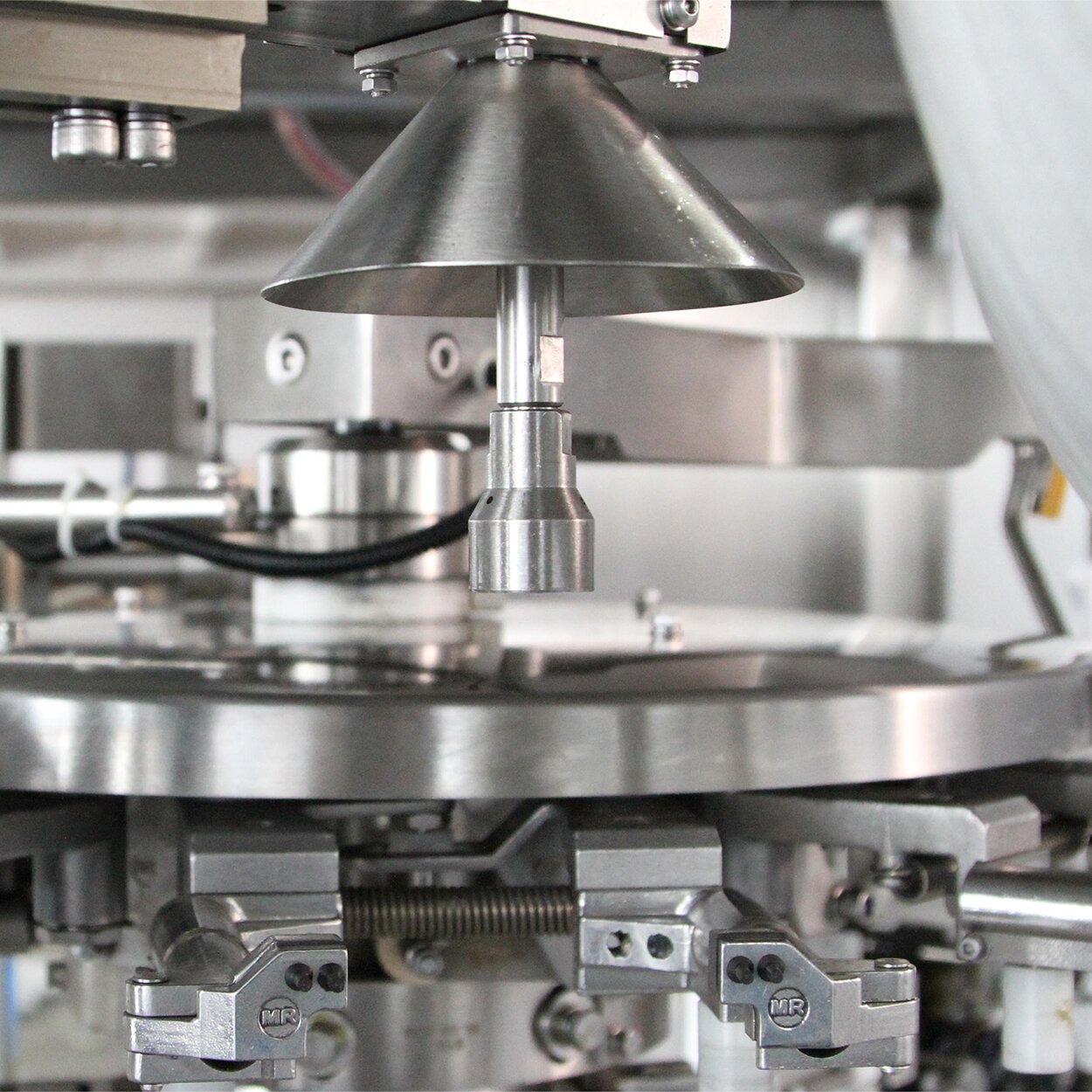
Seal integrity stands as one of the most critical factors determining the success of any rotary vacuum packing machine operation. Whether you're packaging food products, pharmaceuticals, or industrial components, the quality of the seal directly impacts product shelf life, safety, and overall business profitability. A compromised seal in a rotary vacuum packing machine can lead to oxygen exposure, contamination, and significant financial losses across your supply chain.
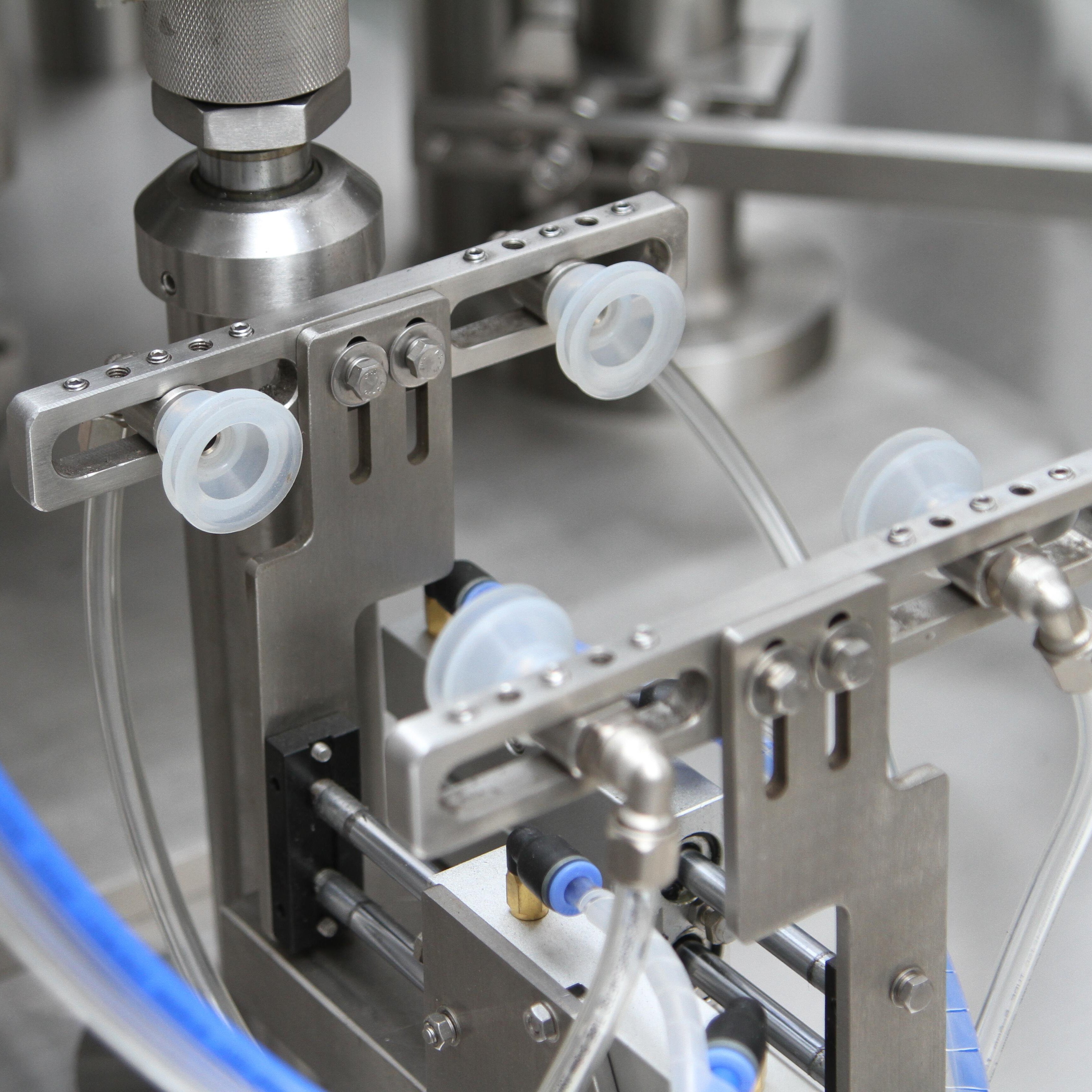
Understanding the importance of seal integrity transforms how you approach packaging operations. A properly functioning rotary vacuum packing machine creates airtight seals that preserve product quality and maintain regulatory compliance. The seal acts as a barrier against external contaminants, moisture, and oxygen, ensuring that your products reach customers in optimal condition. This foundational principle applies across all industries relying on rotary vacuum packing machines.
When a rotary vacuum packing machine fails to create an adequate seal, oxygen penetrates the package and initiates oxidation processes that degrade product quality rapidly. For food products, this oxygen exposure accelerates rancidity in fats, discoloration in meats, and bacterial growth in sensitive items. A rotary vacuum packing machine with compromised seal integrity allows air to enter the package over time, significantly shortening shelf life and rendering products unsellable. Even microscopic seal imperfections can compound into substantial losses when multiplied across thousands of packages.
Inadequate seal integrity in a rotary vacuum packing machine creates pathways for pathogens and microorganisms to enter packages, posing serious food safety and consumer health risks. A rotary vacuum packing machine that maintains perfect seal integrity protects against external contamination and maintains the sterile environment necessary for sensitive products. In pharmaceutical and medical device packaging, seal failures in a rotary vacuum packing machine can result in regulatory non-compliance, product recalls, and legal liability. The stakes are particularly high in industries subject to FDA and HACCP standards.
The rotary vacuum packing machine's seal bar temperature and pressure are fundamental parameters controlling seal quality. Insufficient heat prevents proper film fusion, while excessive temperature can weaken the film material or create brittleness that fails over time. Pressure settings on a rotary vacuum packing machine must be calibrated precisely to achieve consistent, uniform seals without damaging product contents. Regular calibration of your rotary vacuum packing machine ensures that seal parameters remain within specification throughout the machine's operational life.
The film material used in a rotary vacuum packing machine directly determines seal performance and reliability. Different film types require specific temperature and pressure combinations to achieve optimal seal integrity on your rotary vacuum packing machine. A rotary vacuum packing machine designed for multi-layer films maintains consistent seal quality across various product types and packaging formats. Selecting the correct film specification for your rotary vacuum packing machine prevents seal failures caused by material incompatibility or thermal degradation.
The vacuum pump capacity and residual oxygen levels achieved by a rotary vacuum packing machine determine the protective environment surrounding your product. A properly functioning rotary vacuum packing machine removes air effectively while preventing film collapse that could compromise seal contact. The rotary vacuum packing machine must achieve and maintain consistent vacuum levels throughout the sealing cycle to ensure reliable seal formation. Vacuum loss through weak seals creates a cascading problem where products degrade faster, and oxygen re-enters packages prematurely.
Regular maintenance of your rotary vacuum packing machine prevents seal degradation and extends equipment operational life. Cleaning seal bars, inspecting film guides, and checking vacuum pump performance are essential maintenance tasks for every rotary vacuum packing machine. A well-maintained rotary vacuum packing machine maintains consistent seal quality and reduces unexpected downtime from seal failures. Scheduled maintenance intervals for your rotary vacuum packing machine should follow manufacturer recommendations and be documented systematically.
Implementing seal strength testing procedures ensures that your rotary vacuum packing machine consistently produces acceptable seal integrity. Peel tests, burst tests, and helium leak detection methods verify that each rotary vacuum packing machine operates within quality parameters. Regular monitoring of seal performance on your rotary vacuum packing machine identifies degradation early before widespread product loss occurs. Establishing clear acceptance criteria for seal quality from your rotary vacuum packing machine protects your brand reputation and regulatory standing.
Temperature and humidity variations in your facility affect how your rotary vacuum packing machine performs and how consistently it creates reliable seals. A rotary vacuum packing machine maintains optimal seal integrity when operated within specified environmental conditions. Dust, moisture, and temperature fluctuations can compromise seal bar performance on your rotary vacuum packing machine, requiring environmental controls in packaging areas. Monitoring facility conditions around your rotary vacuum packing machine prevents environmental factors from degrading seal quality.
Seal failures in a rotary vacuum packing machine typically result from incorrect temperature settings, worn seal bars, contaminated film edges, or incompatible film materials. A rotary vacuum packing machine may also experience seal failures if vacuum pressure is insufficient or if residual moisture is present on film surfaces. Regular maintenance and parameter verification of your rotary vacuum packing machine minimize these failure modes and maintain consistent seal quality.
Testing seal integrity on your rotary vacuum packing machine should occur daily during production and whenever parameters are adjusted. A rotary vacuum packing machine should undergo comprehensive seal strength testing weekly to ensure consistent performance and product quality. More frequent testing of your rotary vacuum packing machine is recommended when introducing new film materials or operating in variable environmental conditions.
Yes, seal integrity can often be improved through maintenance, calibration, and operational adjustments on your existing rotary vacuum packing machine. Cleaning seal bars, recalibrating temperature and pressure settings, and verifying vacuum levels can restore seal performance on a rotary vacuum packing machine. If your rotary vacuum packing machine continues producing weak seals after maintenance, component replacement or professional service may be necessary.

2026/09/20
Premade Pouch Machines: Reduce Film Waste, Cut TCO & Achieve Faster ROI

2026/09/20
Cut Premade Pouch Machine Changeover Time by 40% with Proven Best Practices

2026/09/20
Premade Pouch Machines: Boost Throughput, Cut Waste & Improve ROI

2026/09/20
Rotary vs Inline Premade Pouch Machines: Speed, ROI & Scalability Compared

2026/09/20
Premade Pouch Machine: Boost Throughput, Cut Labor Costs & Improve Seal Integrity

2026/09/21
Premade Pouch Machine: Pouch Types, Materials & Filling Guide

