 EN
How to Reduce Film Waste with a Premade Pouch Packaging Machine?
2026/09/20
Premade Pouch Machines: Reduce Film Waste, Cut TCO & Achieve Faster ROI

2026/10/01
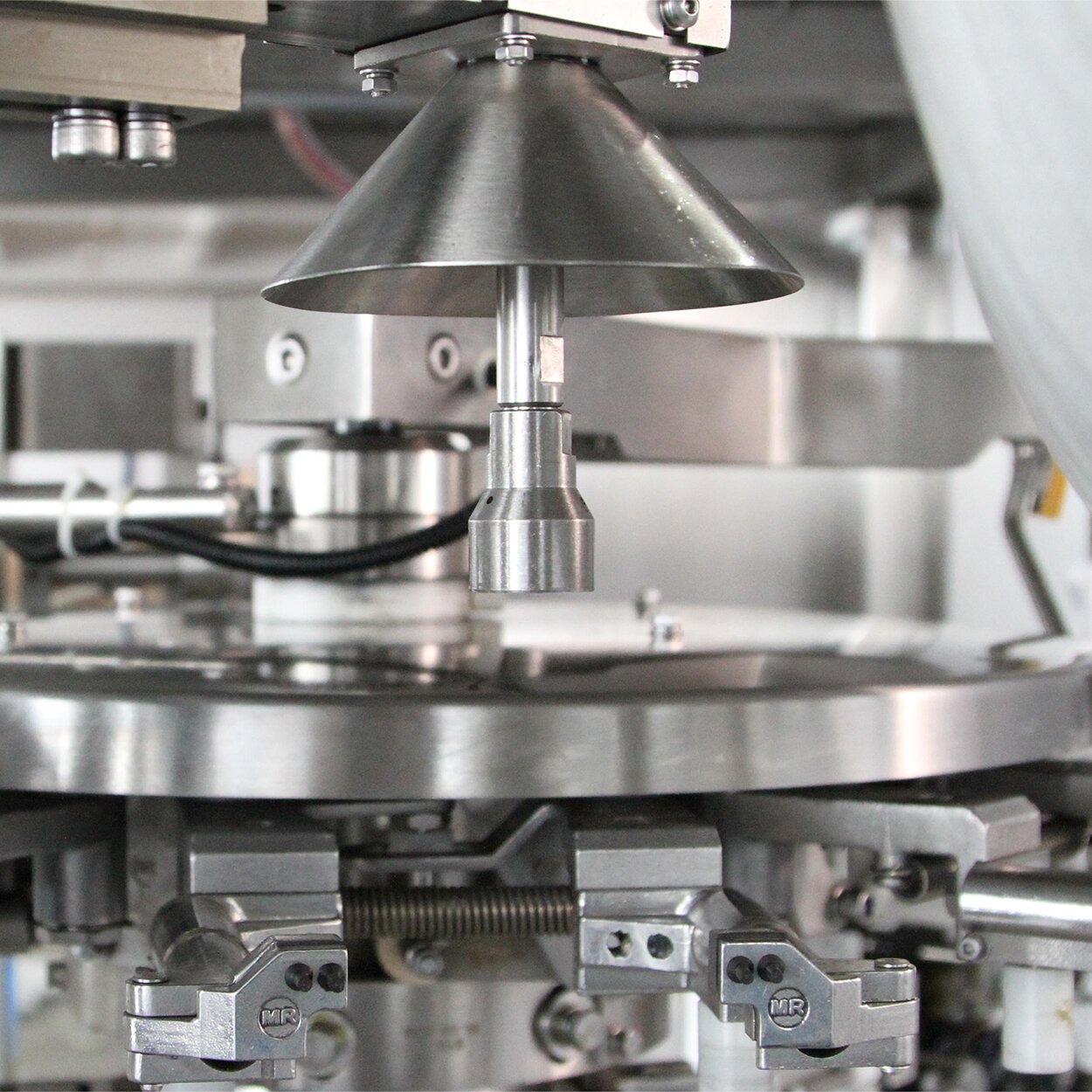
Meat processing facilities face constant pressure to maintain product quality, extend shelf life, and meet stringent food safety standards. A rotary vacuum packaging machine has become the industry standard for achieving these critical objectives. Unlike traditional packaging methods, this specialized equipment uses controlled oxygen removal and hermetic sealing to preserve meat quality throughout the supply chain, from processing floor to retail display.
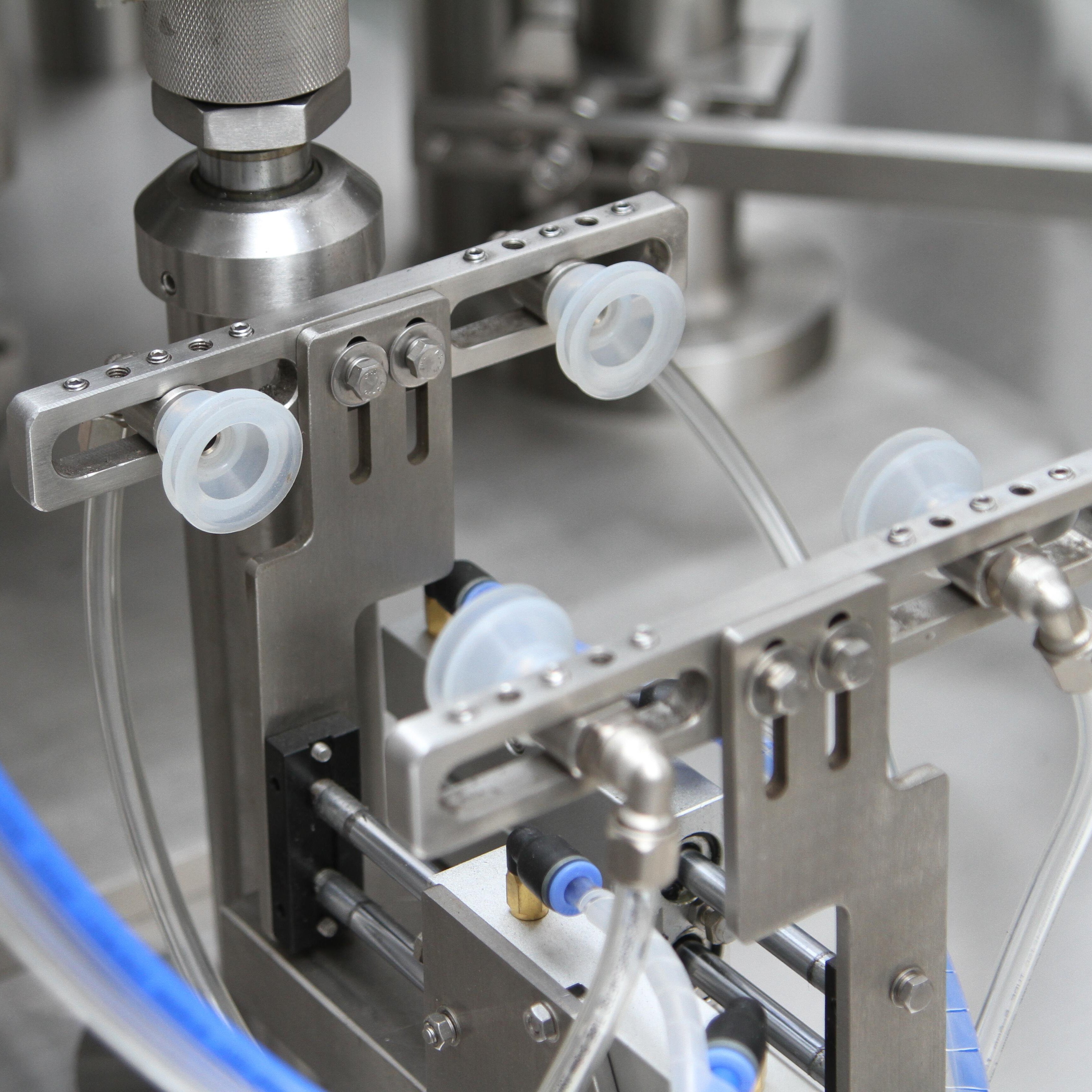
The rotary vacuum packaging machine represents a significant investment in operational efficiency and product integrity. Processing facilities worldwide rely on this technology to reduce waste, minimize spoilage, and deliver consistently fresh meat products to end consumers. Understanding the strategic advantages of a rotary vacuum packaging machine helps meat processors make informed decisions about equipment selection and production optimization.
The primary function of a rotary vacuum packaging machine is to remove oxygen from the package environment before sealing. Oxygen accelerates oxidative processes that cause color degradation, fat rancidity, and flavor loss in meat products. By operating under vacuum conditions, a rotary vacuum packaging machine eliminates the air that bacteria and aerobic microorganisms require to proliferate. This dual mechanism—oxygen removal and microbial inhibition—dramatically slows deterioration rates.
A rotary vacuum packaging machine achieves consistent oxygen removal through automated evacuation cycles. The machine pulls air from pre-filled bags at precisely controlled pressure levels, ensuring uniform vacuum strength across every package. This consistency is impossible to achieve with manual or semi-automatic methods. When meat is sealed under proper vacuum conditions by a rotary vacuum packaging machine, the shelf life typically extends from days to weeks, depending on refrigeration and product type.
Ground meat typically maintains acceptable quality for three to five days under standard air exposure. When processed through a rotary vacuum packaging machine, the same ground meat often remains fresh for three to four weeks under refrigeration. Vacuum-sealed steaks, roasts, and specialty cuts show even more dramatic improvements. A rotary vacuum packaging machine can extend premium cut shelf life from seven days to sixty days or longer, significantly reducing disposal costs and improving profitability.
Processors using a rotary vacuum packaging machine also benefit from reduced waste in distribution networks. Retailers receive products with extended freshness windows, reducing markdown losses and out-of-stock scenarios. For processing facilities selling direct to consumers or institutional buyers, a rotary vacuum packaging machine provides competitive advantage through demonstrably fresher products at delivery time.
A rotary vacuum packaging machine operates on a carousel or continuous-motion design that processes multiple packages simultaneously. Unlike vertical vacuum sealers that handle one package at a time, a rotary vacuum packaging machine can seal dozens of packages per minute, depending on model specifications and vacuum cycle duration. This throughput capacity directly translates to lower per-unit packaging costs and higher production efficiency.
For facilities processing hundreds of kilograms daily, a rotary vacuum packaging machine eliminates bottlenecks that manual sealing creates. Operators feed filled bags into the carousel, and the machine handles evacuation, sealing, and output automatically. This unattended operation allows staff to focus on upstream tasks like portioning and bag filling, resulting in smoother workflow and reduced labor per packaged unit. A rotary vacuum packaging machine justifies its capital investment through efficiency gains within months for high-volume producers.
Modern rotary vacuum packaging machine models incorporate variable vacuum pumps and energy-efficient motors that consume significantly less power than older equipment. The continuous operation of a rotary vacuum packaging machine is offset by superior speed and output compared to batch-processing alternatives. Energy costs per package decrease as production volume increases, making a rotary vacuum packaging machine economically favorable for growing facilities.
Maintenance demands for a rotary vacuum packaging machine center on pump servicing, seal strip replacement, and regular cleaning. Unlike complex automated lines, a rotary vacuum packaging machine design is straightforward and spare parts are readily available. Predictable maintenance schedules and modular components mean that a rotary vacuum packaging machine downtime is minimal and repair costs remain manageable over the equipment lifecycle.
Food safety regulations and retailer specifications mandate consistent vacuum strength and complete seal integrity. A rotary vacuum packaging machine includes pressure sensors and automation controls that verify vacuum levels on every cycle. If vacuum depth falls below acceptable thresholds, the rotary vacuum packaging machine rejects the package or triggers alerts, preventing substandard product from reaching consumers. This consistency exceeds manual inspection capabilities.
The heat-sealing mechanism of a rotary vacuum packaging machine uses precise temperature control to create hermetic seals that withstand distribution stresses. A properly sealed package from a rotary vacuum packaging machine maintains vacuum integrity through temperature fluctuations, vibration, and handling. This reliability reduces spoilage claims, improves customer satisfaction, and protects brand reputation.
Modern rotary vacuum packaging machine models integrate data logging and production tracking systems. Each package can be linked to production batch numbers, operator identification, and timestamp records. When regulatory audits or recall situations arise, a rotary vacuum packaging machine with integrated logging provides documentation proving that products met specified vacuum and seal requirements. This traceability is invaluable for HACCP compliance and supplier audits.
The standardized performance of a rotary vacuum packaging machine simplifies certification and compliance documentation. Facilities can confidently report packaging specifications to retailers, distributors, and food safety authorities because a rotary vacuum packaging machine output is verifiable and consistent. This operational transparency strengthens supplier relationships and reduces compliance risk.
A rotary vacuum packaging machine uses a rotating carousel mechanism that processes multiple packages simultaneously in a continuous cycle, whereas vertical vacuum sealers operate on a batch basis, sealing one package at a time. The rotary design achieves significantly higher throughput, lower per-unit costs, and unattended operation. For high-volume meat processors, a rotary vacuum packaging machine is superior in speed and efficiency.
Most rotary vacuum packaging machine models accommodate a range of pre-made bag dimensions and styles. Operators can adjust carousel settings and vacuum cycle parameters to optimize performance for ground meat, steaks, specialty cuts, or processed products. A rotary vacuum packaging machine designed for meat processing offers flexibility to handle diverse product types without significant reconfiguration between production runs.
For facilities processing over 500 kilograms daily, a rotary vacuum packaging machine typically achieves ROI within twelve to eighteen months through labor savings, waste reduction, and extended shelf life benefits. Smaller producers may experience longer payback periods, while large-scale operations often see returns within six to nine months. Financial justification depends on current throughput, labor costs, and waste rates specific to each facility.

2026/09/20
Premade Pouch Machines: Reduce Film Waste, Cut TCO & Achieve Faster ROI

2026/09/20
Cut Premade Pouch Machine Changeover Time by 40% with Proven Best Practices

2026/09/20
Premade Pouch Machines: Boost Throughput, Cut Waste & Improve ROI

2026/09/20
Rotary vs Inline Premade Pouch Machines: Speed, ROI & Scalability Compared

2026/09/20
Premade Pouch Machine: Boost Throughput, Cut Labor Costs & Improve Seal Integrity

2026/09/21
Premade Pouch Machine: Pouch Types, Materials & Filling Guide

